How Long Do Impatiens Last? Essential Tips for Longer Blooms in Your Garden

Impatiens are a popular choice among gardeners for their vibrant colors and ability to thrive in shady spots. However, understanding how long these beautiful blooms last can be crucial for maximizing their impact in your garden. Whether you’re planting them in containers or flower beds, knowing the factors that affect their longevity is essential for maintaining a stunning display. In this article, we’ll explore the lifespan of impatiens and provide essential tips to ensure your garden remains colorful and blooming all season long. Join us as we delve into the best practices for enjoying these lovely flowers to their fullest potential.
How Long Do Impatiens Last?
Impatiens, commonly known for their vibrant blooms and ability to thrive in shaded areas, typically last from one growing season to several years depending on their environment and care. While annual varieties will complete their life cycle within one season, offering brilliant colors from spring through fall, perennial types can live for multiple years if grown in suitable conditions. Factors such as climate, soil quality, and watering practices significantly influence their lifespan, with ideal conditions promoting longer-lasting and more robust plants.
Annual vs. Perennial Impatiens
Annual impatiens are designed to grow, flower, and die within the same year, making them a popular choice for seasonal color in gardens and containers. They generally last until the first frost, thriving from spring to fall. In contrast, perennial impatiens can return year after year, provided they are planted in well-draining soil and live in a region where the climate does not drop drastically in winter. Understanding the difference helps gardeners select the right type for their specific needs.
Factors Affecting Lifespan
The lifespan of impatiens can be significantly affected by several factors, including environmental conditions, watering frequency, and nutrient availability in the soil. Impatiens prefer moist, but not waterlogged, soil and will not thrive if allowed to dry out completely. Too much sun exposure can also shorten their lifespan, thus they are ideal for partial shade. This balance of elements directly influences how long they will bloom and remain healthy throughout the growing season.
Caring for Your Impatiens
Proper care is essential for maximizing the lifespan of impatiens. Regularly water them to maintain consistent moisture levels, and consider using a balanced fertilizer every few weeks during the blooming period to encourage vibrant flowers. Additionally, removing spent blooms, a practice known as deadheading, can help the plant focus its energy on producing new flowers rather than seed formation, thus prolonging its blooming phase.
Common Pests and Diseases
Impatiens can fall victim to several pests and diseases that may hinder their longevity. Aphids, spider mites, and downy mildew are among the most common threats. Keeping the plants clean and inspecting them regularly can help catch these issues early. Applying natural pesticides or promoting beneficial insects can also deter pests, ensuring that your impatiens remain healthy for the entirety of their growing season.
See also:
Seasonal Considerations
Seasonal changes play a crucial role in how long your impatiens will last. In regions with mild winters, perennial types may survive and re-emerge in spring. Conversely, in colder climates where frost occurs, annual impatiens will die off with the first frost. Transitioning your plants indoors before harsh weather or providing winter protection can help extend their life cycle if planted perennially.
| Factor | Impact on Lifespan |
|---|---|
| Type | Annuals last one season; perennials can last several years. |
| Watering | Consistent moisture promotes longer blooms. |
| Sun Exposure | Too much sun can shorten lifespan; prefer partial shade. |
| Soil Quality | Well-draining soil is crucial for healthy root systems. |
| Pests/Diseases | Can significantly reduce lifespan and bloom potential. |
How do you keep impatiens blooming?
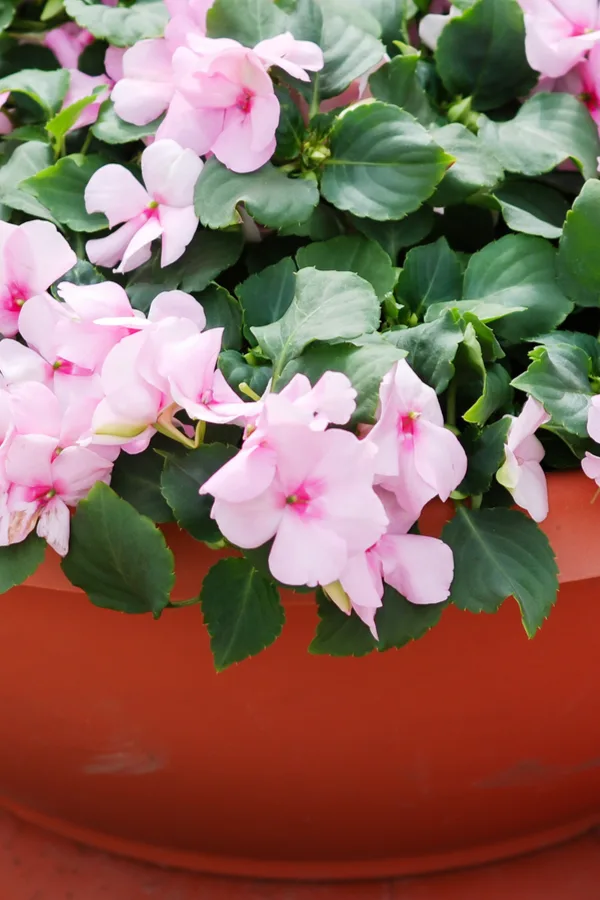
To keep impatiens blooming, it is essential to provide them with the right conditions and care. These vibrant flowers thrive in shaded areas and require specific attention regarding water, soil, and fertilization to continue their beautiful display throughout the growing season. Here are several key factors to consider:
Proper Watering Techniques
Watering is crucial for the health of impatiens. They prefer consistently moist soil but can suffer from overwatering, leading to root rot. To maintain optimal moisture levels:
- Water Regularly: Ensure the soil is never completely dry between waterings.
- Check Moisture Levels: Use your finger to check soil moisture before watering.
- Morning Watering: Water early in the day to allow leaves to dry before evening, minimizing disease.
Soil Quality and Drainage
The type of soil plays a significant role in keeping impatiens blooming. They prefer well-draining, nutrient-rich soil. Here’s how to improve soil quality:
- Use Potting Mix: A quality potting mix designed for flowering plants works best.
- Aeration: Adding perlite or sand can enhance drainage.
- pH Level: Maintain a slightly acidic to neutral pH, ideally between 5.5 and 7.
Fertilization Strategy
To encourage continual blooming, regular fertilization is essential. Impatiens benefit from balanced fertilizers during their growing season. Follow these steps:
See also:
- Choose the Right Fertilizer: Use a balanced, water-soluble fertilizer every 4-6 weeks.
- Dilution: Always dilute the fertilizer according to package instructions to avoid root burn.
- Timing: Fertilize during the growing season from spring to early fall for optimal growth.
Sunlight Requirements
Impatiens thrive in shade, making them popular for low-light gardens. Proper light exposure is essential for blooming:
- Avoid Direct Sunlight: Too much sun can burn the leaves. Filtered sunlight is ideal.
- Monitor Light Conditions: Observe plants to ensure they are not wilting due to lack of light.
- Adapt to Seasonal Changes: Shift pot placements if needed to accommodate changes in light.
Pest and Disease Management
Keeping impatiens healthy involves monitoring for pests and diseases that can hinder blooming:
- Regular Inspections: Check leaves and stems frequently for signs of aphids, spider mites, or fungus.
- Use Organic Solutions: Neem oil or insecticidal soap can help manage pest problems.
- Maintain Air Circulation: Space plants appropriately to avoid fungal diseases caused by humidity.
Questions from Our Readers
How long do impatiens last in the garden?
Impatiens typically last from one to two seasons in the garden, depending on the climate and care provided. They thrive in shade and require adequate water and nutrients to reach their full potential during their lifespan.
Do impatiens survive winter?
Impatiens are generally not cold-hardy and will not survive winter in areas with frost. They are best treated as annuals in most climates, meaning they will need to be replanted each spring after the last frost.
How can I extend the life of my impatiens?
To extend the life of your impatiens, ensure they have well-drained soil, regular watering, and are fertilized every few weeks. Additionally, pruning spent flowers can promote new blooms and enhance their overall vitality.
What factors affect the longevity of impatiens?
Several factors can affect the longevity of impatiens, including light exposure, water availability, and pest management. Providing a balance of shade, moisture, and proper care can lead to healthier plants that last longer.
See also:

If you want to read more articles like How Long Do Impatiens Last? Essential Tips for Longer Blooms in Your Garden, we recommend you check out our Flowers category.
Leave a Reply
Related Articles