How Long Do Pansies Last? Essential Tips for a Lively Garden
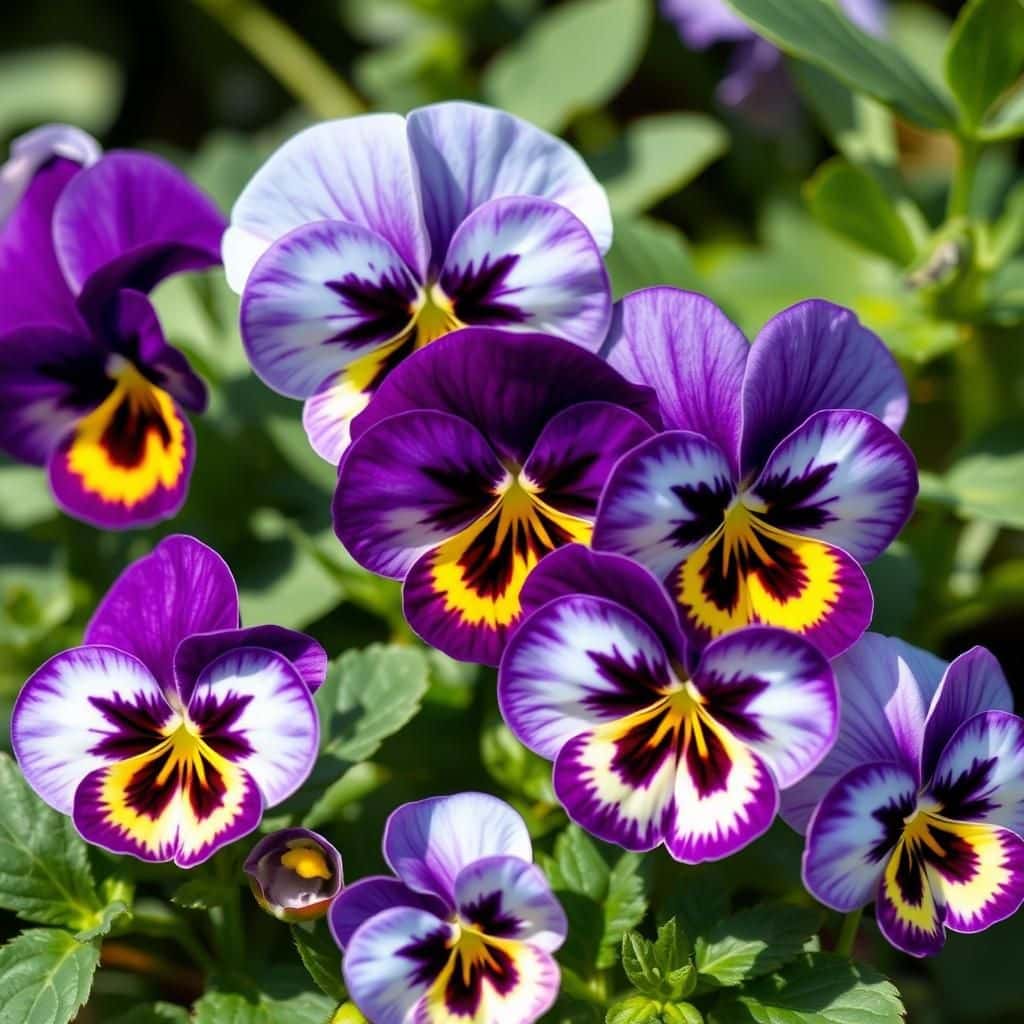
Pansies are beloved for their vibrant colors and cheerful expressions, making them a popular choice for gardeners all around the world. However, understanding their lifespan and how to care for them effectively is crucial for maintaining a lively and thriving garden. This article will explore the longevity of pansies, examining the factors that influence their growth and bloom duration. Additionally, we will provide essential tips to ensure your pansies flourish throughout their life cycle, allowing you to enjoy their beauty for as long as possible. Discover the secrets to nurturing these delightful flowers in your garden.
How Long Do Pansies Last?
Pansies are often celebrated for their vibrant colors and delightful blooms, but the question of how long they last can depend on various factors. Typically, pansies thrive for one growing season, which can range from early spring to late fall in temperate climates. Their lifespan is influenced by environmental conditions such as temperature, sunlight, and soil quality. With proper care, including regular watering and deadheading of spent flowers, pansies can bloom continuously for many months. However, they may not survive extreme summer heat or winter frosts unless they are grown as biennials in milder areas, where they can establish and bloom for a second year.
Factors Affecting Pansy Lifespan
The lifespan of pansies is significantly affected by several key factors. These include the climate in which they are planted, as they prefer cooler temperatures to thrive. Additionally, the quality of the soil and its drainage, as well as exposure to sunlight, play crucial roles in their longevity. Regular care, including watering, fertilizing, and pest management, also determines how long these flowers will last in your garden.
Seasonal Blooming Patterns
Pansies typically produce their most vibrant blooms in the spring and fall seasons. During these cooler months, they can showcase a variety of colors, thriving in temperatures between 45°F and 65°F. In the heat of summer, their growth may slow down significantly, and they could perish if the temperatures rise above their tolerance levels. Conversely, in milder winter climates, pansies may continue to bloom sporadically, demonstrating resilience through cold snaps.
Care Tips for Extending Pansy Life
To help prolong the life of your pansies, it is essential to follow good gardening practices. Regular watering is critical, especially in dry spells, but be cautious of overwatering, which can lead to root rot. Ensuring adequate drainage in your garden beds or containers helps maintain healthy roots. Additionally, deadheading—removing spent flowers—encourages the plants to produce new blooms rather than focusing energy on seed production.
Longevity in Different Environments
Pansies can exhibit varied lifespans depending on their growing environment. In mild regions, they may live as biennials, flowering independently in their second year under the right conditions. On the other hand, in warmer areas where summer heat is extreme, pansies may not survive past one growing season. Conversely, in cooler climates, they can endure longer and display their colorful petals for an extended period until the first frost arrives.
See also:
Choosing the Right Pansy Varieties
Not all pansy varieties have the same resilience; some are bred specifically to thrive longer in various conditions. When selecting pansies for your garden, consider varieties known for their extended blooming period, such as the cool wave or matrix series. These hybrids are bred for greater heat and cold resistance, potentially offering a longer lifespan in diverse and fluctuating weather conditions.
| Factor | Impact on Lifespan |
|---|---|
| Climate | Cooler temperatures prolong blooming |
| Soil Quality | Well-draining soil supports healthy growth |
| Sunlight Exposure | Preference for partial to full sunlight increases vitality |
| Watering Practices | Consistent moisture extends lasting blooms |
| Variety Selection | Hybrid strains may offer better endurance |
How do I keep my pansies blooming all summer?

To keep your pansies blooming all summer, it's important to understand their needs and care requirements throughout the growing season. Here are some key strategies to ensure your pansies remain vibrant and bloom consistently.
Understanding Pansy Growth Requirements
Pansies thrive in cool climates and prefer temperatures between 60°F to 70°F (15°C to 21°C). During summer, particularly in hotter regions, these flowers may struggle. To maintain their health and encourage blooming, it’s crucial to provide them with the right conditions. Here’s how:
- Choose a suitable location: Pansies benefit from morning sunlight but require some afternoon shade.
- Soil quality is key: Ensure the soil is well-draining and rich in organic matter.
- Monitor temperatures: If temperature exceeds 75°F (24°C), consider using shade cloths to prevent heat stress.
Watering Techniques for Pansies
Proper watering is vital for keeping pansies blooming throughout the summer. Over-watering can lead to root rot, while under-watering can stress the plants. Follow these steps to achieve the right balance:
- Water deeply: Provide about 1 inch of water weekly, adjusting during extreme heat.
- Check soil moisture: Use a finger test to ensure the top inch of soil is dry before watering.
- Avoid overhead watering: Apply water directly to the soil to minimize disease risk.
Fertilizing for Continuous Blooming
Regular fertilization can promote abundant blooming in pansies. Using the right nutrients will enhance growth and flower resilience. Consider the following:
See also:
- Use a balanced fertilizer: Opt for a 10-10-10 (NPK) formula every 4-6 weeks.
- Follow the manufacturer’s instructions: Always adhere to the recommended application rates to avoid damage.
- Supplement with compost: Incorporate compost into the soil for additional nutrients throughout the summer.
Deadheading and Pruning Techniques
Regularly removing spent blooms, known as deadheading, encourages pansies to produce new flowers. Here’s how to do it effectively:
- Identify faded flowers: Look for blooms that have wilted or turned brown.
- Pinch off with fingers or scissors: Remove the entire stem to promote further blooming.
- Consider light pruning: Trim back leggy plants to encourage fuller growth and additional blossoms.
Dealing with Pests and Diseases
Keeping your pansies healthy also means managing potential pests and diseases that could hinder blooming. Here’s how to protect your plants:
- Inspect regularly: Look for signs of pests like aphids or slugs.
- Use organic insecticides: Neem oil and insecticidal soap are effective and safer for your garden.
- Promote air circulation: Space plants appropriately to reduce humidity and prevent fungal diseases.
Questions from Our Readers
How long do pansies typically last?
Pansies usually last for one to two seasons if provided with the right care, including adequate sunlight and proper watering. Generally, their blooming period extends through the spring and fall, but they may not survive extreme heat or cold.
What factors affect the lifespan of pansies?
The lifespan of pansies can be influenced by several factors, including climate, soil quality, and water availability. Ensuring that your pansies have well-drained soil and are not exposed to extreme temperatures can significantly enhance their longevity.
Can pansies survive winter?
Yes, pansies are considered cold-tolerant and can survive mild winter conditions. In regions with temperate climates, they may even bloom during the winter, but in harsher climates, their lifespan may be limited, requiring protection or replanting in the spring.
How can I extend the life of my pansies?
To extend the life of your pansies, maintain consistent watering, provide adequate nutrients, and remove any dead flowers to promote new growth. Additionally, offering them some shade during the hottest parts of the day can help them thrive longer.
See also:

If you want to read more articles like How Long Do Pansies Last? Essential Tips for a Lively Garden, we recommend you check out our Flowers category.
Leave a Reply
Related Articles