How Long Do Hydrangeas Bloom? Discover the Blooming Season and Care Tips

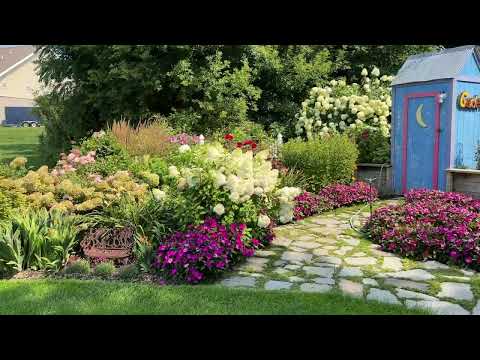
Hydrangeas are a captivating addition to any garden, known for their lush foliage and stunning blooms. Understanding how long these beautiful flowers bloom is essential for maximizing their impact in your landscape. Typically, hydrangeas bloom during the warmer months, with the exact timing varying by species and environmental conditions. In this article, we will explore the blooming season of hydrangeas, providing insights into the factors that influence their flowering and offering essential care tips to keep your plants healthy and vibrant. Whether you're a seasoned gardener or new to hydrangeas, this guide will help you make the most of these floral treasures.
How Long Do Hydrangeas Bloom?
Hydrangeas generally bloom for a period of three to six months, depending on the specific variety and the climate in which they are grown. Most hydrangeas begin to show their beautiful blossoms in late spring to early summer, and the blooms can last until the first frost in the fall. The precise timing and duration of the blooming period can also be influenced by factors such as soil conditions, light exposure, and watering practices. It is crucial for gardeners to provide optimal care to ensure a vibrant and prolonged blooming season.
Factors Influencing Bloom Duration
The duration of hydrangea blooms can be affected by several factors. Environmental aspects like temperature and humidity play significant roles, as warmer climates can prolong the blooming period while colder areas might shorten it. Additionally, proper soil health, including acidity and nutrient levels, influences how well the plants bloom. Regular pruning and deadheading can also encourage more blooms and contribute to a longer blooming season.
Types of Hydrangeas and Their Blooming Periods
Different types of hydrangeas have varying blooming periods. For example, Smooth Hydrangeas typically bloom from June to September, while Bigleaf Hydrangeas may start flowering as early as May and can continue into October. Panicle Hydrangeas often bloom later in the summer and can last until fall. Each type has its unique characteristics and bloom timelines, which are essential for gardeners to understand in order to maximize enjoyment of their flowers.
Optimal Care for Prolonged Blooms
To ensure that hydrangeas bloom for an extended period, it's vital to provide optimal care. Regular watering is crucial, especially during dry spells, to keep the plants hydrated. Additionally, applying a balanced fertilizer in the early spring can promote robust growth and increase the number of blooms. Ensuring the plants receive adequate sunlight while protecting them from intense afternoon sun can also contribute to a longer blooming season.
The Role of Climate in Blooming
Climate greatly influences the blooming duration of hydrangeas. In warmer regions, hydrangeas may bloom earlier and for longer durations compared to those planted in cooler climates, where blooming can be delayed and may not last as long. Understanding the local climate and selecting the appropriate varieties can help gardeners achieve the best results for their hydrangeas.
See also:
Seasonal Changes and Their Impact on Blooms
Seasonal changes also affect hydrangea blooms profoundly. As summer transitions to fall, cooler temperatures and changing daylight hours can signify the end of the blooming cycle. Additionally, the introduction of frost in the fall often triggers the end of the flowering season, which is crucial for gardeners to monitor. Planning the planting and care schedules around these seasonal changes can help maximize the blooming potential throughout the growing season.
| Hydrangea Type | Blooming Period |
|---|---|
| Smooth Hydrangeas | June to September |
| Bigleaf Hydrangeas | May to October |
| Panicle Hydrangeas | July to October |
What month are hydrangeas in full bloom?

Hydrangeas are well-known for their stunning blooms, which typically reach their peak during the summer months. In most regions, hydrangeas are in full bloom from late June to early August, with the exact timing often depending on the specific species and local climate conditions.
Factors Affecting Bloom Time
The timing of hydrangea blooms can vary greatly based on several factors, including:
- Climate: Warmer climates may see hydrangeas bloom earlier in the season.
- Species: Different species of hydrangeas have varying bloom times; for example, some may bloom earlier than others.
- Growing Conditions: Soil quality, moisture levels, and sunlight can all affect blooming times.
Types of Hydrangeas and Their Blooming Periods
There are multiple types of hydrangeas, each with distinct blooming periods. Some common types include:
- Bigleaf Hydrangea: Typically blooms from June to August.
- Peegee Hydrangea: Usually blooms from late summer to early fall (July to September).
- Oakleaf Hydrangea: Blooms in mid to late summer (July to August).
How to Extend the Blooming Period
To enjoy hydrangeas for a longer time, consider the following tips:
See also:
- Proper Pruning: Prune at the right time according to the species to promote healthy blooms.
- Pest Control: Protect blooms from pests that can reduce the flowering potential.
- Watering Techniques: Ensure adequate watering, especially during dry spells, to support blooming.
Garden Planning for Hydrangeas
Planning a garden with hydrangeas involves careful consideration of their blooming habits:
- Planting Schedule: Choose a planting schedule that aligns with the desired bloom time.
- Companion Plants: Select other plants that bloom at the same time for a cohesive look.
- Location: Ensure selected locations receive appropriate sunlight based on the hydrangea type.
Common Problems Affecting Blooming
Several issues might hinder the blooming of hydrangeas, including:
- Wrong Soil pH: Hydrangeas thrive in slightly acidic to neutral soil; incorrect pH can affect their ability to bloom.
- Insufficient Sunlight: Most hydrangeas require partial sunlight; too much shade can stunt growth.
- Overwatering or Underwatering: Both extremes can lead to stress, impacting flowering.
Questions from Our Readers
How long do hydrangeas typically bloom?
Hydrangeas usually bloom for a period of 3 to 5 months, depending on the specific variety and climate conditions. Most hydrangeas begin blooming in late spring and can continue to produce flowers until the first frost of fall.
Do all hydrangea varieties bloom for the same duration?
No, not all hydrangea varieties bloom for the same duration. Some types, like panicle hydrangeas, may have a longer blooming season compared to others, such as mophead or lacecap hydrangeas, which may have a shorter blooming period.
What factors influence the blooming period of hydrangeas?
The blooming period of hydrangeas can be influenced by several factors, including climate, soil conditions, and care practices. Adequate sunlight and proper watering can also enhance the bloom duration and overall health of the plant.
When is the best time to prune hydrangeas to ensure a longer bloom?
To promote a longer bloom season, it's advisable to prune hydrangeas during late winter or early spring before the new growth begins. Proper pruning techniques help to encourage more flower production and can lead to a healthier blooming cycle throughout the growing season.
See also:
If you want to read more articles like How Long Do Hydrangeas Bloom? Discover the Blooming Season and Care Tips, we recommend you check out our Hydrangea category.
Leave a Reply
Related Articles