The Ultimate Guide: When to Apply Fungicide to a Garden?

Fungicides play a crucial role in maintaining the health of gardens, but knowing when to apply them can be challenging for gardeners. Timing is everything; applying fungicides too early or too late can lead to ineffective treatments or even harm beneficial organisms. This comprehensive guide aims to equip you with essential knowledge about the various factors that influence fungicide application. From identifying signs of fungal infections to understanding weather conditions and growth stages, we will explore best practices that ensure your garden remains vibrant and disease-free. Join us as we delve into the ultimate timing strategies for effective fungicide use.
When to Apply Fungicide to a Garden
Applying fungicide to a garden is essential for managing and preventing fungal diseases that can adversely affect the health of your plants. The best time to apply fungicide is during periods of high humidity or when you notice early signs of fungal infestations, such as discolored or wilting leaves. It is also important to consider the growth stages of your plants; applying fungicide during the early growth phase can help protect them before they become more vulnerable to diseases. Regular monitoring of weather conditions, plant health, and consulting with local agricultural guidelines can help you determine the ideal timing for treatment to ensure the vitality and yield of your garden.
Identifying Fungal Diseases
Accurately identifying fungal diseases is crucial before applying any fungicide. Common symptoms include yellowing leaves, powdery mildew, and dark spots on foliage. Understanding the specific symptoms associated with different fungal pathogens will allow gardeners to choose the appropriate fungicide for treatment. Observing plants regularly and seeking help from local extension services can aid in proper diagnosis and help prevent further spread of the disease.
Timing Based on Weather Conditions
Weather plays a significant role in the timing of fungicide application. High humidity and temperatures between 60°F to 80°F are conducive to fungal growth, making these periods ideal for application. After rainfall or during unusually damp conditions, the likelihood of fungal infection increases, indicating a prompt need for fungicide treatment. Additionally, monitoring forecasts for moist conditions can help you anticipate the need for preventive measures before symptoms develop.
Application After Rain or Dew
It is recommended to apply fungicide after a significant rainfall or heavy dew has dried. This timing ensures the product can adhere effectively to the plant surfaces without being washed away. Ideally, fungicide should be applied during the early morning or late afternoon when temperatures are cooler, helping to prevent evaporation and ensuring maximum absorption by the plants. Following the product's guidelines on application rates and intervals is crucial for effective treatment.
Frequency of Applications
The frequency of fungicide applications largely depends on the types of plants in your garden and the specific fungal threats they face. Generally, applying fungicide every 7 to 14 days during high-risk periods is beneficial. However, for some crops, especially those prone to specific diseases, more frequent applications may be necessary. Always follow the manufacturer's instructions regarding reapplication intervals to avoid chemical buildup and resistance issues.
Consulting Local Guidelines
Lastly, it is essential to consult local gardening guidelines or agricultural extensions for best practices regarding fungicide application. Various regions may have specific pests and diseases prevalent in their climates, and local experts can provide invaluable insights into timing and chemical options that work best for your ecosystem. Utilizing local resources ensures appropriate measures are taken for effective control of fungal issues without compromising plant health.
| Factor | Recommendation |
|---|---|
| Weather | Apply during high humidity or after rain |
| Growth Stage | Early growth is best for prevention |
| Frequency | Every 7 to 14 days, depending on the risk |
| Application Time | Early morning or late afternoon |
| Local Guidelines | Consult local extensions for advice |
Should you apply fungicide before or after rain?
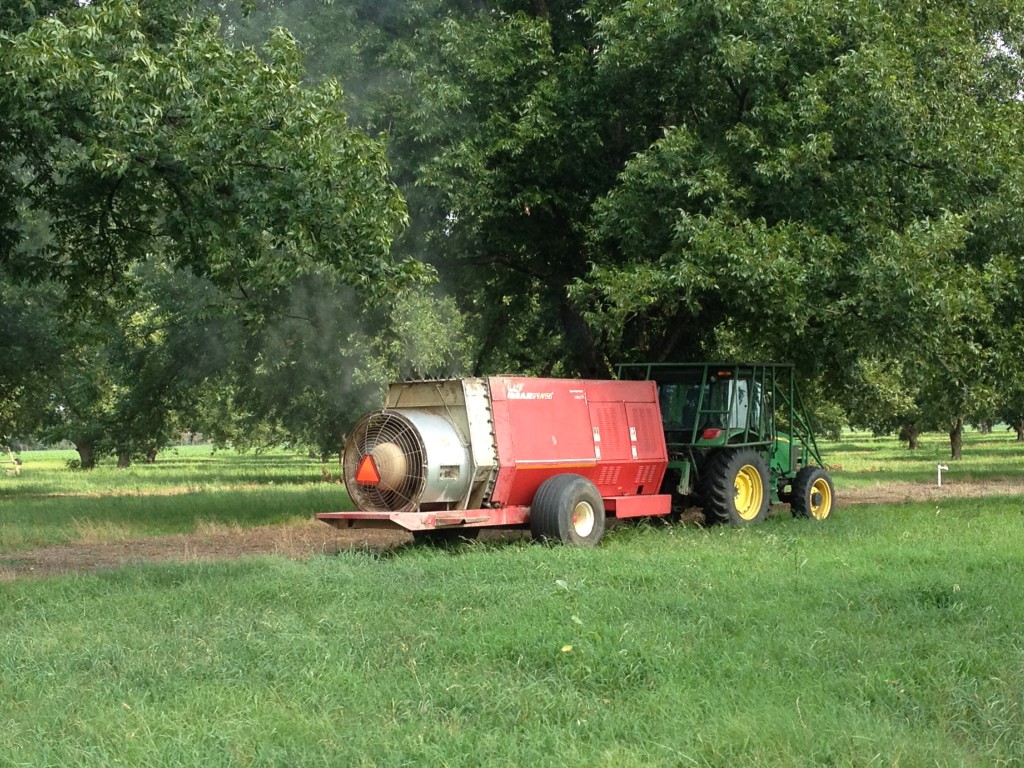

When considering the application of fungicide, the timing in relation to rainfall is crucial for its effectiveness. Generally, it is recommended to apply fungicide before rain rather than after. This recommendation is primarily based on the behavior of fungicides and the conditions that influence their efficacy throughout the plant's protection process.
Understanding Fungicide Modes of Action
Fungicides work by either stopping the growth of fungi or killing them outright. To be effective, they need to adhere to the plant surface and remain there long enough to be absorbed. Applying fungicide before rain can take advantage of conditions that promote better absorption and distribution across the plant’s leaves.
- Preventative action: When applied before rain, fungicides can create a barrier on the plant that is resistant to fungal spores.
- Enhanced absorption: Rain can assist in moving the fungicide into the plant tissues more effectively than if it is applied afterward.
- Long-term effectiveness: Fungicides have a limited window of effectiveness once dissolved, so applying them before rain maximizes their protective capability.
Impact of Rain on Fungicide Performance
Rain can significantly affect how well fungicide works. If a fungicide is applied after the rain, it may wash off the active ingredients, reducing its potency and coverage. This diminishes the overall effectiveness of the application, particularly if the rain is heavy.
- Active ingredient wash-off: Rain can dilute or completely wash away the fungicide from plant surfaces.
- Certain fungicides: Some types are more susceptible to loss through leaching when rain occurs shortly after application.
- Environmental factors: Wind and heavy rainfall can exacerbate the loss of fungicides after application.
Timing is Key: The Best Practices
To ensure maximum efficacy from fungicides, it is advisable to monitor weather forecasts for impending rain. Application should be strategically timed to take place shortly before rain, ideally allowing at least several hours for the product to dry and settle on the plant.
- Weather monitoring: Keep an eye on the forecast to determine the best time for application.
- Dry periods: Whenever possible, apply fungicides during dry periods to allow them to adhere properly.
- Minimum before rain: Aim for a minimum window of two hours before expected rain for best results.
Types of Fungicides and Their Considerations
Different types of fungicides may have varying properties regarding their performance related to rain. Some systemic fungicides penetrate plant tissue, whereas contact fungicides sit on the surface and are more affected by rain events. Understanding the type of fungicide used can inform decisions about application timing.
- Systemic fungicides: These can be more resilient against rain as they are absorbed into the plant.
- Contact fungicides: More prone to wash off, thus requiring applications before rain for effectiveness.
- Combination products: Some formulations may combine both types and require strategic application based on their characteristics.
Post-Rain Treatments and Their Limitations
If you find yourself needing to apply fungicide after rainfall, be aware that while it may still provide benefits, the effectiveness may be compromised. In some cases, reapplication might be necessary to ensure a protective barrier remains on the plant surface.
- Reapplication advisability: If rainfall occurs soon after application, it may be beneficial to reapply depending on the specific type of fungicide used.
- Monitor for diseases: After rain, keep a close watch for signs of fungal infection that may need immediate treatment.
- Follow product guidelines: Always refer to the manufacturer's instructions to understand how best to use the fungicide under wet conditions.
Can too much fungicide hurt plants?

Excessive use of fungicides can indeed harm plants. While fungicides are essential in managing fungal infections that can threaten plant health, an over-application can create several negative effects. These effects not only impact the targeted pathogens but can also affect the plants themselves, along with beneficial organisms in the soil and surrounding environment.
See also:
Impact on Plant Health
Excessive fungicide application can cause a range of physiological stress to plants. The chemicals in these products can interfere with normal plant function, leading to a decline in overall health.
- Phytotoxicity: High concentrations of fungicides can cause leaf burn or chlorosis.
- Growth Inhibition: Overuse may stunt plant growth or lead to abnormal development.
- Nutrient Deficiencies: By harming roots, fungicides can reduce nutrient uptake, causing deficiencies.
Effect on Beneficial Microorganisms
Fungicides don't discriminate and can also impact beneficial microorganisms in the soil. These organisms are crucial for healthy plant growth and soil structure.
- Mycorrhizal Fungi: These fungi enhance nutrient absorption and can be destroyed by fungicides.
- Bacterial Diversity: Some fungicides may reduce overall microbial diversity in the soil.
- Soil Health: An imbalance in soil life can lead to reduced soil fertility and health.
Resistance Development
Overuse of fungicides can lead to the development of resistant strains of pathogens. This can create a longer-term problem where fungicides become less effective.
- Survival of the Fittest: High use pressure can favor the survival of resistant pathogens.
- Management Challenges: Resistant strains may require more aggressive or multiple treatment approaches.
- Economic Impact: Increased fungicide use leads to higher costs for growers.
Environmental Concerns
The overapplication of fungicides raises serious environmental concerns. Chemicals can leach into water supplies and affect local ecosystems.
- Water Contamination: Excess fungicides can run off into nearby streams and rivers.
- Aquatic Life: Chemicals can be toxic to fish and amphibians in aquatic habitats.
- Pollinator Impact: Disruption of beneficial insects can impact pollination and biodiversity.
Proper Application Techniques
To mitigate the risks of fungicide overuse, adopting proper application techniques is essential. This helps ensure that fungicides target the desired pathogens while minimizing harm.
- Follow Labels: Always adhere to the recommended application rates and timings.
- Rotate Products: Use different classes of fungicides to prevent resistance development.
- Monitor Plant Health: Regularly assess plant health and pathogens before applying treatments.
Questions from Our Readers
When is the best time to apply fungicide in a garden?
Applying fungicide is most effective when done preventively or at the first signs of fungal infection. Generally, it is recommended to treat plants early in the morning or late in the afternoon when temperatures are cooler, and there is less sunlight to reduce stress on the plants.
How often should I apply fungicide to my garden?
The frequency of fungicide application depends on the product used and the specific disease you are addressing. Typically, it's advisable to apply fungicide every 7 to 14 days during periods of heavy rainfall or high humidity, but always refer to the label instructions for specific recommendations.
What conditions warrant the use of fungicide in a garden?
Fungicide should be used when you observe signs of fungal diseases such as yellowing leaves, spots, or moldy growth on plants. Additionally, conditions like damp weather, high humidity, and poor air circulation can increase the risk of fungal infections, indicating a need for treatment.
See also:
Can I use fungicide on all plants in my garden?
While many plants can tolerate fungicide, it's important to check the compatibility of the product with specific plants. Some sensitive varieties may be adversely affected, so be sure to do a test application on a small area or consult the product label for guidance on safe use.

If you want to read more articles like The Ultimate Guide: When to Apply Fungicide to a Garden?, we recommend you check out our Garden category.
Leave a Reply
Related Articles