What Time of Day is Best to Apply Miracle-Gro? Find the Ideal Timing for Optimal Growth

The timing of applying Miracle-Gro can significantly impact the health and growth of your plants. While many gardeners understand the importance of using fertilizers, not everyone considers the best time of day for application. Achieving optimal growth requires not just the right nutrients but also the right conditions. Sunlight, temperature, and moisture levels all play crucial roles in how effectively the plants absorb the nutrients from the fertilizer. In this article, we will explore the best times to apply Miracle-Gro, ensuring that your plants receive the maximum benefits for vibrant, healthy growth.
What Time of Day is Best to Apply Miracle-Gro?
Applying Miracle-Gro at the right time of day can significantly enhance its effectiveness and promote healthy plant growth. The best time to apply this fertilizer is during the early morning or late afternoon when temperatures are cooler and the sun is not directly overhead. This allows plants to absorb the nutrients without the stress of excess heat, which can lead to evaporation and decreased uptake. Additionally, applying Miracle-Gro during these times reduces the risk of leaf burn caused by the harsh midday sun, ensuring that your plants benefit fully from the nutrients provided.
Why Early Morning is Ideal
Applying Miracle-Gro in the early morning allows for cooler temperatures and higher humidity levels, creating an environment where plants can effectively absorb the nutrients. During this time, plants are often in a state of active growth, which aids in nutrient uptake. Furthermore, applying in the morning gives any excess moisture a chance to evaporate before the sun becomes intense, minimizing the risk of fungal diseases.
Benefits of Late Afternoon Application
Choosing to apply Miracle-Gro in the late afternoon can also be beneficial. During this time, temperatures typically begin to drop, which helps to reduce the risk of leaf burn. Nutrient absorption can be optimal as plants prepare for the night, allowing them to utilize the applied fertilizers effectively while having ample time to take them in until the cooler evening sets in.
Avoiding Midday Applications
Midday applications of Miracle-Gro should be avoided due to the intense heat and direct sunlight that can cause the fertilizer to evaporate quickly or even damage plant leaves. The combination of high temperatures and direct sun can lead to a reduction in effective nutrient uptake, making the application less beneficial. Additionally, plants may be under stress during midday, further hampering absorption.
Environmental Factors to Consider
It's essential to consider environmental factors such as wind and humidity when determining the best time to apply Miracle-Gro. Windy conditions can lead to uneven application, causing some areas to receive too much fertilizer while others receive too little. Similarly, applying during high humidity can increase the chance of fungal diseases. Therefore, neutral and stable weather conditions should be prioritized for optimal application timing.
Impact of Plant Types
Different plants may respond differently to the timing of Miracle-Gro application. For instance, flowering plants may benefit from late afternoon applications when they are actively opening their blooms, while leafy greens might respond well to early morning feedings as they are in peak growth. Understanding the specific needs of your plants can help you determine the most effective time to apply this fertilizer.
| Time of Day | Advantages | Disadvantages |
|---|---|---|
| Early Morning | Cool temperatures, high humidity, active growth | Limited time to absorb before midday |
| Late Afternoon | Cools plants, good evening absorption | Risk of moisture loss overnight |
| Midday | None | Leaf burn, evaporation of nutrients |
What is the best time of day to apply Miracle-Gro?
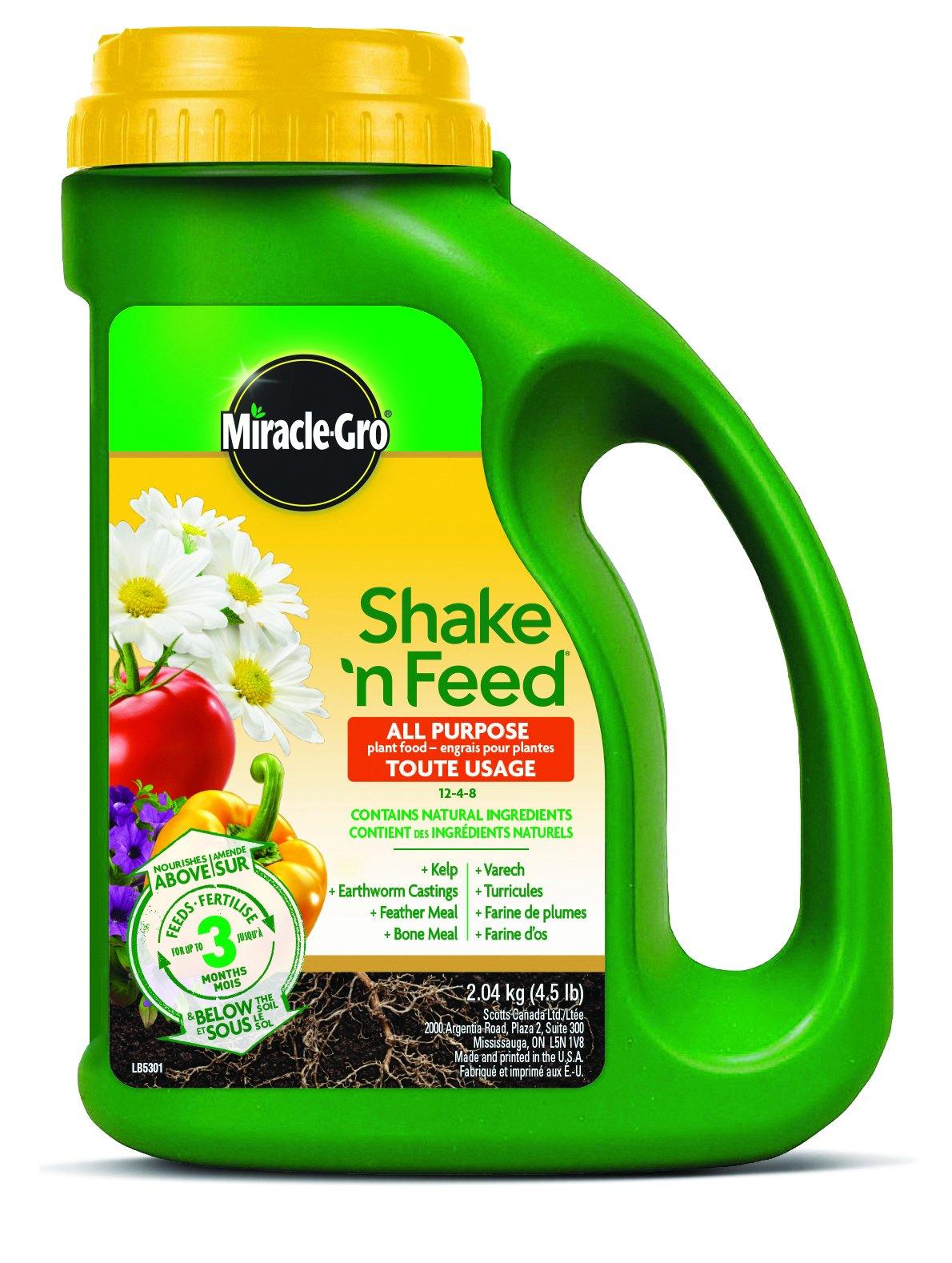
The best time of day to apply Miracle-Gro, a well-known fertilizer, depends on various factors, including temperature, humidity, and sunlight exposure. Generally, the ideal times for application are either in the early morning or late afternoon. Applying Miracle-Gro during these periods allows for optimal absorption by the plants and minimizes the risk of nutrient runoff.
- Early Morning Application: This timing is beneficial because temperatures are usually cooler, allowing plants to absorb nutrients effectively without the stress of direct sunlight. Dew present on the leaves can also help the fertilizer adhere better.
- Late Afternoon Application: Similarly, applying Miracle-Gro in the late afternoon provides cooler temperatures for the plants after a day in the sun. This timing can help prevent potential leaf burn that may result from applying fertilizer during peak sunlight hours.
See also:
Factors Affecting the Best Time for Application
The effectiveness of Miracle-Gro also hinges on several factors. Understanding these can help you time your application for the best results.
- Temperature: High temperatures can lead to plant stress, making morning or late afternoon the most favorable times.
- Humidity: High humidity can enhance the absorption of nutrients, so consider local weather conditions.
- Sunlight Exposure: Direct sunlight can cause fertilizer to evaporate quickly, reducing its effectiveness.
The Importance of Watering
Watering your plants before or after applying Miracle-Gro significantly affects how effectively the nutrients are absorbed.
- Pre-Watering: Watering your plants before application can help reduce the risk of fertilizer burn and improve nutrient uptake.
- Post-Watering: After applying the fertilizer, watering again ensures that the nutrients penetrate the soil.
- Soil Conditions: Ensure the soil is moist but not waterlogged, as this can hinder nutrient absorption.
Signs of Plant Stress
Recognizing signs of stress in your plants can help determine when to adjust your fertilization routines.
- Wilting Leaves: This might indicate the plant is under stress and may benefit from a nutrient boost.
- Yellowing Leaves: Often a sign of nutrient deficiencies, which Miracle-Gro can help address.
- Poor Growth: Stunted growth can suggest that your plants are not receiving adequate nutrition.
Environmental Considerations
Before applying Miracle-Gro, environmental factors should be taken into account for maximum effectiveness and safety.
- Wind Conditions: High winds can cause fertilizer to blow away from the intended area, leading to uneven application.
- Rain Forecast: Avoid applying just before a heavy rain, which can lead to nutrient runoff.
- Sunset Timing: Check the sunset timing to ensure you apply the fertilizer with enough daylight for effectiveness.
Recommended Application Frequency
How often you apply Miracle-Gro can depend on several factors, including the type of plants and their growth needs.
- Feeding Schedule: For most plants, a bi-weekly schedule can support healthy growth, especially during the growing season.
- Type of Plants: Certain plants may require more frequent feeding based on their growth rate and nutrient needs.
- Seasonal Changes: During the growing season, opt for more frequent applications, whereas reduce during dormancy in colder months.
Should you water plants after applying Miracle-Gro?

Applying Miracle-Gro to plants requires careful consideration of watering practices to maximize its benefits. After applying this fertilizer, it is generally recommended to water the plants. Watering helps to activate the nutrients in Miracle-Gro and ensures that they penetrate the soil effectively, reaching the plant roots where they can be absorbed. Here’s a deeper look into the reasons for watering after application.
Why Watering is Important After Applying Miracle-Gro
Watering after the application of Miracle-Gro serves several purposes:
- Activation of Nutrients: Water helps dissolve the nutrients in Miracle-Gro, making them readily available to the plants.
- Preventing Fertilizer Burn: Adequate watering minimizes the risk of fertilizer burn, which can occur if fertilizer remains dry on the soil surface.
- Enhancing Nutrient Uptake: Watering ensures that the nutrients are washed down into the root zone, allowing plants to absorb them effectively.
How Much Water Should Be Applied?
The amount of water you should use after applying Miracle-Gro can vary:
- Recommended Amount: A good guideline is to apply enough water to moisten the soil to a depth of about 6 to 8 inches.
- Avoid Overwatering: Be cautious not to overwater, which can lead to waterlogged soil and negatively impact plant health.
- Check Soil Moisture: It’s a good practice to check the soil moisture before watering to ensure it needs it.
Best Time to Water After Application
Timing your watering after applying Miracle-Gro can enhance its effectiveness:
- Right After Application: Ideally, water your plants immediately after applying the fertilizer to begin the absorption process.
- Morning Hours: Watering in the early morning is beneficial because it allows time for the plants to absorb nutrients before the sun's heat evaporates moisture.
- Avoid Evening Watering: Watering late in the day can lead to prolonged moisture on leaves, increasing the risk of fungal diseases.
Signs of When to Water
Knowing when to water after applying Miracle-Gro can help ensure plant health:
See also:
- Soil Dryness: Check if the top inch of soil is dry; if so, it’s time to water.
- Leaf Wilting: Leaves that appear droopy may indicate a need for water after fertilizer application.
- Color Changes: Plants that start to yellow or show signs of stress might need additional watering.
Tips for Watering After Fertilizing
Consider these tips for effective watering following the use of Miracle-Gro:
- Use a Soaker Hose: For even distribution, consider using a soaker hose to deliver water slowly and deeply.
- Monitor Weather Conditions: Adjust your watering schedule based on recent rainfall to avoid overwatering.
- Observe Plant Response: Pay attention to how your plants respond after watering, adjusting frequency and amount as necessary.
What time of day should you fertilize your plants?

To determine the ideal time of day to fertilize your plants, several factors need to be considered, including temperature, humidity, and the specific needs of the plants being treated. Generally, the best times to apply fertilizer are in the early morning or late afternoon. This timing helps to maximize the absorption of nutrients by the plants while minimizing the loss due to evaporation or potential burn from the sun.
Best Times to Fertilize
Fertilizing your plants in the right time frame is crucial for optimal nutrient uptake. The early morning and late afternoon are recommended because they allow plants to absorb nutrients effectively without experiencing stress from excessive heat.
- Early Morning: This is when temperatures are cooler, allowing plants to absorb moisture and nutrients before the heat of the day.
- Late Afternoon: Fertilizing at this time gives the plants a chance to take up nutrients before nighttime, helping them prepare for the cooler temperatures.
- Avoid Midday: Fertilizing during the hottest part of the day can lead to nutrient burn due to the intense sunlight.
Why Morning Fertilization is Beneficial
Fertilizing plants in the morning offers various benefits that can enhance growth and health. In the early hours, dew often covers the plants, which helps to dissolve granulated fertilizers, leading to better absorption.
- Optimal Moisture: Morning dew provides a natural source of moisture, ensuring that fertilizers dissolve adequately.
- Temperature Control: Cooler temperatures help to reduce the risk of fertilizer burn, protecting delicate plant tissues.
- Enhanced Energy Usage: Plants are more active in the morning, utilizing nutrients more effectively during photosynthesis.
Considerations for Specific Plant Types
Different types of plants may have unique requirements that affect the timing of fertilization. Observing the specific needs of your plants can lead to better results.
- Vegetables: Generally benefit from morning applications, particularly if they're in direct sunlight.
- Flowering Plants: Late afternoon applications can help these plants stay nourished as they prepare for nighttime.
- Houseplants: Most indoor plants thrive with morning fertilization when they are exposed to indirect sunlight.
Environmental Factors to Keep in Mind
Understanding the surrounding conditions can significantly affect the success of fertilizing. Factors such as humidity and wind can impact how well fertilizers work.
- Humidity Levels: High humidity can aid in nutrient absorption; therefore, timing around humid days can be beneficial.
- Wind Conditions: Windy days can lead to nutrient loss, so it’s better to fertilize when conditions are calm.
- Precipitation: If rain is expected shortly after fertilization, it can wash away the nutrients, so timing accordingly is key.
Potential Risks of Incorrect Timing
Fertilizing at an inappropriate time may lead to several negative outcomes that could harm plants. Being aware of these risks can help avoid damaging your garden.
- Burning: Fertilizing during peak sun hours can result in the fertilization chemicals burning the plant leaves.
- Leaching: Applying fertilizer before heavy rain can wash away nutrients, leading to waste.
- Stress: Fertilizing during hot conditions can stress plants, making them more susceptible to pests and diseases.
Questions from Our Readers
What time of day is best to apply Miracle-Gro?
The best time of day to apply Miracle-Gro is in the early morning or late afternoon. This is when the temperatures are cooler, allowing the plants to absorb the nutrients effectively without the risk of evaporation or stress from direct sunlight.
Can I apply Miracle-Gro in the heat of the day?
Applying Miracle-Gro in the heat of the day is not recommended, as the high temperatures can lead to evaporation of the fertilizer before the plants can absorb it. It may also cause leaf burn or stress to the plants.
Is it better to water before or after applying Miracle-Gro?
It is generally better to water your plants before applying Miracle-Gro, as this helps to ensure that the soil is moist and the nutrients can effectively reach the roots. However, if you choose to apply it dry, make sure to water the plants afterwards.
See also:
How often should I apply Miracle-Gro during the growing season?
During the growing season, it is typically recommended to apply Miracle-Gro every 1 to 2 weeks. This frequency allows the plants to receive a continuous supply of the essential nutrients they need for optimal growth.

If you want to read more articles like What Time of Day is Best to Apply Miracle-Gro? Find the Ideal Timing for Optimal Growth, we recommend you check out our Fertilizer category.
Leave a Reply
Related Articles