Can Too Much Fertilizer Cause Fungus? Understanding the Impact on Your Plants

Excessive fertilizer use is a common practice among gardeners seeking to boost plant growth and yield. However, while fertilizers can provide essential nutrients, their overapplication can lead to unintended consequences, including the proliferation of fungal infections. Understanding the relationship between excessive fertilization and fungal growth is crucial for maintaining plant health. This article delves into the science behind how too much fertilizer can create an environment conducive to fungi, the symptoms of over-fertilization, and practical tips for managing nutrient levels to protect your plants from harmful pathogens.
Can Excessive Fertilizer Application Lead to Fungal Growth?
Excessive application of fertilizer can indeed lead to fungal growth in plants and soil. When fertilizers, particularly those high in nitrogen, are applied in large quantities, they can create a nutrient-rich environment that encourages the proliferation of fungi. This is because fungi thrive in conditions where organic material and nutrients are abundant. As soil becomes overloaded with nutrients, particularly nitrogen and phosphorus, it can disrupt the natural balance of soil organisms, resulting in a decline in beneficial microbes and an increase in pathogenic fungi, which can harm plants. Additionally, the overuse of fertilizers can lead to poor drainage and water retention in the soil, creating ideal conditions for fungal diseases.
The Relationship Between Nutrient Imbalance and Fungus
The relationship between nutrient imbalance and fungus is significant, as over-fertilization can disrupt the natural ecosystem of the soil. When there is an excess of nitrogen, for example, it often leads to rapid growth of plant material, which can become attractive to certain types of fungi. These fungi may gain a competitive advantage over beneficial microbes, leading to an increase in pathogenic species that can cause diseases in plants. This imbalance not only affects plant health but can also lead to a cascade of ecological issues within the soil microbiome.
Signs of Fungal Infection Induced by Over-Fertilization
Identifying signs of fungal infections due to over-fertilization is crucial for gardeners and farmers. Typical symptoms include yellowing leaves, wilting, and an increase in visible fungal structures such as mold or mushrooms. Plants may also exhibit wilting or stunted growth, as their root systems can become damaged by pathogenic fungi that thrive in nutrient-laden soil. Recognizing these symptoms early can help in taking corrective measures to restore balance in the soil.
Types of Fungi Associated with Fertilizer Overuse
Various types of fungi can proliferate as a result of excessive fertilizer usage, with some of the most common being fusarium, phytophthora, and botrytis. These fungi can cause a range of plant diseases, including root rot and blight, which can severely affect crop yield. The presence of these fungi is often exacerbated in environments where soil health has been compromised due to the over-application of fertilizers. Understanding the specific fungi that may arise helps in establishing preventive practices and effective treatments.
Preventive Measures Against Fungal Growth from Fertilizers
To prevent fungal growth induced by over-fertilization, it is essential to adopt sound agricultural practices. These include proper soil testing to determine nutrient needs accurately and applying only the necessary amounts of fertilizer. Additionally, incorporating organic matter into the soil can improve its structure and health, fostering a balanced ecosystem that is less susceptible to fungal infections. Regular crop rotation and maintaining appropriate irrigation practices can further help mitigate risks associated with fungal diseases.
Impact of Soil Health on Fungal Growth
The overall health of the soil plays a pivotal role in determining the likelihood of fungal growth. Healthy soil typically contains a balanced mix of nutrients, beneficial organisms, and organic matter, which suppresses pathogenic fungi. Over-fertilization tends to disturb this balance, leading to a decline in essential soil microbiota. Implementing practices such as composting and reduced fertilizer applications can enhance soil quality and consequently diminish the risk of fungal diseases manifesting in plants.
| Soil Condition | Fungal Activity |
|---|---|
| Excessive Nutrients | High |
| Balanced Nutrients | Moderate |
| Low Nutrients | Low |
What are the symptoms of too much fertilizer?

The symptoms of too much fertilizer can significantly impact plant health and soil quality. Over-fertilization can lead to nutrient imbalances, affecting the plant's growth, foliage color, and overall vitality. Below are some common symptoms of excessive fertilizer use in plants.
Burnt Leaf Tips
When plants receive too much fertilizer, one of the most noticeable symptoms is the burnt tips of the leaves. This occurs because an excess of nutrients, particularly nitrogen, can lead to salt build-up, which damages the leaf tissues. The affected areas may appear brown and crispy.
- Increased salt concentration in the soil.
- Dehydration of leaf tissues.
- Reduced photosynthetic efficiency.
Yellowing Leaves
Excess fertilizer can lead to yellowing leaves, a condition often called chlorosis. While insufficient nitrogen can also cause yellowing, too much can disrupt the availability of other essential nutrients, such as iron and magnesium, leading to a nutrient lockout.
- Interference with nutrient uptake.
- Possible root damage due to nutrient overload.
- Weakening of the plant's overall health.
Stunted Growth
Another symptom of over-fertilization is stunted growth. When plants take up excessive fertilizer, it can lead to an imbalance that hampers their ability to grow. This stunted growth often manifests in shorter stems and smaller leaves.
See also:
- Disruption in cell division and elongation.
- Overwhelmed root system struggling to absorb nutrients.
- Overall reduced plant vigor.
Leaf Drop
In serious cases of over-fertilization, plants may exhibit leaf drop as a stress response. This occurs when the plant cannot cope with the nutrient overload, leading it to shed leaves to alleviate the pressure.
- Reduction in leaf surface area for photosynthesis.
- Energy conservation during stress.
- Risk of decreased overall plant biomass.
Soil Toxicity
Too much fertilizer can lead to soil toxicity, impacting not only the plants but also the surrounding soil ecosystem. High concentrations of fertilizers can harm beneficial soil microorganisms, leading to lack of soil health.
- Deterioration of soil structure and fertility.
- Reduction in water-holding capacity of the soil.
- Increase in chemical runoff into nearby water sources, harming aquatic life.
Does too much nitrogen cause fungus?
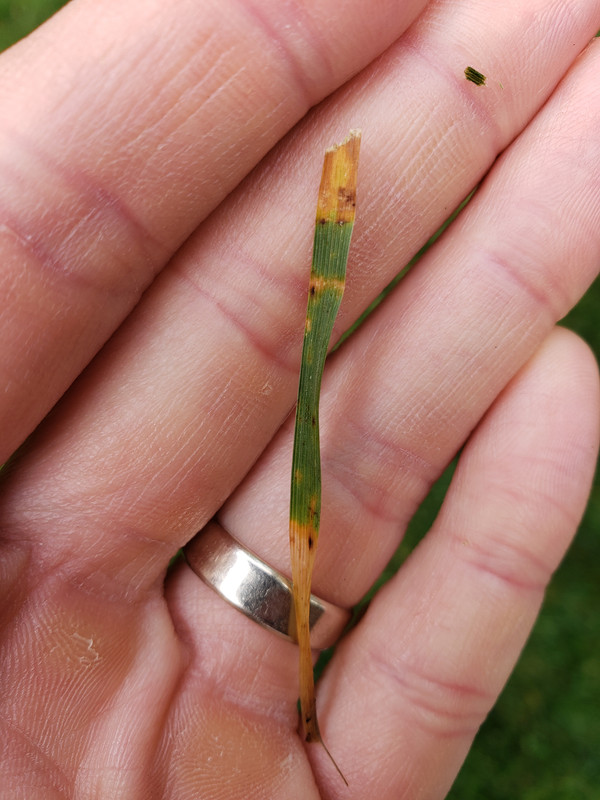
Too much nitrogen can indeed promote the growth of fungi, but the relationship between nitrogen levels and fungal proliferation is complex and affected by various factors. Specifically, excessive nitrogen can create an environment that is favorable for certain types of fungi, particularly in agricultural settings. This phenomenon is primarily due to the following reasons:
1. Nitrogen-rich environments: When nitrogen is abundant, it encourages the growth of nitrogen-loving fungi that can outcompete beneficial microorganisms. For instance, fungal pathogens often thrive in soils that are heavily fertilized with nitrogen, leading to plant diseases.
2. Altered soil composition: Elevated nitrogen levels can lead to changes in the soil’s chemical composition, which may favor fungal pathogens over beneficial soil organisms. The imbalance can disrupt the natural soil ecosystem, resulting in diminished plant health.
3. Stress factors: Plants receiving too much nitrogen are more susceptible to stress and diseases. Excessive nitrogen can induce lush growth, making plants more prone to fungal infections, as thick foliage can create a humid microclimate ideal for fungi.
4. Reduced competition: High nitrogen availability can lead to a reduction in competition among microbial life. Beneficial microbes that typically compete with pathogenic fungi may diminish, allowing fungal populations to grow with less resistance.
5. Nutrient imbalance: An abundance of nitrogen can create a nutrient imbalance in the soil, impairing the plants' ability to absorb other essential nutrients. This leads to weakened plants, making them more vulnerable to diseases, including fungal infections.
Effects of High Nitrogen on Plant Health
High levels of nitrogen can have a significant effect on plant health. While nitrogen is essential for growth, an excess can lead to several detrimental outcomes:
- Rapid Growth: Plants may exhibit lush, rapid growth that makes them prone to mechanical stress and diseases.
- Overcrowding: Dense plant growth can lead to poor air circulation, increasing humidity levels that favor fungal diseases.
- Nutrient Deficiency: Excess nitrogen can lead to deficiencies of other vital nutrients, resulting in weakened plant structures.
Relationship Between Nitrogen and Soil Microbial Communities
The balance of nitrogen in soil significantly influences microbial communities, which are crucial for healthy ecosystems. Elevated nitrogen levels can disrupt this balance:
- Pathogen Dominance: Fungal pathogens may become dominant over beneficial microbes in nitrogen-rich environments.
- Microbial Diversity: Excessive nitrogen can reduce the diversity of soil organisms, leading to a fragile ecosystem.
- Soil Structure: An imbalance of nitrogen can affect soil structure, leading to less aeration and increased moisture retention.
Preventing Fungal Diseases through Nitrogen Management
Proper management of nitrogen levels is critical in preventing fungal diseases in plants. Here are some strategies:
See also:
- Soil Testing: Regularly test soil to monitor nitrogen levels and adjust fertilization practices accordingly.
- Balanced Fertilization: Use balanced fertilizers that provide a mix of essential nutrients to avoid nitrogen overload.
- Crop Rotation: Implement crop rotation to enhance soil health and reduce the risk of fungal diseases.
Symptoms of Fungal Infections in Over-fertilized Plants
Identifying symptoms early is crucial to managing fungal infections effectively in over-fertilized plants. Look for:
- Yellowing Leaves: Leaves may turn yellow due to nutrient imbalances exacerbated by excess nitrogen.
- Wilting: Despite adequate watering, plants may wilt due to poor root health related to fungal damage.
- Fungal Growth: Visible signs of fungal growth, such as mold or mildew, can appear on leaves and stems.
Impact of Environmental Conditions on Fungal Growth
Environmental conditions play a vital role in whether excess nitrogen leads to fungal outbreaks:
- Humidity Levels: High humidity fosters fungal growth, especially in nitrogen-rich settings.
- Temperature: Warm temperatures can accelerate fungal growth, especially when coupled with excess nitrogen.
- Soil Drainage: Poor drainage can lead to waterlogged conditions, promoting fungal infections in plants with excessive nitrogen.
Can too much fertilizer cause mold?

Excessive use of fertilizer can indeed lead to conditions that promote mold growth. The key factors that contribute to mold growth are moisture, warmth, and organic matter. When fertilizers are applied in excess, they can enhance the nutrient levels in the soil, resulting in an overabundance of organic material that mold spores can feed on. Additionally, high levels of fertilizer can alter soil moisture retention, creating a damp environment where mold thrives.
Effects of Over-Fertilization on Soil Health
Over-fertilization can significantly impact soil health in various ways, leading to negative consequences for plant life, including:
- Soil Imbalance: Excessive fertilizers can disrupt the natural nutrient balance in soil, leading to toxicity.
- Microbial Activity: An overload of nutrients can stimulate excessive microbial activity which can further deplete soil quality.
- Reduced Aeration: High fertilizer levels can cause compacted soil, affecting root health and leading to moisture retention.
Connection Between Fertilizer and Moisture Retention
Fertilizers can have a profound effect on how soil retains moisture. When used excessively, they can create a thicker layer in the soil, which traps water rather than allowing it to drain. This condition can lead to:
- Waterlogged Soil: Saturated soil is an ideal environment for mold spores to thrive.
- Decreased Aeration: Excess moisture reduces oxygen availability for roots and beneficial soil organisms.
- Root Rot: Prolonged damp conditions can lead to root diseases, which further compromise plant health.
Signs of Mold Growth Due to Over-Fertilization
Identifying mold growth caused by excessive fertilizer use can prevent further damage to plants. Common signs include:
- Surface Mycelium: White, fuzzy growth on the soil surface indicates mold presence.
- Discoloration of Leaves: Yellowing leaves may signal mold-related root issues.
- Foul Odor: A characteristic musty smell suggests decay and mold activity in the soil.
Preventive Measures to Avoid Mold Growth
To mitigate the risk of mold from over-fertilization, several best practices can be adopted:
- Soil Testing: Regularly test soil to ensure proper nutrient levels are maintained.
- Appropriate Fertilizer Use: Apply fertilizers according to the specific needs of the plants.
- Improve Drainage: Ensure proper soil drainage to reduce moisture retention.
Impact of Environmental Conditions on Mold Growth
Environmental factors can greatly influence the likelihood of mold development in relation to fertilizer use. Key influences include:
- Humidity: High humidity levels can exacerbate mold growth, particularly in fertilized soils.
- Temperature: Warm conditions coupled with excess moisture create an ideal mold environment.
- Air Circulation: Poor airflow around plants can increase humidity and promote mold establishment.
Questions from Our Readers
Can too much fertilizer lead to fungal growth?
Too much fertilizer can indeed lead to fungal growth. When soil becomes overly enriched with nutrients, it can create a suitable environment for fungi to thrive, particularly if the soil moisture levels are also high. This excess of nutrients can stress plants, making them more susceptible to disease and encouraging fungal pathogens.
What types of fungi are commonly associated with over-fertilization?
Common fungi associated with over-fertilization include fusarium, phytophthora, and botrytis. These fungi can cause various plant diseases, particularly in conditions where the soil is nutrient-rich and poorly drained, creating ideal circumstances for fungal infections to occur.
How can I prevent fungus due to excessive fertilizer use?
To prevent fungus caused by excessive fertilizer use, it is vital to follow the recommended application rates for fertilizers and to monitor the nutrient levels in the soil regularly. Implementing a balanced fertilization schedule and ensuring proper drainage can significantly reduce the risk of fungal growth.
See also:
What are the symptoms of fungal infection in over-fertilized plants?
Symptoms of fungal infection in over-fertilized plants can include yellowing leaves, wilting, and mold growth on the soil surface or plant tissues. Additionally, you may notice root rot or other signs of decay, indicating that the plants are struggling due to excess nutrients and the associated fungal pathogens.

If you want to read more articles like Can Too Much Fertilizer Cause Fungus? Understanding the Impact on Your Plants, we recommend you check out our Fertilizer category.
Leave a Reply
Related Articles