Can I Apply Fungicide and Fertilizer the Same Day? Expert Tips and Recommendations

When it comes to maintaining a healthy garden or lawn, timing is everything. Many gardeners wonder whether they can apply fungicide and fertilizer on the same day without jeopardizing their plants' health. Understanding the interactions between these two treatments is crucial for optimizing growth and preventing disease. This article will explore expert tips and recommendations on the best practices for applying fungicides and fertilizers together. By addressing key factors such as product formulations, application methods, and plant needs, we aim to help you make informed decisions for a thriving and resilient landscape.
Can I Apply Fungicide and Fertilizer on the Same Day?
Applying fungicide and fertilizer on the same day is a topic that often raises questions among gardeners and farmers. In general, it is best to avoid applying both products simultaneously, as they can interact in ways that may reduce their effectiveness. Fungicides work to control pest-induced diseases by targeting fungal pathogens, while fertilizers provide essential nutrients to support plant growth. Applying them at the same time may lead to competing reactions in the soil or on the plant's surface, potentially interfering with the absorption of nutrients or the efficacy of the fungicide. Therefore, for optimal results, it is advisable to space out the applications, allowing sufficient time for each product to take effect.
Understanding Fungicides
Fungicides are chemicals designed to kill or inhibit the growth of fungal pathogens that can harm plants. They come in different forms, such as systemic and contact fungicides, each functioning in distinct ways. Systemic fungicides are absorbed by the plant and provide protection from within, while contact fungicides work only on the surface and need to be in contact with the fungus to be effective. It is crucial to apply fungicides correctly and at the right stage of plant health to prevent disease while ensuring that their effect is not reduced by simultaneous applications with fertilizers.
Role of Fertilizers
Fertilizers supply essential nutrients that support healthy plant growth, improving yields and overall vitality. These nutrients commonly include nitrogen, phosphorus, and potassium, along with secondary nutrients and micronutrients. Understanding the right type and amount of fertilizer is key for effective application. When fertilizers are applied, they enable plants to absorb nutrients more efficiently; however, if fungicides are also applied at this time, the ensuing interactions could lessen the fertilizer's benefits and hinder nutrient uptake.
Potential Interactions between Fungicides and Fertilizers
The interaction between fungicides and fertilizers can lead to various outcomes, including reduced effectiveness of either product. For instance, certain compounds in fertilizers can alter the pH levels in the soil, impacting the activity of fungicides and the overall soil health. Additionally, if both products are applied together, the active ingredients in the fungicide may bind to the nutrients in the fertilizer, diminishing their availability to the plants. Understanding these potential interactions is crucial to ensure optimal plant health and productivity.
Best Practices for Application Timing
When planning the application of fungicides and fertilizers, timing is vital. A common best practice is to apply fungicides when the disease risk is highest, and fertilizers should ideally be applied when the plants are actively growing and can utilize the nutrients effectively. Waiting a few days between applications can provide ample time for the fungicide to act without interference and ensure that the fertilizer does not hinder fungicidal activity, thus promoting a healthier growing environment.
Monitoring Plant Health After Application
After applying fungicides and fertilizers, monitoring plant health is essential to evaluate the effectiveness of the treatments. Signs of successful application include improved growth, vibrant foliage, and reduced disease symptoms. If plants show continued signs of distress despite treatment, it may indicate that the applications were not synchronized correctly or that environmental conditions have hampered their effectiveness. Continuous monitoring will help to adjust future management practices to optimize plant health and productivity.
| Product | Function | Application Timing |
|---|---|---|
| Fungicide | Controls fungal diseases | Before disease onset or at first signs |
| Fertilizer | Provides essential nutrients | During active growth phases |
Can you lay fertilizer and pesticide at the same time?
The short answer is generally no, it is not recommended to apply fertilizers and pesticides simultaneously, as their chemical compositions and functions can affect each other. Here are some detailed explanations and considerations regarding this practice.
Understanding Fertilizers and Pesticides
Fertilizers are substances that provide essential nutrients to plants, usually in forms like nitrogen, phosphorus, and potassium. Pesticides, on the other hand, are chemicals used to control pests, including insects, weeds, and fungi. The interaction of these two products can alter their effectiveness and can also lead to potential harm to the environment.
- Fertilizer Composition: Fertilizers generally contain macronutrients and micronutrients essential for plant growth.
- Pesticide Function: Pesticides are designed to kill or repel specific pests but can be harmful to beneficial insects.
- Compatibility Issues: The active ingredients in both products may interact, leading to reduced effectiveness.
Timing of Application
To maximize the effectiveness of both fertilizers and pesticides, timing their applications is crucial. Ideally, these should be spaced out to allow one product to work effectively before the other is applied.
See also:
- Fertilizer Application Timing: Fertilizers should ideally be applied when the plants are actively growing.
- Pesticide Application Timing: Pesticides should be applied according to the pest's life cycle for maximum impact.
- Environmental Factors: Weather conditions such as wind, rain, and temperature can affect application success.
Effects on Plants
Applying both products at the same time can potentially stress plants and limit nutrient absorption due to chemical interactions. It can also lead to phytotoxicity, which is when a plant suffers from toxic effects from a chemical substance.
- Nutrient Uptake: Plants need specific nutrients at certain stages, and simultaneous application can disrupt this.
- Phytotoxicity Risks: The combination can lead to leaf burn or other adverse effects on plant health.
- Pest Resistance: Inappropriate timing may encourage pests to develop resistance.
Best Practices for Application
To ensure optimal plant health and pest control, establish a best practice schedule for applying fertilizers and pesticides separately. This not only helps in maximizing their effectiveness but also reduces the risk of harm.
- Soil Testing: Conduct soil tests to determine nutrient needs before applying fertilizers.
- Follow Instructions: Always read and follow label instructions for both fertilizers and pesticides.
- Use Integrated Pest Management: Combine cultural, biological, and chemical control methods for better results.
Environmental Considerations
Applying fertilizers and pesticides together can lead to runoff and contamination of water sources, affecting aquatic ecosystems and human health. Environmental stewardship is necessary when handling these chemicals to reduce potential risks.
- Runoff Prevention: Follow local regulations regarding the use of chemicals near water bodies.
- Soil Health: Healthy soil reduces the need for chemical inputs and increases resistance to pests.
- Pollinator Protection: Avoid applying pesticides during blooming periods to protect beneficial insects.
What time of day should you apply fungicide?
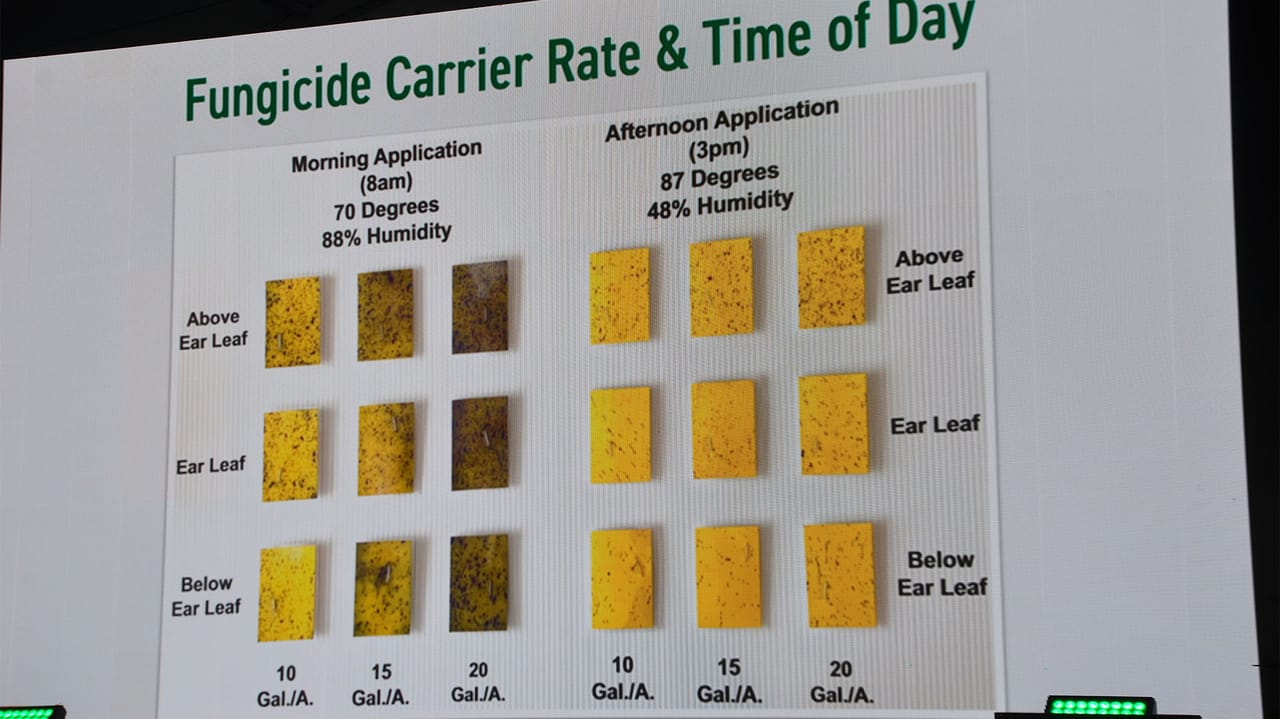
When it comes to applying fungicide, timing is a crucial factor to ensure its effectiveness. The best time of day to apply fungicides typically depends on environmental conditions, plant health, and the specific product being used. Generally, early morning or late afternoon are preferred times.
During these times, temperatures are usually cooler, and humidity levels are higher, which can enhance the adhesion and absorption of the fungicide on the plant surface. Additionally, applying fungicides in the morning allows the plants to dry throughout the day, reducing the risk of disease caused by prolonged moisture on the leaves.
Optimal Morning Application
Applying fungicide in the morning is often recommended because:
- Temperatures are generally cooler, reducing stress on the plants.
- Higher humidity levels in the morning can improve the effectiveness of the fungicide.
- Foliage can dry throughout the day, helping to prevent fungal growth.
Evening Application Considerations
Late afternoon to evening applications can also be effective, especially because:
- The temperatures begin to drop, minimizing plant stress.
- All-day moisture can reduce evaporation of the product, potentially increasing effectiveness.
- It allows for a longer period before the next potential rain or morning dew.
Impact of Weather Conditions
Weather plays a significant role in determining the best application time. Considerations include:
- Clear skies and low wind speeds improve spray coverage.
- Avoid applications before expected rainfall to prevent wash-off.
- High humidity can increase efficacy, so consider the forecast carefully.
Product Specific Recommendations
Always refer to the specific product label for fungicide recommendations, because:
- Some products are designed for day application while others may suggest evening use.
- Active ingredients may vary in effectiveness based on time of application.
- Proper adherence to label instructions can ensure both safety and effectiveness.
Plant Health and Type
Different plants and their health conditions may dictate when fungicides should be applied. Take into account:
See also:
- Some plants may be more susceptible to diseases at certain times of the day.
- Weaker plants may need treatment applied at times of lower stress.
- Monitor the health of your plants and adjust the timing accordingly.
Can you use disease ex and fertilizer together?
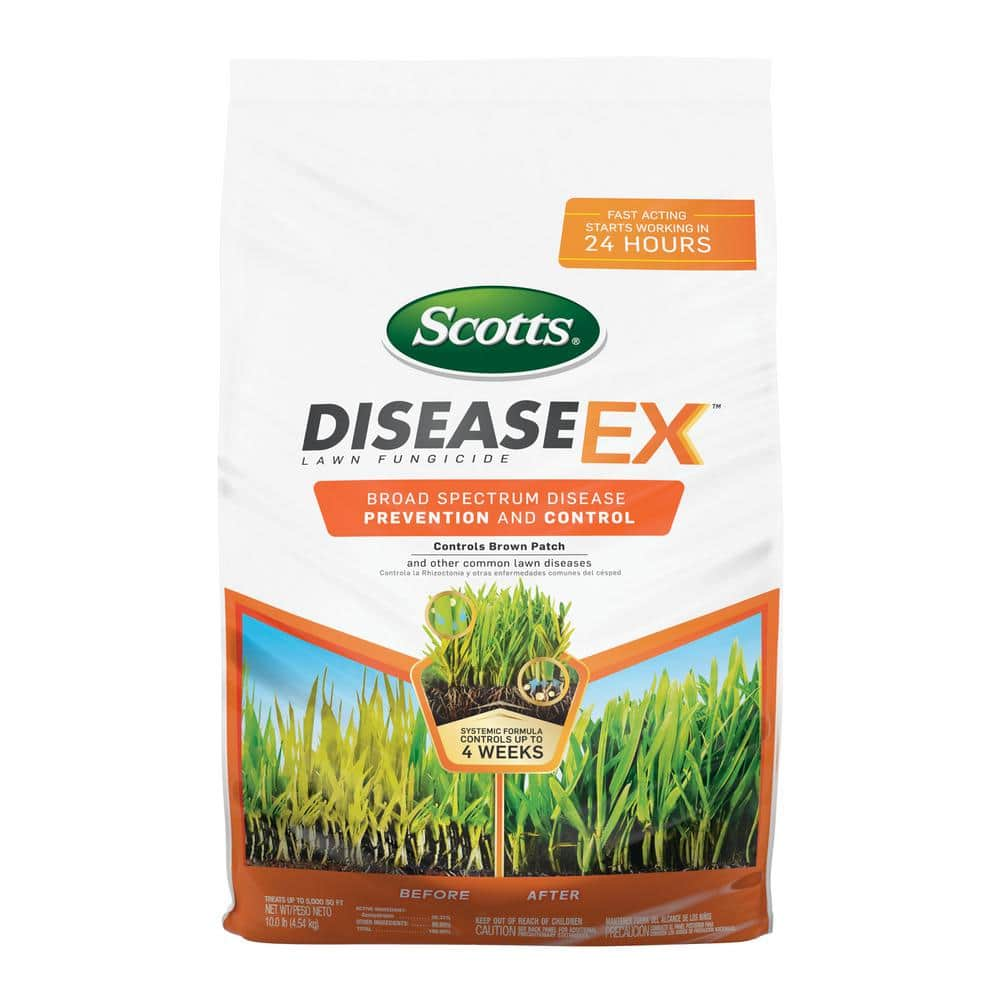
Using disease ex and fertilizer together can be a complex process, and whether it is advisable depends on several factors, including the type of fertilizer, the specific disease ex product, and the plants involved. Here are detailed considerations:
Compatibility of Disease Ex and Fertilizers
The compatibility of disease ex and fertilizer varies significantly based on their chemical compositions. Some fertilizers may enhance the efficacy of disease control products, while others could compromise their effectiveness.
- Nutrient Interaction: Certain nutrients in fertilizers may interact with the active ingredients in disease ex products, potentially altering their effectiveness.
- pH Levels: The pH level of the soil can change when fertilizers are applied, which may affect the solubility and activity of disease control agents.
- Application Timing: It is crucial to time the application of both products correctly to minimize adverse effects and maximize benefits.
Effects on Plant Health
When using disease ex and fertilizer together, plant health could benefit through enhanced growth and disease resistance if applied appropriately. However, misapplication can lead to stress and damage.
- Health Improvement: Adequate nutrition from fertilizers can bolster plant health, making them more resilient against diseases.
- Signal Activation: Some fertilizers can trigger plant defense mechanisms that may work in conjunction with disease ex applications.
- Stress Response: Over-fertilizing can cause stress, making plants more susceptible to diseases, particularly if combined with active disease control.
Recommended Application Practices
To effectively use disease ex and fertilizer together, specific application practices should be followed. Adhering to best practices can achieve optimal outcomes for plant health and disease management.
- Read Labels: Always check the product labels for any specific instructions or compatibility notes from the manufacturers.
- Perform Soil Tests: Conduct soil tests to understand nutrient levels and pH, ensuring balanced use of fertilizers without negative interaction.
- Observe Application Rates: Follow recommended application rates for both products to avoid excessive nutrient or chemical buildup.
Potential Risks and Considerations
Utilizing disease ex and fertilizer simultaneously can come with risks, including potential phytotoxicity or reduced disease control. Awareness of these risks is vital for effective management.
- Phytotoxicity Risks: Combining certain fertilizers with disease ex can sometimes cause physical damage to plants, particularly if high concentrations are used.
- Pest Attraction: Excessive fertilizer use can attract pests that may harm plants, counteracting the benefits of disease control measures.
- Environmental Impact: The runoff from fertilized areas can contribute to environmental issues, highlighting the importance of responsible use.
Expert Recommendations
Consulting with agricultural experts or extension services can provide valuable insights into the best approaches for using disease ex and fertilizer together effectively.
- Professional Guidance: Engaging with agronomists or local extension service professionals can offer tailored advice based on local conditions.
- Research-Based Practices: Follow best practices and recommendations grounded in scientific research for effective disease management and fertilization.
- Continuous Monitoring: Monitor your plants' health and growth regularly after applications to identify any issues early on.
Questions from Our Readers
Can I apply fungicide and fertilizer the same day?
Applying fungicide and fertilizer on the same day is generally not recommended, as the interaction between these products can affect their effectiveness. It’s often advisable to wait at least 24 hours between applications to ensure that the fungicide has had sufficient time to work.
What should I consider before applying fungicide and fertilizer together?
Before applying fungicide and fertilizer together, consider checking the product labels for any specific instructions or recommendations. Additionally, understand that applying both products at once may lead to possible chemical interactions that could reduce their effectiveness or cause damage to your plants.
What are the potential risks of applying fungicide and fertilizer at the same time?
The potential risks of applying fungicide and fertilizer at the same time include reduced efficacy of one or both products, which could lead to ineffective disease control or nutrient deficiency in your plants. Moreover, certain chemical compounds may react negatively, causing plant stress or damage.
Is it better to space out these applications?
Yes, it is often better to space out the applications of fungicide and fertilizer to maximize their effectiveness. By allowing a gap of at least 24 hours, you ensure that the fungicide can adhere and function properly without interference from the fertilizer.
See also:

If you want to read more articles like Can I Apply Fungicide and Fertilizer the Same Day? Expert Tips and Recommendations, we recommend you check out our Fertilizer category.
Leave a Reply
Related Articles