Do Daylilies Like Chicken Manure? Discover the Best Fertilizer for Vibrant Blooms!

Daylilies are beloved for their stunning blooms and resilience in various garden conditions. As a gardener, understanding the nutritional needs of these vibrant flowers is essential for achieving a flourishing garden. One common question among plant enthusiasts is whether chicken manure is beneficial for daylilies. This organic fertilizer is rich in nitrogen, making it a popular choice for many gardeners. In this article, we will explore the effectiveness of chicken manure as a fertilizer for daylilies, compare it with other options, and provide tips on how to nurture these beautiful plants for a spectacular display.
Do Daylilies Benefit from Chicken Manure?
Daylilies, known for their hardiness and vibrant blooms, can indeed thrive with the use of chicken manure as a fertilizer. Rich in nitrogen and other essential nutrients, chicken manure provides daylilies with the necessary elements for growth, enhancing their overall vigor and promoting more abundant flowering. However, it is crucial to use it carefully; fresh chicken manure can be too strong and may cause root burn if applied directly. Therefore, it's best to compost the manure for several months before application, allowing beneficial microorganisms to break down the material and make nutrients more accessible to the plants.
Benefits of Using Chicken Manure
Chicken manure offers numerous benefits for daylilies, primarily due to its high content of nitrogen, phosphorus, and potassium. These nutrients are vital for plant health, promoting robust growth, lush foliage, and vibrant blooms. Additionally, chicken manure improves soil structure, enhancing its ability to retain moisture and provide a conducive environment for daylily roots. When applied correctly, it can lead to healthier plants and more prolific flowering seasons.
How to Apply Chicken Manure to Daylilies
The application of chicken manure should be done with care to avoid potential damage to the daylilies. It is advisable to compost the manure for at least three to six months before use, as this process reduces the risk of pathogen presence and nutrient concentration. When applying, spread the composted chicken manure evenly around the base of the plants, maintaining a distance from the stems to prevent burn. Incorporating it into the soil or laying it down as a topdressing can facilitate nutrient absorption.
Best Practices for Fertilization
To optimize the growth and blooming of daylilies, it is essential to follow best practices for fertilization. Applying chicken manure in early spring, as the daylilies emerge from dormancy, helps to provide them with a nutrient boost at a critical growth stage. Additionally, monitoring soil pH and ensuring it remains between 6.0 and 6.8 can enhance nutrient uptake. Regularly testing the soil can help determine if additional amendments are necessary to maintain healthy daylilies.
Potential Risks of Chicken Manure
While chicken manure is highly beneficial, there are potential risks associated with its use. Fresh manure may contain pathogens that can harm plants if not properly composted. Additionally, using too much can lead to an excessive buildup of nitrogen, which may cause damage to the daylilies and lead to poor growth or reduced flowering. It's essential to follow application guidelines and use moderation to mitigate these risks effectively.
Comparing Chicken Manure to Other Fertilizers
Chicken manure is often compared to other organic fertilizers, such as cow manure or composted plant material. Among these, chicken manure typically has a higher nutrient density, making it more effective for rapid plant growth. However, it can also be more concentrated, which necessitates careful application to prevent burning plants. In contrast, cow manure is lower in nitrogen and may require larger amounts to achieve similar results, while composted plant material may provide a more balanced nutrient profile over a longer period.
| Type of Fertilizer | Nutrient Content | Best Application Method |
|---|---|---|
| Chicken Manure | High in nitrogen, phosphorus, potassium | Composted, applied as topdressing |
| Cow Manure | Lower in nitrogen | Well-aged, mixed into soil |
| Composted Plant Material | Balanced nutrient profile | Mixed into soil, slow release |
What is the best fertilizer for daylilies?
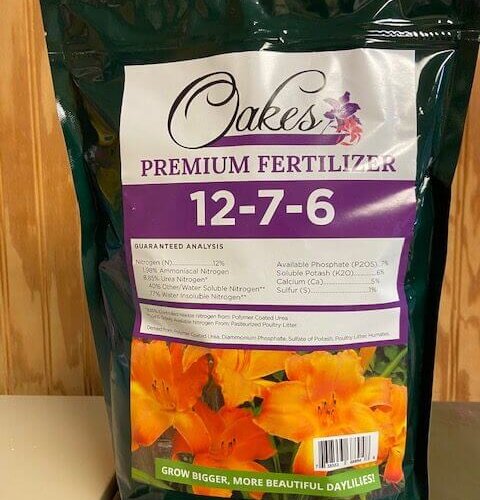
The best fertilizer for daylilies is one that meets their specific nutritional needs, enhancing their growth, flowering, and overall health. Daylilies thrive on a balanced fertilizer that includes essential macro and micronutrients. Typically, a slow-release fertilizer with an N-P-K ratio of 10-10-10 or 5-10-5 is recommended. It's advantageous to apply fertilizer in early spring as the plants begin to grow, ensuring they have the nutrients necessary for robust blooms.
Understanding N-P-K Ratios
The N-P-K ratio on fertilizer bags indicates the relative percentages of nitrogen (N), phosphorus (P), and potassium (K).
- Nitrogen promotes leafy growth, which is essential during the early stages of growth.
- Phosphorus is crucial for root development and flowering, helping daylilies produce vibrant blooms.
- Potassium aids in overall plant health, improving disease resistance and stress tolerance.
Types of Fertilizers Suitable for Daylilies
Several types of fertilizers can effectively support daylily growth.
- Granular Fertilizers: Easy to apply and lasting; provide nutrients over time.
- Liquid Fertilizers: Quick to absorb, offering an immediate nutrient boost for fast growth during the growing season.
- Organic Fertilizers: Such as compost or well-rotted manure, improve soil health and provide a steady nutrient release.
Application Frequency
For optimal results, it's essential to consider how often to apply fertilizer.
- Early Spring: Apply a balanced fertilizer as the plants begin to emerge.
- Mid-Summer: A second application can help sustain growth during peak blooming.
- Fall: Avoid fertilizing in late fall, as it can encourage new growth that may not harden off before winter.
Soil Testing for Nutrient Needs
Before selecting a fertilizer, conducting a soil test can provide valuable information.
See also:
- pH Levels: Ideal pH for daylilies is between 6.0 and 6.8; soil amendments may be necessary.
- Nutrient Levels: Tests can reveal deficiencies in nitrogen, phosphorus, or potassium.
- Soil Type: Understanding if your soil is sandy, loamy, or clay can influence your fertilizer choice.
Signs of Nutrient Deficiency in Daylilies
Monitoring daylilies for signs of nutrient deficiencies can help determine when to fertilize.
- Stunted Growth: Slow growth may indicate insufficient nitrogen.
- Poor Flowering: A lack of vibrant blooms can suggest inadequate phosphorus.
- Yellowing Leaves: Yellow foliage might signal a need for more potassium or overall nutrient imbalances.
What plants do not like chicken manure?

Chicken manure is a popular organic fertilizer due to its high nutrient content. However, not all plants thrive with chicken manure, and using it improperly can lead to poor growth or even damage. Here are some plants that typically do not respond well to chicken manure.
1. Sensitive Leafy Greens
Sensitive leafy greens, such as spinach and lettuce, may suffer when exposed to chicken manure due to its high nitrogen levels, which can cause burning if not composted properly. These plants may experience stunted growth or a bitter taste if the manure is applied too fresh.
- Spinach: Prefers balanced fertilization, too much nitrogen can promote leafy growth but can also lead to poor taste.
- Lettuce: High nitrogen can result in bitter flavors and quick bolting.
- Kale: Sensitive to excess nutrients; over-fertilization can make it harsh.
2. Root Vegetables
Certain root vegetables like carrots, beets, and radishes do not respond well to chicken manure because excessive nitrogen can stunt root development, leading to poor yields. The fertilizer could cause the roots to become deformed or overly fibrous.
- Carrots: High nitrogen can result in forked or weirdly shaped carrots.
- Beets: Too much nitrogen can lead to leafy growth at the expense of bulb development.
- Radishes: Can grow too quickly, becoming pithy and less flavorful.
3. Herbs
Some herbs, such as basil, cilantro, and parsley, are particularly sensitive to high nutrient levels found in chicken manure. These plants often prefer leaner soils for optimal flavor and overall health.
- Basil: Intolerant to nutrient overload; may lead to bitter flavors.
- Cilantro: Prefers moderate feeding; too much nitrogen can lead to rapid bolting.
- Parsley: Sensitive to excess nutrients, leading to poor growth and flavor.
4. Acid-Loving Plants
Certain acid-loving plants like blueberries, cranberries, and camellias prefer acidic soil conditions. Chicken manure can neutralize the soil pH, making it less suitable for these plants.
- Blueberries: Require acidic soils; chicken manure can raise pH, causing nutrient deficiencies.
- Cranberries: Thrive in acidic environments; too much nitrogen can alter growth patterns.
- Camellias: Prefer lower pH; nutrients from chicken manure can harm their health.
5. Flowers with Delicate Roots
Some flowering plants with delicate root systems, including impatiens, petunias, and fuchsia, may be harmed by the heat generated during the decomposition of chicken manure or the excess nitrogen it provides.
- Impatiens: Can suffer from root burn due to high nitrogen content.
- Petunias: May develop a fungal disease if over-fertilized with chicken manure.
- Fuchsia: Delicate roots can be damaged by too much organic matter and nitrogen.
What plants benefit most from chicken manure?

Chicken manure is a highly beneficial organic fertilizer that provides essential nutrients for various plants. Its high nitrogen content and rich supply of phosphorus and potassium make it particularly advantageous for specific crops. The plants that benefit most from chicken manure include:
1. Vegetables - Many vegetables thrive on the nutrient profile of chicken manure, especially those that are heavy feeders. The rich nitrogen content promotes leafy green growth and overall vigor.
2. Fruiting Plants - Plants like tomatoes and peppers benefit significantly from chicken manure, as it supports both foliage growth and fruit production due to its well-rounded nutrient mix.
3. Herbs - Culinary herbs such as basil, parsley, and cilantro can enhance their flavor and growth through the application of chicken manure.
4. Flowering Plants - Many flowering annuals and perennials respond well when given chicken manure, providing vibrant blooms and healthy growth.
5. Grass and Lawn - Chicken manure also works effectively as a natural grass fertilizer, helping to establish a lush and green lawn.
1. Nutrient-Rich Vegetables
Many nitrogen-hungry vegetables benefit greatly from chicken manure. The nutrient composition enhances root development and foliage growth.
- Spinach - Thrives with increased nitrogen levels, leading to lush leaves.
- Lettuce - Experiences rapid growth, ensuring a continuous harvest.
- Broccoli - Gains enhanced vigor and yield when treated with chicken manure.
2. Fruiting Plants Supply
Fruiting plants like tomatoes and squash not only benefit from chicken manure's nitrogen but also from its balanced mix of phosphorus and potassium, key elements for fruit production.
See also:
- Tomatoes - Show increased fruit size and sweetness.
- Peppers - Develop healthier plants with more abundant fruits.
- Cucumbers - Exhibit better climbing and fruiting capabilities.
3. Flavorful Culinary Herbs
Culinary herbs benefit from the nutrients provided by chicken manure, which can help improve both growth rates and flavor profiles.
- Basil - Has more vigorous growth and a more intense flavor.
- Cilantro - Thrives in nutrient-rich conditions, producing lusher leaves.
- Parsley - Grows faster and more robustly with chicken manure application.
4. Thriving Flowering Plants
Flowering plants often require additional nutrients to support their growth and blooming cycles. Chicken manure can enhance their aesthetic appeal.
- Marigolds - Grow with richer color and more flowers.
- Petunias - Bloom more profusely, attracting more pollinators.
- Roses - Benefits from the steady nutrient release, leading to healthier blooms.
5. Lush Lawns with Chicken Manure
Using chicken manure as a natural lawn fertilizer can produce a vibrant lawn, rich in color and texture.
- Cool-season grasses - Experience rapid growth and thickening.
- Warm-season grasses - Benefit from improved drought resistance following applications.
- Sod establishment - Improves rooting and establishment for new lawns.
How do I keep my daylilies blooming all summer?

To keep your daylilies blooming all summer, there are several practices and care tips you can follow. Daylilies are resilient perennials known for their vibrant blooms, but they require proper care to ensure they continue flowering throughout the warmer months. Here are some key strategies to maintain the flowering of your daylilies:
Proper Watering Techniques
Watering is essential for keeping your daylilies healthy and blooming. Here are some important tips:
- Consistent Watering: Ensure that your daylilies receive around 1 inch of water per week, either through rainfall or irrigation.
- Deep Watering: Water deeply rather than frequently; this encourages deeper root growth and helps the plant withstand heat.
- Moisture Monitoring: Check the soil moisture by sticking your finger into the ground; if it’s dry a couple of inches down, it’s time to water.
Fertilizing Schedule
Fertilizing your daylilies appropriately is crucial for encouraging blooming. Follow these best practices:
- Balanced Fertilizer: Use a balanced, slow-release fertilizer in early spring and again in mid-summer to support healthy growth and blooming.
- Organic Options: Consider organic fertilizers like compost or well-rotted manure, which provide essential nutrients.
- Application Rates: Follow manufacturer instructions for application rates to avoid over-fertilizing, which can harm the plants.
Pest and Disease Management
Keeping pests and diseases at bay is vital to ensure continuous blooming. Implement these strategies:
- Regular Inspection: Check your daylilies weekly for pests such as aphids and spider mites.
- Organic Pesticides: If pests are detected, use organic pest control methods like insecticidal soap or neem oil.
- Disease Prevention: Ensure proper air circulation around plants and avoid overhead watering to reduce fungal diseases.
Deadheading and Maintenance
Regular maintenance practices like deadheading can significantly extend the blooming period of daylilies:
- Deadheading: Remove spent flowers promptly to prevent the plant from diverting energy into seed formation.
- Pruning: Cut back any yellow or brown foliage to encourage new growth and keep the plant looking tidy.
- Dividing Clumps: Divide overcrowded clumps every 3-4 years in the fall to rejuvenate the plant and promote more blooms.
Choosing the Right Varieties
Selecting the right varieties of daylilies can also impact your success in keeping them blooming all summer:
- Extended Bloomers: Look for daylily cultivars known for their extended blooming periods, such as the reblooming varieties.
- Color Selection: Choose a mix of colors and bloom times to create a continuous display throughout the summer.
- Local Adaptation: Select varieties that are well-suited for your local climate and soil conditions for optimal growth.
Questions from Our Readers
Do daylilies like chicken manure?
Daylilies generally thrive when given organic matter, and chicken manure can be a beneficial addition. It provides essential nutrients that help promote healthy growth and vibrant blooms. However, it's important to use it in moderation to avoid potential burning of the plants due to its high nitrogen content.
How should chicken manure be applied to daylilies?
When applying chicken manure to your daylilies, it is advisable to compost it first. Well-composted manure reduces the risk of nutrient burn and provides a balanced nutrient release. Spread it evenly around the base of the plants while keeping it away from the stems to prevent root damage.
When is the best time to fertilize daylilies with chicken manure?
The optimal time to fertilize daylilies with chicken manure is in the spring, just as new growth begins. This timing ensures that the plants receive the necessary nutrients for development and flowering, giving them a robust start for the growing season.
See also:
Can chicken manure affect the blooming of daylilies?
Yes, using chicken manure can significantly enhance the blooming of daylilies. The nutrients in the manure, especially nitrogen, promote lush foliage and abundant flowers, contributing to a more vibrant garden display when applied correctly.

If you want to read more articles like Do Daylilies Like Chicken Manure? Discover the Best Fertilizer for Vibrant Blooms!, we recommend you check out our Fertilizer category.
Leave a Reply
Related Articles