What are the Disadvantages of Banana Peels as Fertilizer? A Comprehensive Analysis
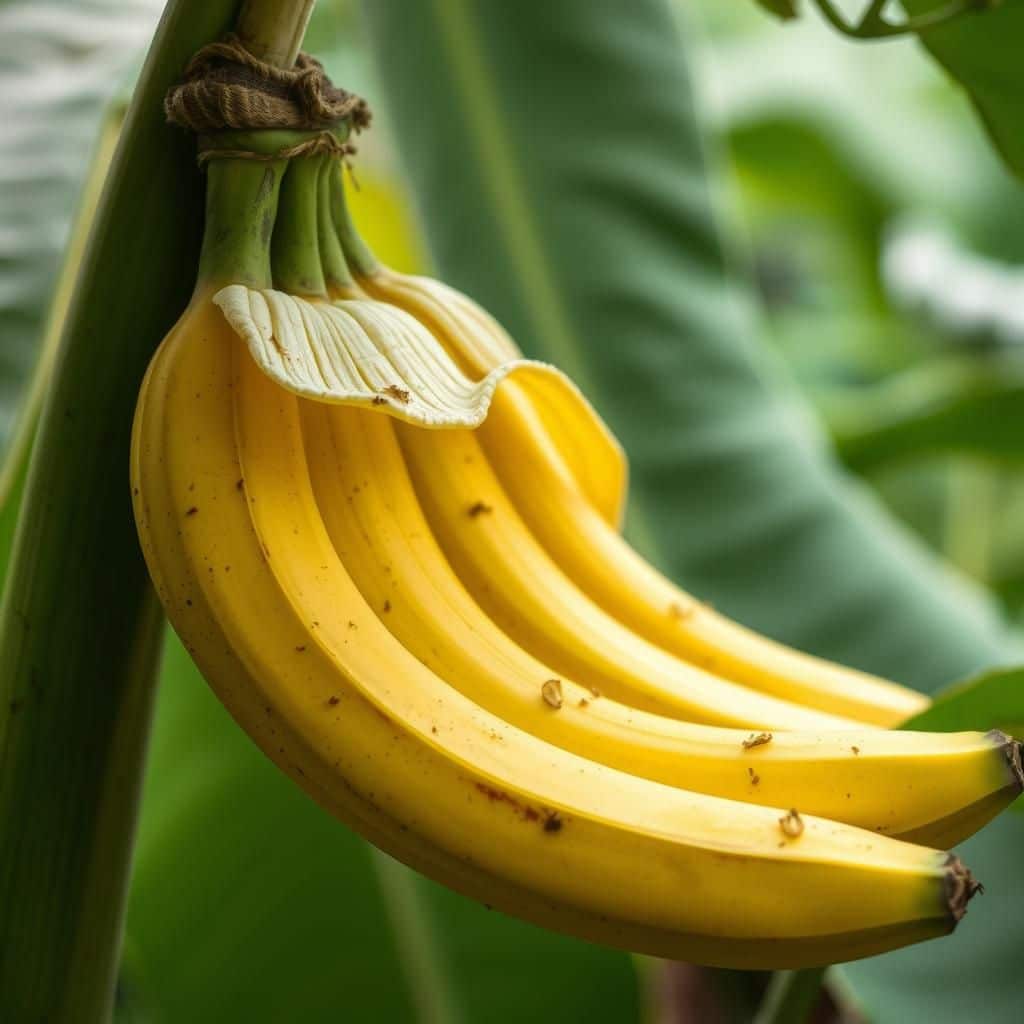
Banana peels are often touted as an organic fertilizer, rich in potassium and other nutrients beneficial for plant growth. However, despite their popularity, there are several disadvantages to using banana peels as fertilizer that warrant a closer examination. This comprehensive analysis aims to explore the potential drawbacks, including issues related to nutrient imbalance, pest attraction, and the effectiveness of decomposition. By understanding these limitations, gardeners and farmers can make more informed decisions about integrating banana peels into their soil management practices. This article will delve into the scientific and practical aspects to provide a balanced perspective on this commonly used organic material.
Disadvantages of Using Banana Peels as Fertilizer
While banana peels are often praised for their nutrient content, there are several disadvantages associated with using them as fertilizer. One significant concern is their decomposition rate, which can lead to issues such as attracting pests or generating unpleasant odors in the garden as they break down. Moreover, the nutrient balance provided by banana peels may not meet the specific needs of some plants, as they primarily offer potassium and not a complete range of essential nutrients. Their high sugar content can also contribute to soil imbalances if used excessively, promoting the growth of undesirable microorganisms. Furthermore, banana peels may not be easily accessible or practical for large-scale agricultural practices, limiting their effectiveness as a viable fertilizer option.
Pest Attraction
One of the notable disadvantages of using banana peels as fertilizer is their ability to attract pests. The sugars and other organic compounds in the peels can lure insects, such as the fruit fly, and rodents that may cause damage to the plants or disrupt the garden ecosystem. This attraction can lead to higher pest populations, requiring gardeners to implement additional pest management strategies.
Nutrient Imbalance
Banana peels are primarily known for their potassium content, but relying solely on them as a fertilizer can create a nutrient imbalance in the soil. While potassium is essential for plant growth, many plants also require nitrogen, phosphorus, and other micronutrients to thrive. An over-reliance on banana peels may lead to deficiencies in these other critical nutrients, ultimately hindering plant development and productivity.
Slower Decomposition
The decomposition rate of banana peels can be slower compared to other organic materials. This slow breakdown can lead to potential problems, such as the release of odors and the attraction of pests, as they sit in the garden. Additionally, the delayed release of nutrients means that plants may not receive the necessary minerals in a timely manner, reducing the immediate benefits that fertilizers are supposed to offer.
Risk of Mold Growth
Another disadvantage is the risk of mold growth associated with banana peels when they are used as fertilizer. As the peels decompose, they create a moist environment that can foster the development of harmful molds and fungi. These molds can not only affect the peels themselves but can also spread to the surrounding soil and plants, potentially leading to plant diseases or other health issues in the garden.
See also:
Accessibility and Volume Challenges
Finally, the accessibility and volume of banana peels can pose challenges for their use as fertilizer, especially in large-scale agricultural settings. Collecting sufficient quantities of banana peels for effective use can be impractical for farmers, especially those without easy access to banana production areas. This limitation can render banana peels a more suitable option for home gardeners rather than for widespread agricultural use.
| Disadvantage | Description |
|---|---|
| Pest Attraction | Attracts insects and rodents due to sugar content. |
| Nutrient Imbalance | Primarily provides potassium, lacking other essential nutrients. |
| Slower Decomposition | Breaks down slowly, leading to odor issues and delayed nutrient release. |
| Risk of Mold Growth | Creates a moist environment conducive to mold and fungal diseases. |
| Accessibility Challenges | Difficult to collect in sufficient volumes for larger operations. |
Are banana peels bad for soil?

Banana peels are often considered beneficial for soil rather than harmful. They contain a variety of nutrients, including potassium, phosphorus, and calcium, which can improve soil health and support plant growth. When banana peels decompose, they release these nutrients gradually, enriching the soil. However, there are some considerations to keep in mind when using banana peels in gardening or composting.
Benefits of Banana Peels for Soil
The use of banana peels in soil introduces several advantages.
- Nutrient Content: Banana peels are rich in essential nutrients. They contain a considerable amount of potassium, which aids plant growth and flowering.
- Soil Structure Improvement: As they decompose, banana peels contribute organic matter to the soil, improving its structure and aeration.
- Fungal Resistance: The presence of some compounds in banana peels can help combat harmful fungi in the soil, promoting healthier plant growth.
Potential Drawbacks of Using Banana Peels
While banana peels have many benefits, there are potential drawbacks to consider when incorporating them into your soil.
- Pest Attraction: Decomposing peels may attract pests and rodents, which could potentially harm plants or create an imbalance in the garden ecosystem.
- Pathogen Risk: There is a small chance that banana peels may carry pathogens that could affect your soil or plants if not adequately composted beforehand.
- Overloading Nutrients: If too many banana peels are added to the soil, they might create an imbalance of nutrients, potentially harming sensitive plants.
How to Properly Use Banana Peels in Gardening
To maximize the benefits of banana peels while minimizing potential issues, proper usage techniques are essential.
See also:
- Composting: It's best to compost banana peels before adding them to the soil. This process will help kill pathogens and balance nutrient levels.
- Chopping Peels: Chopping banana peels into small pieces can speed up decomposition, allowing nutrients to be released more quickly into the soil.
- Mixing with Other Organic Materials: Combining banana peels with other compostable materials will enhance nutrient availability and reduce the risk of attracting pests.
Alternative Uses for Banana Peels
In addition to enriching soil, banana peels can have various other applications in gardening.
- Natural Fertilizer: Dry and grind banana peels into a powder to use as a natural fertilizer for your plants.
- Pest Repellent: Some gardeners find that placing peels near plants can deter pests like aphids and mites.
- Mulch Material: Banana peels can serve as mulch, helping retain moisture in the soil while providing nutrients as they break down.
Comparing Banana Peels with Other Organic Materials
Understanding how banana peels stack up against other organic materials can offer insights into their suitability for soil improvement.
- Fruit Scraps: Like banana peels, other fruit scraps also provide nutrients, but they may differ in their nutrient composition.
- Vegetable Peels: Vegetable peels can be more fibrous than banana peels and may take longer to decompose, affecting nutrient release rates.
- Grass Clippings: Grass clippings decompose quickly and offer nitrogen, whereas banana peels provide a mix of potassium and phosphorus.
Questions from Our Readers
What are the main drawbacks of using banana peels as fertilizer?
Using banana peels as fertilizer has its drawbacks, including the fact that they can attract pests such as fruit flies and other insects. When left on the surface of the soil, decomposition can take a while, which means the nutrients might not be immediately available to plants. Additionally, the peels may contain pesticides, if not sourced from organic bananas, potentially harming the soil health.
Do banana peels provide a balanced nutrient profile for plants?
While banana peels are rich in potassium and phosphorus, they are low in nitrogen, which is crucial for plant growth. This can lead to nutrient imbalances in the soil, affecting overall plant health and development. Relying solely on banana peels without additional nitrogen sources may not support optimal growth.
Can using banana peels lead to soil contamination?
There is a risk that banana peels may contribute to soil contamination, especially if they were sourced from non-organic bananas that may have been treated with chemicals. If pesticides or herbicides are present on the peels, they can potentially leach into the soil, affecting both the plants and the broader ecosystem over time.
Are there better alternatives to banana peels for fertilizing plants?
Yes, there are several better alternatives to banana peels for fertilizing plants, such as composting a variety of organic matter like kitchen scraps, grass clippings, and leaves. These alternatives often provide a more comprehensive nutrient profile and can enhance soil health more effectively than relying solely on banana peels.
See also:

If you want to read more articles like What are the Disadvantages of Banana Peels as Fertilizer? A Comprehensive Analysis, we recommend you check out our Fertilizer category.
Leave a Reply
Related Articles