What is a Good Substitute for Fungicide? Discover Effective Alternatives for Your Garden

In the quest for a healthy garden, fungicides often come to mind as a go-to solution for tackling fungal infections. However, concerns about chemical residues and environmental impacts have led many gardeners to seek out natural alternatives. This article explores effective substitutes for traditional fungicides, highlighting eco-friendly options that can safeguard your plants without the harsh effects of synthetic chemicals. From household ingredients to natural remedies, we will delve into various strategies that not only protect your garden but also promote a sustainable approach to gardening. Discover how you can maintain a thriving garden while aligning with environmentally conscious practices.
What are Effective Natural Alternatives to Fungicides?
Many gardeners and farmers are looking for successful substitutes for traditional fungicides that can minimize chemical exposure while still protecting their plants from fungal diseases. One effective approach is using natural alternatives such as baking soda, which can help to create an unfavorable environment for fungi, or garlic and cinnamon, both known for their anti-fungal properties. Additionally, compost tea is popular among organic growers for its ability to promote healthy plant growth and improve soil organisms that fight off diseases. These natural remedies not only aid in disease management but also contribute to a more sustainable and environmentally friendly gardening or agricultural practice.
Baking Soda as a Fungicide Substitute
Baking soda, or sodium bicarbonate, is a common kitchen ingredient known for its fungicidal properties. When mixed with water and sprayed on affected plants, it alters the pH on the leaf surface, making it more challenging for fungi to thrive. This method is particularly effective against powdery mildew and can be applied regularly to prevent outbreaks, ensuring that plants can grow healthily while minimizing chemical usage.
Garlic: Nature's Defense
Garlic contains allicin, a compound with strong antifungal and antimicrobial qualities. By creating a garlic spray, gardeners can utilize this potent ingredient to deter fungal pests and diseases. The pungent smell acts as a natural repellent, and when applied to plants, it can significantly enhance their resistance to various fungal infections, making it a vital component of an organic gardening toolkit.
Cinnamon for Fungal Control
Cinnamon is another effective natural substitute for fungicides due to its inherent antifungal properties. Sprinkling cinnamon powder on the soil or mixing it into a spray can help to suppress mold and other fungal growths. Its effectiveness lies in its components that disrupt the growth of fungi, providing a safe and eco-friendly solution for maintaining healthy plants without harmful chemicals.
Compost Tea: A Nutrient-Rich Solution
Compost tea is made by steeping compost in water, creating a nutrient-rich liquid that is beneficial for plant health and can naturally combat diseases. The beneficial microorganisms found in compost tea can outcompete harmful fungi, thereby enhancing the plant's natural defenses. This brew not only nourishes the plants but also promotes a thriving ecosystem within the soil, making it an excellent preventative measure for fungal diseases.
Essential Oils for Fungal Prevention
Various essential oils, such as tea tree oil and eucalyptus oil, have been shown to possess potent antifungal activities. Incorporating these oils into homemade sprays can help protect plants from various fungal infections. These oils can be diluted with water and a mild soap to enhance their effectiveness. Their dual role as both a preventative and treatment makes them a versatile option for organic gardeners seeking to reduce the need for synthetic chemicals.
| Substitute | Main Benefit | Effectiveness Against |
|---|---|---|
| Baking Soda | Alters pH of leaf surface | Powdery mildew |
| Garlic | Reppels pests and diseases | Various fungal infections |
| Cinnamon | Disrupts fungal growth | Mold |
| Compost Tea | Nourishes plants and soil | General fungal diseases |
| Essential Oils | Potent antifungal properties | Multiple fungal issues |
What can be an alternative to fungicides?
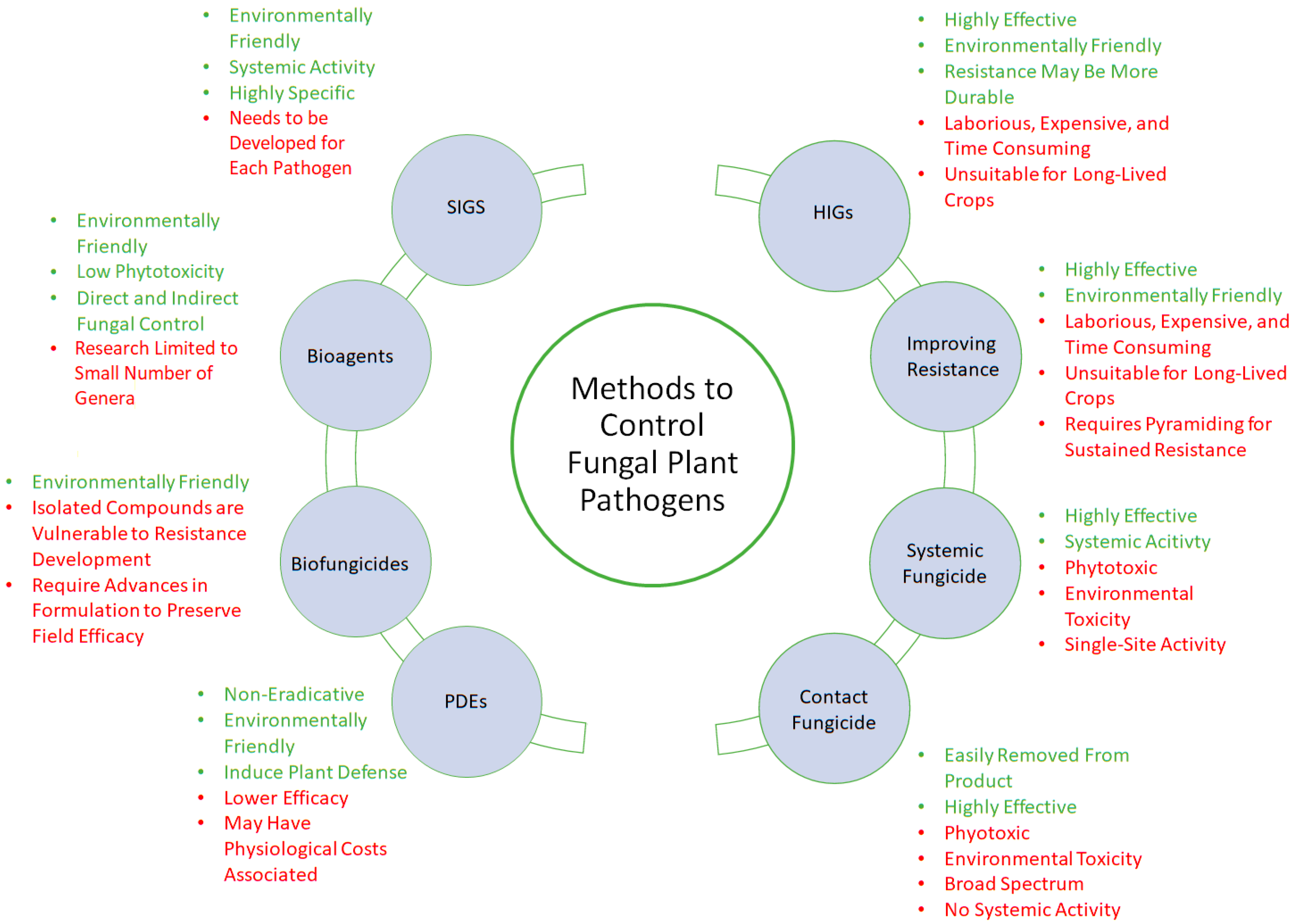
There are several alternatives to fungicides that can be employed to manage fungal diseases in crops and plants. These alternatives are often organic or natural methods, focusing on prevention, cultural practices, and biological controls. The following are some effective alternatives to traditional fungicides:
Biological Control Agents
Biological control involves using natural organisms to combat fungal pathogens. This method leverages the natural competition or predation that occurs in ecosystems to suppress the growth of harmful fungi. Some common biological control agents include:
- Bacillus subtilis - A bacterium that produces compounds inhibiting fungal growth.
- Trichoderma spp. - A genus of fungi that competes with plant pathogens for resources.
- Mycorrhizal fungi - They can enhance plant health and resistance to pathogens.
Cultural Practices
Implementing proper cultural practices is critical in preventing fungal diseases. These practices involve modifying the environment or providing conditions that are less favorable for fungal pathogens while promoting plant health. Key practices include:
- Crop Rotation - Alternating crops can disrupt the lifecycle of harmful fungi.
- Proper Spacing - Ensuring adequate air circulation reduces humidity and fungal growth.
- Sanitation - Removing infected plant debris minimizes the reservoir of pathogens.
Organic Treatments
There are various organic treatments available that can mitigate fungal diseases without the use of synthetic chemicals. These treatments often include naturally derived substances that possess antifungal properties. Some examples are:
- Neem oil - Derived from the seeds of the neem tree, offers antifungal and insecticidal properties.
- Baking soda - Increasing the pH on plant surfaces can reduce fungal infections.
- Garlic extract - Its strong odor and compounds inhibit fungal growth.
Essential Oils
Essential oils have become popular as a natural remedy for various agricultural issues, including fungal diseases. Many essential oils possess antifungal properties and can be used as a spray or incorporated into soil. Notable essential oils include:
- Tea tree oil - Known for its potent antifungal effects against a range of pathogens.
- Oregano oil - Contains carvacrol, which is effective against fungi.
- Thyme oil - Shows significant antifungal activity and can be utilized in pest management.
Physical Methods
Physical methods involve the use of mechanical or thermal approaches to control fungal diseases. These approaches can reduce or eliminate pathogens without chemical interventions. Effective physical methods include:
See also:
- Heat treatment - Using high temperatures to kill fungal spores in soils or seeds.
- Ultraviolet (UV) radiation - Can effectively kill fungi on plant surfaces.
- Solarization - Covering soil with clear plastic in the sun can heat the soil and eliminate pathogens.
What can I use as a fungicide?
Fungicides are chemical or biological substances used to inhibit the growth of fungi, which can be detrimental to plants, crops, and even human health. There are various options available for use as fungicides, ranging from synthetic chemicals to natural alternatives. Here are some effective fungicides you can consider:
1. Copper-based fungicides: These are among the oldest fungicides used and are very effective against a broad spectrum of fungal diseases. They often come in the form of copper sulfate or copper hydroxide. Copper fungicides work by penetrative action and can provide protective barriers.
2. Sulfur: This is a natural element that can be used as a fungicide. Sulfur inhibits the growth of fungi by disrupting their cellular respiration. It's particularly effective for powdery mildew and other fungal ailments.
3. Neem oil: Derived from the seeds of the neem tree, neem oil has antifungal properties and is effective against a variety of fungal infections. It works by interfering with the fungal growth process and can also deter pests.
4. Baking soda (sodium bicarbonate): A common household item, baking soda can be utilized as a fungicide by creating an alkaline environment that is unsuitable for fungal growth. It can be particularly useful for treating powdery mildew.
5. Biological fungicides: These are naturally occurring microorganisms that can suppress or control fungal pathogens. Trichoderma species are examples of beneficial fungi used to outcompete or parasitize harmful fungi.
Copper-based Fungicides
Copper-based fungicides provide a reliable way to combat a variety of fungal diseases. They are particularly effective in preventing diseases such as blight and rust on plants.
- Application methods include spraying or drenching the plants.
- Prevention of resistance can be ensured by rotating copper with other fungicides.
- Environmental caution should be taken due to the potential for copper accumulation in the soil.
Sulfur as a Fungicide
Sulfur is a versatile and ancient fungicide that is widely used in agricultural practices. Its effectiveness against a range of fungal diseases makes it a popular choice.
- Easy to apply, sulfur can be used as powder, spray, or dust.
- Safety measures should be adhered to; ensure that it’s not applied in high temperatures to avoid plant damage.
- Compatible usage with other pesticides should be checked to avoid phytotoxic reactions.
Neem Oil Usage
Neem oil serves as a multi-functional solution not just for fungal infections but also for pest control. Its low toxicity makes it safe for beneficial insects.
- On-target application is essential for achieving the desired outcomes against fungal diseases.
- Mixing with water and a surfactant can enhance its effectiveness.
- Regular applications may be necessary to maintain control, as neem oil works best as a preventive measure.
Baking Soda for Fungi Control
Using baking soda as a fungicide is an accessible and eco-friendly option for gardeners. Its efficacy in preventing the growth of fungi, especially powdery mildew, is well-documented.
- Preparation typically involves mixing baking soda with water and a small amount of oil or soap to aid adhesion.
- Timing of application is crucial; apply during dry conditions to maximize the impact.
- Monitor plant response, as excessive use can potentially harm foliage.
Biological Fungicides
Biological fungicides harness the power of beneficial microorganisms, which can effectively control fungal pathogens in a sustainable manner.
- Specific strains of Trichoderma can colonize root systems to offer protection against pathogenic fungi.
- Application timing should coincide with planting or infestation events for optimal results.
- Compatibility with chemical treatments is an important consideration; use biologicals alone for best results.
What is the best homemade antifungal?
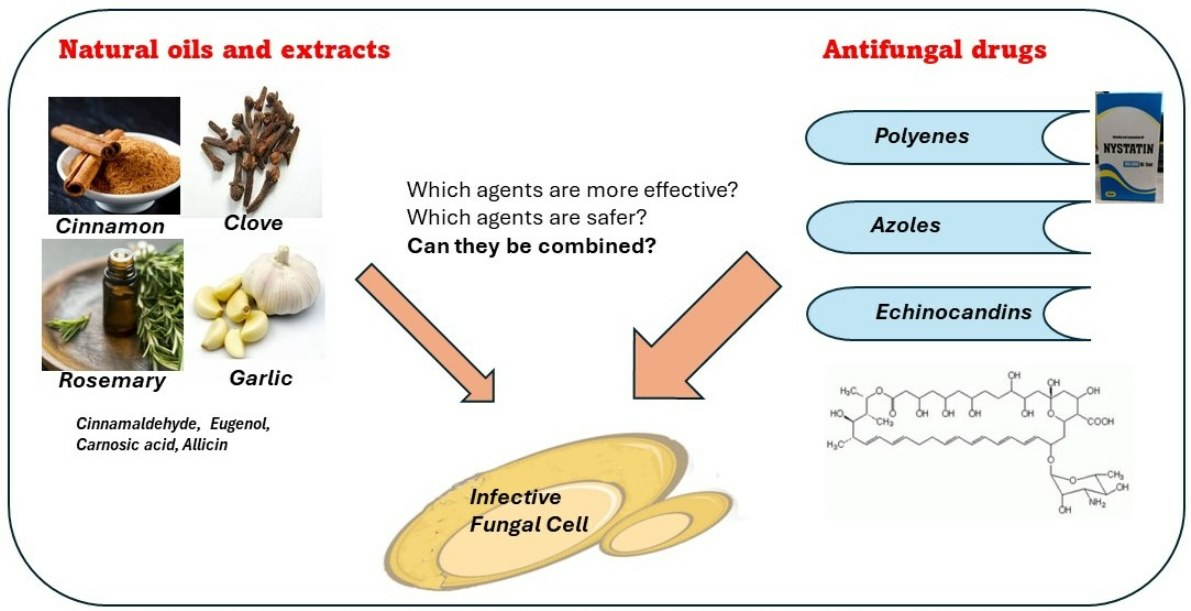
The best homemade antifungal options often include natural ingredients known for their antifungal properties. These remedies can be effective in treating mild fungal infections. Some of the most popular homemade antifungals include coconut oil, tea tree oil, garlic, apple cider vinegar, and oregano oil.
See also:
Coconut Oil as an Antifungal
Coconut oil is packed with medium-chain fatty acids, particularly lauric acid, which is effective against various fungi. It can be applied topically to the affected area or ingested to help boost your body’s ability to fight off infections.
- Apply melted coconut oil directly onto the affected area.
- Consume 1-2 tablespoons of coconut oil daily for added benefits.
- Use in cooking or in smoothies to incorporate into your diet.
Tea Tree Oil Benefits
Tea tree oil is known for its powerful antifungal and antiseptic properties. It can be diluted with a carrier oil and used topically for various skin fungal infections. Its active compounds can effectively combat fungal spores.
- Mix a few drops of tea tree oil with a carrier oil like coconut oil.
- Apply to infected areas twice daily.
- Perform a patch test first to check for skin sensitivity.
Garlic's Antifungal Properties
Garlic contains a compound called allicin, which has been shown to have strong antifungal effects. Consuming garlic raw can enhance its benefits, but it can also be applied as a paste to affected areas.
- Crush 2-3 garlic cloves and apply directly to the fungus.
- Consume raw garlic or in capsule form for internal benefits.
- Combine with olive oil to create a soothing antifungal paste.
Apple Cider Vinegar (ACV) Usage
Apple cider vinegar is acidic and can create an environment unfavorable for fungal growth. It's often used diluted in water as a rinse or applied directly to the skin to combat infections.
- Mix equal parts of ACV and water for a skin rinse.
- Soak affected areas in this mixture for 15-30 minutes.
- Consume 1-2 tablespoons diluted in water daily for systemic effects.
Oregano Oil as a Natural Antifungal
Oregano oil is highly concentrated and contains compounds called carvacrol and thymol, which are known for their antifungal properties. This oil should always be diluted before using it topically.
- Mix one drop of oregano oil with a carrier oil.
- Apply to the affected area once or twice daily.
- Orally consume oregano oil capsules, following the dosage on the label.
What is a natural alternative to fungicide?
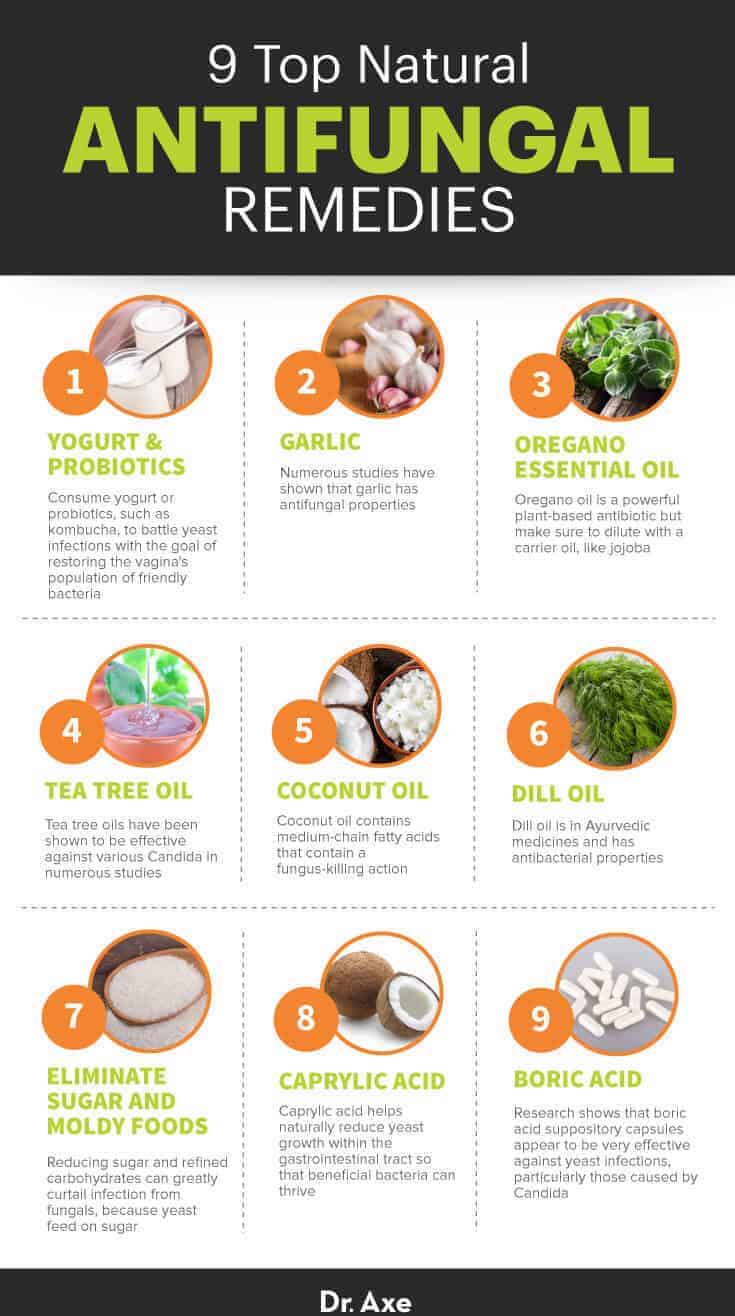
A natural alternative to fungicide can be essential for those looking to manage fungal infections in their gardens or on their plants without resorting to synthetic chemicals. Many of these natural remedies are derived from plant extracts or other organic materials and can effectively combat fungi while being less harmful to the environment and beneficial insects.
Essential Oils as Natural Fungicides
Essential oils such as tea tree oil, oregano oil, and clove oil are known for their antifungal properties. They contain compounds that can disrupt the cell membranes of fungi, preventing their growth.
- Tea Tree Oil: Highly effective against various fungi and can be diluted with water or carrier oils for application.
- Oregano Oil: Contains carvacrol, which has demonstrated notable antifungal effects, particularly against Candida species.
- Clove Oil: Rich in eugenol, this oil is effective in reducing mold and mildew infestations on plants.
Homemade Baking Soda Solution
Baking soda, or sodium bicarbonate, is an effective and commonly used natural fungicide. When mixed with water and a small amount of liquid soap, it can create a solution that helps inhibit fungal growth on plants.
- Mixing Instructions: Combine 1 tablespoon of baking soda with 1 quart of water and a few drops of mild liquid soap.
- Application: Spray this mixture on affected plants, ensuring to coat the foliage thoroughly.
- Frequency: Reapply every few days, especially after rain, to maintain effectiveness.
Neem Oil: A Natural Pest and Fungal Control
Neem oil, derived from the seeds of the neem tree, is widely recognized in organic gardening as a powerful natural fungicide. It has systemic properties, meaning it can be absorbed by plants and provides long-lasting protection.
- Active Compounds: Contains azadirachtin, which disrupts the life cycle of fungi, preventing them from spreading.
- How to Use: Mix 2 tablespoons of neem oil with 1 gallon of water and a few drops of soap to increase adherence.
- Timing: Apply in the evening or early morning to avoid phytotoxicity and to maximize absorption.
Garlic Extract: Natural Antifungal Properties
Garlic is not only a staple in the kitchen but also a potent natural remedy against fungal infections. It has antifungal, antibacterial, and antiviral properties due to its high allicin content.
- Preparation: Blend garlic cloves with water and strain to create a concentrated extract.
- Spraying: Dilute the concentrate with water and spritz on vulnerable plants for protective coverage.
- Repeat Applications: Apply every week or after rainfall for the best results.
Cinnamon: A Natural Fungicide with Healing Properties
Cinnamon is not only a popular spice but also a well-known natural fungicide. Its active component, cinnamaldehyde, provides effective protection against various fungal pathogens.
- How it Works: The antifungal properties disrupt fungal cell structure and inhibit spore germination.
- Usage: Sprinkle ground cinnamon on the soil or mix it with water to create a spray.
- Safety: Cinnamon is non-toxic and a great option for organic gardening practices.
Questions from Our Readers
What are natural alternatives to fungicides?
Using natural alternatives to fungicides can be effective in managing fungal infections. Some options include baking soda mixed with water, apple cider vinegar, or garlic spray. These substances work by altering the pH levels or providing natural fungicidal properties that can help in controlling fungal growth without harmful chemicals.
Can vinegar be used as a substitute for fungicide?
Yes, vinegar, particularly apple cider vinegar, can serve as a fungicide due to its acidity. When diluted with water and sprayed on affected plants, it can help inhibit the growth of fungi and reduce infections naturally. However, care should be taken with the concentration to avoid damaging the plants.
See also:
Is neem oil a good alternative to traditional fungicides?
Absolutely, neem oil is considered one of the best natural fungicide alternatives. It contains compounds that help in managing a wide range of fungal diseases while being environmentally friendly. Using neem oil can also repel certain pests, providing an additional layer of protection for your plants.
How effective is baking soda as a fungicide substitute?
Baking soda is widely regarded as an effective substitute for traditional fungicides. When mixed with water and applied to plants, it creates an environment that is inhospitable to fungal spores, thus preventing their growth. It's a simple and cost-effective method that can significantly reduce the incidence of fungal infections.

If you want to read more articles like What is a Good Substitute for Fungicide? Discover Effective Alternatives for Your Garden, we recommend you check out our Garden category.
Leave a Reply
Related Articles