What is a Garden Fungicide? Discover Its Uses, Benefits, and Tips for Effective Application

Garden fungicides play a crucial role in maintaining the health and vitality of plants by preventing and controlling fungal infections. These specialized treatments are designed to target a variety of pathogens that can threaten crops, flowers, and ornamental plants. Understanding their uses and benefits is essential for any gardener aiming to create a thriving outdoor space. In this article, we will explore what garden fungicides are, how they work, and provide tips for their effective application. By equipping yourself with this knowledge, you can protect your garden from fungal threats and promote robust plant growth.
What is a Garden Fungicide?
A garden fungicide is a type of chemical or biological agent specifically formulated to control, prevent, or eliminate fungal diseases in plants and soil. These substances work by targeting specific fungi that can cause detrimental effects on crops, ornamental plants, and lawns. By disrupting the life cycle of the fungi or inhibiting their growth, fungicides help maintain plant health and improve yields. They are available in various forms, such as sprays, granules, and soil drenches, catering to different types of applications and severity of fungal infestations.
Types of Garden Fungicides
There are several types of garden fungicides, broadly categorized into chemical and biological fungicides. Chemical fungicides are synthetic compounds designed to target specific fungal pathogens, often providing quick and effective control. On the other hand, biological fungicides utilize naturally occurring microorganisms to suppress fungal diseases. Each type has its unique advantages and potential drawbacks, which can influence a gardener's choice based on their specific needs and ecological concerns.
How Garden Fungicides Work
Garden fungicides typically function through various modes of action against fungal pathogens. Some interfere with the fungal cell wall synthesis, while others disrupt essential metabolic processes or inhibit spore germination. This targeted approach allows for effective disease management, reducing the proliferation of fungi without harming beneficial organisms when used properly. Understanding how these fungicides work can help gardeners select the right product for their specific fungal issues.
Application Methods for Fungicides
The application methods for garden fungicides can vary significantly based on the formulation and the specific fungi being targeted. Common methods include spraying, drenching, and soil incorporation. Spraying is often used for foliar diseases affecting the leaves, while drenching is suitable for root-associated issues. Proper application not only enhances effectiveness but also ensures safety for plants and the surrounding ecosystem, making it critical for users to follow guidelines specific to each fungicide.
Safety Precautions When Using Fungicides
When using garden fungicides, it is essential to take safety precautions to protect both the user and the environment. Wearing protective clothing, such as gloves and masks, is advisable to prevent direct contact with the chemicals. Additionally, adhering to the manufacturer's instructions regarding dosage and application timing can minimize potential risks. Proper storage and disposal of unused products also contribute to safety and environmental conservation.
Impact on the Ecosystem
The use of garden fungicides can have both positive and negative impacts on the ecosystem. While they effectively control harmful fungal diseases, certain chemical fungicides may pose risks to non-target organisms, including beneficial insects and soil microorganisms. Understanding the ecological implications of fungicide use can help gardeners make informed decisions, opting for sustainable practices that maintain the overall health of their gardens and surrounding environments.
| Fungicide Type | Active Ingredient | Application Method |
|---|---|---|
| Chemical | Chlorothalonil | Spray |
| Biological | Bacillus subtilis | Drench |
| Chemical | Propiconazole | Soil incorporation |
| Biological | Trichoderma harzianum | Soil incorporation |
What is a good garden fungicide?

Understanding Garden Fungicides
Garden fungicides are chemical or biological agents designed to control fungal diseases in plants. They work by either killing fungi or inhibiting their growth. It is essential to choose a fungicide that is effective against the specific fungal pathogens affecting your plants. Here are some key points to consider:
- Active Ingredients: Different fungicides contain various active ingredients, each targeting specific fungi.
- Application Methods: They can be applied as sprays, drenches, or granules based on the disease type and plant needs.
- Safety Precautions: Always follow label instructions to ensure the safety of both plants and beneficial organisms.
Types of Garden Fungicides
There are several types of garden fungicides, and they can be classified based on their action mode or chemical structure. Understanding these types helps gardeners select the right product for their needs. The main types include:
- Contact Fungicides: These kill fungi on contact and need to be applied directly to the affected areas.
- Systemic Fungicides: Absorbed by plants and transported throughout their tissues, providing longer-lasting protection.
- Biological Fungicides: Derived from natural organisms, these products often have fewer environmental impacts and can improve soil health.
Popular Garden Fungicides
Several highly regarded fungicides can be used in gardens to control various diseases effectively. Some popular options include:
- Chlorothalonil: A broad-spectrum fungicide effective against leaf spots, blights, and other fungal diseases.
- Azoxystrobin: A systemic fungicide that provides long-lasting control for downy mildew and powdery mildew.
- Neem Oil: A natural fungicide that also possesses insecticidal properties, making it versatile for garden use.
Application Tips for Fungicides
To achieve the best results when applying fungicides, it's crucial to follow specific application tips. Effective application minimizes the risk of resistance development and enhances prevention:
See also:
- Timing: Apply fungicides before symptoms appear, especially before conditions that promote fungal growth.
- Coverage: Ensure thorough coverage of all plant parts, particularly lower leaves where fungi often thrive.
- Cultural Practices: Combine fungicides with proper gardening techniques like crop rotation and proper spacing to reduce disease risk.
Environmental Considerations
When using fungicides, it's important to consider their impact on the environment. Some fungicides can negatively affect non-target organisms and ecosystems. Keep these aspects in mind:
- Application Restrictions: Check for local regulations and restrictions on certain products in your area.
- Non-Toxic Options: Opt for organic or biological fungicides when possible to minimize environmental impact.
- Integrated Pest Management (IPM): Incorporate fungicides into a broader IPM plan to promote sustainable gardening practices.
Does baking soda work as a fungicide on plants?
:strip_icc()/Adding-Baking-Soda-to-Plants-in-Garden-1419286443-716191087dea4050a691a55157a69e2b.jpg)
Baking soda, or sodium bicarbonate, has been recognized for its potential use as a natural fungicide in the agricultural and gardening communities. Its effectiveness lies primarily in its ability to create an environment that is less conducive to the growth of fungal pathogens.
When used appropriately, baking soda can help control various types of plant diseases caused by fungi, such as powdery mildew. The action occurs primarily through the creation of an alkaline environment on the plant surface, which inhibits the growth of spores and mycelium associated with fungal infections. Nevertheless, it is important to note that while baking soda can be helpful, it is not a cure-all solution and may not be effective against all types of fungal diseases.
Mechanism of Action
Baking soda functions through a simple mechanism that alters the pH level of the leaf surface.
- pH Modification: Baking soda increases the pH, making it less favorable for fungi.
- Pest Deterrent: The alkaline solution may deter pests that facilitate the spread of fungal diseases.
- Surface Barrier: It creates a physical barrier that can prevent spores from landing on the leaves.
Application Methods
There are various methods to apply baking soda on plants effectively.
- Spray Solution: Mix baking soda with water and a few drops of dish soap to create a foliar spray.
- Soil Application: Sprinkle baking soda on the soil to help reduce fungal pathogens in the soil.
- Frequency of Application: Regular application every 7-14 days can help maintain its effectiveness.
Effectiveness Against Common Fungal Diseases
Baking soda can be particularly effective against specific fungal diseases.
- Powdery Mildew: Numerous studies indicate that it can reduce the incidence of this prevalent disease.
- Leaf Spot Fungi: In some cases, it may help control leaf spots if applied early.
- Rusts: By altering the pH, it may also deter rusts from proliferating.
Limitations of Baking Soda as a Fungicide
Despite its benefits, there are certain limitations to using baking soda.
- Specificity: It might not work against all fungal species; some are resistant.
- Phytotoxicity: In high concentrations, it can cause leaf burn and damage.
- Environmental Factors: Its effectiveness can vary based on humidity and temperature conditions.
Safety and Environmental Considerations
Using baking soda as a fungicide has several safety and environmental advantages.
- Non-Toxic: It is generally recognized as safe for use around pets and humans.
- Biodegradable: Unlike synthetic fungicides, baking soda does not persist in the environment.
- Organic Gardening: Its use fits well within organic gardening practices.
How do I get rid of fungus in my garden plants?
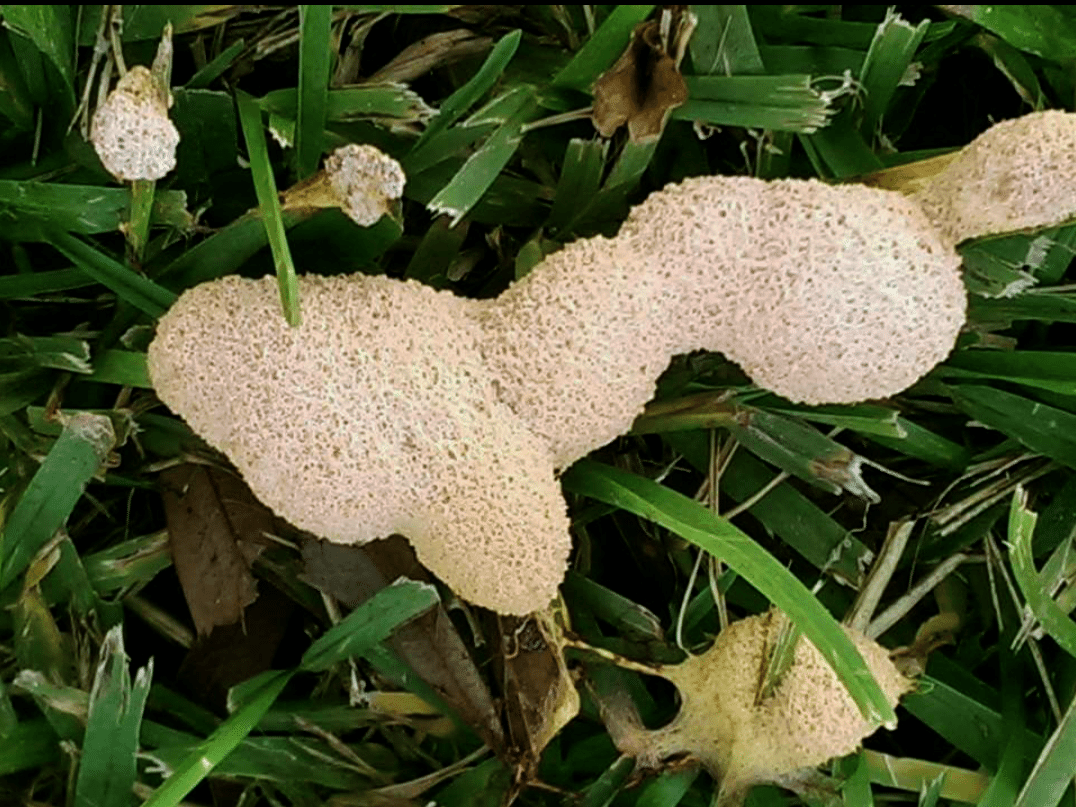
To get rid of fungus in your garden plants, you can follow several methods that range from natural remedies to chemical solutions. The goal is to effectively eliminate fungal spores while minimizing harm to the plants and the surrounding environment. Here are some steps you can take:
1. Remove Affected Areas: Cut away any leaves or stems that are visibly infected with fungus. This will help prevent the spread of the disease to other parts of the plant or to nearby plants. Ensure to dispose of these infected parts properly, as leaving them in the garden can lead to reinfection.
See also:
2. Improve Air Circulation: Fungi thrive in humid and stagnant environments. Ensure that your plants are spaced adequately apart to allow for good air flow. This can reduce humidity levels around the plants, which helps in fighting off fungal infections.
3. Water During the Morning: Watering your plants early in the morning will allow any excess moisture on the leaves to evaporate throughout the day. Avoid overhead watering, which can keep the foliage wet and create favorable conditions for fungal growth.
4. Use Fungicides: If natural remedies are ineffective, consider using fungicides specifically designed for garden plants. Follow the manufacturer’s instructions closely for application rates and timing to minimize any potential damage to your plants and the environment.
5. Natural Remedies: There are several natural solutions you can try:
- Baking Soda Mixture: Mix 1 tablespoon of baking soda with 1 gallon of water and spray it on the affected plants. This can help alter the pH on the plant surfaces, making it less favorable for fungal growth.
- Neem Oil: Neem oil is effective against many fungal infections. Mix it with water according to the instructions on the label and spray on infected areas.
- Mild Soap Solution: A mixture of mild liquid soap and water can help to suffocate fungi. Apply this solution to the affected areas, ensuring thorough coverage.
Prevention Tips for Fungal Growth
Preventing fungal infections is crucial in maintaining healthy garden plants. Consider these preventive measures:
- Choose Resistant Varieties: Opt for plants that are bred to resist fungal diseases.
- Maintain Soil Health: Healthy soil promotes strong plants that can better withstand infections. Regularly amend your soil with organic matter.
- Rotate Crops: Avoid planting the same type of plant in the same location each year. This reduces the buildup of fungal spores in the soil.
Identifying Common Fungal Diseases
Recognizing the symptoms of different fungal diseases can help in early intervention. Here are some common signs:
- Powdery Mildew: Characterized by white, powdery spots on leaves that may eventually cause them to yellow and drop.
- Root Rot: Caused by overwatering, leading to a decay of the roots which can cause wilting and plant death.
- Leaf Spot: Dark spots on leaves that can increase in size and number, eventually leading to leaf drop.
Organic Fungicide Options
If you prefer organic solutions, several options can be effective against garden plant fungi:
- Copper-based Fungicides: These work well against a variety of fungal diseases and are considered organic.
- Sulfur: Effective for mites and various fungi, sulfur can be used as a powder or spray.
- Garlic Spray: Homemade sprays made from garlic can deter fungal infections due to its antifungal properties.
Maintaining Proper Garden Hygiene
Good garden hygiene can help reduce the spread of fungal spores:
- Clean Tools: Regularly sanitize your gardening tools to prevent the spread of fungal spores.
- Remove Debris: Clear away fallen leaves and plant debris that may harbor fungal spores.
- Monitor Plant Health: Regularly check your plants for signs of distress and act quickly at the first signs of fungal activity.
Role of Mulching in Fungus Control
Mulching plays a significant role in preventing fungal diseases by improving soil conditions:
- Regulates Soil Temperature: Mulch helps maintain consistent soil temperatures, which can deter some fungal growth.
- Minimizes Soil Splash: A layer of mulch can prevent raindrops from splashing soil and fungal spores onto plant leaves.
- Suppresses Weeds: Weeds can harbor fungal diseases, so effective mulching can help suppress their growth, reducing the chances of infection.
Questions from Our Readers
What is a garden fungicide?
Garden fungicides are chemical or biological substances used to control or eliminate fungal infections in plants. These products target various types of fungal diseases that can affect flowers, vegetables, and other plants, helping to maintain their health and vitality.
How do garden fungicides work?
Garden fungicides work by disrupting the growth and reproduction of fungal pathogens. They can either kill the fungi outright or inhibit their ability to spread, ultimately protecting the plants from damage caused by diseases such as powdery mildew or rust.
Are garden fungicides safe to use?
The safety of garden fungicides depends on the specific product and its active ingredients. Many fungicides are designed to be safe for use around plants and humans when applied according to the instructions; however, it's important to read labels carefully and follow best practices for safe handling.
See also:
When should I apply garden fungicides?
Garden fungicides should be applied at the first sign of fungal disease or as a preventive measure during conditions favorable for fungal growth, such as high humidity or wet weather. Timely application increases the chances of effective disease control and helps protect the overall health of the garden.

If you want to read more articles like What is a Garden Fungicide? Discover Its Uses, Benefits, and Tips for Effective Application, we recommend you check out our Garden category.
Leave a Reply
Related Articles