What Flower Calms Anxiety? Discover the Top Soothing Blooms for Relaxation

Anxiety is a prevalent issue in today's fast-paced world, often leaving individuals seeking natural remedies for relief. Among these remedies, flowers have emerged as a surprisingly effective tool for promoting calm and relaxation. With their beauty and fragrances, certain blooms possess soothing properties that can help alleviate stress and anxiety. In this article, we will explore the top flowers known for their calming effects, delving into their unique characteristics and how they can be incorporated into your daily routine. Discover how these floral wonders can enhance your mental well-being and bring tranquility to your life.
What Flower Calms Anxiety?
Certain flowers are revered for their calming properties, making them effective allies for those seeking relief from anxiety. Among these, the lavender flower stands out prominently; its soothing scent is known to have a tranquilizing effect on the mind and body, helping to reduce tension and promote a sense of peace. Utilizing lavender in various forms, such as essential oils, teas, or even simply having a bouquet nearby, can foster a serene environment and diminish feelings of anxiety and stress. Other flowers, like chamomile and rose, also contribute to this calming effect, each providing unique benefits that can enhance overall emotional well-being.
Lavender
Lavender is perhaps the most well-known flower for its anti-anxiety effects. The distinctive smell of lavender has been shown to lower heart rates and reduce blood pressure, promoting relaxation. Many people use lavender essential oil in aromatherapy or incorporate the dried flowers into sachets or teas to help alleviate anxiety symptoms. Its calming properties help facilitate a better night's sleep, making it a dual-purpose remedy for those suffering from stress-related sleep issues.
Chamomile
Chamomile flowers, frequently found in herbal teas, are celebrated for their gentle calming effects. This flower contains antioxidants that may aid in reducing anxiety levels. Drinking chamomile tea can help relax the mind and body, making it a popular choice for those looking to curb their anxious thoughts at the end of a long day. The soothing properties of chamomile not only support relaxation but can also help with insomnia, ensuring a peaceful night's rest.
Rose
The rose flower, often associated with love and beauty, also possesses properties that can help calm the mind. The aroma of rose essential oil has been linked to reduced anxiety levels and improved mood. Incorporating rose into daily life, whether through aromatherapy, teas, or as part of a relaxing bath, can create a soothing atmosphere that alleviates stress and promotes emotional balance.
Bergamot
Bergamot, a citrus fruit flower, is renowned for its stress-relieving properties. The essential oil extracted from bergamot has been shown to decrease stress and anxiety in clinical studies. By diffusing bergamot oil in a space or applying it in a massage oil, one can benefit from its uplifting scent, which helps to enhance mood and create a more relaxed state of mind. Its refreshing fragrance is particularly effective in brightening one's spirit and alleviating feelings of unease.
Passionflower
Passionflower, known for its exotic appearance, is another flower noted for its anxiety-reducing effects. This flower has been used traditionally to promote relaxation and reduce symptoms of anxiety and insomnia. Supplements containing passionflower extract are commonly taken to ease nervous tension, as they can enhance levels of gamma-aminobutyric acid (GABA), a neurotransmitter that helps to calm the nervous system.
| Flower | Key Benefits |
|---|---|
| Lavender | Reduces tension, promotes relaxation, aids sleep |
| Chamomile | Calms the mind, reduces anxiety, helps with insomnia |
| Rose | Improves mood, reduces anxiety, promotes emotional balance |
| Bergamot | Decreases stress, enhances mood, uplifting scent |
| Passionflower | Reduces anxiety, promotes relaxation, aids sleep |
What flower is good for anxiety?

Lavender
Lavender is renowned for its calming properties and is often used in aromatherapy to help alleviate feelings of anxiety. The scent of lavender has been shown to reduce stress levels and promote relaxation. It can be used in various forms such as essential oils, dried flowers, or tea. Some benefits include:
- Reduces levels of cortisol, the stress hormone.
- Improves sleep quality, leading to better mental health.
- Can be inhaled or applied topically to experience its soothing effects.
Chamomile
Chamomile is another flower recognized for its anti-anxiety effects. Consuming chamomile tea has been linked to reduced symptoms of anxiety and improved general well-being. The active compounds in chamomile have a mild sedative effect, making it a popular natural remedy for stress. Key points include:
- Contains apigenin, which binds to specific receptors in the brain.
- Aids in promoting sleep and reducing insomnia.
- Offers a warm, comforting experience when consumed as a tea.
Rose
The rose is not only a symbol of beauty but also offers therapeutic benefits that can help manage anxiety. Rose essential oil is frequently used in aromatherapy for its mood-lifting properties. The scent of roses can invoke feelings of peace and comfort. Consider these aspects:
- Enhances mood and reduces feelings of tension.
- Can be used in massages to promote relaxation.
- Known to improve emotional balance and resilience.
Passionflower
Passionflower is effective in treating anxiety due to its mild sedative effects. It can increase the levels of gamma-aminobutyric acid (GABA) in the brain, which is a neurotransmitter that helps regulate mood. Users may find relief from anxiety symptoms through its use. Important features include:
See also:
- Helps reduce symptoms of anxiety and promote calmness.
- Can be consumed as tea or in supplement form.
- May improve overall sleep quality when taken regularly.
Hibiscus
Hibiscus is a vibrant flower known for its refreshing taste and potential anxiety-relieving properties. Hibiscus tea has been utilized for its calming effects and its ability to lower blood pressure, which can be beneficial during stressful times. Here are some noteworthy points:
- Contains antioxidants that support overall well-being.
- Helps manage stress and reduces symptoms related to anxiety.
- Offers a deliciously tart flavor, making it an enjoyable drink.
What herbs are good for anxiety?

Anxiety can be a challenging condition to manage, but several herbs have shown promise in alleviating symptoms. These natural remedies can be a great addition to a comprehensive treatment plan. Below are some of the most effective herbs for anxiety:
1. Chamomile
Chamomile is widely known for its calming properties. Rich in antioxidants and possessing mild sedative effects, chamomile can help reduce anxiety and promote better sleep. It can be consumed as a tea or in supplement form.
- Contains apigenin, which binds to receptors in the brain promoting relaxation.
- May improve sleep quality, further aiding in anxiety relief.
- Generally considered safe with minimal side effects.
2. Lavender
Lavender is often used in aromatherapy for its soothing scent, but it also has medicinal properties. This herb can help reduce anxiety levels and is effective in promoting calmness.
- Can be used as essential oil for aromatherapy or taken as capsules.
- Studies suggest it may help decrease symptoms of anxiety disorders.
- Known for its pleasant scent that can improve mood and relaxation.
3. Ashwagandha
Ashwagandha is an adaptogenic herb that helps the body manage stress. It is widely used in Ayurveda and has been shown to lower cortisol levels, which can help alleviate anxiety.
- May improve overall well-being and enhance resilience to stress.
- Considered effective in reducing anxiety levels in clinical studies.
- Available in powder, capsule, or liquid extract form.
4. Passionflower
Passionflower is another herb known for its calming effects. It can help increase the level of gamma-aminobutyric acid (GABA) in the brain, leading to a reduction in anxiety.
- Effective in treating generalized anxiety disorder.
- Often consumed as a tea or in supplement form.
- Considered safe for short-term use, but consulting a healthcare provider is recommended.
5. Valerian Root
Valerian root is primarily known for its sleep-inducing properties, but its sedative effects can also help alleviate anxiety. It's often recommended for insomnia and anxiety-related symptoms.
- Helps in reducing the time taken to fall asleep and improves sleep quality.
- Can be used in capsules or brewed as a tea.
- Best used in conjunction with other calming practices.
What's the most calming flower?

The most calming flower is often considered to be lavender. Known for its soothing scent and beautiful purple hue, lavender has been used for centuries in aromatherapy and natural remedies to promote relaxation and reduce anxiety. Its essential oil is commonly extracted from the flower and is utilized in various applications, such as massages, baths, and diffusers, contributing to a peaceful environment.
Benefits of Lavender
Lavender offers a range of benefits that enhance its reputation as a calming flower. Some of these benefits include:
- Reduces Anxiety: The aroma of lavender can significantly lower anxiety levels, making it easier for individuals to relax.
- Improves Sleep Quality: Lavender is commonly used in pillow sprays and essential oil diffusers to help individuals fall asleep more easily.
- Relieves Headaches: The scent of lavender may help alleviate headaches and migraines, providing relief through its calming properties.
How to Use Lavender for Relaxation
Incorporating lavender into your relaxation routine can be simple and effective. Here are some popular methods:
See also:
- Aromatherapy: Use lavender essential oil in a diffuser to fill your space with a calming fragrance.
- Baths: Add lavender oil or dried lavender flowers to your bathwater for a soothing experience.
- Massage: Mix lavender oil with a carrier oil and use it during massages for additional relaxation.
Other Calming Flowers to Consider
While lavender is a standout, other flowers also exhibit calming properties worth considering:
- Chamomile: Known for its soothing qualities, chamomile is commonly consumed as tea to reduce stress.
- Jasmine: Jasmine's sweet fragrance is believed to uplift mood and promote relaxation.
- Roses: The scent of roses can create a calming environment and help emotional stability.
Growing Your Own Lavender
If you're interested in experiencing the benefits of lavender firsthand, consider growing your own. Here’s how:
- Choose the Right Location: Lavender thrives in full sun with well-drained soil.
- Water Sparingly: Overwatering can harm lavender, so it's essential to let the soil dry out between waterings.
- Prune Regularly: Pruning helps to maintain the plant's shape and encourages new growth.
The Role of Lavender in Traditional Medicine
Lavender holds a significant place in traditional medicine, particularly in herbal practices. Here are some insights:
- Holistic Healing: Lavender has been used in various cultures for its healing properties, addressing both mental and physical ailments.
- Natural Remedies: Lavender is commonly included in herbal preparations aimed at relieving stress and improving overall wellness.
- Historical Usage: Ancient civilizations, such as the Romans and Egyptians, utilized lavender for its therapeutic effects and in rituals.
What is the best natural thing for anxiety?
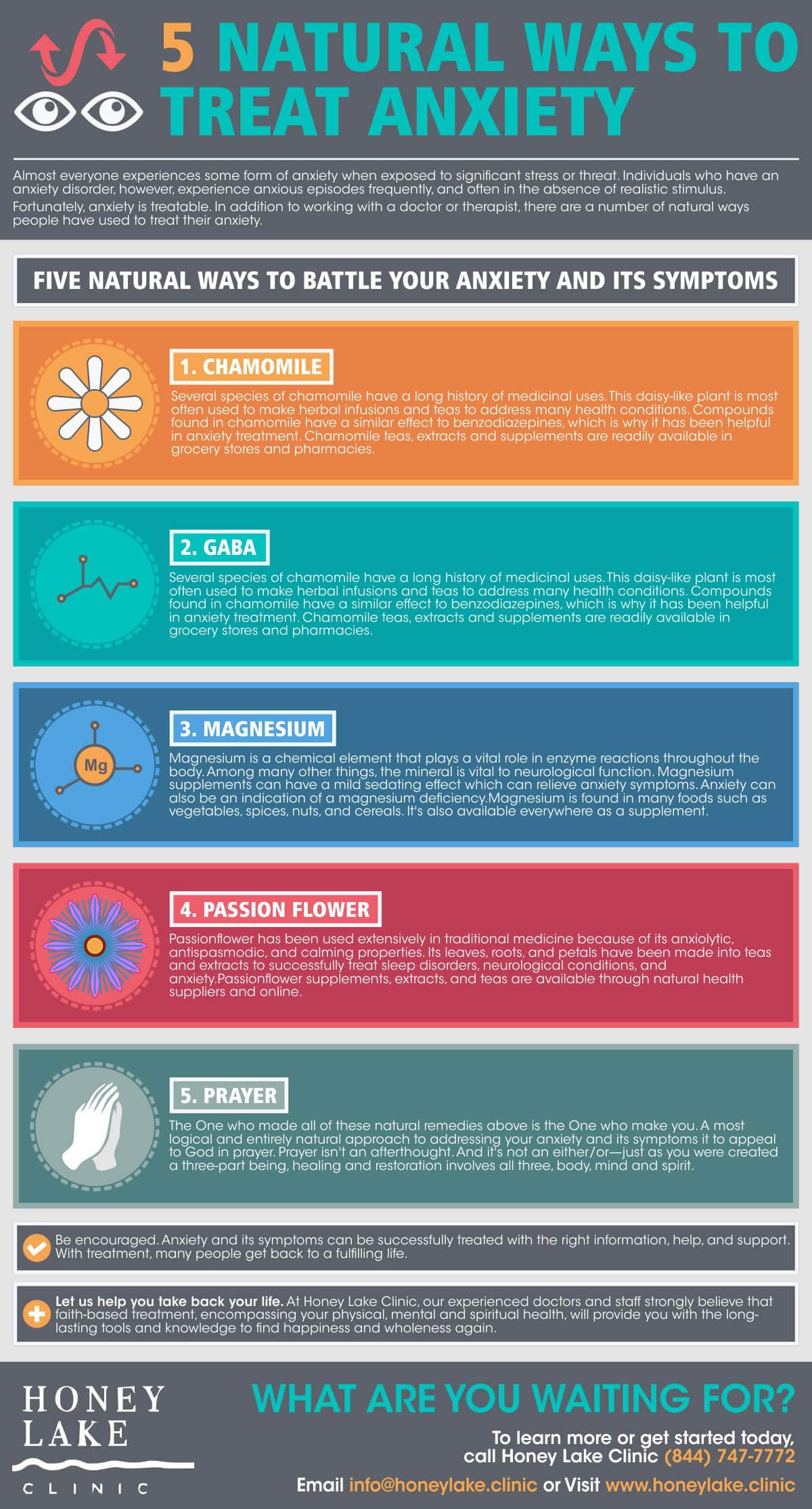
The best natural remedies for anxiety can vary between individuals, but several options are commonly recognized for their effectiveness in alleviating symptoms. Among the most widely recommended natural remedies include herbal supplements, dietary changes, physical activity, mindfulness practices, and adequate sleep. Each of these approaches can play a vital role in managing anxiety levels and promoting an overall sense of well-being.
Herbal Supplements
Herbal supplements have been used for centuries as natural treatments for anxiety. Some of the most popular herbs include chamomile, lavender, kava, and ashwagandha. These supplements are thought to help reduce anxiety levels and promote relaxation.
- Chamomile: Known for its calming effects, chamomile can be consumed as tea or taken in extract form.
- Lavender: Often used in aromatherapy, lavender oil may help in reducing anxiety and improving sleep quality.
- Kava: This herb has been shown to have anti-anxiety effects but should be consumed with caution due to potential health risks.
Dietary Changes
Making dietary adjustments can significantly impact emotional health and anxiety management. Foods that are rich in omega-3 fatty acids, antioxidants, and various vitamins are known to support brain health and reduce anxiety.
- Omega-3 Fatty Acids: Found in fish, flaxseeds, and walnuts, these healthy fats can help enhance mood and reduce anxiety.
- Antioxidant-Rich Foods: Berries, dark chocolate, and leafy greens can fight oxidative stress, which is linked to mental health disorders.
- Vitamin B Complex: Foods high in B vitamins, such as whole grains, meat, and eggs, are important for maintaining healthy nerve function.
Physical Activity
Regular physical activity is a highly effective natural remedy for anxiety. Exercise can help reduce stress hormones and stimulate the production of endorphins, which are chemicals in the brain that act as natural painkillers and mood elevators.
- Cardiovascular Exercise: Activities like running, swimming, and cycling help dissipate anxiety by increasing oxygen flow to the brain.
- Yoga: Combining physical postures with breathing exercises, yoga promotes relaxation and stress reduction.
- Strength Training: Lifting weights not only builds muscle but also boosts self-esteem and confidence, contributing to lower anxiety levels.
Mindfulness Practices
Mindfulness practices, such as meditation and deep breathing exercises, are excellent for anxiety management. These techniques help individuals focus on the present moment and develop a greater awareness of their thoughts and feelings.
- Meditation: Regular meditation can lead to profound reductions in anxiety and improve emotional health over time.
- Deep Breathing: Simple breathing exercises can help calm the mind and body by reducing heart rate and promoting relaxation.
- Body Scan: This technique involves paying attention to different parts of the body, helping to relieve tension and anxiety.
Quality Sleep
Adequate and quality sleep is crucial in managing anxiety levels. Poor sleep can exacerbate feelings of stress and anxiety, making it essential for individuals to prioritize sleep hygiene.
- Sleep Routine: Establishing a consistent sleep schedule helps regulate the body's internal clock and improve sleep quality.
- Sleep Environment: Creating a comfortable and dark sleeping space can enhance the ability to fall and stay asleep.
- Limit Screen Time: Reducing exposure to screens before bed can help in improving sleep quality and decreasing anxiety levels.
Questions from Our Readers
What flower is known for calming anxiety?
The flower that is most commonly associated with calming anxiety is lavender. Its soothing aroma has been shown to reduce stress levels and promote relaxation, making it a popular choice in aromatherapy and essential oils for anxiety relief.
How does chamomile help with anxiety?
Chamomile is another flower known for its anxiolytic properties. Consuming chamomile tea can help reduce feelings of anxiety due to its ability to bind to benzodiazepine receptors in the brain, which can produce a calming effect.
See also:
Can rose petals have an effect on anxiety?
Yes, rose petals can have a positive impact on anxiety. Their fragrance is known to evoke feelings of peace and calmness, and they are often used in herbal remedies and essential oils aimed at easing emotional tension and anxiety.
Are there any side effects of using flowers for anxiety?
While flowers like lavender, chamomile, and rose are generally safe for most people, some individuals may experience allergic reactions or adverse effects. It's important to consult with a healthcare provider before starting any herbal treatments, especially if you are already taking other medications.

If you want to read more articles like What Flower Calms Anxiety? Discover the Top Soothing Blooms for Relaxation, we recommend you check out our Flowers category.
Leave a Reply
Related Articles