Is it better to apply fungicide in the morning or evening? A Guide to Optimal Application Times

Timing plays a crucial role in the effectiveness of fungicide applications, yet many gardeners and agricultural professionals often overlook this aspect. Understanding whether morning or evening applications yield better results can significantly influence the health of crops and reduce the incidence of fungal diseases. Factors such as temperature, humidity, and sunlight can impact the fungicide's efficacy and absorption by the plant. This guide explores the optimal times for fungicide application, outlining the benefits and considerations for morning versus evening treatments, ultimately helping you make informed decisions to enhance your plant health and protect against fungal threats.
Is It Better to Apply Fungicide in the Morning or Evening?
The effectiveness of fungicide application can be influenced by various environmental factors, making the timing important. Generally, applying fungicide in the morning is often recommended because the temperatures are cooler and humidity levels may be higher, promoting better absorption of the chemical into the plant. During the evening, the cooler temperatures can also be advantageous, but increased dew formation may inhibit the fungicide's effectiveness, as the moisture can wash away the product before it has time to work or may cause the fungicide to be less effective against certain pathogens. Therefore, assessing factors such as local climate and the specific type of fungicide used is essential when determining the optimal time for application.
Weather Conditions
Weather conditions play a crucial role in the efficacy of fungicide applications. For instance, when the temperature is too high, it can lead to rapid evaporation of the applied product, reducing its effectiveness. Conversely, applying fungicides during a cooler period such as early morning might help maintain the required conditions for the fungicide to adhere to the plant surfaces effectively. Additionally, humidity levels can impact how well the fungicide penetrates the leaves, with slightly higher humidity often aiding in effectiveness.
Time of Day and Plant Physiology
The time of day can significantly influence plant physiology, including the rates of photosynthesis and transpiration. In the morning, plants are often more receptive to nutrient uptake and absorption, making it a prime time for fungicide application. During this period, the stomata, which are tiny openings on the leaves, may be more open, allowing better penetration of the fungicide. In contrast, applying fungicide in the evening may result in closed stomata, limiting absorption and potentially making the treatment less effective.
Potential Risks of Evening Application
Applying fungicide in the evening carries specific risks that should be considered. One primary concern is the presence of dew as nighttime temperatures drop, which could lead to a combination of moisture and fungicide sitting on the leaf surface for extended periods. This scenario not only risks runoff that wastes the product but can also create conditions conducive to fungal growth, counteracting the intended benefits of the application. Therefore, careful consideration should be maintained when deciding to apply fungicide later in the day.
Type of Fungicide and Recommended Practices
The type of fungicide being applied is essential in determining the best time for application. Some fungicides require specific conditions for optimal effectiveness, such as light exposure or specific moisture levels. For example, systemic fungicides often work best when plants are actively growing and can take up the product faster. As a result, following the manufacturer's recommendations regarding timing and conditions is vital for achieving the best results.
Conclusion on Application Strategies
Ultimately, to maximize the effectiveness of fungicide applications, practitioners should consider a variety of variables. These include environmental factors, product specifications, and plant activity. Maintaining knowledge of local weather trends and specific needs based on individual situations can help in selecting the most effective timing for fungicide application.
| Time of Day | Advantages | Disadvantages |
|---|---|---|
| Morning | Better absorption, ideal weather conditions | Possible wind interference |
| Evening | Lower temperatures, potential for less evaporation | Risk of dew, reduced absorption |
What time of day should I apply fungicide?
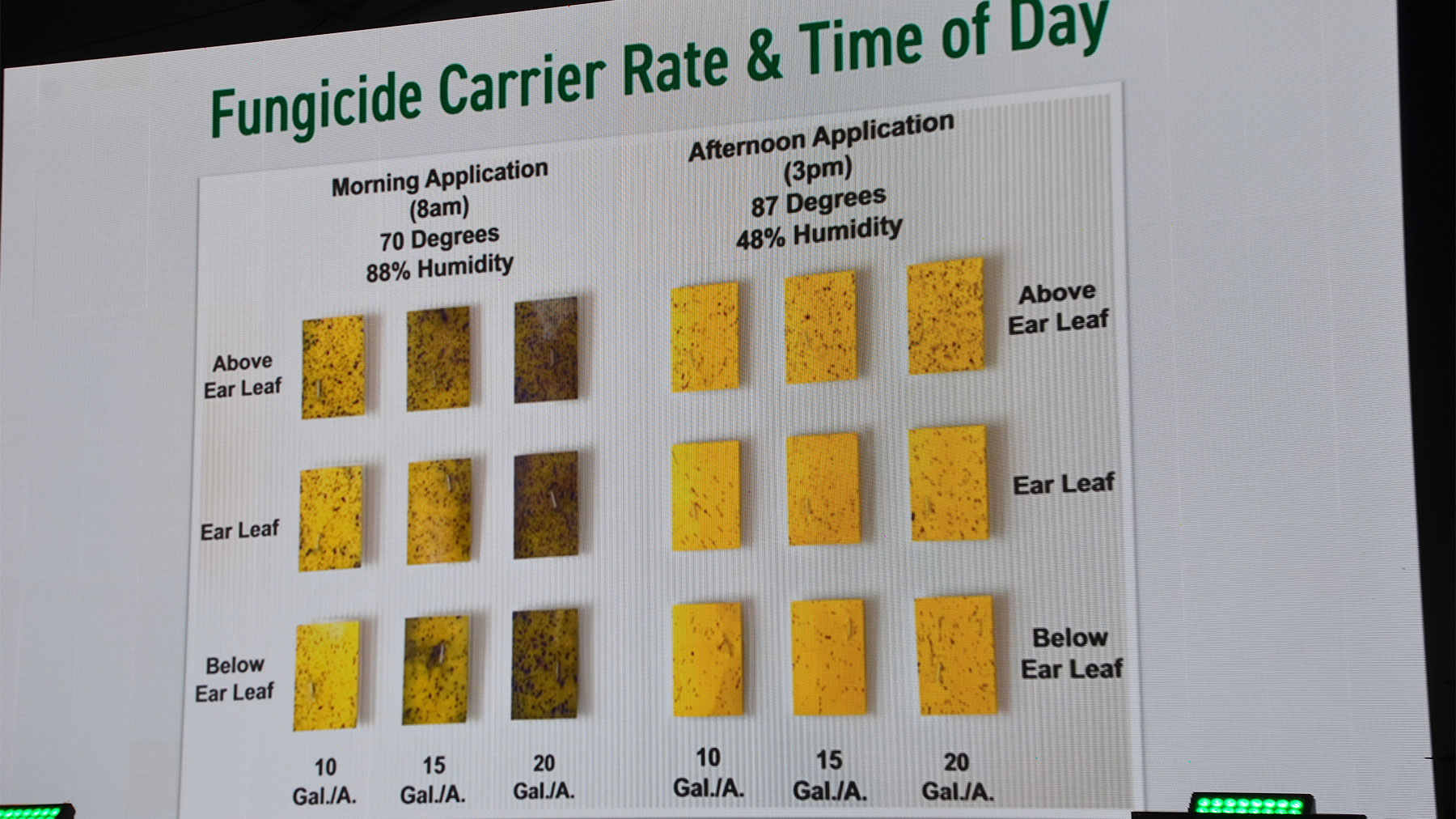
Applying fungicide effectively is crucial for managing plant diseases. The best time of day to apply fungicide largely depends on environmental conditions and the specific product being used. Generally, the early morning or late afternoon is recommended for several reasons.
Ideal Timing: Early Morning
Applying fungicide in the early morning has several advantages:
- Humidity Levels: Morning temperatures tend to be cooler and the humidity levels are often higher, which can help the fungicide to adhere better to the plant surfaces.
- Reduced Wind: Wind speeds are usually lower in the morning, reducing drift and ensuring that the product stays where it is needed.
- Less Sun Intensity: The sun is less intense in the morning, which can prevent the fungicide from breaking down too quickly due to UV exposure.
Alternative Timing: Late Afternoon
Late afternoon is another suitable option for fungicide application:
- Temperature Moderation: Temperatures are typically cooler, which can enhance the effectiveness of the fungicide.
- Leaf Dryness: By this time, morning dew has evaporated, allowing the leaves to be sufficiently dry for better adhesion and absorption of the fungicide.
- Potential Impact on Pests: Applying in the late afternoon can also target pests that may be more active at dusk.
Considerations for Product Type
The type of fungicide also plays a critical role in determining the best application time:
- Systemic Fungicides: These are absorbed by the plant and are often more effective when applied during the early morning when the plant's metabolic activity is higher.
- Contact Fungicides: These need to remain on the surface of the plant for effectiveness, making morning applications preferable.
- Specific Instructions: Always check the product label for specific timing suggestions and application guidelines.
Weather Conditions
Weather conditions can significantly influence the timing of fungicide applications:
See also:
- Avoid Rain: Do not apply fungicides if rain is expected shortly after application as it can wash away the product.
- Wind Conditions: Calm days are best; high winds can lead to drift and reduce the effectiveness of the application.
- Temperature Extremes: Avoid applying during extremely hot or cold temperatures, as these conditions can negatively affect the application.
Plant Health and Growth Stage
The health and growth stage of the plants also affect the timing of fungicide application:
- New Growth: Fungicides can be more beneficial when plants are actively growing, usually in the spring or early summer.
- Stress Conditions: Avoid applying fungicides during periods of plant stress (e.g., drought), as this can limit the plant's ability to absorb the fungicide effectively.
- Regular Monitoring: Keep a close eye on your plants to determine the optimal times for application based on their health and disease symptoms.
Can fungicide be sprayed at night?

Fungicides can indeed be sprayed at night, but there are several factors to consider that can affect their effectiveness and safety. The timing of fungicide application is crucial for optimal results, and night spraying has both advantages and drawbacks.
Benefits of Night Spraying Fungicides
Spraying fungicides at night can have several benefits that may enhance the effectiveness of the treatment.
- Reduced Evaporation: Cooler nighttime temperatures lower the risk of evaporation, allowing for better adherence of the fungicide to plant surfaces.
- Decreased Thermo-Stress: Plants experience less thermal stress at night, which can improve their uptake of the chemicals.
- Lower Wind Speed: Nighttime often sees calmer winds, reducing the chances of drift and ensuring more targeted application.
Potential Risks of Night Spraying
Despite the advantages, there are also some risks associated with applying fungicides during the nighttime hours that need to be managed.
- Pest Activity: Some pests may be more active at night, which could compromise the fungicide’s effectiveness.
- Visibility Issues: Limited visibility may make it difficult to track coverage and detect potential issues during application.
- Temperature Variations: Night temperatures may drop significantly, affecting how well the fungicide performs after application.
Factors to Consider Before Spraying
Before deciding to spray fungicides at night, it is essential to take certain factors into account that influence the overall strategy.
- Type of Fungicide: Different fungicides may have varying effectiveness depending on the time of application due to their chemical properties.
- Weather Conditions: Monitor weather forecasts to avoid spraying before precipitation, which can wash away the fungicide.
- Crop Type: Some crops may respond better to night applications than others, so it’s crucial to understand specific plant needs.
Best Practices for Night Application
If you choose to spray fungicides at night, following best practices can help maximize their effectiveness and minimize risks.
- Monitor Humidity: Ensure humidity levels are appropriate, as overly damp conditions can reduce fungicide effectiveness.
- Use Proper Equipment: Ensure that your spraying equipment is adjusted for nighttime use to enhance coverage and efficacy.
- Plan Ahead: Decide on the specific time for spraying based on pest activity and crop needs to ensure optimal results.
Consulting with Professionals
Consulting agricultural professionals before applying fungicides at night is always a wise choice, as they can provide insightful advice and recommendations.
- Local Expertise: Professionals familiar with your region can provide tailored advice based on local climate and pest conditions.
- Product Recommendations: They can suggest the most appropriate fungicides for specific issues and the best times for application.
- Follow Regulations: Ensure all applications comply with local regulations and guidelines related to pesticide usage.
Should you water after fungicide?
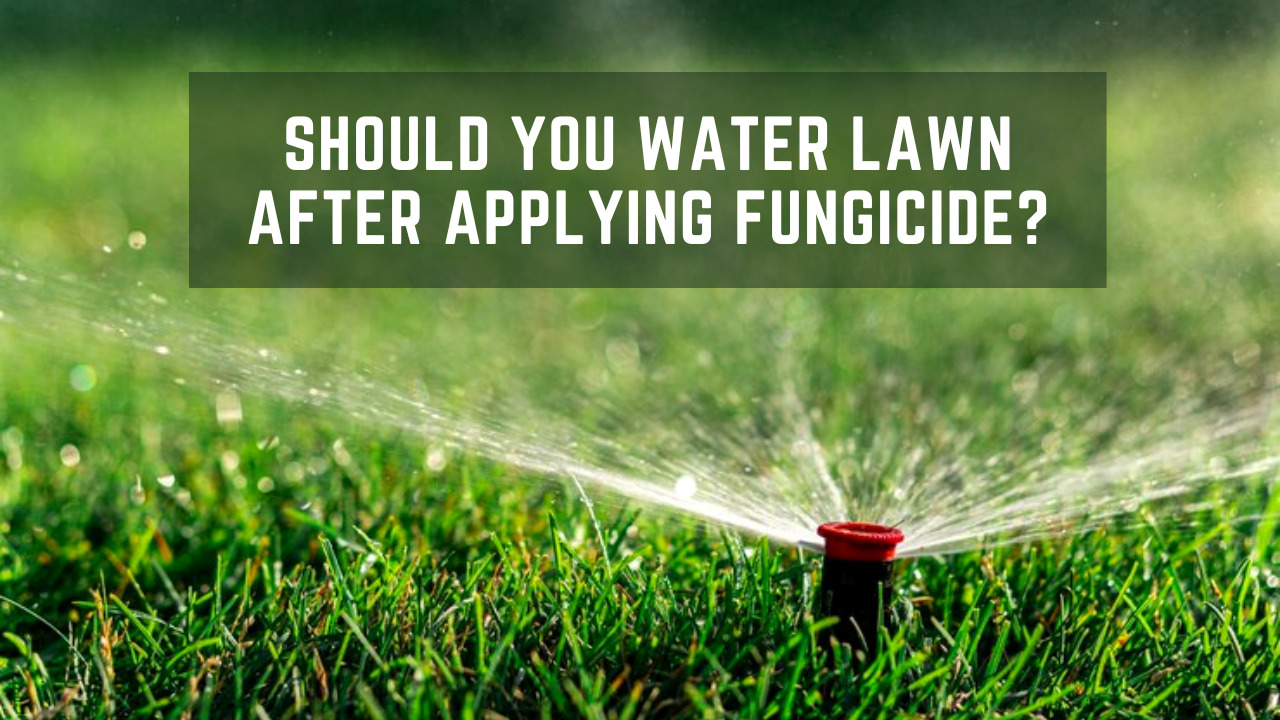
When applying fungicides, the question of whether to water afterward can impact the effectiveness of the treatment. In general, it is advisable to avoid watering your plants immediately after applying a fungicide. This is because watering can dilute the fungicide and reduce its effectiveness in controlling fungal diseases. Instead, allowing the fungicide to dry and adhere to the plant surfaces maximizes its protective qualities. However, it's essential to consider the type of fungicide used and the moisture requirements of the plants.
Understanding Fungicides
Fungicides are chemical or natural substances designed to kill or inhibit the growth of fungi that cause diseases in plants. They can be divided into systemic fungicides, which are absorbed by the plant, and contact fungicides, which stay on the surface. Knowing how your specific fungicide works is crucial in determining the best application method and timing for watering.
- Types of fungicides: Systemic vs. contact
- Application timing: Best practices for use
- Target diseases: Which fungi are being controlled
Effect of Watering on Fungicide Performance
Watering too soon after applying fungicide can wash away the treatment, especially if the fungicide is not yet dried on the leaf surfaces. This can significantly reduce the treatment's effectiveness, leaving the plants vulnerable to fungal infections. Proper timing in relation to watering is key to ensuring that the fungicide has time to act before being disturbed by water.
- Reduction of effectiveness: How watering can dilute treatments
- Importance of drying time: Allowing fungicides to adhere to plant surfaces
- Impact on disease control: Increased risk of fungal growth
Recommended Watering Schedule
A general recommendation is to wait at least 24 hours after applying a fungicide before watering your plants. This allows the fungicide enough time to penetrate and become effective. If possible, check the manufacturer's guidelines, as some products may have specific recommendations based on their formulation.
See also:
- Waiting period: 24-hour rule for optimal results
- Environmental conditions: Factors that may affect drying time
- Consulting product labels: Always read instructions
Potential Risks of Over-Watering After Application
Watering immediately after applying a fungicide can not only dilute the treatment but also create an environment conducive to fungal growth. Excess moisture can lead to additional problems such as root rot or reinforce fungal issues that the fungicide was intended to control.
- Root rot: How over-watering contributes to plant health issues
- Fungal reinfestation: Increased susceptibility
- Soil moisture management: Strategies to prevent excess moisture
Monitoring Plant Health After Treatment
After applying fungicide and watering appropriately, it’s important to monitor your plants for signs of improvement or continued problems. A successful treatment will often be evident through healthier foliage and a reduction in visible fungal symptoms. Regular observations can help determine if reapplication or further treatments are necessary.
- Signs of effectiveness: Improved plant appearance
- Continuing issues: What to look for
- Follow-up treatments: When and how to reapply
Can you spray fungicide on dew?

Spraying fungicide on dew can be a challenging practice. While it is technically possible to apply fungicide when there is dew on the leaves, there are several factors to consider to ensure effectiveness and avoid dilution of the chemical.
Impact of Dew on Fungicide Effectiveness
When dew is present on the leaves, it can cause the fungicide to be diluted, which may reduce its effectiveness. The moisture can also wash away the fungicide if it rains soon after application. It’s essential to understand the impact of water on the fungicide's active ingredients to make an informed decision.
- Dilution Effect: Dew can dilute the concentration of the fungicide, leading to poorer results.
- Rainwash: If there is rain shortly after spraying, the fungicide may be washed off, negating the application.
- Surface Coverage: Dew can create a barrier on leaves that prevents proper adhesion of the fungicide.
Optimal Conditions for Fungicide Application
For successful application of fungicide, it’s important to choose the right conditions. Ideally, fungicides should be applied when leaves are dry. This allows for better adherence and maximizes the fungicide's preventive effects against fungal infections.
- Dry Leaves: Apply fungicide when there is no dew or moisture on the leaves.
- Temperature: Use when temperatures are conducive for fungal growth, usually in the early morning or late afternoon.
- Wind Speed: Low wind conditions can help prevent drift and ensure accurate application.
Types of Fungicides
Different types of fungicides have various formulations that may react differently in the presence of moisture. Understanding the type of fungicide you are using can help you determine whether it can be applied on dew.
- Contact Fungicides: These must be applied directly to the pathogen and might lose effectiveness if diluted.
- Systemic Fungicides: These are absorbed by the plant, but application on wet surfaces can still complicate the absorption process.
- Natural Fungicides: Some organic options may perform better under moisture, but you still need to consider adhesion.
Preventing Fungal Diseases
Preventing fungal diseases is crucial in maintaining healthy plants. While fungicides can be effective, the best approach combines chemical treatment with other preventive measures.
- Cultural Practices: Rotate crops and practice good sanitation to minimize disease prevalence.
- Watering Techniques: Water plants early in the morning to reduce moisture on foliage during the night.
- Proper Spacing: Ensure plants are properly spaced for airflow, reducing humidity around the foliage.
Timing of Application
The timing of fungicide application is vital for effective disease management. Applying at the right moment can help tackle fungal outbreaks before they escalate.
- Preventive Application: Use fungicides proactively when conditions are favorable for fungal growth.
- Curative Application: If disease symptoms are noticed, apply immediately, ideally on dry foliage.
- Regular Monitoring: Keep an eye on weather patterns and plant health to adjust application timing accordingly.
Questions from Our Readers
Is it better to apply fungicide in the morning or evening?
Applying fungicide in the morning is often recommended because the conditions—such as temperature and humidity—are usually more favorable for effective absorption and less risk of evaporation. Morning applications can also allow the product more time to work before the intense afternoon heat can start to degrade it.
What are the benefits of applying fungicide in the evening?
Applying fungicide in the evening can help reduce evaporation and increase the effectiveness of the treatment, as cooler temperatures and higher humidity levels may prevail at this time. Additionally, fungicide applied in the evening has the opportunity to work overnight when the plants are not actively photosynthesizing.
Does the type of fungicide affect when it should be applied?
Yes, the type of fungicide can influence the optimal timing for application. Some fungicides may require sunlight to activate effectively, making morning applications ideal, while others may be more beneficial when applied later in the day to avoid quick degradation from heat and light.
See also:
What should I consider besides time of day for applying fungicide?
Apart from the time of day, it's crucial to consider weather conditions, such as wind and rain, as these can impact the effectiveness of the fungicide. Additionally, evaluating the plant condition and timing in relation to any potential pest or disease outbreaks is essential for achieving the best results.

If you want to read more articles like Is it better to apply fungicide in the morning or evening? A Guide to Optimal Application Times, we recommend you check out our Garden category.
Leave a Reply
Related Articles