Is Dog Pee Bad for Hostas? Discover the Impact on Your Garden and Plants
As pet owners, we often find ourselves navigating the challenges of maintaining a beautiful garden while accommodating our furry friends. One common concern for gardeners is the effect of dog urine on plants, particularly hostas, which are cherished for their lush foliage and vibrant beauty. While dogs are beloved companions, their urine contains high levels of nitrogen and other compounds that can potentially harm delicate plants. This article delves into the impact of dog pee on hostas, exploring how it affects their growth and overall health, and offers practical tips for gardeners to protect their plants while enjoying the company of their pets.
Is Dog Pee Bad for Hostas?
Dog urine can have detrimental effects on hostas, primarily due to its high nitrogen content. While plants require nitrogen for growth, excessive amounts can lead to burning or browning at the tips of hosta leaves, making them look unhealthy and unattractive. Additionally, the concentrated nature of dog urine can alter the pH of the soil, potentially affecting the overall health of the hosta. If multiple dogs frequent a particular area, the cumulative impact of their urine can further exacerbate these issues, leading to stunted growth or even plant decline. It's essential for dog owners to manage their pets' habits concerning hostas to ensure these beautiful plants remain healthy and vibrant.
How Does Dog Urine Affect Soil pH?
Dog urine is often high in nitrogen, which can significantly change the pH levels of the soil where hostas are planted. An increase in nitrogen can lead to a more acidic soil environment. While hostas can tolerate a range of soil pH, dramatic fluctuations caused by dog urine might cause nutrient imbalances, affecting the plants' growth and overall health. Maintaining a balanced soil pH is crucial for hostas to thrive, making it important to monitor areas where dogs frequently urinate.
Signs of Damage on Hostas from Dog Urine
When hostas are exposed to dog urine, the most noticeable signs of damage include leaf burn and browning around the edges of the leaves. These symptoms arise from the salt and nitrogen in the urine, which can lead to dehydration of plant cells. Other indicators may include wilting or distorted growth patterns. Observing these signs can help gardeners determine whether their hostas are suffering from dog urine damage and prompt necessary interventions.
Preventive Measures for Hostas and Dog Urine
To protect hostas from the adverse effects of dog urine, several preventive measures can be taken. One approach is to create a designated urination spot for dogs away from garden areas, encouraging them to relieve themselves in less sensitive parts of the yard. Additionally, using barriers or fencing around hostas can help shield them from pet traffic. Regularly irrigating the area where dogs urinate can dilute the nitrogen and help mitigate damage, promoting healthier plants.
Can Hostas Recover from Dog Urine Damage?
Yes, hostas can often recover from minor damage caused by dog urine, provided that the underlying conditions are addressed. After identifying signs of injury, it is essential to improve the watering regime, ensuring hostas receive adequate moisture to combat the effects of nitrogen burn. Furthermore, applying organic matter or mulch can help replenish lost nutrients and stabilize soil conditions, giving damaged hostas a chance to recover and thrive once more.
Alternative Plants to Consider if Dog Urine is a Concern
If dog urine presents a significant risk to hostas in your garden, consider planting more urine-tolerant species. Some alternatives include sword ferns, daylilies, and sedums, which tend to be more resilient to the effects of nitrogen-rich substances. When selecting plants, focus on selecting hardy varieties that can withstand exposure to dog urine without sustaining serious damage, ensuring your garden remains healthy and vibrant.
| Effect | Description |
|---|---|
| Leaf Burn | Damage at the tips of leaves due to high nitrogen content. |
| Color Changes | Browning or discoloration of leaves due to excessive nitrogen. |
| Soil pH Changes | Alteration of soil pH leading to nutrient imbalances. |
| Stunted Growth | Reduced growth potential caused by prolonged exposure. |
| Recovery | Potential for hostas to bounce back with proper care. |
Can hostas survive dog urine?

Hostas are popular perennial plants known for their lush foliage and shade tolerance. However, many gardeners may wonder about their resilience to various environmental factors, including dog urine. Dog urine can be a concern as it contains nitrogen and other compounds that can potentially harm plants. Hostas, in particular, may react differently to dog urine depending on several factors.
Effects of Dog Urine on Hostas
Hostas can experience a variety of reactions when exposed to dog urine. The high nitrogen content can initially be beneficial, promoting growth in small doses. However, excessive exposure can lead to burning of the foliage and other adverse effects. The plant may show signs of distress, which include:
See also:
- Yellowing leaves: This can occur due to nitrogen toxicity.
- Browning tips: The leaf margins may become crispy and brown.
- Stunted growth: Overexposure can hinder the plant’s overall development.
How to Protect Hostas from Dog Urine
To mitigate the negative effects of dog urine on hostas, garden owners can take several proactive measures. Implementing protective strategies can help preserve the health of these plants, such as:
- Creating barriers: Using borders or fencing to keep dogs away.
- Designating a dog area: Training dogs to urinate in a specific spot away from plants.
- Regular watering: Watering the area can help dilute the concentration of urine.
Signs of Hostas Recovering from Damage
If hostas have been affected by dog urine, they may begin to recover over time with proper care. Observing certain signs can help identify if the plants are bouncing back, including:
- New growth: Fresh shoots or leaves indicate recovery.
- Less browning: A decrease in burnt areas on existing leaves.
- Healthier colors: Greener and vibrant foliage signifies improved health.
Long-term Effects of Dog Urine on Soil
Dog urine not only affects the hostas directly but can also impact the soil composition over time. The long-term effects may include:
- Soil fertility: The presence of nitrogen can alter soil nutrient levels.
- pH changes: Urine may contribute to fluctuations in soil acidity.
- Microbial activity: Dog urine can affect the balance of beneficial microbes in the soil.
Alternative Plants for Dog Owners
For those concerned about the effects of dog urine on hostas, considering alternative plants that are more resilient may be a worthwhile strategy. Options include plants that can better tolerate such conditions, such as:
- Daylilies: Known for their hardiness.
- Ferns: Tolerant of various conditions including urine.
- Peonies: Robust plants that can withstand stress.
Will dog urine hurt plants?
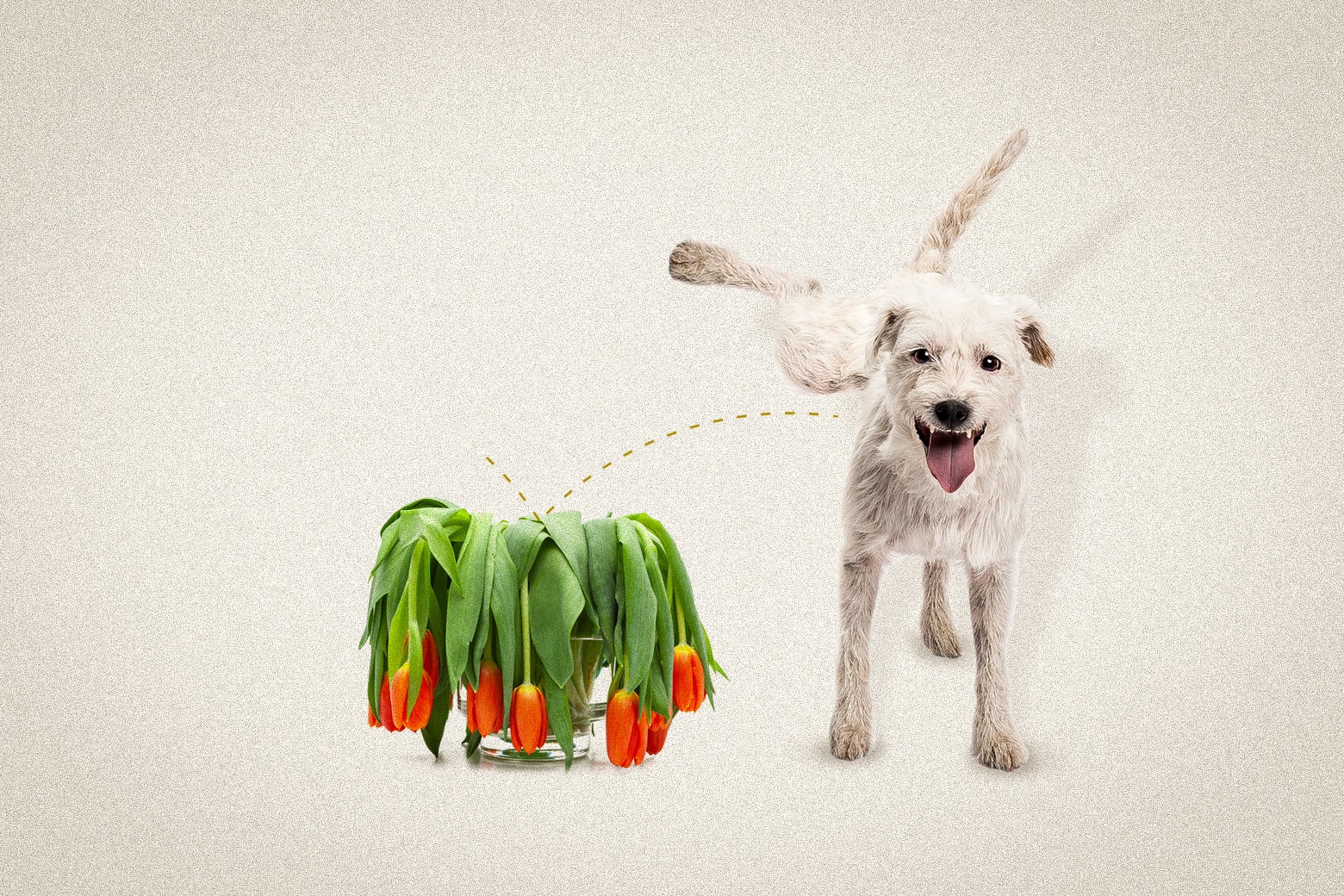
Dog urine can indeed hurt plants due to its chemical composition and the concentration of certain elements. When a dog urinates on a plant or the surrounding soil, the urine introduces high levels of nitrogen, urea, and salts. While nitrogen is essential for plant growth, an excessive amount can lead to burning or scorching of the plant’s foliage, especially in delicate plants. Additionally, the urea can convert into ammonia under certain conditions, which can be particularly harmful to plants. The salts present in urine can also disrupt the soil’s moisture balance, affecting the plant's ability to absorb water.
What Components are in Dog Urine?
Dog urine contains a variety of components that can have differing effects on plants:
- Nitrogen: Beneficial in small amounts, but excessive nitrogen can lead to leaf burn.
- Urea: Converts to ammonia, which can be harmful to roots when concentrated.
- Salts: High levels can create an unfavorable soil environment.
How Does Dog Urine Affect Soil pH?
Dog urine can alter the pH of the soil, often making it more acidic. This change can:
- Limit Nutrient Availability: Certain nutrients become less available to plants in acidic conditions.
- Affect Plant Health: Specific plants prefer neutral or slightly alkaline soils, which can be harmed by increased acidity.
- Encourage Weeds: Some weeds thrive in acidic soils, potentially outcompeting desired plants.
Can Certain Plants Tolerate Dog Urine?
Yes, some plants are more tolerant of dog urine than others:
- Native Plants: Many native species are adapted to local soil conditions and may withstand urine exposure better.
- Hardy Perennials: Plants like daylilies and sedums often manage higher nitrogen levels without significant damage.
- Grasses: Lawns often recover more readily from dog urine than shrubs or flowers.
How to Minimize Damage from Dog Urine?
To lessen the impact of dog urine on plants:
See also:
- Watering: Rinse the area with water immediately after your dog urinates to dilute urine concentration.
- Training: Teach your dog to urinate in designated areas, like gravel or mulch, away from sensitive plants.
- Plant Selection: Choose more resilient plants for areas where dogs frequently urinate.
Are There Any Benefits of Dog Urine for Plants?
While dog urine can be harmful, it may have some benefits under specific circumstances:
- Nitrogen Source: In small amounts, nitrogen can boost plant growth and health.
- Natural Fertilizer: When diluted properly, urine can serve as an organic fertilizer.
- Soil Aeration: Animals’ activity, including their urine, can help aerate the soil, promoting root health.
How to treat a dog eating hosta plants?
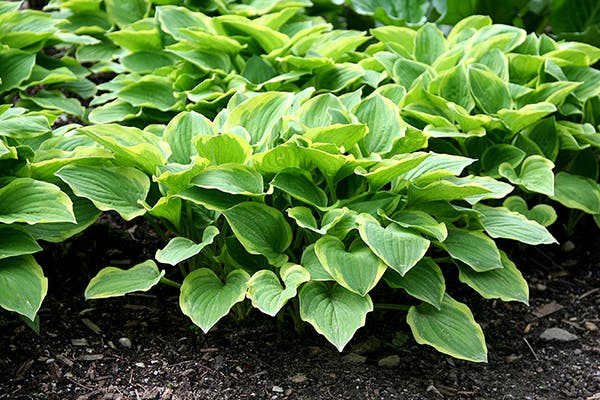
To treat a dog eating hosta plants, it’s crucial to address both the issue of the plant consumption and to consider the health implications for your pet. Hosta plants contain compounds that can be toxic to dogs, causing symptoms like vomiting, diarrhea, and lethargy. Here are steps to effectively manage this situation:
Identify Symptoms of Hosta Toxicity
Observing your dog for any symptoms after consuming hosta is critical. Early identification can lead to quicker treatment.
- Vomiting: Watch for frequent vomiting, which is a common reaction to toxins.
- Diarrhea: Diarrhea can also occur; it’s essential to monitor the severity.
- Lethargy: A noticeable drop in energy levels may indicate distress.
Remove Access to Hosta Plants
To prevent further incidents, remove your dog's access to hosta plants in your garden or home.
- Physical Barriers: Use fences or barriers to keep your dog away from hosta plants.
- Relocation: Consider moving hosta plants to areas that are completely inaccessible to your dog.
- Alternative Plants: Replace hostas with non-toxic plants safer for dogs.
Consult a Veterinarian
If you suspect your dog has ingested hosta plants, contacting your veterinarian should be a priority.
- Emergency Care: Your vet may recommend immediate treatment based on symptoms.
- Follow-up: Schedule a follow-up visit to monitor your dog's recovery and health status.
- Prevention Advice: Get professional advice on preventing future toxic plant ingestion.
Provide Supportive Care
While awaiting professional treatment, you can support your dog's recovery at home.
- Hydration: Ensure your dog has plenty of fresh water to avoid dehydration from vomiting or diarrhea.
- Rest: Allow your dog to rest in a comfortable environment.
- Monitor Behavior: Keep close watch for any changes in behavior or worsening symptoms.
Educate Yourself on Toxic Plants
Knowledge about toxic plants can help you create a safe environment for your dog.
- Research Toxic Plants: Look into other common plants that may be harmful to pets.
- Dog-Safe Gardening: Learn about dog-friendly gardening practices and plant selections.
- Training: Train your dog to avoid eating plants, using commands or distractions.
Questions from Our Readers
Is dog pee harmful to hostas?
Dog urine can be harmful to hostas as it contains nitrogen and other compounds that can lead to burning of the plant's leaves. This damage often manifests as yellowing or browning edges. However, if the concentration is low and the plant is well established, it may tolerate some level of exposure.
How can I prevent dog urine from damaging my hostas?
To prevent dog urine from affecting your hostas, you can create a barrier or designate a specific area for your dog to relieve itself. Regularly watering the hostas can also help dilute the urine that might come in contact with them, thus reducing potential damage.
See also:
Are some hosta varieties more resistant to dog urine?
Generally, all hosta varieties can be affected by dog urine; however, those that are more resilient might show less damage. It's worth noting that the overall health and vigor of a particular hosta can impact its ability to withstand occasional exposure to urine.
What should I do if my hostas are already damaged by dog urine?
If your hostas show signs of damage from dog urine, you should trim away any dead or affected leaves to promote new growth. Ensuring the plants receive adequate water and nutrients can help them recover over time. Additionally, consider adjusting your dog's bathroom habits to protect the plants moving forward.

If you want to read more articles like Is Dog Pee Bad for Hostas? Discover the Impact on Your Garden and Plants, we recommend you check out our Hostas category.
Leave a Reply
Related Articles