Ultimate Guide: How Often Should I Fertilize Hostas for Lush Growth?

Proper fertilization is crucial for achieving lush, vibrant growth in hostas, beloved for their stunning foliage and adaptability. However, many gardeners may be uncertain about the optimal frequency for fertilizing these shade-loving perennials. This ultimate guide will explore the best practices for fertilizing hostas to promote healthy, robust plants. We'll cover essential factors such as soil type, local climate, and the specific needs of different hosta varieties. By understanding how often to fertilize your hostas, you can ensure they thrive in your garden, offering beauty and texture year after year.
How Often Should I Fertilize Hostas?
Fertilizing hostas is essential for promoting healthy growth and vibrant foliage. Generally, it's recommended to fertilize hostas once in early spring when new growth begins to emerge and again in mid-summer if the plants look like they need a boost. Using a balanced, slow-release fertilizer or a fertilizer high in nitrogen can support strong leaf development and overall vigor. It's important not to over-fertilize, as this can lead to excessive growth that may make the plants more vulnerable to pests and diseases. Watering after fertilization helps the nutrients penetrate the soil and reach the roots.
Best Fertilizer for Hostas
Choosing the right fertilizer is crucial for fostering healthy hostas. A balanced fertilizer with an N-P-K ratio (nitrogen-phosphorus-potassium) such as 10-10-10 or a slow-release organic fertilizer can provide the nutrients hostas need for robust growth. Alternatively, a fertilizer higher in nitrogen, like 20-10-10, can encourage lush foliage, which is one of the primary attractions of hostas. Always follow the manufacturer's instructions for application rates to avoid harming the plants.
Signs Your Hostas Need Fertilization
Hostas can indicate their need for fertilization through several signs. If the leaves appear pale or yellowish, it may suggest a nitrogen deficiency, which can be rectified with appropriate fertilization. Additionally, if growth seems stunted or the plant lacks vigor compared to surrounding plants, it may benefit from extra nutrients. Keeping an eye out for these signs can help in achieving lush, vibrant hostas.
Timing for Fertilization
The timing of fertilization is key to the success of hostas. The best time to fertilize is early spring, right as the plants start to emerge from dormancy. This initial application gives hostas the nutrients they need to kickstart growth. A second application may be made in mid-summer if the plant appears to be struggling or if it has been particularly rainy, which can wash away nutrients. Fertilizing during the fall is generally not recommended, as hostas begin to prepare for dormancy.
Watering After Fertilization
Watering hostas after fertilization is a crucial step that shouldn’t be overlooked. This helps to activate the nutrients in the fertilizer and ensures they reach the root system. Ideally, hostas should be watered thoroughly after applying fertilizer to promote nutrient uptake. This is especially important in warmer months when moisture levels can drop quickly. Proper watering can also help mitigate any potential fertilizer burn on the plant’s roots.
Frequency of Fertilization
For optimal health, it's best to fertilize hostas twice a year; once in early spring and again around mid-summer if necessary. Over-fertilization can lead to weakening the plants and making them susceptible to diseases and pests. Observing the health of the hostas throughout the growing season will also aid in determining if extra applications are needed or if the plants are maintaining their vitality.
| Timing | Type of Fertilizer | Frequency |
|---|---|---|
| Early Spring | Balanced or High Nitrogen | Once |
| Mid-Summer | Organic or Balanced | Once (if needed) |
What is the best fertilizer to use for hostas?
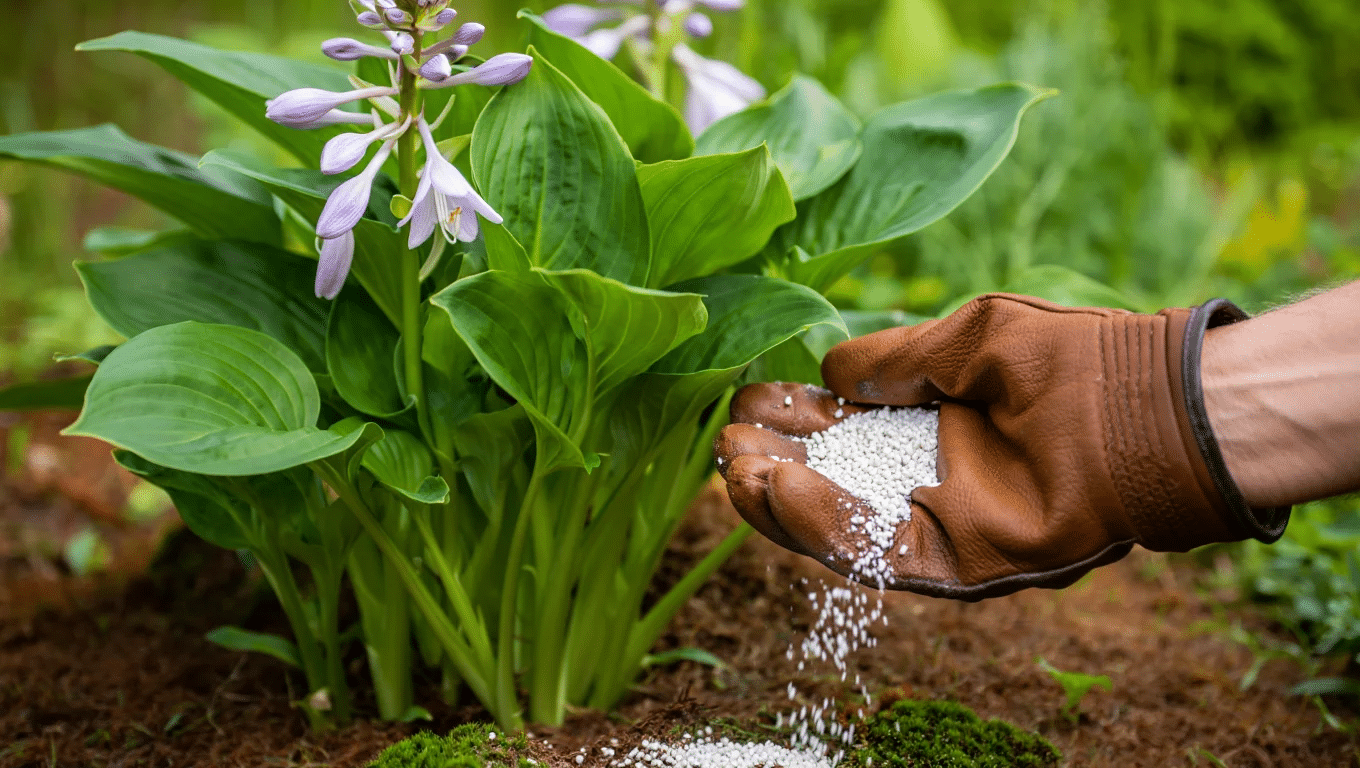

The best fertilizer to use for hostas is a balanced, slow-release fertilizer, typically in a ratio of 10-10-10 or 14-14-14. This means that the fertilizer contains equal parts of nitrogen, phosphorus, and potassium, which are essential nutrients for hostas. Additionally, hostas thrive in rich, organic soil that retains moisture, so incorporating compost or well-rotted manure can further enhance their growth. When applying fertilizer, timing is also crucial. The best time to fertilize hostas is in the early spring, just as they begin to emerge from dormancy. This will provide them with the nutrients they need to initiate new growth.
Fertilizer Type
Using a slow-release granular fertilizer is ideal for hostas. This type of fertilizer gradually releases nutrients over time, which helps prevent nutrient burn and promotes consistent growth. Liquid fertilizers can also be used but should be applied more frequently.
- Granular fertilizers: These can be mixed into the soil at the beginning of the growing season.
- Liquid fertilizers: They can be used for a quick nutrient boost, but should be diluted to prevent plant shock.
- Organic options: Such as fish emulsion or seaweed extract, are great for promoting healthy growth without chemicals.
Fertilizing Schedule
A proper fertilizing schedule is essential for optimal hosta growth. Generally, you should fertilize them at least once a year, but additional feedings can be beneficial during the growing season.
- Early spring: As hostas start to grow, apply fertilizer to kickstart their development.
- Mid-summer: A second application can help sustain growth during peak season.
- Fall: Consider applying a final dose of fertilizer to prepare plants for dormancy.
Soil Preparation
Before applying fertilizer, it is crucial to prepare the soil adequately. Hostas prefer rich, well-draining soil that is high in organic matter.
- Soil testing: Conduct a soil test to determine nutrient levels and pH, adjusting accordingly.
- Adding compost: Mix compost or aged manure into the soil to improve nutrient content and drainage.
- Mulching: Apply organic mulch after fertilization to retain moisture and suppress weeds.
Signs of Nutrient Deficiency
Recognizing the signs of nutrient deficiency is vital in maintaining healthy hostas. Yellowing leaves, stunted growth, or poor flowering may indicate a lack of essential nutrients.
- Yellowing leaves: Often signifies a nitrogen deficiency.
- Poor growth: Can indicate insufficient phosphorus or potassium.
- Deformed leaves: May point to a lack of micronutrients or poor soil quality.
Potential Risks of Over-Fertilization
While fertilizing is important, over-fertilization can lead to significant risks such as burning the roots or encouraging pest infestations.
- Root burn: Too much fertilizer can harm or kill plant roots.
- Pest attraction: Overly fertilized plants may attract pests that are drawn to lush growth.
- Environmental impact: Excessive fertilization can lead to nutrient runoff, harming local ecosystems.
How do you keep hostas happy?

To keep hostas happy, it is essential to provide them with the right conditions that mimic their natural habitat. Hostas thrive in shaded and moist environments, so replicating these elements in your garden is crucial. Here are key factors to consider:
See also:
Watering Requirements
Hostas require consistent moisture to flourish. It is important to strike a balance between overwatering and underwatering. Here are some guidelines:
- Water deeply and regularly, especially during dry spells.
- Check the soil moisture before watering; the top inch should feel moist.
- Use mulch to retain moisture in the soil.
Soil Conditions
The type of soil in which hostas are planted significantly affects their health. Hostas prefer rich, well-draining soil with good organic matter. Consider the following:
- Incorporate compost or aged manure to improve soil fertility.
- Ensure the soil pH is between 6.0 and 7.5 for optimal growth.
- Avoid heavy clay soils which retain too much water; amend with sand or peat.
Light Requirements
While some varieties of hostas can tolerate sunlight, most prefer partial to full shade. Understanding their light needs is essential:
- Choose a location that receives filtered sunlight or dappled shade.
- Avoid planting them in areas with intense afternoon sun.
- Monitor for signs of scorch on leaves, which indicates too much sun exposure.
Pest and Disease Management
Hostas can be susceptible to various pests and diseases, which can threaten their health. To keep them thriving, ensure proper management:
- Regularly inspect leaves for signs of slugs and snails, common pests for hostas.
- Apply organic or chemical treatments as necessary, following the instructions carefully.
- Remove any damaged leaves to prevent the spread of disease.
Fertilizing Practices
Providing the right amount of fertilizer can significantly enhance hosta growth and development. Follow these practices for effective fertilization:
- Use a balanced, slow-release fertilizer in early spring.
- Apply additional fertilizer mid-summer, if necessary, to promote further growth.
- Avoid over-fertilization, which can lead to burnt roots and reduced plant vigor.
Questions from Our Readers
How often should I fertilize hostas?
To promote healthy growth, it is recommended to fertilize hostas about once in early spring when the plants emerge. This timing ensures that the nutrients are available as the hostas begin to grow, enhancing their overall vigor and leaf quality.
What type of fertilizer is best for hostas?
The best fertilizer for hostas is a balanced, slow-release fertilizer that is designed for foliage plants. Look for products with higher nitrogen levels to support lush leaf development, and consider organic options like compost or well-rotted manure for a natural approach.
Can I fertilize hostas more than once a year?
While it's generally sufficient to fertilize hostas once in spring, you can consider a second application in mid-summer if the plants show signs of nutrient deficiency or if the soil is particularly poor. Just be cautious not to over-fertilize, as this can damage the plants.
See also:
How do I know if my hostas need fertilization?
Signs that your hostas may need fertilization include stunted growth, yellowing leaves, or small leaf size. If you notice these symptoms, it may be time to apply a fertilizer to provide the necessary nutrients for healthy development and vibrant foliage.
If you want to read more articles like Ultimate Guide: How Often Should I Fertilize Hostas for Lush Growth?, we recommend you check out our Hostas category.
Leave a Reply
Related Articles