When to Divide Hostas? Essential Tips for Successful Plant Division

Hostas are prized for their lush foliage and adaptability, making them a favorite among gardeners. However, to maintain their health and vibrancy, knowing when and how to divide these perennials is essential. Dividing hostas not only rejuvenates the plants but also allows you to expand your garden or share with friends. Timing and technique are crucial to ensure successful division without harming the plants. In this article, we will explore the best times to divide hostas, providing essential tips to make the process smooth and effective. Discover the secrets to thriving hostas through proper division practices.
When to Divide Hostas?
Dividing hostas is an essential part of their growth and maintenance, and the best time to undertake this task is in the early spring or late summer. During these periods, the plants are more resilient, and the cooler temperatures help minimize stress. Early spring allows for division just as the new growth starts to emerge, while late summer gives ample time for new roots to establish before winter. Observing the size and health of the hostas is crucial; if they become overcrowded or their growth slows down, it’s an indication that it’s time for division.
Signs Your Hostas Need Dividing
One of the most evident signs that your hostas need dividing is when they start to look crowded and their growth becomes stunted. If the center of the plant begins to die out or the leaves are smaller than usual, these are clear indicators that the plants are competing for nutrients. In addition, if they are not blooming as profusely as before or the foliage appears less vibrant, it signifies that they could benefit from a fresh start by being separated into smaller clumps.
Best Time to Divide Hostas
Timing is critical when dividing hostas; the optimal times are in early spring and late summer. Early spring division occurs just before the new growth begins, allowing the plant to recover quickly and thrive during the growing season. Conversely, late summer division gives the plants time to root and establish themselves before the winter chill sets in, which can prevent them from suffering damage during the colder months.
How to Divide Hostas
To divide hostas, start by preparing the area where you intend to plant the divided roots, ensuring it has well-draining soil and a suitable amount of sunlight. Gently dig around the hosta clump using a spade or garden fork, carefully lifting it from the ground. At this point, you can use a sharp spade or knife to cut the root ball into two or more sections, ensuring each has a sufficient number of roots and foliage. After dividing, plant each section in its new location, remembering to water them adequately after planting to help them settle in.
Care After Dividing Hostas
Once hostas have been divided and replanted, they require careful attention to ensure a successful establishment. It is essential to keep the soil consistently moist but not waterlogged. Applying a layer of mulch can help retain soil moisture and suppress weed growth. Additionally, monitor the plants for signs of stress such as wilting or yellowing leaves, which could indicate that they need extra water or a balanced fertilization program to promote recovery and growth.
Common Mistakes When Dividing Hostas
Some common mistakes made when dividing hostas include delaying the process too long or dividing them during extreme heat. Dividing during peak summer temperatures can lead to excessive stress, while waiting too long can result in overcrowded plants that are less healthy. Additionally, failing to give each divided section enough roots or foliage can hinder their ability to thrive in their new environment. Another mistake is neglecting post-division care, which is crucial for the plants' recovery and successful growth.
| Action | Best Timing | Benefits |
|---|---|---|
| Dividing Hostas | Early Spring, Late Summer | Promotes healthy growth, Prevents overcrowding |
| Caring for Divided Hostas | Post-Division | Boosts recovery and establishment |
| Common Mistakes | All Year | Helps avoid plant stress and decline |
What month do you divide hostas?
:strip_icc()/dividing-hosta-plants-BKS033209-16-9-bb7d9518a2684d588b35c65bab05eaf2.jpg)
To divide hostas effectively, you can do it in the spring or early fall. The optimal timing is typically from late April to early June in the spring, and from August to September in the fall. This allows the plants to become established before the stress of winter or the heat of summer.
Timing for Dividing Hostas
Dividing hostas at the right time is crucial for their health and growth. Spring division is beneficial as the plants are just starting to emerge from dormancy, leading to vigorous growth after splitting. In the fall, dividing before the first frost allows the hostas to re-establish roots before winter.
See also:
- Spring (April to June) is ideal for rejuvenation.
- Fall (August to September) allows root establishment before winter.
- Both seasons can lead to healthy new growth.
Signs That Hostas Need Dividing
Understanding when to divide hostas involves recognizing specific signs of overcrowding or poor health. If your hostas are exhibiting slower growth, fewer flowers, or if they're running out of space, then dividing them may be necessary. Signs like these indicate that their root systems are becoming too crowded, which can lead to competition for nutrients and water.
- Poor growth rate compared to previous years.
- Reduced flowering or smaller leaves.
- Visible overcrowding, where plants overlap.
Preparation for Dividing Hostas
Proper preparation is essential to ensure a successful division process. Before dividing your hostas, make sure you gather all necessary tools and supplies, such as a sharp spade or garden fork, which can easily penetrate the soil without damaging the roots. Moistening the ground prior to division can also help in loosening the soil around the plants.
- Gather a sharp spade or garden fork.
- Moisten the soil to ease the digging process.
- Prepare new planting areas for the divided sections.
How to Divide Hostas
The division process itself requires care to minimize stress on the plants. Start by digging around the root ball of your hosta and gently lift it from the ground. Carefully separate the root clumps with your hands or a tool, ensuring that each division has healthy roots and some foliage. Replant immediately in prepared soil to ensure they recover well from the division.
- Dig around the root ball carefully.
- Separate the clumps gently with minimal damage.
- Replant each division promptly to reduce stress.
Caring for Divided Hostas after Planting
Post-division care is crucial for the success of the newly planted hostas. Water them adequately to ensure that the soil remains moist but not soggy, which promotes root recovery and growth. Additionally, some light fertilization a few weeks after replanting can help stimulate growth, but be careful not to over-fertilize.
- Ensure regular watering without over-saturating.
- Apply a light fertilizer after a few weeks.
- Monitor for signs of stress or disease in the new plants.
What happens if you don't split hostas?
If you don't split hostas, several consequences may arise that can affect the health and aesthetics of these popular perennial plants. Hostas are known for their lush foliage and ability to thrive in shady areas, but without regular splitting, they can become overcrowded, leading to various issues. Here are the key outcomes of not splitting hostas:
Overcrowding
Over time, hostas can grow significantly in size, leading to overcrowding in their designated area. This condition can result in:
- A depletion of nutrients in the soil since multiple plants compete for the same resources.
- Reduced air circulation between the plants, which can encourage the growth of mold and other diseases.
- Increased competition for water, which may lead to drought stress for some plants.
Decreased Flower Production
If you neglect to split your hostas, you may notice a significant decline in their flower production. This can happen due to:
- Limited energy resources as the plant’s energy is spent on maintaining its size rather than producing flowers.
- Insufficient light reaching the inner parts of the plant, which can inhibit flowering.
- Overcrowded roots competing for space, leading to a general decline in vigor.
Health Problems
Not splitting hostas can lead to various health problems within the plants. These can include:
- An increased likelihood of pest infestations as dense foliage provides a better habitat for pests.
- Higher risk of disease transmission among plants due to close proximity and lack of airflow.
- Weakening of individual plants, making them more susceptible to environmental stresses.
Unattractive Appearance
Visually, a lack of splitting can result in an unattractive appearance for your garden or landscape. This may manifest as:
See also:
- Uneven growth patterns where some plants are significantly larger than others.
- Overgrown and tangled foliage that detracts from the overall aesthetic.
- Difficulty in highlighting the unique characteristics of different hosta varieties due to their mixed growth.
Limited Expansion Potential
When hostas are not split, their expansion potential is severely limited. This can lead to:
- A stunted growth as the crowded root system cannot support further size increases.
- A limitation on the ability to share or propagate hostas with friends or neighbors.
- Reduction in overall garden diversity since one will inevitably have to remove some plants to make space.
How quickly do hostas multiply?
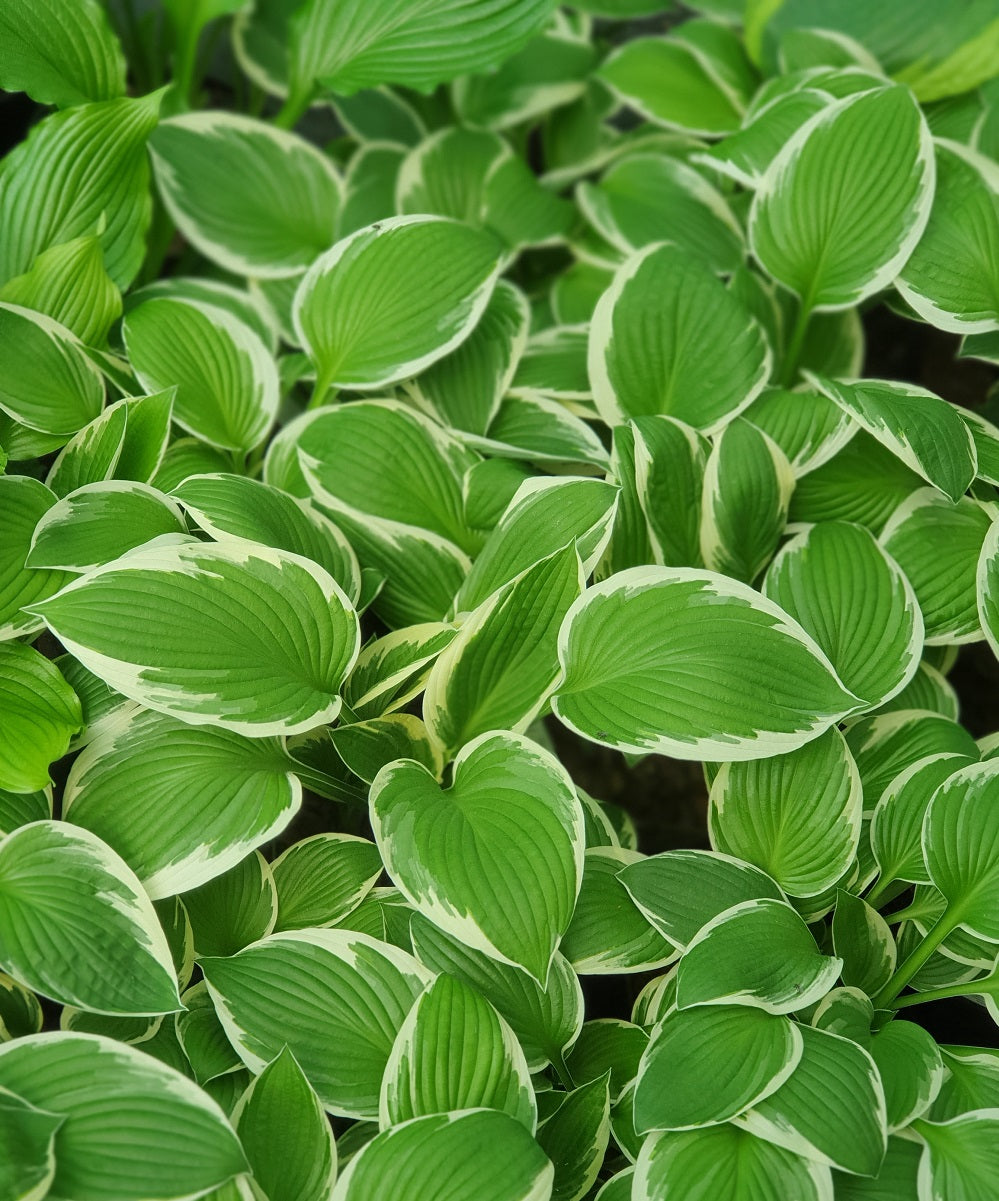
Hostas are known for their ability to multiply and thrive in various garden conditions. The speed at which hostas multiply primarily depends on several factors including the species of hosta, the growing conditions, and the method of propagation. Generally speaking, hostas can multiply quite quickly when conditions are favorable. Here’s a detailed breakdown of how quickly hostas can multiply.
Growth Rate of Hostas
Hostas are perennial plants, which means they come back year after year. When planted in the right conditions, they can grow rapidly. Depending on the variety, hostas can reach full size within two to five years. Their growth rate is influenced by factors such as soil quality, sunlight exposure, and water availability.
- Optimal soil contributes to faster growth.
- Adequate sunlight increases leaf production.
- Consistent moisture is essential for healthy growth.
Methods of Multiplication
Hostas can multiply through several methods, including division, seeds, and tissue culture. The most common and efficient method is division, which involves breaking apart the root clumps. This method allows for quick propagation and can yield multiple new plants almost immediately.
- Division is best performed in spring or fall.
- Each division can produce new plants within a single growing season.
- Seeds take longer, often requiring two to three years to produce mature plants.
Factors Affecting Multiplication Speed
The speed with which hostas multiply can be significantly affected by environmental conditions. Factors such as the climate, the type of soil, and the amount of care given will influence their growth rates and overall health.
- Warmer climates can lead to faster growth.
- Well-drained, nutrient-rich soil promotes healthy root systems.
- Regular maintenance, such as watering and fertilization, can enhance growth.
Timeframes for Expansion
When hostas are properly cared for, they can expand in size and cover ground quickly. In just a few years, a cluster of hostas can double or even triple in size under optimal conditions.
- Hostas may reach full size within two to five years.
- New divisions can establish roots and grow into mature plants within a single growing season.
- In favorable conditions, dense clusters can form in as little as three years.
Impact of Transplanting
When hostas are transplanted, they may experience a brief slowdown in growth as they adjust to their new environment. However, once established, they typically begin to multiply once again.
- Transplanted hostas may take a season to settle in.
- After acclimatization, they can resume rapid growth.
- Container-grown hostas can be easier to transplant and establish quickly.
Questions from Our Readers
When is the best time to divide hostas?
It's generally recommended to divide hostas in the early spring or late summer. Dividing in early spring allows the plants to establish roots before the hot summer months, while late summer provides them ample time to recover before going dormant in the fall. To ensure the best results, pay attention to the weather conditions and avoid dividing during extreme heat.
How often should hostas be divided?
Hostas should typically be divided every 3 to 5 years. This interval helps to manage their size and rejuvenate their growth, leading to healthier plants. However, if you notice that your hostas are becoming overcrowded or their blooms are diminishing, it might be a sign to divide them sooner than the recommended timeframe.
See also:
What tools do I need to divide hostas?
To divide hostas effectively, you will need a few essential tools: a sharp spade or garden fork, a pruning knife or shears for cutting roots, and possibly a trowel for smaller divisions. Always ensure that your tools are clean and sharp to minimize damage to the plants during the process.
How do I care for hostas after dividing them?
After dividing hostas, it's important to give them proper care to help them recover. Ensure they are planted in well-draining soil and water them thoroughly. Additionally, applying a layer of mulch can help retain moisture and regulate soil temperature. It’s also advisable to keep them in a partially shaded location until they re-establish.

If you want to read more articles like When to Divide Hostas? Essential Tips for Successful Plant Division, we recommend you check out our Hostas category.
Leave a Reply
Related Articles