Do Hostas Do Well in Full Sun? Discover the Best Conditions for Healthy Growth

Hostas are cherished for their lush foliage and versatility in garden design, but many gardeners wonder: do hostas thrive in full sun? While these shade-loving plants are commonly associated with cooler, shaded environments, some varieties can adapt to sunnier spots under the right conditions. In this article, we will explore the requirements for healthy hosta growth, including sunlight exposure, soil quality, and moisture levels. Understanding these factors will help you create an optimal environment for your hostas, including tips on selecting the best varieties for sun-drenched gardens. Join us as we delve into the world of hostas and their growing preferences.
Do Hostas Thrive in Full Sun?
Hostas are generally known for their tolerance of shade, but their ability to thrive in full sun can depend on the specific variety and the conditions in which they are grown. In areas where the temperatures are lower or the sunlight is not excessively intense, some hostas can adapt to higher light conditions. However, most hostas will experience leaf scorching or wilting in full, direct sunlight, especially during the peak heat of the day. Therefore, while certain hybrids might tolerate full sun, it's crucial to consider the local climate, soil conditions, and appropriate water management to ensure their health and vitality.
Understanding Hostas and Sunlight
Hostas are perennial plants that are appreciated for their lush foliage, which can vary significantly in size, shape, and color. While many hosta varieties prefer partial to full shade, certain types can tolerate more sunlight as long as they are given the right care. The amount of sunlight a hosta can handle largely depends on its particular characteristics. Varieties with darker leaves tend to tolerate more sun than those with lighter foliage, which are more prone to damage from sun exposure.
Impact of Sunlight on Hostas
Exposing hostas to full sun can lead to several adverse effects, including leaf burn, dehydration, and stunted growth. When they are placed in a sun-drenched location, the excessive heat can cause their leaves to wilt and turn crispy at the edges. To minimize these risks, it is advisable to place hostas in a location that receives morning sunlight, which is less intense, and shade during the hot afternoon hours. Implementing proper irrigation practices can also help mitigate the effects of full sun exposure.
Choosing the Right Hosta Varieties for Sun
Certain hosta varieties, such as ‘Hosta sieboldiana’ and ‘Plantaginea’, are known to exhibit a higher tolerance for sun exposure. These types are more robust and can withstand brighter conditions compared to traditional shade-loving hostas. It is essential to research and select these specific varieties if you intend to plant hostas in areas with limited shade. Additionally, planting them in well-drained soil can also improve their chances of thriving despite increased sunlight.
Soil and Water Requirements for Sun-Loving Hostas
For hostas placed in sunny areas, maintaining proper soil moisture and health becomes crucial. Using a well-amended mixture that retains moisture while allowing for drainage is ideal. Regular watering and mulching can help prevent the soil from drying out too quickly under the sun. In full sun conditions, watering should be more frequent, as hostas will need extra hydration to combat the heat stress that can come from direct sunlight.
Signs of Stress in Sun-Exposed Hostas
When hostas are not suited for full sun, you may notice several signs of stress, such as browning leaf edges, wilting, and a general decline in vigor. Additionally, yellowing leaves or stunted growth may indicate that the plant is struggling to adapt to its environment. Monitoring the hosta closely and adjusting its location, watering, and care can help improve its health. If necessary, consider relocating the plant to a shadier spot or providing adequate shade during peak light hours.
| Sign | Description |
|---|---|
| Leaf Burn | Occurs when leaves turn brown and crispy due to excessive sunlight. |
| Wilting | Leaves may droop and lose firmness due to lack of moisture. |
| Yellowing | Leaf discoloration indicating potential stress or nutrient deficiencies. |
| Stunted Growth | Reduced growth rate indicating that the hosta is not thriving. |
| Color Fading | Loss of vibrant color in leaves often related to sun damage. |
Where should you not plant hostas?
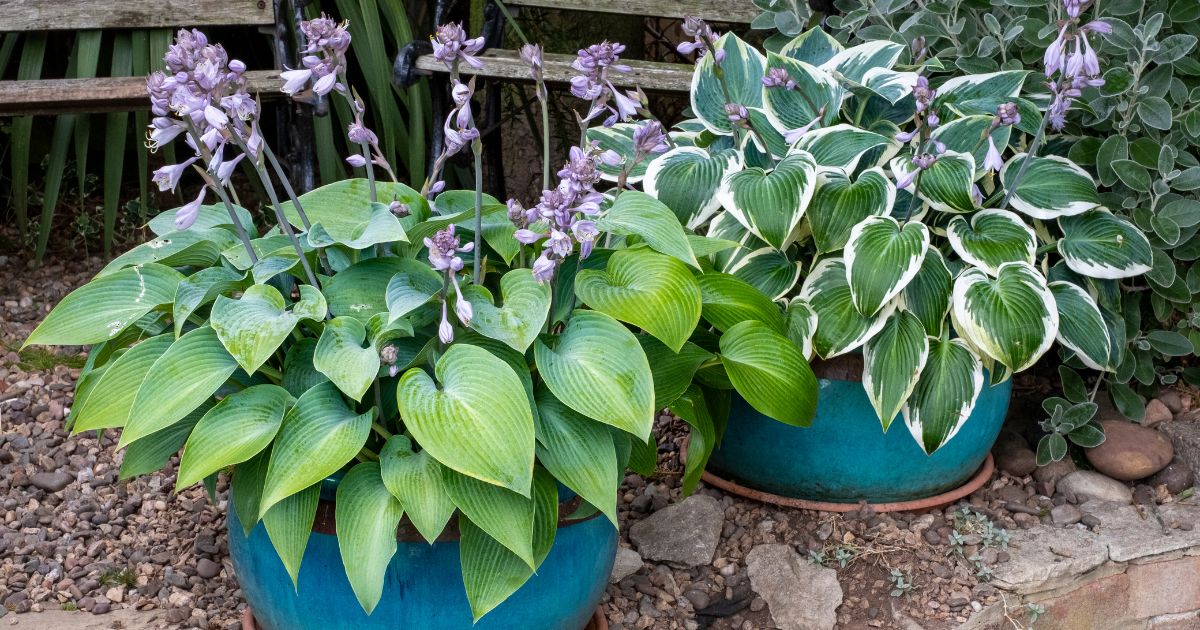

When considering where not to plant hostas, it is essential to understand their environmental preferences and the conditions that can lead to poor growth or failure. Hostas thrive in shade to partial shade, with moist, well-draining soil. Therefore, several locations are unsuitable for their growth.
1. Full Sun Locations
Hostas are primarily shade-loving plants and do not perform well in full sun conditions. Exposure to direct sunlight can lead to leaf burn, scorching, and stressed plants that struggle to establish strong root systems. Excessive sunlight causes the leaves to fade and lose their vibrant color.
- Leaves may become crispy and brown.
- Growth can be stunted.
- Plants can become more susceptible to diseases.
2. Extremely Dry Areas
Planting hostas in areas with inadequate moisture is detrimental to their health. Hostas require consistently moist soil to thrive; dry locations lead to wilting and poor development.
- Water stress can lead to premature dieback.
- Leaves may become droopy and discolored.
- Plants are more prone to pest infestations due to stress.
3. Poorly Drained Soil
Hostas do not tolerate standing water and poorly drained soils, which can lead to root rot and other fungal diseases. Areas with heavy clay or compacted soil create conditions unsuitable for hosta growth.
- Poor drainage can suffocate roots.
- Mold and mildew may develop.
- Plants may not survive prolonged wet conditions.
4. Hot, Dry Climate Zones
In hotter climate zones, where temperatures can soar, planting hostas may be an ill-fated venture. These plants prefer cooler conditions and may struggle to survive in extreme heat.
- Stress from high temperatures can lead to leaf curling.
- Plants may enter dormancy earlier.
- Coloration may fade, diminishing aesthetic appeal.
5. Areas with Heavy Foot Traffic
Hostas are not suited for areas that experience heavy foot traffic as the physical disturbance can damage their leaves and root systems, resulting in poor growth and health.
- Compacted soil can hinder root development.
- Damaged foliage can lead to susceptibility to pests.
- Frequent trampling can cause complete plant failure.
How many hours of sun can hosta take?
:max_bytes(150000):strip_icc()/thespruce.com-which-hostas-can-grow-in-sun-1-47bf4bab90f04f63a07fe5dc15c76c42.jpg)
Hostas are known for their lush foliage and adaptability, but when it comes to sun exposure, they have specific needs. Generally, hostas can tolerate from 2 to 6 hours of sun exposure daily, but the amount can vary depending on the variety and the conditions of the environment. While some hostas are more tolerant of sun, most thrive in partial to full shade.
See also:
Understanding Hostas Sun Requirements
Hostas naturally grow in the understory of forests, where they experience filtered sunlight. This means that too much direct sun can damage their leaves, leading to scorching and browning. It's essential to know that while some hostas may tolerate more sun, they generally prefer indirect light.
- Partial shade: 2-4 hours of filtered sunlight.
- Full shade: 0-2 hours of sunlight per day.
- Sun-tolerant varieties: Some hostas can manage 6 hours of morning sun.
Factors Affecting Sun Tolerance
The sun tolerance of hostas can vary greatly depending on several factors including the specific variety, climate, and local environment. Some hostas naturally possess thicker leaves which can handle more sunlight, while others have thinner leaves that are more susceptible to sun damage.
- Leaf thickness: Thicker leaves typically tolerate more sun.
- Humidity levels: Higher humidity can help mitigate sun damage.
- Soil moisture: Well-watered hostas can withstand more sun exposure.
Choosing the Right Location
Selecting the right planting location for hostas is crucial for their health and growth. Ideally, look for areas that receive dappled sunlight or are shaded during the hottest part of the day. This will help maintain the plant's richness in color and overall vigor.
- Morning sun: Benefits from cooler temperatures and less intense heat.
- Afternoon shade: Protects from the harshest sun exposure.
- Optimal planting spots: Under trees or near taller plants can create natural shade.
Signs of Insufficient or Excessive Sunlight
Hostas can show specific signs when they are not receiving the right amount of sunlight. Recognizing these signs early can help in adjusting their care.
- Leaf scorch: Brown edges or tips indicate too much sun.
- Pale foliage: Yellowing leaves can mean a lack of sunlight.
- Stunted growth: Slow growth may suggest insufficient light exposure.
Best Practices for Hostas Care
To ensure hostas thrive within their light requirements, adopting best practices in their care is vital. This includes proper watering and mulching, alongside adjusting their sun exposure as needed.
- Regular watering: Keep soil consistently moist but not soggy.
- Mulching: Helps retain moisture and regulate soil temperature.
- Monitor location: Be prepared to move plants if they show signs of stress.
Questions from Our Readers
Do hostas do well in full sun?
Hostas generally prefer partial shade to full shade and may struggle in full sun conditions. While some varieties can tolerate more sunlight, the intense heat can cause leaf scorch and reduce the plant's overall health.
What varieties of hostas can tolerate full sun?
Certain hosta varieties, such as 'Sun Power' and 'Dancing Queen', are known to tolerate more sunlight than traditional types. These varieties have been bred to withstand higher light levels while still maintaining their vibrancy and beauty.
How can I care for hostas in sunny locations?
If you are planting hostas in sunny locations, it's essential to ensure they receive adequate moisture and sometimes provide afternoon shade. Regular watering and mulching can help retain soil moisture and protect the roots from the heat.
See also:
What signs indicate that a hosta is suffering from too much sun?
The most common signs that a hosta is getting too much sun include leaf scorch, which appears as brown tips or edges, and fading colors. If you notice these symptoms, it may be time to consider relocating the plant to a shadier spot.

If you want to read more articles like Do Hostas Do Well in Full Sun? Discover the Best Conditions for Healthy Growth, we recommend you check out our Hostas category.
Leave a Reply
Related Articles