What Happens If You Don't Split Hostas? Discover the Consequences and Benefits of Proper Care

Hostas are beloved perennial plants known for their lush foliage and adaptability in gardens. However, many gardeners overlook the importance of splitting hostas, which can lead to a myriad of consequences. Neglecting this essential maintenance task can result in overcrowded roots, decreased vigor, and diminished aesthetic appeal. On the other hand, properly splitting hostas not only rejuvenates the plants but also promotes healthier growth, enhances blooming, and allows for the propagation of new specimens. This article delves into the implications of not splitting hostas and highlights the numerous benefits of proper care to ensure these stunning plants thrive in your garden for years to come.
Consequences of Not Splitting Hostas
Neglecting to split hostas can lead to several adverse effects on the health and appearance of the plants. Over time, if hostas are not divided, they can become overcrowded, resulting in stunted growth and diminished flowering. The lack of space and nutrients may lead to smaller leaves and reduced vigor, making them more susceptible to pests and diseases. Additionally, the overall aesthetics of the garden may suffer as these plants grow unkempt, creating a less appealing landscape. Furthermore, older hostas may not thrive as well due to competition with their own roots, which can make them less resilient to environmental changes.
Reduced Growth Rate
When hostas are not split, their growth rate can be significantly reduced. As the plants grow denser, they compete for nutrients, water, and sunlight, which can stifle their overall development. This lack of resources can prevent younger shoots from flourishing, ultimately leading to a decline in plant health and size.
Vulnerability to Pests
Hostas that are overcrowded and not divided are more prone to pest infestations. The dense foliage creates a perfect environment for pests like slugs and snails, which thrive in shaded and moist conditions. When plants are stressed due to lack of space to grow, their natural defenses are weakened, making them more vulnerable to attacks from these garden enemies.
Lower Flower Production
One of the most noticeable effects of not splitting hostas is the reduction in flower production. When hostas become overcrowded, they may allocate their energy towards survival rather than flowering, resulting in fewer blooms each season. This effects not only the plants themselves but also the overall beauty of the garden, leaving it looking less vibrant and colorful.
Increased Risk of Disease
Failure to split hostas contributes to a higher risk of disease. Overcrowding can lead to poor air circulation around the plants, creating a conducive environment for fungal infections and bacterial issues. As older leaves decay and remain near the base of the plant, they can harbor pathogens that may spread, impacting the health of the entire hosta clump.
Unattractive Appearance
Finally, hostas that are not regularly split can become unattractive in appearance. Overgrown and chaotic plants can detract from the overall aesthetics of a garden and may clash with other landscaping elements. A well-maintained garden typically features plants that are kept to an appropriate size, enhancing the visual appeal and creating a harmonious outdoor space.
| Effect | Description |
|---|---|
| Reduced Growth Rate | Overcrowding leads to competition for resources, stifling growth. |
| Vulnerability to Pests | Dense foliage attracts slugs and other pests, increasing infestations. |
| Lower Flower Production | Stress from overcrowding results in fewer blooms during the season. |
| Increased Risk of Disease | Poor air circulation and decaying leaves can foster infections. |
| Unattractive Appearance | Neglected plants can disrupt the overall visual harmony of a garden. |
What month do you divide hostas?
:strip_icc()/dividing-hosta-plants-BKS033209-16-9-bb7d9518a2684d588b35c65bab05eaf2.jpg)
The best time to divide hostas is in the spring or early fall. Spring is typically preferred because the plants are just coming out of winter dormancy, making them more resilient to the stress of division. Dividing hostas when they are actively growing ensures that they can recover quickly and establish new roots in their new locations. If divided in the spring, aim for after the last frost and when the new leaves have started to open. In early fall, it's important to do this at least a month before your region's first frost date to allow the plants ample time to establish themselves before winter.
Why Divide Hostas in Spring?
Dividing hostas in spring is beneficial for several reasons:
- Active Growth: Hostas are actively growing during this time, which promotes quicker recovery.
- Leaf Development: Observing new leaf emergence helps gauge the right time to divide.
- No Frost Risk: Connecting the division with the frost dates makes spring a safer option.
How to Properly Divide Hostas
To ensure a successful division of hostas, follow these steps:
- Choose Healthy Plants: Select hostas that are at least 3-5 years old and healthy.
- Water Before Division: Water the plants thoroughly a day before to reduce stress during division.
- Use Clean Tools: Utilize sharp, clean spades or garden forks to minimize damage to the roots.
Signs That Hostas Need Dividing
Recognizing the signs that a hosta plant needs to be divided can lead to healthier plants:
See also:
- Overcrowding: Plants become congested and growth is stunted.
- Reduced Blooming: Established clumps may produce fewer flowers over time.
- Dead Centers: The central part of the clump may die off, indicating a need for division.
Care Tips After Dividing Hostas
After dividing hostas, proper care is essential to help them thrive:
- Water Generously: Ensure the divided plants receive plenty of moisture to aid recovery.
- Avoid Direct Sun: Provide shade during the hottest part of the day to prevent stress.
- Mulch Around Base: Use mulch to help retain soil moisture and suppress weeds.
When to Avoid Dividing Hostas
There are certain times when it is best to avoid dividing hostas:
- During Hot Summer Months: Extreme heat can stress the plant and hinder recovery.
- In Late Fall: Dividing too close to frost can damage young root systems.
- When Plants are Dormant: Avoid divisions while hostas are dormant in winter as they won't recover.
Do hostas need to be separated?
Hostas are a popular choice among gardeners due to their lush foliage and versatility in various garden settings. One common question that arises is whether they need to be separated or divided. The answer is yes; hostas do benefit from being separated or divided periodically.
Separation of hostas is essential for several reasons:
1. Health of the Plant: Overcrowding can lead to competition for nutrients, water, and light. Dividing hostas can rejuvenate the plants and allow each individual to thrive.
2. Aesthetic Appeal: When hostas are allowed to grow too close together, they can detract from the overall beauty of the garden. Dividing them helps maintain their shape and form, enhancing the visual interest.
3. Disease Prevention: Dense plantings can lead to moisture retention, which can encourage diseases such as crown rot or leaf spots. Division minimizes these risks by improving air circulation.
4. Propagation and Spread: Dividing hostas provides an opportunity to propagate the plants, allowing gardeners to expand their collection or share with friends.
5. Longevity: Regular separation can extend the lifespan of hostas, as younger divisions tend to grow more vigorously and remain healthier over time.
When is the Best Time to Divide Hostas?
The best time to divide hostas is in the early spring or late summer. During these times, the plants are either just starting to grow or are preparing for dormancy. This timing minimizes stress on the plants and encourages quick recovery.
- The early spring allows you to see the emerging shoots, making it easy to identify and divide.
- Late summer division gives the hostas time to establish roots before the winter months.
- Avoid division during the hottest months to prevent shock or stress to the plants.
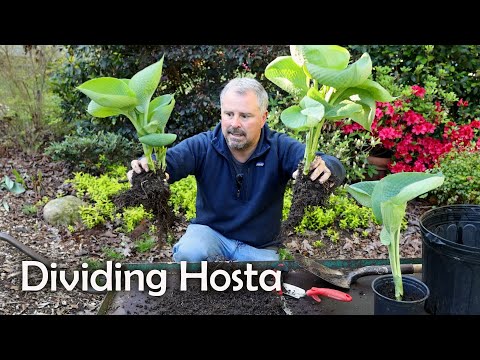
How to Divide Hostas
Dividing hostas can be a straightforward process if done carefully. Here are the steps to follow:
See also:
- Water the plants a day before you plan to divide them. This helps to keep the roots moist.
- Use a sharp spade or garden fork to dig around the clump of hostas, carefully lifting them from the ground.
- Gently separate the clumps using your hands or a knife, ensuring each division has roots and healthy foliage.
Care After Dividing Hostas
After dividing hostas, they require specific care to ensure successful recovery and growth.
- Replant the divisions in well-draining soil, ensuring they are at the same depth as they were previously.
- Water the newly planted divisions thoroughly to help settle the soil and reduce transplant shock.
- Monitor their moisture levels regularly, especially during dry spells, until they are well established.
Signs Your Hostas Need Dividing
Certain signs indicate that it may be time to divide your hostas.
- Hostas begin to look overcrowded, with many shoots growing close together.
- Growth appears stunted, with smaller leaves than usual indicating competition for resources.
- Some areas of the clump may die-back, which can suggest rot or overcrowding issues.
Benefits of Separating Hostas
The benefits of separating hostas extend beyond merely creating more plants.
- Healthy growth is promoted by reducing competition among the plants.
- Improved air circulation helps prevent diseases.
- A visual enhancement occurs as each plant can be spaced for maximum effect in the garden design.
What happens if you don't cut hostas back?

If you don't cut back hostas, several consequences can arise that may affect their growth and overall health. Hostas are perennial plants that can thrive in shaded areas, but their foliage requires maintenance to remain vibrant and healthy. Neglecting to cut them back can lead to problems such as disease, diminished appearance, and stunted growth. Here’s a detailed look at the implications of not cutting back hostas.
Impact on Plant Health
Failing to cut back hostas can lead to various health issues including:
- Increased susceptibility to pests: Untrimmed foliage can harbor insects and pests that may lead to infestations.
- Fungal diseases: Wet, decaying leaves create an environment conducive to fungal spores, which can infect the plant.
- Reduced vigor: Old foliage may drain energy from the plant, as the hosta tries to maintain unhealthy leaves instead of focusing on new growth.
Appearance and Aesthetics
Hostas that are not cut back can exhibit poor aesthetics, which includes:
- Wilted and burnt leaves: Old leaves often become unattractive and can affect the overall beauty of the garden.
- Overcrowding: Without regular pruning, hostas can become too large or tangled, leading to an untidy appearance.
- Reduced flowering: Hostas usually produce flowers annually, but old foliage can overshadow these blooms and diminish their visibility.
Growth and Spreading
Neglecting to cut back hostas can impede their natural growth patterns:
- Limited new growth: Old leaves can prevent the growth of new ones, slowing down the plant's expansion.
- Root competition: With dead or dying leaves, hostas may compete for nutrients, leading to weaker plants overall.
- Increased crowding: Without pruning, hostas can spread into neighboring plants, causing competition for water and nutrients.
Maintenance Challenges
Not cutting back hostas can lead to more demanding maintenance requirements:
- Difficulty in weed control: Overgrown hostas can attract weeds and make it harder to manage them effectively.
- Labor-intensive cleanup: In the spring, gardeners may have to deal with more debris and older leaves, resulting in extra work.
- Higher risk of damage: The more tangled and crowded the hostas become, the more likely they are to suffer damage during winter or extreme weather.
Timing for Cutting Back
Understanding when to cut back hostas is crucial:
- Late fall or early spring: The best time to cut back hostas is after the first frost in the fall or just before new growth appears in spring.
- Post-bloom care: Cutting back the foliage right after blooming can stimulate better growth and flowering for the following season.
- Regular monitoring: Keeping an eye on the hostas can help determine the right timing for cutting back based on their specific growth cycle.
Questions from Our Readers
What happens if you don't split hostas?
If you don't split hostas, they can become overcrowded and strangled, leading to a decline in their overall health. This overcrowding can result in poor growth, reduced flowering, and an increased susceptibility to pests and diseases.
How often should hostas be split?
Hostas should generally be split every 3 to 5 years to ensure they remain healthy and vibrant. This practice helps promote better air circulation, minimizes the chance of disease, and allows for new growth.
See also:
What are the signs that hostas need to be divided?
Signs that hostas need to be divided include a noticeable decrease in vigor, fewer leaves, and the plant becoming woody or clumping in the center. Additionally, if the hostas have also stopped flowering or their leaves are smaller, it may be time to split them.
Can I split hostas at any time of year?
The best time to split hostas is in early spring or fall when the plants are in their dormant phase. Splitting outside these times can stress the plant and hinder its ability to recover and thrive.
If you want to read more articles like What Happens If You Don't Split Hostas? Discover the Consequences and Benefits of Proper Care, we recommend you check out our Hostas category.
Leave a Reply
Related Articles