Is Apple Cider Vinegar a Good Fungicide? Discover the Benefits and Uses

Apple cider vinegar has gained popularity in recent years for its numerous health benefits and versatile uses. Among these, its potential as a natural fungicide is attracting attention from both home gardeners and health enthusiasts alike. This article explores the effectiveness of apple cider vinegar in combating fungal infections, whether on plants or skin. We will delve into the science behind its antifungal properties, how to use it properly, and the various benefits it offers. Join us as we uncover whether apple cider vinegar truly stands as a reliable solution for your fungicide needs.
Is Apple Cider Vinegar an Effective Fungicide?
Apple cider vinegar (ACV) has gained popularity not only as a culinary ingredient but also for its potential fungicidal properties. Its acetic acid content may help inhibit the growth of certain types of fungi and molds, making it a viable natural alternative for fungicide in some cases. While it may not be as effective as commercial fungicides, preliminary studies and anecdotal evidence suggest that ACV can be useful in treating minor mold infestations and assisting in plant health. However, its effectiveness can vary based on the type of fungus and the concentration of vinegar used.
How Does Apple Cider Vinegar Work as a Fungicide?
Apple cider vinegar works primarily due to its high content of acetic acid, which creates an unfavorable environment for many types of fungi. When applied to infected areas, the acidic nature of ACV can disrupt the cell membranes of fungal cells, leading to their death. Its efficacy may vary depending on the concentration of acetic acid and the specific type of fungus being treated, but many users have reported positive results for common issues like mold and powdery mildew.
Comparative Effectiveness to Commercial Fungicides
While apple cider vinegar may have some effectiveness against certain types of fungus, it is generally considered less potent than many commercial fungicides. Commercial products often contain stronger chemical agents specifically formulated to eliminate fungal infections quickly and thoroughly. For homeowners dealing with severe infestations or valuable crops, relying solely on ACV may not suffice, but it can serve as a useful preventative measure or for less serious issues.
Applications for Apple Cider Vinegar in Gardening
In gardening, apple cider vinegar can be used as a preventive spray against fungal diseases. Diluting ACV with water, gardeners can apply it directly to plants to help ward off issues like mildew or leaf spot. The natural properties of ACV not only help fight off fungi but can also enhance plant health when used properly. However, it's essential to test it on a small area first, as some plants may be sensitive to vinegar.
Potential Risks of Using Apple Cider Vinegar
While apple cider vinegar is generally safe for many applications, there are some risks associated with its use as a fungicide. Its acidity can harm plant tissues if used in high concentrations or without adequate dilution. Moreover, overuse can disrupt the soil's pH balance, potentially harming beneficial microorganisms. It is essential to apply ACV carefully, observing the plants for any adverse reactions.
Tips for Effective Use of Apple Cider Vinegar as a Fungicide
To use apple cider vinegar effectively as a fungicide, it is recommended to dilute it with water, commonly in a ratio of 1 part vinegar to 3 parts water. This dilution helps minimize any potential plant damage while still providing antifungal benefits. Additionally, consistent application, particularly in humid or damp conditions where fungi thrive, can improve its effectiveness as a preventative measure. Regular monitoring of plants for signs of fungal growth is essential for timely intervention.
| Key Component | Benefits | Application |
|---|---|---|
| Acetic Acid | Inhibits fungal growth | Dilute with water for spraying |
| Natural | Less toxic than chemical options | Use as a preventive measure |
| Concentration | Varies in effectiveness | Test on small areas first |
| Usage Frequency | Improves effectiveness | Apply regularly in humid conditions |
| Plant Sensitivity | Risk of damaging foliage | Observe for adverse reactions |
How do I use apple cider vinegar as an antifungal?
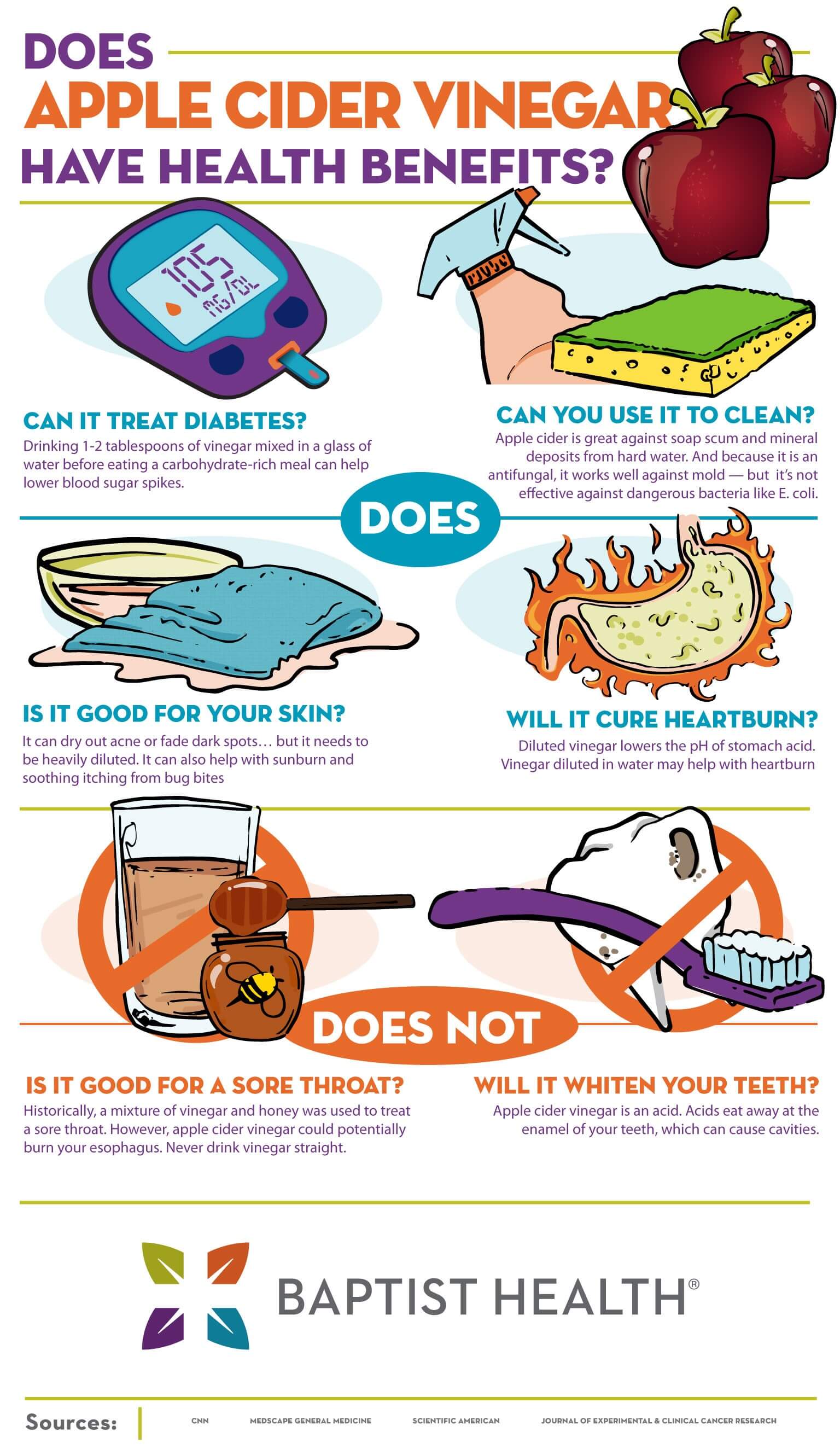
To use apple cider vinegar as an antifungal, you should follow certain guidelines and methods that enhance its antifungal properties. Apple cider vinegar (ACV) contains acetic acid, which is known for its ability to help eliminate fungal infections. Here are some ways to use it effectively:
1. Diluting Apple Cider Vinegar
Dilution is essential when using apple cider vinegar to avoid skin irritation. To prepare a diluted solution, mix ACV with water at a ratio that suits your skin type. A common mixture is one part ACV to two parts water. Apply this solution to the affected area using a cotton ball or soft cloth.
- Gather materials: apple cider vinegar, distilled water, cotton balls.
- Mix: combine one part ACV with two parts water in a clean bowl.
- Apply: soak a cotton ball in the diluted solution and gently apply it to the infected area for several minutes.
2. Soaking Feet or Affected Areas
For conditions such as athlete's foot or nail fungus, soaking can be especially beneficial. Mix equal parts of ACV and warm water in a basin.
- Prepare the soak: fill a basin with equal parts warm water and apple cider vinegar.
- Soak: immerse the affected area for 15 to 30 minutes.
- Dry thoroughly: after soaking, make sure to dry the area completely to prevent further fungal growth.
3. Using ACV in Bath Water
If you're dealing with a wider area or body fungus, adding ACV to your bath can help. Simply add two cups of apple cider vinegar to your bathwater.
- Prepare your bath: fill your bathtub with warm water.
- Add ACV: pour in two cups of apple cider vinegar.
- Soak: relax in the bath for 30 minutes to allow the antifungal properties to work.
4. ACV in Diet for Internal Benefits
Incorporating apple cider vinegar into your diet can enhance your body's ability to fight off fungal infections. You can consume it in various ways, such as mixing it into drinks or salad dressings.
See also:
- Mix with water: blend one tablespoon of ACV with a glass of water.
- Make salad dressing: combine ACV with olive oil, garlic, and herbs for a healthy dressing.
- Drink daily: aim for one to two tablespoons per day to boost antifungal activity.
5. Safety and Precautions
While apple cider vinegar is generally safe to use, some precautions should be taken to avoid adverse effects. Always do a patch test before applying it to larger areas of skin.
- Patch test: apply a small amount of diluted ACV to your forearm and wait 24 hours to check for reactions.
- Avoid open wounds: do not apply ACV to broken or irritated skin.
- Consult a physician: seek medical advice if your infection worsens or does not improve with home treatments.
Does apple cider vinegar work as a fungicide?
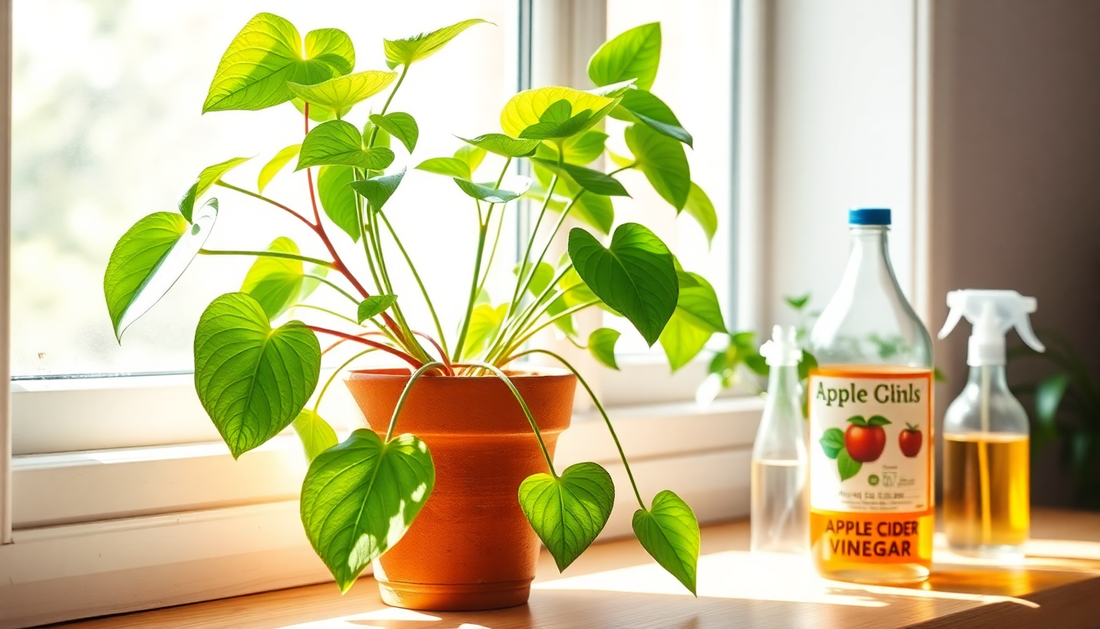
Apple cider vinegar (ACV) has gained popularity in recent years as a natural remedy for various health and gardening issues, including its potential use as a fungicide. This vinegar, made from fermented apple juice, contains acetic acid, which is known for its antimicrobial properties. While some studies and anecdotal evidence suggest that apple cider vinegar may inhibit the growth of certain fungi, it is essential to look at the effectiveness, application methods, and limitations of using ACV as a fungicide.
Effectiveness of Apple Cider Vinegar as a Fungicide
Research indicates that the acetic acid present in apple cider vinegar can be effective against various types of fungi. Some studies have shown that ACV can help to inhibit the growth of certain fungi, particularly on plants. However, the effectiveness may vary depending on the type of fungus and the concentration of the vinegar used.
- ACV can inhibit the growth of mold and yeast.
- Concentrations of at least 5% acetic acid are often required for noticeable results.
- It may not be effective against all types of fungal infections, especially more resistant strains.
Application Methods of Apple Cider Vinegar
If you decide to try apple cider vinegar as a fungicide, it is important to apply it correctly to maximize its effectiveness. The most common methods include spraying it directly onto affected plants or diluting it with water for broader usage.
- For plant diseases: Mix equal parts of ACV and water in a spray bottle.
- For household mold spots: Apply undiluted ACV directly on the area using a cloth.
- Frequency of application may need to be increased during humid conditions where fungi thrive.
Limitations and Considerations
While ACV can be helpful, there are limitations to its use as a fungicide. Understanding these can help you manage your expectations and develop a more comprehensive approach to fungal control.
- ACV may not be effective for severe fungal infections or widespread outbreaks.
- It can potentially harm certain plants if used in high concentrations.
- Using ACV alone may not resolve underlying conditions contributing to fungal growth.
Comparative Effectiveness with Other Fungicides
When considering apple cider vinegar as a fungicide, it's important to reflect on how it compares to commercial fungicides. While ACV is natural and safer for the environment, it may not deliver the same results as synthetic alternatives.
- Commercial fungicides often contain more potent active ingredients.
- ACV may require more frequent application to achieve desired results.
- Certain commercial products target a broader range of fungal pathogens effectively.
Preventative Measures Against Fungi
Utilizing apple cider vinegar can be part of a holistic approach to fungal prevention. In addition to using ACV, consider other preventive strategies to keep fungi at bay.
- Maintain proper air circulation around plants to reduce humidity.
- Ensure well-draining soil to avoid waterlogged conditions.
- Regularly clean gardening tools and equipment to prevent the spread of fungal spores.
What is the best vinegar for fungicide?
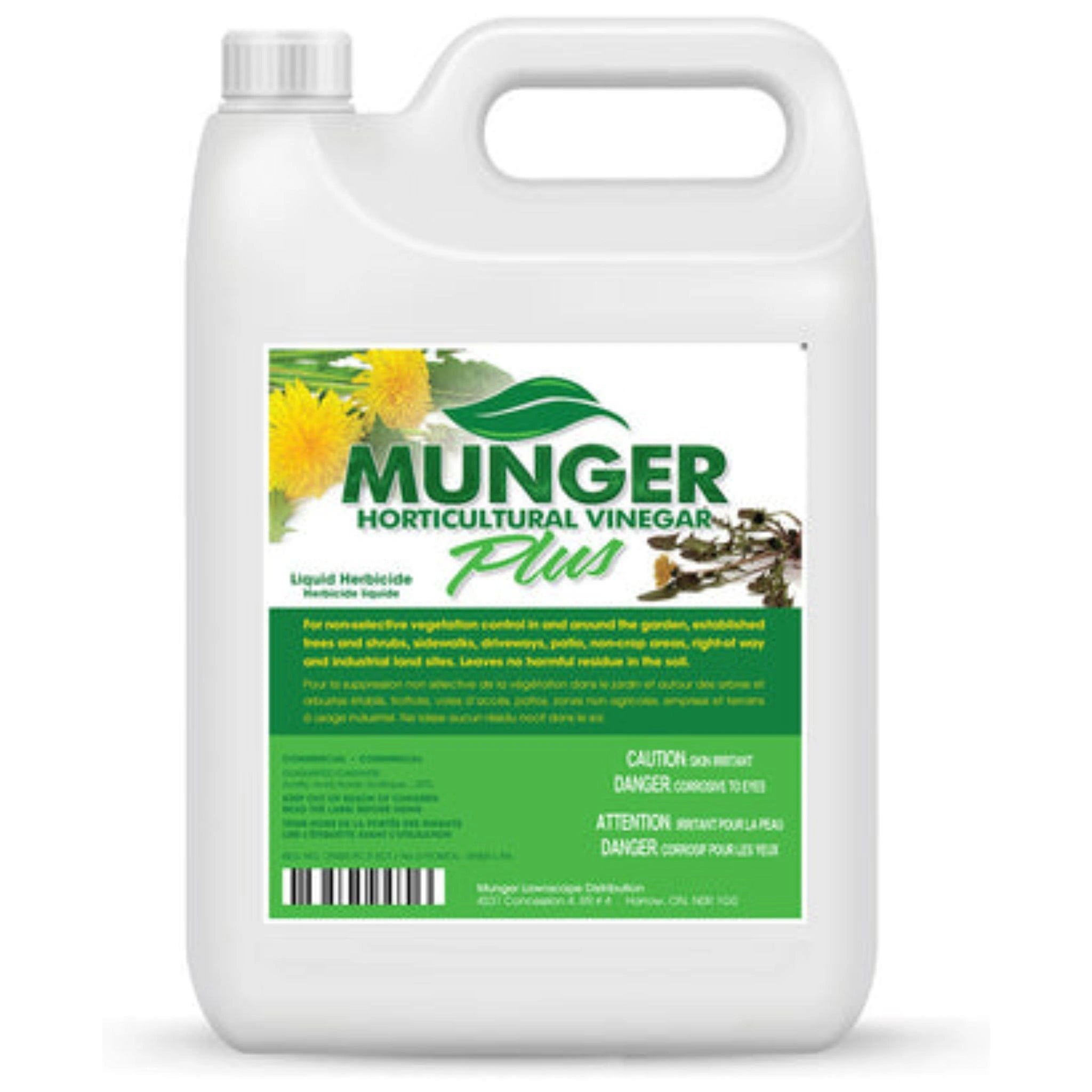
The best vinegar for fungicide is typically white vinegar or apple cider vinegar. Both types contain acetic acid, which is effective in fighting various types of fungi. The concentration of acetic acid in these vinegars can help lower the pH level of the surface where the fungi thrive, making it an unfavorable environment for their growth. Here's a detailed exploration of the topic:
Understanding Vinegar as a Fungicide
Vinegar, particularly those with a high concentration of acetic acid, has been used for centuries as a natural cleaning agent and fungicide. It works by creating an acidic environment that can kill fungi, mold, and mildew. This makes vinegar particularly useful in gardens and households where organic solutions are preferred.
- The efficacy of vinegar is largely attributed to its acetic acid concentration.
- It can be used directly or diluted with water depending on the severity of the fungus infestation.
- As a natural solution, it poses less risk to pets and children compared to chemical fungicides.
How to Use White Vinegar for Fungicide
Using white vinegar as a fungicide is straightforward. For household use, a solution can be made by mixing equal parts of vinegar and water. This mixture can then be sprayed directly onto the affected areas.
- Mix white vinegar with water in a spray bottle: 1 part vinegar, 1 part water.
- Spray the solution onto areas affected by mold or mildew.
- Let it sit for at least an hour before wiping the area clean.
The Benefits of Apple Cider Vinegar
Apple cider vinegar is another excellent option for fungicide due to its slightly higher acidity compared to white vinegar. Additionally, it contains beneficial compounds that can boost plant health.
See also:
- Contains nutrients and beneficial bacteria that can promote healthy plant growth.
- Can help in preventing the growth of harmful fungi while aiding healthy microorganisms.
- Ideal for use on houseplants and in garden settings for fungal issues.
Comparing Vinegar Types
When looking to choose between white vinegar and apple cider vinegar, it is essential to consider their specific uses and effectiveness. While both have fungicidal properties, their applications may vary based on the context.
- White vinegar is often more potent due to its higher acetic acid concentration.
- Apple cider vinegar is gentler and can be used as a preventative measure as well.
- The choice may depend on personal preference or specific fungal issues encountered.
Precautions When Using Vinegar as a Fungicide
While vinegar is a natural alternative for controlling fungi, there are some precautions one should take. Proper usage can ensure safety and effectiveness.
- Always test a small area first to ensure there is no adverse reaction.
- Avoid using vinegar on delicate surfaces that may react negatively, such as natural stone.
- Wear protective gear, such as gloves, when applying vinegar to avoid skin irritation.
How long does it take for vinegar to get rid of fungus?

To determine how long it takes for vinegar to eliminate fungus, it generally depends on several factors, including the type of fungus, the concentration of the vinegar, and the area of application. Typically, it can take anywhere from a few hours to several days for vinegar to effectively kill or inhibit the growth of fungal spores.
Vinegar contains acetic acid, which has antifungal properties. For superficial fungal infections or usage on household surfaces, vinegar can start to show effects relatively quickly—often within a day or two. However, persistent or deeper fungal infections may require more prolonged treatment, sometimes taking weeks for complete eradication, particularly if the fungicide needs to penetrate deeply into materials.
Factors Affecting the Effectiveness of Vinegar Against Fungus
Different factors can influence how quickly vinegar works against fungal infections:
- Type of Fungus: Different species of fungus react differently to vinegar. For example, mold may respond faster than yeast.
- Vinegar Concentration: Higher concentrations (like cleaning vinegar at 20% acetic acid) may work more quickly than standard 5% white vinegar.
- Surface Type: Non-porous surfaces may allow vinegar to work faster compared to porous materials where the fungus can embed deeper.
Application Methods for Vinegar
How you apply vinegar can also affect its efficacy against fungus:
- Direct Application: Spraying or soaking the affected area directly can yield faster results than simply applying it on a cloth.
- Soaking Items: For clothing or small items, soaking them in vinegar for a few hours may be more effective.
- Frequent Reapplications: Reapplying vinegar several times a day may help to speed up the process.
Comparison with Other Antifungal Treatments
When compared with other antifungal treatments, vinegar has its pros and cons:
- Natural vs. Chemical: Vinegar is a natural remedy, unlike some chemical antifungals that may work faster but come with more side effects.
- Cost-Effectiveness: Vinegar is typically less expensive compared to commercial antifungal treatments.
- Long-term Effects: Natural remedies may take longer to show results, which might not be ideal in cases of severe infections.
Using Vinegar for Fungal Infections at Home
Here are some tips for using vinegar for home fungus treatment:
- Cleaning Surfaces: For mold on walls, mix vinegar with water and scrub the area, allowing it to sit for a while before rinsing.
- Foot Fungus Treatment: Soak feet in a mixture of vinegar and water for at least 30 minutes to help alleviate athlete's foot.
- Airing Out: Ensure the area is well-ventilated to help the vinegar work more effectively and to reduce humidity, which promotes fungus growth.
Signs of Improvement When Using Vinegar
Recognizing improvement can help gauge the effectiveness of vinegar against fungus:
- Decreased Growth: Look for signs of reduced mold or fungus, such as discoloration fading.
- Odor Reduction: A decrease in musty smells can indicate that the fungus is being successfully eliminated.
- Less Itching or Discomfort: If using for skin fungus, improvement in symptoms can be a good sign that the vinegar is working.
Questions from Our Readers
Is apple cider vinegar effective against fungi?
Apple cider vinegar has been shown to have some antifungal properties, making it potentially effective against certain types of fungal growth. However, its effectiveness can vary depending on the specific type of fungus and the concentration of the vinegar used.
How do you use apple cider vinegar as a fungicide?
To use apple cider vinegar as a fungicide, you can dilute it with water in a 1:1 ratio and spray it directly onto the affected areas. This homemade solution can help in controlling fungal infections on plants and potentially in the household.
Are there any risks associated with using apple cider vinegar as a fungicide?
While apple cider vinegar is generally considered safe for most applications, it can cause irritation if it comes into contact with sensitive skin or certain surfaces. It is important to do a patch test on plants or materials before widespread application.
See also:
Can apple cider vinegar replace commercial fungicides?
While apple cider vinegar can serve as a mild alternative to commercial fungicides, it may not be as effective for severe fungal infections. For serious infestations, it is advisable to use specialized fungicides that are specifically formulated for the type of fungus you are dealing with.

If you want to read more articles like Is Apple Cider Vinegar a Good Fungicide? Discover the Benefits and Uses, we recommend you check out our Garden category.
Leave a Reply
Related Articles