Discovering the Truth: How Rare is a Black Tulip? Unveiling the Mystique Behind Its Elusiveness

The black tulip, often cloaked in legend and allure, stands as one of nature's most intriguing enigmas. Celebrated in literature and art, this rare flower symbolizes beauty and desire, yet its existence remains shrouded in mystery. The quest for a true black tulip has captivated botanists and horticulturists alike, leading to questions about its authenticity and rarity. In this article, we delve into the history and cultural significance of the black tulip, exploring the factors that contribute to its elusive nature. Join us as we unveil the truth behind this enigmatic bloom and discover why it continues to fascinate flower enthusiasts worldwide.
How Rare is a Black Tulip?
Black tulips are often perceived as a symbol of elegance and mystery, with their striking dark color capturing the imagination of gardening enthusiasts. However, the notion of a true black tulip is somewhat misleading, as no tulip variety is genuinely black in color. Instead, the tulip varieties that appear black actually have deep, rich shades of purple or burgundy. Consequently, their rarity stems not just from their color but also from their limited availability in the market. While black tulips can be grown, they are less common than their brightly colored counterparts, making them a sought-after choice for gardeners and florists alike.
Historical Significance of Black Tulips
Throughout history, black tulips have held a special place in various cultures, particularly during the Tulip Mania in 17th-century Holland, where they symbolized wealth and prestige. This period saw the cultivation of numerous tulip varieties, but the elusive black tulip became a sought-after floral treasure, often described in literature and art as the epitome of beauty. Its rarity and cultural associations contributed to the mythos surrounding these captivating flowers.
Growing Conditions for Black Tulips
To successfully grow black tulips, specific conditions must be met. They require well-drained soil, plenty of sunlight, and adequate moisture to thrive. The bulbs should be planted in the fall, several inches below the soil surface to protect them from extreme weather. Moreover, choosing the right variety, such as ‘Queen of Night’ or ‘Black Parrot,’ can significantly influence the eventual color intensity and overall health of the plant, though it’s important to note that they won't reach a true black hue.
Availability of Black Tulip Bulbs
While black tulips may not be the most widely available option in flower shops or nurseries, they can often be found at specialty gardens or through online retailers. The availability can also fluctuate seasonally, with certain varieties being rarer than others. Enthusiasts regularly share tips on where to obtain these bulbs, and many gardening forums discuss the best practices for sourcing them. It is always advisable to purchase bulbs from reputable suppliers to ensure quality and authenticity.
Symbolism of Black Tulips
The symbolism associated with black tulips is extensive, ranging from elegance to rebirth. They are often used in floral arrangements for various occasions, revered for their dramatic appearance. In many cultures, black tulips signify mystery and tragedy, making them a compelling choice for somber events or memorials. Their rich hue speaks of passion and the complex emotions that flowers can convey, adding depth to any bouquet.
Tips for Caring for Black Tulips
Caring for black tulips involves maintaining optimal conditions to promote vibrant blooms. Regular watering is essential once the bulbs start to grow; however, overwatering can lead to rot. Applying a balanced fertilizer during the growing season can enhance their growth and flowering potential. Moreover, deadheading spent blooms encourages the plant to focus its energy on new growth, leading to more striking displays in the following seasons. Proper care can result in a stunning display of deep-hued tulips.
| Aspect | Details |
|---|---|
| Rarity | Black tulips are less common than vibrant varieties |
| Color | Deep purple and burgundy are true colors |
| Growing Season | Best planted in fall |
| Symbolism | Elegance, mystery, and rebirth |
| Care | Requires well-drained soil and regular watering |
Is black tulip rare?
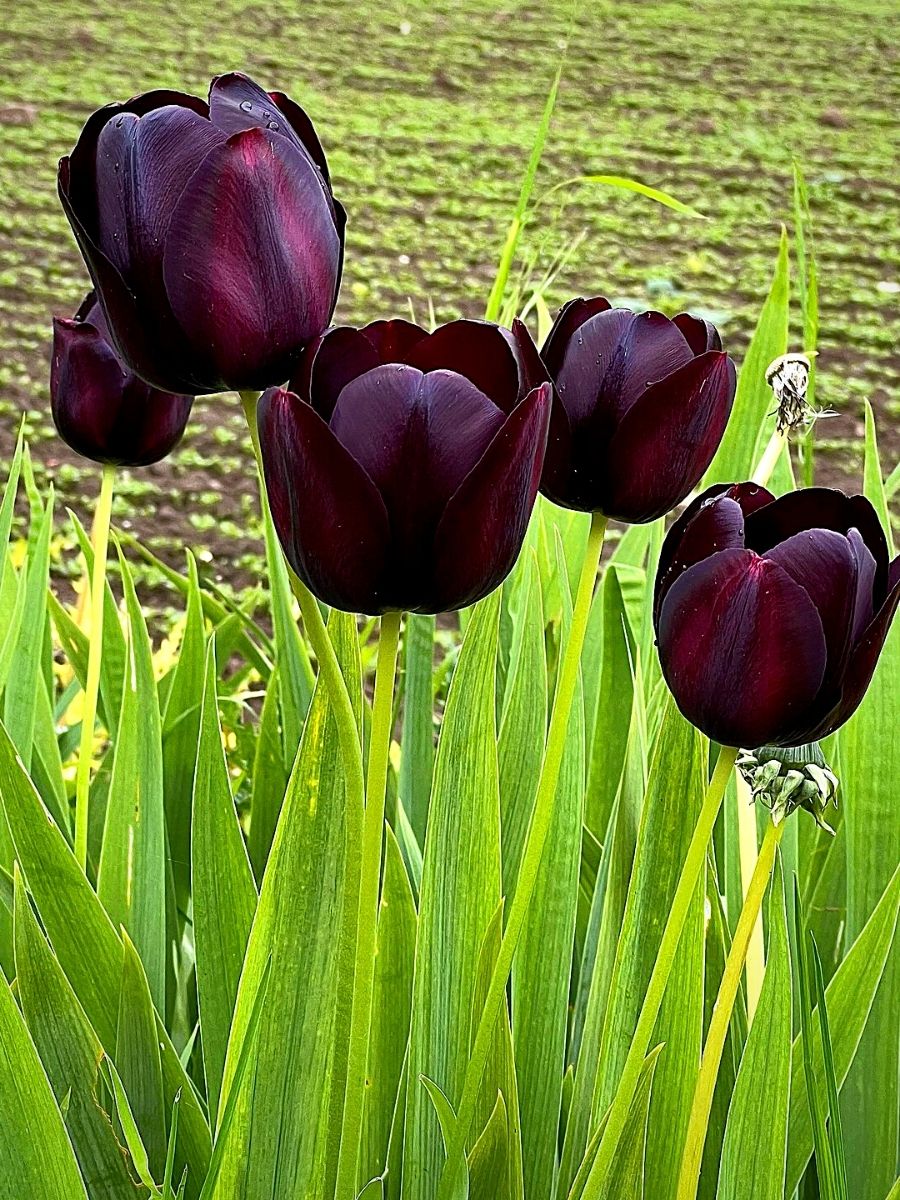
Black tulips are often considered rare due to their unique color and limited availability in nature. However, the perception of rarity can vary based on several factors, including cultivation methods and genetic variations. While true black tulips do not exist in nature, varieties like Queen of Night display a deep, dark purple that appears black under certain lighting conditions, making them stand out among other tulip species.
What Makes Black Tulips Rare?
The rarity of black tulips primarily stems from their genetic makeup and the conditions required for them to flourish. The following factors contribute to their uniqueness:
- Genetic Variation: True black coloration is a result of a specific genetic composition, which is uncommon in tulip species.
- Cultivation Challenges: Growing tulips with dark pigmentation often requires particular soil types and climatic conditions, making them harder to cultivate.
- Market Demand: Their aesthetic appeal drives higher demand, leading to supply constraints.
Varieties of Black Tulips
Several varieties of tulips claim to be black or nearly black. Each has its own characteristics and appeal:
- Queen of Night: Known for its dark, velvety hue, this variety is one of the most popular among gardeners.
- Black Parrot: This variety features fringed petals and a dark purple color, giving it a unique dramatic flair.
- Black Hero: Often considered a classic, this tulip boasts a deep maroon color that can appear black in certain lighting.
How to Grow Black Tulips
Growing black tulips successfully requires attention to specific planting and care techniques:
- Soil Requirements: Use well-drained, nutrient-rich soil to promote healthy growth and vibrant colors.
- Sunlight: Ensure that they receive full sunlight for optimal blooming; tulips typically thrive in bright conditions.
- Watering: Implement a careful watering regimen, keeping the soil moist but not waterlogged to prevent bulb rot.
Where to Buy Black Tulips
When searching for black tulips, it is essential to know where to find them, as they may not be widely available:
See also:
- Specialty Flower Shops: These often carry rare varieties, including black tulips.
- Nurseries: Look for local nurseries that specialize in bulb sales; they may offer uncommon tulip varieties.
- Online Retailers: Many websites specialize in rare and unique bulbs, providing the option to order black tulip bulbs directly.
Cultural Significance of Black Tulips
Black tulips often hold special meanings and are associated with various cultural elements:
- Symbol of Power: Traditionally, black tulips symbolize strength and elegance, often used in floral arrangements to convey sophistication.
- Historical Importance: During the Tulip Mania in the 17th century, tulips of all colors, including dark varieties, held significant monetary value.
- Modern Interpretations: Today, they are often associated with mystery and allure, making them popular for various occasions.
What is the rarest color of tulip?

The rarest color of tulip is generally considered to be black. Although truly black tulips do not exist in nature, there are deep, dark varieties that appear almost black, such as the 'Queen of Night' tulip. Black tulips are highly sought after due to their unique appearance and the stark contrast they provide in a garden setting.
Understanding the Rarity of Black Tulips
Black tulips are rare for several reasons:
- Genetic Mutations: The pigmentation that creates a truly black hue is a genetic anomaly.
- Limited Varieties: Only a few hybrid tulips come close to achieving a black appearance.
- Market Demand: High demand and low supply contribute to their rarity.
Other Rare Tulip Colors
While black tulips are the rarest, there are other unusual tulip colors:
- Blue Tulips: Rarely found, blue tulips result from selective breeding but may appear more violet than blue.
- Green Tulips: The 'Viridiflora' group features tulips with green sections, making them a curiosity in gardens.
- Lavender and Multi-Colored Tulips: Many shades blend together to create unique variations.
The Historical Significance of Tulip Colors
Different colors of tulips have rich histories:
- Symbolism: Each color represents different meanings; purple often symbolizes royalty.
- Tulip Mania: In the 17th century, tulips became a significant economic commodity in the Netherlands.
- Hybrid Development: History has seen the development of unique colors through careful breeding techniques.
Caring for Rare Tulip Varieties
To maintain the vibrancy of rare tulip colors, proper care is essential:
- Soil Quality: Well-draining soil can enhance the color vibrancy.
- Watering: Consistent yet not excessive watering is key to healthy growth.
- Sunlight: Ensure they receive adequate sunlight for optimal blooming.
Where to Find Rare Tulip Colors
Locating rare tulip varieties can be challenging, but there are sources:
- Specialty Nurseries: Many cater to collectors and offer rare varieties.
- Online Plant Stores: Various retailers specialize in rare and unique flower bulbs.
- Flower Shows: Garden festivals often showcase rare tulips and provide purchasing opportunities.
Are there any real black tulips?
There are no true black tulips in the natural world; however, there are tulips that appear to be black due to their deep, dark color. The closest varieties that exhibit very dark hues include 'Queen of Night' and 'Black Hero,' which are often associated with the term black tulip. These tulips can appear black under certain lighting conditions but typically have dark purple or maroon tones that give the illusion of being black.
What Makes a Tulip Look Black?
The perception of a tulip as being black can usually be attributed to a few factors:
- Light Reflection: The way light hits the petals can significantly influence their appearance. In dim lighting, dark-colored tulips can look nearly black.
- Color Composition: Many dark tulips contain deep shades of purple, red, or maroon, which can look black when fully opened or viewed from a distance.
- Varietal Differences: Different varieties may exhibit varying shades that contribute to the overall perception of color, leading to the illusion of blackness.
Famous Dark Tulip Varieties
While not truly black, some famous varieties of tulips that are recognized for their dark coloration include:
- Queen of Night: This is perhaps the most renowned dark tulip, boasting a deep, rich purple that can appear black in certain lights.
- Black Hero: Another popular variety, known for its velvety petals and deep purple-black color, adding drama to any garden.
- Black Parrot: Characterized by its fringed petals, this tulip is dark purple with an exotic appearance, further enhancing its enigmatic look.
Cultural Significance of Black Tulips
Black tulips have captured the imagination and hold various cultural meanings, often associated with:
See also:
- Mystery: Their elusive color makes them symbols of mystery and the unknown.
- Elegance: Dark tulips add sophistication and elegance to floral arrangements, making them popular in formal settings.
- Rebirth: In some cultures, they symbolize rebirth and new beginnings, not just due to their beauty but because they bloom in spring.
How to Grow Dark Tulips
If you're interested in cultivating dark tulips, consider the following guidelines:
- Choose a Suitable Location: Select a spot that receives full sun to partial shade, as most tulips thrive in well-drained soil.
- Planting Time: Autumn is the ideal time to plant tulip bulbs, allowing them to establish roots before the winter.
- Watering and Care: Ensure the bulbs are watered well after planting, but avoid over-watering to prevent rot.
Using Black Tulips in Floral Arrangements
When incorporating dark tulips into floral designs, consider these tips:
- Color Pairing: Pair black tulips with lighter flowers, such as whites or pastels, to create striking contrast.
- Textural Variety: Include flowers with different textures to add depth and interest to the arrangement.
- Seasonal Themes: Dark tulips work well for autumn or gothic-themed arrangements, enhancing the overall mood.
Can you get a black tulip?
Yes, you can acquire a black tulip, but it's essential to clarify that black tulips do not exist in nature as true black flowers. Instead, tulips that are referred to as black typically come in very dark shades of purple or deep maroon that can appear almost black under certain lighting conditions. Here is a detailed exploration of the topic.
The Origin of Black Tulips
The concept of the black tulip has fascinated floral enthusiasts for centuries. The term gained popularity during the Tulip Mania in the 17th century, when these exotic flowers were highly sought after in the Netherlands.
- The cultivation of tulips began in the Ottoman Empire, where they were prized for their beauty.
- After being introduced to Europe, breeders began experimenting to achieve darker shades.
- Famous literature, such as Alexandre Dumas's novel, romanticizes the pursuit of the black tulip.
Varieties of Dark Tulips
While there isn’t a true black tulip, various cultivars exhibit very dark hues. Breeders have developed some remarkable options that closely resemble black.
- Queen of Night: This variety is one of the darkest and can appear black, especially when in bloom.
- Black Hero: Known for its deep, rich purple color, it is often included in discussions about black tulips.
- Dark Impression: Another deep-toned tulip, this option adds to the allure of dark tulips.
How to Grow Black Tulips
Growing your own black tulips can be a rewarding endeavor. With the right conditions and care, you can enjoy their beauty in your garden.
- Soil Requirements: Ensure well-drained soil rich in organic matter to promote healthy tulip growth.
- Planting Time: Fall is the ideal season to plant tulip bulbs, allowing them to establish roots before winter.
- Sunlight: Choose a location that receives full sunlight for best results; tulips thrive in bright conditions.
Care and Maintenance
Maintaining black tulips is crucial to enjoy their blooms in spring. Proper care will ensure they remain healthy and vibrant year after year.
- Watering: Provide moderate watering; avoid overwatering to prevent rot.
- Fertilization: Use a balanced fertilizer during the growing season to support blooming.
- Deadheading: Remove spent flowers to encourage energy to go back into the bulbs for next season.
Where to Find Black Tulips
If you wish to purchase black tulips, multiple avenues can lead you to these stunning flowers.
- Local Nurseries: Often stock various tulip bulbs, including popular dark varieties.
- Online Retailers: Numerous gardening websites offer a wide selection of tulip bulbs, including black varieties.
- Flower Shows: Attend local flower shows or fairs, where specialty vendors may showcase rare tulip cultivars.
Questions from Our Readers
How rare is a black tulip?
The black tulip is quite a rare flower, often considered more of a myth than a reality. While there are dark varieties of tulips, true black tulips do not exist in nature. The closest you can find are very dark purple or maroon varieties that can appear black in certain lighting.
Are black tulips genetically modified?
No, black tulips are not genetically modified. They are hybridized by selectively breeding darker tulip varieties to achieve a deeper color. This process takes time and effort, as the genetics of tulips require careful manipulation to produce the desired shade.
What do black tulips symbolize?
Black tulips typically symbolize mourning and death, but they can also represent power and elegance. Throughout history, they have been associated with various meanings, often depending on the context in which they are given or displayed.
Where can I buy black tulips?
You can find black tulips at specialized flower shops, online nurseries, or during spring gardening events. It's important to note that you may need to look for specific dark varieties that resemble the classic black tulip, as true black flowers remain elusive.
See also:

If you want to read more articles like Discovering the Truth: How Rare is a Black Tulip? Unveiling the Mystique Behind Its Elusiveness, we recommend you check out our Flowers category.
Leave a Reply
Related Articles