Ultimate Guide: How Do I Treat Fungus in My Garden? Effective Tips and Solutions

Fungal infections in gardens can wreak havoc on your plants, leading to stunted growth and diminished yields. Understanding how to effectively treat and prevent these pesky intruders is essential for any gardener. This ultimate guide will provide you with valuable insights into identifying different types of garden fungi, along with practical tips and solutions to combat and manage them. From organic treatments to chemical options, we’ll explore a variety of methods to help restore your garden to its former glory. Equip yourself with the knowledge you need to maintain a healthy, thriving garden, free from fungal threats.
How to Effectively Treat Fungus in Your Garden
To effectively treat fungus in your garden, it's essential to first identify the type of fungus present, as different species may require specific treatments. Start by ensuring good air circulation around your plants to minimize humidity, as most fungi thrive in moist conditions. Regularly inspect your garden for signs of fungal disease, such as discolored leaves or unusual growths, and promptly remove any infected plant material to prevent spread. You may then apply appropriate fungicides, either chemical or organic, to address the issue, and consider incorporating compost and healthy soil practices to strengthen the overall resilience of your plants against future infestations.
Identifying Fungal Infections
Identifying a fungal infection can be challenging, as symptoms often resemble other plant diseases. The most common signs include powdery mildew, rust, and root rot. Observing the leaves, stems, and soil for distinct markers such as spots, discoloration, or fuzzy growth is key. Accurate identification not only helps in selecting the right treatment method but also aids in preventing further outbreaks by targeting the specific fungus.
Prevention Methods for Fungal Growth
Preventing fungal growth in your garden requires proactive measures. Implementing proper watering practices is crucial; water your plants in the morning to allow soil to dry by evening. Additionally, maintaining proper plant spacing enhances air flow, reducing humidity around plants. Applying a layer of mulch can help in controlling soil temperature and moisture levels, while selecting disease-resistant plant varieties can provide an extra layer of defense against fungal infections.
Organic Treatments for Fungal Diseases
Organic treatments for fungal diseases are becoming increasingly popular among gardeners. Products like baking soda, apple cider vinegar, and neem oil are effective natural remedies. A solution of one tablespoon of baking soda diluted in a gallon of water can create an environment that is less favorable for fungi. Applying these treatments consistently can significantly help manage and reduce the fungal presence in your garden without introducing harsh chemicals.
Chemical Fungicides: When and How to Use
When fungal infections become severe, chemical fungicides may be necessary. It's crucial to carefully follow the application instructions on the product label, as improper usage can harm beneficial organisms in the garden. Timing is also important; applying fungicides during the early stages of infection yields the best results. Always wear protective gear and ensure that the products do not affect nearby plants or the surrounding environment negatively.
The Role of Soil Health in Fungal Management
Soil health plays a significant role in managing fungal diseases. Healthy soil is rich in organic matter and microbial activity, which helps suppress harmful pathogens. Regularly incorporating compost and practicing crop rotation can enhance soil health and improve the resilience of plants against fungi. Conducting soil tests can help identify deficiencies or imbalances that contribute to fungal problems, allowing for tailored amendments that promote a robust garden ecosystem.
| Fungal Disease | Symptoms | Recommended Treatment |
|---|---|---|
| Powdery Mildew | White powdery spots on leaves | Neem oil or baking soda solution |
| Root Rot | Wilting and yellowing leaves | Improve drainage and avoid overwatering |
| Rust | Orange-brown spots on leaves | Remove infected leaves and apply fungicide |
| Brown Patch | Brown patches on grass | Water early and adjust mowing height |
| Leaf Spot | Dark spots on leaves | Remove affected leaves and use fungicides |
Why is my garden full of fungus?
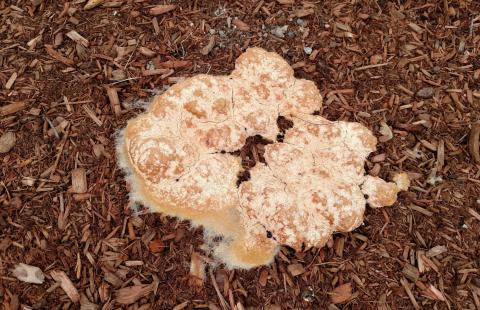
Fungus in a garden can be a common concern for many gardeners. The presence of fungus is often a symptom of underlying issues in the garden environment. Several factors contribute to the proliferation of fungi, which can include excess moisture, poor air circulation, and the availability of organic matter. Here are some detailed insights into why your garden might be full of fungus.
Excess Moisture
Excess moisture in the soil is one of the primary reasons for fungal growth in gardens. When water accumulates in the soil, it creates an ideal environment for fungi to thrive.
See also:
- Overwatering: Watering too frequently can lead to saturated soil, making it difficult for air to reach plant roots.
- Heavy Rainfall: Areas with prolonged periods of rain can experience waterlogged conditions, promoting fungi.
- Poor Drainage: Clay soil or compacted soil can trap moisture, leading to fungal outbreaks.
Poor Air Circulation
Fungi require specific environmental conditions to grow, and poor air circulation can provide those conditions. Reduced airflow around plants can create a microclimate that supports fungal development.
- Dense Planting: Crowded plants can restrict airflow, preventing moisture from evaporating.
- Shade: Areas that do not receive adequate sunlight may remain damp longer, which fosters fungal growth.
- Obstructed Pathways: Debris and clutter in the garden can limit airflow, maintaining a humid environment.
Presence of Organic Matter
Fungi thrive on decomposing organic matter, which is often naturally found in gardens. While some fungi are beneficial, others can be harmful to plants.
- Mulch: Excessive or overly moist mulch can become a breeding ground for fungi.
- Decaying Leaves: Fallen leaves that are not cleaned up can create a habitat for fungal spores.
- Compost: Poorly maintained compost piles can become overly wet and attract opportunistic fungi.
Soil pH Levels
The pH level of your soil can also affect fungal growth in your garden. Most fungi prefer slightly acidic to neutral environments.
- Too Acidic: Soil with a pH lower than 6 can promote some pathogenic fungi.
- Too Alkaline: Soil with a pH higher than 7 can inhibit beneficial fungi, allowing harmful types to dominate.
- Testing Soil: Regular soil tests can help you determine the correct pH for your plants.
Plant Health and Stress
Plants that are stressed, whether from disease, pests, or poor nutrition, can be more susceptible to fungal infections.
- Weak Plants: Stressed plants are less able to fend off pathogens, including fungi.
- Pest Infestations: Pests can damage plants and create wounds that lead to fungal infections.
- Nutrient Deficiencies: A lack of essential nutrients can impair plant health, making them vulnerable.
What is a good garden fungicide?

A good garden fungicide is essential for managing fungal diseases that can threaten the health of plants in your garden. Here are some effective options to consider:
Types of Garden Fungicides
There are two main types of garden fungicides: chemical and organic. Each type has its own advantages and disadvantages depending on the garden's needs.
- Chemical Fungicides: These are synthetic compounds that effectively control a wide range of fungal diseases but may pose risks to non-target organisms and the environment.
- Organic Fungicides: Derived from natural sources, these tend to be safer for the environment and beneficial organisms but may be less effective than their chemical counterparts.
- Systemic Fungicides: These are absorbed by plants and protect them from within, providing longer-lasting protection against fungal infections.
- Contact Fungicides: These must be applied directly to the fungal pathogen on the plant's surface to be effective, requiring thorough coverage.
- Preventative vs. Curative: Some fungicides work best when applied preventively before a disease develops, while others can cure existing infections.
Popular Chemical Fungicides
Several popular chemical fungicides are known for their effectiveness in treating garden diseases.
- Mancozeb: This fungicide is effective against a variety of fungal diseases such as blight and downy mildew.
- Chlorothalonil: Useful for controlling numerous pathogens, including leaf spots, this fungicide is commonly used on vegetables and ornamental plants.
- Azoxystrobin: A systemic fungicide noted for its broad-spectrum activity, it targets diseases like powdery mildew and rust.
- Propiconazole: Often used against root rot and leaf spot diseases, this product has a long residual effect.
- Trifloxystrobin: Known for its ability to control foliar diseases, this fungicide can enhance plant growth and yield.
Effective Organic Fungicides
Organic fungicides are gaining popularity due to their safety and environmental benefits, as well as their ability to work effectively in many situations.
- Neem Oil: Extracted from the seeds of the neem tree, this oil disrupts the lifecycle of fungal pathogens while being non-toxic to beneficial insects.
- Baking Soda: A mixture of baking soda and water can help control powdery mildew and other fungal infections.
- Sulfur: A naturally occurring element, sulfur has been used for centuries to combat fungal diseases such as powdery mildew and rust.
- Horticultural Oils: These oils create a barrier on plant surfaces, inhibiting the growth of fungi while being safe for plants.
- Milk: A surprising yet effective option, a diluted milk spray can help prevent and treat powdery mildew due to its antifungal properties.
Application Techniques for Fungicides
Proper application techniques are crucial for maximizing the efficacy of any fungicide used in the garden.
See also:
- Timing: Apply fungicides early in the morning or late afternoon to minimize evaporation and maximize absorption.
- Coverage: Ensure even coverage of the affected plants; for contact fungicides, thorough application is essential.
- Frequency: Follow the manufacturer's instructions regarding the frequency of applications for optimal results.
- Weather Conditions: Avoid applying fungicides during rainy or windy conditions to prevent runoff and ensure proper adherence.
- Rotation: Rotate different fungicides to prevent the development of resistance in fungal populations.
Safety Precautions When Using Fungicides
Safety is paramount when using any type of fungicide, chemical or organic.
- Personal Protective Equipment (PPE): Wear gloves, masks, and protective eyewear to minimize exposure to chemicals.
- Read Labels: Always read and follow the label directions for safe and effective use.
- Keep Away from Water Sources: Avoid applying fungicides near streams, ponds, or other water sources to prevent contamination.
- Store Properly: Store fungicides in a cool, dry place away from children and pets to prevent accidental ingestion or exposure.
- Disposal: Follow local regulations for the proper disposal of unused or expired fungicides to protect the environment.
Can plants recover from fungus?
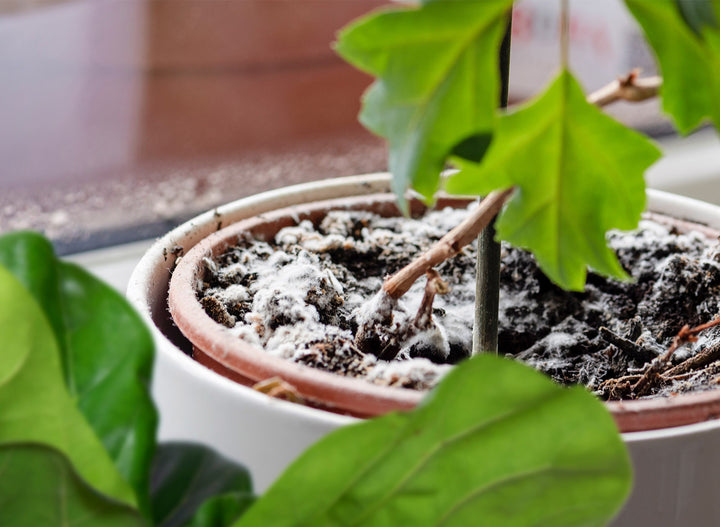
Yes, plants can recover from fungus, although the success of their recovery largely depends on several factors including the type of fungus, the extent of the infection, the plant species, and the overall health of the plant. Fungal infections can cause a variety of issues for plants, such as wilting, leaf spots, root rot, and reduced growth. However, with proper care and intervention, it is possible for many plants to bounce back from fungal infestations.
Common Types of Fungal Infections in Plants
Fungal infections can vary widely, and understanding the common types can help in managing them effectively. Some of the most prevalent fungal diseases include:
- Powdery Mildew: A white, powdery growth on leaves that can stunt growth.
- Root Rot: Caused by fungi thriving in overly moist soil, leading to decaying roots.
- Black Spot: A fungal disease that manifests as dark spots on leaves, primarily affecting roses.
Signs of Fungal Infection
Identifying a fungal infection early can significantly increase the chances of a plant's recovery. Look for these signs:
- Discoloration: Leaves may appear yellow or develop dark spots.
- Wilting: The plant may begin to droop even though it is adequately watered.
- Fungal Growth: Visible mold or powder on leaves or stems can indicate a fungal presence.
Methods of Treatment for Fungal Infections
Several methods can effectively treat fungal infections, supporting plant recovery. These include:
- Fungicides: Chemical treatments specifically designed to kill fungi.
- Natural Remedies: Solutions like neem oil or a mixture of baking soda and water can be effective.
- Improving Air Circulation: Reducing humidity around plants can help prevent fungal growth.
Preventive Measures to Avoid Fungal Infections
Prevention is key in maintaining healthy plants and avoiding fungal issues. Consider the following preventive measures:
- Proper Watering: Water plants at their base and allow soil to dry between waterings to prevent rot.
- Space Plants Properly: Ensure adequate spacing to allow for air circulation.
- Regular Inspections: Frequent checks for early signs of infection can mitigate larger outbreaks.
Recovery Process for Infected Plants
If a plant is infected, following a structured recovery process can improve chances of survival. Important steps include:
- Isolation: Move infected plants away from healthy ones to prevent spreading.
- Pruning: Remove affected leaves or stems to help focus the plant's energy on healing.
- Monitoring: Keep a close eye on the plant to observe changes and make adjustments as needed.
Questions from Our Readers
How can I identify fungal infections in my garden?
Fungal infections in your garden can often be identified by signs such as discoloration, unusual spots, or moldy growth on leaves and stems. Look for wilting or decaying plants as well; these can indicate underlying fungal issues. Regularly inspecting your plants can help you catch infections early.
What are some natural remedies for treating garden fungus?
To treat garden fungus naturally, consider using baking soda mixed with water to create a solution that can be sprayed onto affected plants. Neem oil is another effective option, as it not only helps combat fungus but also deters pests. Make sure to apply these treatments in the evening to avoid burning the plants.
See also:
When is the best time to apply fungicides in my garden?
The best time to apply fungicides is during the early morning or late afternoon when temperatures are cooler, which minimizes stress on the plants. It's also important to treat plants before heavy rainfall, as rain can wash away the fungicide and reduce its effectiveness. Always follow the instructions on the product label for optimal results.
How can I prevent fungal diseases in my garden?
Preventing fungal diseases in your garden involves practices such as ensuring proper spacing between plants for good air circulation, avoiding overhead watering, and keeping the garden clean by removing fallen leaves and debris. Additionally, using disease-resistant plant varieties can significantly reduce your risk of fungal issues.

If you want to read more articles like Ultimate Guide: How Do I Treat Fungus in My Garden? Effective Tips and Solutions, we recommend you check out our Garden category.
Leave a Reply
Related Articles