Does Rain Wash Off Fungicide? Understanding the Impact of Rain on Fungicide Effectiveness

Fungicides play a crucial role in protecting crops from fungal diseases, but their effectiveness can be significantly influenced by environmental factors, particularly rain. As farmers and horticulturists face unpredictable weather patterns, understanding the relationship between rain and fungicide performance becomes essential. This article delves into whether rainfall can wash away these protective treatments and what implications this has for crop health. Additionally, we will explore best practices for fungicide application in wet conditions, ensuring that growers can maximize their investments and maintain robust plant defenses against fungal threats.
Does Rain Wash Off Fungicide?
Fungicides are designed to protect plants from fungal diseases, but exposure to rain can significantly impact their effectiveness. When it rains shortly after application, the water can dilute or wash away the fungicide from the plant's surface, reducing its ability to form a protective barrier. The degree to which rain affects fungicide varies based on factors such as the type of fungicide used, the amount of rainfall, and the time elapsed since application. Generally, systemic fungicides, which are absorbed by the plant, tend to be less affected by rainfall compared to contact fungicides that remain on the surface. Therefore, timing is crucial; applying fungicides before predicted rain is essential for maintaining their protective capabilities.
What Types of Fungicides Are Affected by Rain?
Different types of fungicides have varying sensitivities to rain. Contact fungicides, which act upon direct surface contact with fungi, are more likely to be washed away by rain, thus losing their effectiveness. In contrast, systemic fungicides, which are absorbed into the plant, offer more resilience against rain as they remain effective even if washed from the surface. Knowing the type of fungicide applied can help determine the best time to apply it in relation to weather conditions to ensure optimal protection.
Factors Influencing Rain's Impact on Fungicide
Several factors influence how much rain can affect fungicide efficacy. These include the amount of rainfall, the timing of the rain relative to application, and the chemical formulation of the fungicide. Light showers may not cause significant wash-off, while heavy downpours can completely remove contact fungicides. Additionally, if rain occurs shortly after application, the likelihood of wash-off increases, emphasizing the importance of checking weather forecasts before treatment.
How Long Should You Wait After Application?
It is generally recommended to wait a minimum of 24 to 48 hours after applying a contact fungicide before rainfall is anticipated. This waiting period allows the fungicide enough time to adhere to the plant's surface and create a protective layer against fungal pathogens. For systemic fungicides, the waiting period may be less critical, but it is still advisable to follow the manufacturer's guidelines, as some products may require specific timing to achieve optimal effectiveness.
What Should You Do If Rain Occurs After Application?
If rain occurs soon after the application of a fungicide, it is essential to assess the situation based on the type of fungicide used. If a contact fungicide has been washed off, reapplication may be necessary, especially if the rainfall was significant. For systemic fungicides, it may not be as critical to reapply immediately, but monitoring plant health for signs of fungal disease is wise. Always refer to the label instructions of the fungicide for guidance on reapplication after rainfall.
Best Practices for Fungicide Application
To minimize the risks associated with rain, several best practices can be followed during fungicide application. Monitoring weather forecasts to apply fungicides when rain is not expected within 48 hours is essential. Additionally, ensuring that plants are properly prepared and healthy before application can improve the fungicide's adherence and effectiveness. Choosing the right formulation, such as using systemic fungicides when rain is likely, can also enhance protection against fungal diseases.
| Fungicide Type | Rain Sensitivity | Recommended Waiting Period |
|---|---|---|
| Contact Fungicide | High | 24-48 hours |
| Systemic Fungicide | Low | 12-24 hours |
How long does your fungicide need to be on before the rain?
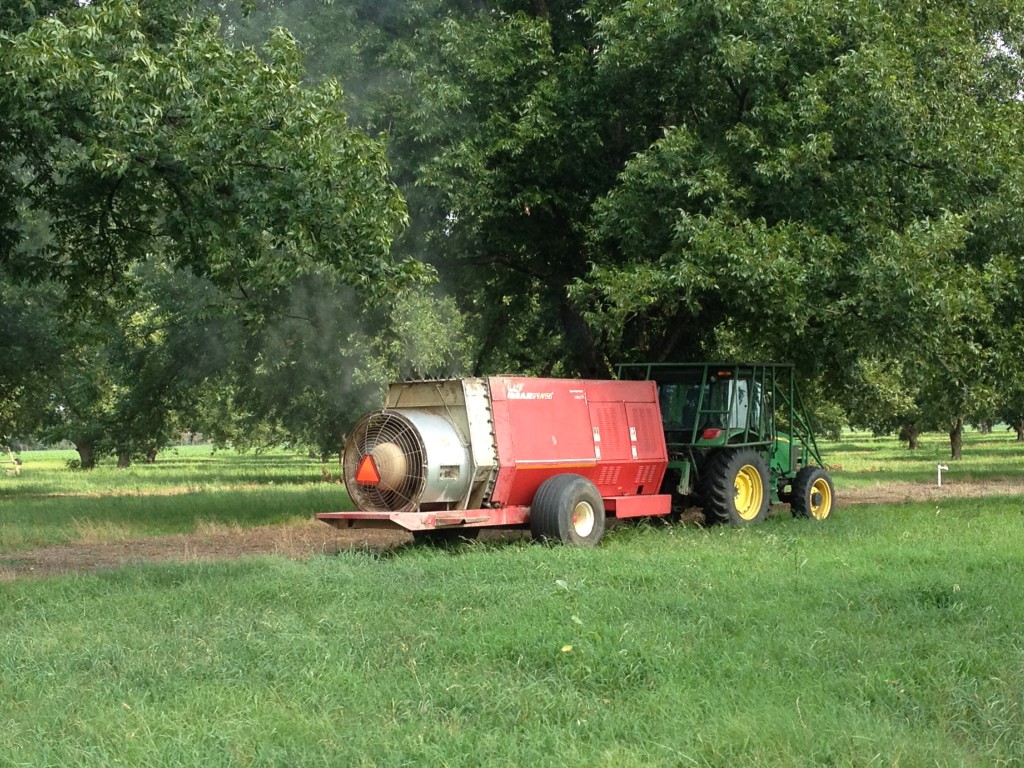
The effectiveness of fungicides can be significantly influenced by their exposure time before rain. Typically, most fungicides need to be applied and left on the plant surfaces for a certain duration to ensure optimal efficacy. Generally, a minimum of 2 to 4 hours is recommended, but this can vary based on several factors.
Factors Influencing Rainfastness
The term rainfastness refers to the ability of a fungicide to remain effective after exposure to rain. This can depend on:
See also:
- Type of Fungicide: Different formulations have varying levels of rainfastness; some are designed to resist wash-off better than others.
- Application Method: How the fungicide is applied (spray, drench, etc.) can influence how well it adheres to plant surfaces.
- Environmental Conditions: Factors like humidity, temperature, and wind can affect both drying time and the fungicide's adhesion.
Importance of Following Label Instructions
Each fungicide will come with specific guidelines, emphasizing the importance of following the label instructions. These instructions usually provide:
- Recommended Waiting Period: Manufacturers often state the ideal waiting time before rain for their products.
- Adjustments for Weather Conditions: Factors such as expected rainfall intensity and environmental conditions can alter recommendations.
- Application Best Practices: Suggestions for optimal application time, including the time of day and environmental factors to consider.
Effects of Rain on Fungicide Performance
Rain can dilute or wash away fungicides, impacting their performance. The effects can include:
- Reduced Efficacy: A rain event can wash away fungicides before they can effectively control fungal diseases.
- Potential for Resistance: Inadequate application due to rain can lead to diseases becoming resistant to fungicides over time.
- Decreased Protection: Plants may not receive the full protective benefits of the fungicide if it is washed away or diluted.
Best Practices for Application Timing
To maximize the effectiveness of fungicides, consider the following timing guidelines:
- Check Weather Forecasts: Always monitor local weather conditions before applying fungicides to ensure rain-free periods.
- Early Morning or Late Evening Applications: Applying during cooler times of day can help in better adhesion and absorption.
- Consider Protective Additives: Some products can enhance adhesion and rain resistance, providing better protection against rainfall.
Additional Precautions
Taking extra precautions when applying fungicides can improve outcomes. Here are some recommended steps:
- Ensure Clean Equipment: Dirty sprayers can lead to uneven application, reducing the effectiveness of the fungicide.
- Avoid Windy Days: Wind can cause drift, leading to poor coverage and reduced effectiveness.
- Utilize the Correct Dosage: Always apply the correct amount as indicated by the label to ensure maximum efficacy and reduce waste.
Will rain wash away fungicide?
Fungicides are essential in managing diseases caused by fungi in various crops and plants. However, understanding the impact of rain on fungicides is crucial for effective application and protection of plants.
How Rain Affects Fungicide Efficacy
Rain can significantly impact the efficacy of fungicides depending on various factors such as the timing of rainfall after application and the type of fungicide used. If rain occurs shortly after application, it can lead to a reduction in the fungicide's effectiveness due to being washed away.
- Timing: The sooner it rains after application, the more likely the fungicide will be washed away.
- Type of Fungicide: Some fungicides are more resistant to washing than others; systemic fungicides are absorbed by plants and less affected by rain.
- Application Rate: Higher application rates may provide a buffer, but if washed away, it can still affect performance.
Duration and Intensity of Rain
The duration and intensity of rainfall play critical roles in determining whether fungicides will be washed away. Heavy, prolonged rain can wash more fungicide off the leaves than light sprinkling.
- Intensity: Heavy downpours can lead to significant runoff, diluting and washing away applied fungicides.
- Duration: Continuous rain over several hours will have a cumulative washing effect, further diminishing fungicide presence.
- Leaf Coverage: If fungicides are not adequately covering the target areas, rain can easily remove them.
Residue and Rainfastness of Fungicides
Rainfastness refers to the ability of a fungicide to withstand rainfall after application. Different fungicides have varying degrees of rainfastness, impacting their performance post-application.
- Rainfast Time: Some fungicides become rainfast within a few hours, while others may take longer; it's essential to check labels.
- Formulation Types: Granular and oil-based formulations typically offer better rainfastness than water-soluble ones.
- Environmental Conditions: Fog or humidity can also affect the time it takes for fungicides to become rainfast.
Best Practices for Applying Fungicides
Understanding best practices for fungicide application can help minimize the risk of rain washing away the treatment. Proper timing, weather considerations, and application techniques are vital.
See also:
- Check Weather Conditions: Always monitor the weather forecast to avoid applying fungicides before expected rainfall.
- Follow Label Guidelines: Ensure that you adhere to manufacturer recommendations regarding application timing and rainfastness.
- Use Adjuvants: Incorporating adjuvants can enhance the adherence of the fungicide to plant surfaces, reducing wash-off.
Alternatives to Protect Plants from Rain
If rain is anticipated, considering alternative methods for plant protection can be beneficial. Implementing integrated pest and disease management strategies is essential.
- Crop Rotation: Rotating crops can help manage fungal diseases without solely relying on chemical fungicides.
- Use of Resistant Varieties: Planting disease-resistant plant varieties can reduce the need for fungicide applications.
- Cultural Practices: Adjusting practices like spacing, watering, and pruning can improve air circulation and reduce fungal disease incidence.
What is the rainfastness of a fungicide?

The rainfastness of a fungicide refers to its ability to remain effective after exposure to rainfall. This characteristic is crucial for the practical application of fungicides in agricultural settings, as rain can wash away the active ingredients before they have had a chance to adhere to and protect the plant surfaces. Rainfastness is typically expressed as a period of time after application during which rainfall will not significantly reduce the fungicide's effectiveness.
What Factors Affect Rainfastness?
Various factors influence the rainfastness of a fungicide, including:
- Active Ingredient: Different fungicides have varying levels of rainfastness based on their chemical composition.
- Formulation Type: Liquid formulations, such as emulsifiable concentrates and suspensions, may have different rainfastness compared to granular formulations.
- Environmental Conditions: Humidity, temperature, and wind can impact how quickly a fungicide adheres to plant surfaces.
Why is Rainfastness Important?
Understanding rainfastness is vital for effective disease management in crops, as it directly impacts:
- Efficacy: A fungicide that is not rainfast may wash away, leading to untreated plants and reduced disease control.
- Cost Efficiency: High rainfastness can decrease the frequency of applications, saving time and money for growers.
- Crop Yield: Maintaining the efficacy of fungicides helps protect crops from diseases, leading to better yields.
How to Determine Rainfastness?
Rainfastness can be determined by:
- Manufacturer Guidelines: Check the product label or technical data sheet for rainfastness recommendations.
- Field Trials: Conducting experiments under controlled conditions to assess performance against rainfall.
- Consulting Experts: Agricultural extension services or crop advisors can provide insights based on local conditions.
Improving Rainfastness of Fungicides
There are several strategies to enhance the rainfastness of fungicides:
- Use of Adjuvants: Adding surfactants or sticking agents can help improve adherence to plant surfaces.
- Choosing the Right Time: Apply fungicides when rain is not forecasted for a duration that allows for adequate drying.
- Preliminary Treatments: Apply in controlled environments or prior to activities that might introduce moisture.
Common Rainfastness Periods for Fungicides
The rainfastness period can vary widely, generally categorized into:
- Quick Rainfastness: Some fungicides become rainfast in as little as 30 minutes to 1 hour after application.
- Medium Rainfastness: Others may take several hours, typically between 1 to 4 hours.
- Extended Rainfastness: Certain formulations may offer longer protection, requiring up to 24 hours for full efficacy post-application.
Questions from Our Readers
Does rain wash off fungicide?
Yes, rain can wash off fungicide if it occurs shortly after application. Most fungicides require time to adhere to the plant surface, and if rain falls within the first few hours, it can significantly reduce their effectiveness.
How long after applying fungicide is it safe to expect rain?
It is generally recommended to wait at least 24 to 48 hours after applying fungicide before expecting rain. This allows the fungicide enough time to settle and bond with the plant surfaces for optimal protection.
See also:
Can I reapply fungicide if it rains shortly after application?
Yes, if you suspect that rain has washed away the fungicide, it's advisable to reapply it. Make sure to check the specific product instructions for any recommendations on reapplication timing and methods.
What factors influence the effectiveness of fungicide in rain?
The effectiveness of fungicide during rain can be influenced by several factors, including the type of fungicide, the amount of rain, and the time elapsed since application. Systemic fungicides might offer more protection compared to contact fungicides, which are more likely to be washed off.

If you want to read more articles like Does Rain Wash Off Fungicide? Understanding the Impact of Rain on Fungicide Effectiveness, we recommend you check out our Garden category.
Leave a Reply
Related Articles