Are Roses a Perennial or Annual? Discover the Truth About These Beautiful Flowers

Roses have long captivated hearts and gardens with their exquisite beauty and alluring fragrance. As one of the most cherished flowers worldwide, questions arise regarding their life cycle: Are they perennials or annuals? Understanding the classification of roses is essential for both novice and seasoned gardeners, as it affects planting, care, and longevity. This article delves into the truth about roses, exploring their growth habits, environmental needs, and how to ensure these stunning blooms flourish in your garden year after year. Join us on this floral journey to uncover what makes roses a timeless favorite in horticulture.
Are Roses Perennials or Annuals?
Roses are primarily classified as perennials, which means they can live for several years and return to bloom each growing season. Unlike annual plants that complete their life cycle within one year and need to be replanted each season, perennials like roses establish a root system that allows them to endure winter dormancy and emerge with new growth in the spring. Depending on the variety, roses can be quite resilient and are well-suited for different climates, making them a popular choice for gardens around the world.
Understanding Perennials and Annuals
To differentiate between perennials and annuals, it is important to note that perennials are plants that live for more than two years, growing and blooming year after year. In contrast, annuals germinate, bloom, and die within a single growing season. This essential difference affects how gardeners plan their gardens as annuals must be replanted each year while perennials can provide lasting beauty and structure over time.
Types of Roses
There are several types of roses, including hybrid teas, floribundas, climbers, and shrubs. Most of these varieties fall into the perennial category, with some being hardier than others. For example, knock-out roses are known for their durability and disease resistance, making them a favorite among gardeners looking for low-maintenance perennial flowers. Understanding the specific variety and its hardy zones can help gardeners choose the best roses for their landscape.
Benefits of Growing Perennial Roses
Growing perennial roses can be beneficial for several reasons. They generally require less maintenance compared to annuals once established, as they do not need to be replanted each year. Furthermore, well-cared-for roses can produce stunning blooms for many seasons, enriching the garden's aesthetic and attracting pollinators like bees and butterflies, which contribute to a healthy garden ecosystem.
Climate Considerations for Roses
While most roses are perennials, their ability to thrive can be impacted by climate. Some roses are more suited to warmer climates, while others can withstand colder temperatures. For instance, English roses often perform well in temperate zones, whereas rugosa roses have exceptional hardiness and can survive in harsher conditions. Understanding local growing conditions is crucial when selecting roses to ensure they flourish in your garden.
Care and Maintenance of Rose Perennials
Caring for perennial roses involves several steps to encourage healthy growth and vibrant blooms. Regular pruning, watering, and fertilizing are key components of rose care. Additionally, protecting roses from pests and diseases by maintaining good airflow and spacing in your garden is crucial. Adequate winter protection, such as mulching or covering the base, can help ensure that perennial roses survive seasonal changes and return robustly each spring.
| Type of Plant | Life Cycle | Examples |
|---|---|---|
| Annuals | One growing season | Petunias, Marigolds |
| Perennials | Multiple growing seasons | Roses, Lavender |
Do roses come back every year?

Roses are indeed perennials, which means they have the ability to return year after year, provided they are given the proper care and conditions. The survival and blooming of roses depend on several factors, including the variety of rose, climate, gardening practices, and soil conditions. Here is a detailed exploration of this topic.
The Lifespan of Roses
Roses generally have a lifespan that can extend up to 30 years or more under the right conditions. Their longevity can be affected by several factors:
- Species: Different types of roses have varying lifespans. Some, like climbers, might last longer.
- Environment: Growing roses in ideal climates can enhance their lifespans.
- Care Practices: Regular maintenance such as fertilization, pruning, and disease management is crucial.
Seasonal Growth Patterns
Roses typically enter a dormant phase during winter, which allows them to survive cold temperatures. When spring arrives, they start to bloom again. This seasonal cycle can be broken down as follows:
- Spring Awakening: As temperatures rise, roses emerge from dormancy, producing new growth.
- Summer Bloom: Most roses reach full bloom during summer, showing their vibrant colors.
- Fall Preparation: In autumn, roses prepare for winter by slowing growth and conserving energy.
Factors Influencing Return
The ability of roses to come back each year is heavily influenced by several factors:
- Climate Zones: Some varieties thrive in specific zones and perform poorly outside of those.
- Soil Quality: Well-drained, nutrient-rich soil contributes to healthier roses.
- Pest and Disease Management: Protecting roses from pests and diseases helps ensure they return.
Varieties of Roses
Different rose varieties have their own characteristics that may influence how well they return each year:
- Hybrid Teas: Known for their long stems and beautiful blooms, these varieties are popular and reliable.
- Floribundas: These produce clusters of flowers and are hardy, often bouncing back each season.
- Climbing Roses: They may require more support, but return every year if properly cared for.
Caring for Roses Seasonally
Proper seasonal care is essential for roses to thrive and return annually:
- Winter Preparation: Mulching and pruning before winter helps protect roots from cold.
- Spring Fertilization: Applying fertilizer in the spring encourages new growth and blooming.
- Summer Maintenance: Regular watering, deadheading, and pest control can boost flowering duration.
Can I leave my rose bush outside in winter?
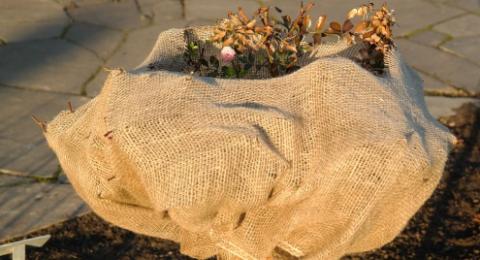

Yes, you can leave your rose bush outside in winter, but there are important considerations to ensure its survival and health during the cold months. Different types of roses have varying degrees of cold tolerance, so it’s essential to understand the specific needs of your rose bush.
When leaving your rose bush outside, consider the following factors:
1. Climate Zone: Different geographical regions have different climate zones, which significantly affect the survivability of rose bushes in winter. Some roses can endure freezing temperatures, while others may require protection.
2. Type of Rose: Certain varieties of roses are more cold-hardy than others. For example, hybrid tea roses may need more winter protection compared to shrub roses.
3. Mulching: Applying a thick layer of mulch can help insulate the roots of the rose bush, protecting them from harsh winter temperatures.
4. Pruning: Properly pruning your rose bush in late fall can help prevent damage from snow and ice buildup, as well as promote better air circulation.
5. Watering: Ensuring that the rose bush is adequately watered before winter can help it withstand cold temperatures, as hydrated plants are typically more resilient to freezing conditions.
Climate Considerations for Rose Bushes
Cold weather can greatly impact rose bushes, depending on where you live. Here are some key points to consider regarding climate:
- Hardiness Zone: Research the hardiness zone for your area to determine if your rose bush can survive the winter.
- Temperature Extremes: Be aware of the typical low temperatures your region experiences during winter.
- Microclimates: Certain areas in your yard may be warmer due to sun exposure or wind protection, which can aid in winter survival.
Types of Roses for Winter Survival
The hardiness of different rose types varies significantly. Consider these points when selecting roses for winter:
- Hybrid Tea Roses: These are less cold-tolerant and might need extra protection.
- Floribunda Roses: Generally more resilient, though still may require some winter care.
- Shrub Roses: Often the most adaptable to cold weather conditions among rose types.
Protective Measures for Winter
Taking the right precautions can help your rose bush survive the winter months. Consider the following methods:
- Mulching: Use organic materials, like wood chips or straw, to insulate the roots.
- Covering with Fabric: In severe climates, consider covering roses with burlap or frost cloth for added protection.
- Build a Windbreak: Erect barriers to protect your rose bush from harsh winter winds.
Pruning Techniques for Winter
Proper pruning can be crucial for the health of your rose bush through winter. Focus on these aspects:
- Cut Back Dead Wood: Remove any dead or diseased branches before winter sets in.
- Shape the Bush: Encourage a shape that prevents snow accumulation on branches.
- Timing: Prune at the right time, usually in late fall, prior to the first hard frost.
Watering Needs Before Winter
Watering is a critical part of preparing your rose bush for winter. Keep these tips in mind:
- Hydration: Ensure soak the soil thoroughly before the ground freezes.
- Reduce Watering Frequency: As temperatures drop, the watering needs of the rose bush will decrease.
- Monitor Soil Moisture: Check soil moisture regularly, as dry winter air can lead to dehydration.
Are there any perennial roses?

Yes, there are perennial roses, commonly referred to as perennial flowering roses. Unlike typical annuals that complete their life cycle in a year, perennial roses are plants that return year after year, providing stunning blooms and ornamental beauty to gardens. They belong to several categories, including traditional hybrid tea roses, floribunda, and shrub roses, that are bred to withstand various climatic conditions and pest challenges while flourishing in a well-maintained garden.
Types of Perennial Roses
Perennial roses can be categorized into various types, each offering unique characteristics and blooming schedules. Some of the most popular include:
See also:
- Hybrid Tea Roses: Known for their large, single blooms and long stems, making them ideal for cut flowers.
- Floribunda Roses: These produce clusters of flowers that provide a continuous display of color.
- Climbing Roses: Perfect for trellises and walls, they can reach heights of up to fifteen feet.
- Shrub Roses: These are resistant to disease and often have a more natural growth habit.
- Ground Cover Roses: Low-growing types that spread to form a dense mat of flowers, great for covering soil.
Benefits of Perennial Roses
There are several reasons why perennial roses are a popular choice among gardeners, including:
- Long-lasting Beauty: They provide blooms every year, contributing to garden aesthetics throughout the seasons.
- Diverse Variety: Perennial roses come in different colors, shapes, and scents, catering to various preferences.
- Low Maintenance: Many types are bred for disease resistance and can thrive with minimal care.
- Wildlife Attraction: They attract beneficial insects such as bees and butterflies, promoting garden health.
- Increased Property Value: A well-maintained garden with perennial roses can enhance curb appeal and property value.
Planting and Care Tips for Perennial Roses
To ensure that your perennial roses thrive, consider the following planting and care tips:
- Choose the Right Location: Most perennial roses require full sun, ideally six to eight hours of direct sunlight.
- Soil Quality: Ensure well-draining, organic-rich soil to promote healthy root development.
- Watering Practices: Water deeply and less frequently to encourage root growth, avoiding overhead watering to minimize disease risk.
- Pruning Techniques: Regular pruning in early spring helps promote growth and controls size and shape.
- Fertilization: Use balanced fertilizers to provide the necessary nutrients throughout the growing season.
Common Pests and Diseases
Perennial roses can be susceptible to various pests and diseases. Being aware of these issues and managing them effectively is crucial:
- Black Spot: A common fungal disease that causes dark spots on leaves; it often requires fungicide treatment.
- Aphids: These small insects can infest roses, leading to stunted growth and deformed leaves; they can be controlled with insecticidal soap.
- Powdery Mildew: A fungal issue characterized by a white powdery film on leaves; increasing airflow and proper spacing can help prevent this.
- Spider Mites: Tiny pests that cause yellowing leaves; regular water sprays can help keep their populations down.
- Rose Slugs: Larvae that eat the leaves; effective control includes introducing beneficial insects or using targeted insecticides.
Popular Perennial Rose Varieties
Several perennial rose varieties are highly regarded for their beauty and resilience. Here are some favorites:
- Knock Out Roses: Renowned for their continuous blooms and disease resistance, ideal for low-maintenance gardens.
- David Austin Roses: Celebrated for their English Rose characteristics, combining traditional charm with modern hardiness.
- Rosa Rugosa: A hardy shrub rose known for its fragrant blooms and ability to thrive in poor soils and coastal areas.
- Iceberg Roses: Producing stunning white blooms, they are popular for their abundant flowering and robust nature.
- Belinda's Dream: A disease-resistant rose with beautiful pink blooms and a wonderful fragrance, perfect for southern climates.
What should you not plant next to roses?
:max_bytes(150000):strip_icc()/ms-rose-bush-getty-8fdb31d9f68245b7b0eb0c6fbc7d65cd.jpg)
Roses are beautiful and popular flowers in gardens, but they can be quite particular about their neighbors. Certain plants can harbor pests, diseases, or compete for nutrients, which can adversely affect the health and growth of your roses. Here are some plants and categories of plants that should be avoided next to roses.
Plants to Avoid Near Roses
When planning a garden layout, it is essential to consider companion planting. Some plants produce negative effects when grown alongside roses. Here’s a list of specific plants that should be avoided:
- Mint: Mint can spread aggressively, competing for resources and overshadowing the roses.
- Fennel: Fennel can inhibit the growth of roses due to its allelopathic properties, which can suppress nearby plant growth.
- Barberry: This bushy plant can attract pests like aphids, which are detrimental to roses.
- Deadly Nightshade: This plant is toxic and may also attract pests that can harm roses.
- Potato: Potatoes and roses share similar diseases, making them poor companions.
Herbs That May Harm Roses
Certain herbs are known to affect the growth and health of roses negatively. It’s important to understand how the characteristics of these herbs can impact the roses:
- Thyme: While some gardeners may find thyme beneficial, it can attract pests that will harm roses.
- Chamomile: This herb can compete for nutrients and space, leading to poor growth in roses.
- Alliums: Garlic and onions can inhibit the growth of roses due to their strong scents that may interfere with other plants.
Annual Flowers to Keep Away
Certain annual flowers may also compete with roses for resources or attract pests, making them unsuitable companions. Here are some of them:
- Petunias: These flowers can attract aphids and other pests that might infest your roses.
- Impatiens: They can create shade but may also compete for water and nutrients that roses need.
- Pansies: These can harbor pests and compete for soil nutrients, affecting the roses' health.
Vegetables That Shouldn't Be Planted Near Roses
When it comes to vegetables, some may not be compatible with roses, potentially leading to poor plant health. Consider avoiding these vegetables:
- Tomatoes: They can attract pests that may also affect roses.
- Cucumbers: These tend to draw the same diseases that affect roses.
- Peppers: Like tomatoes, peppers can attract pests harmful to roses.
Trees and Shrubs to Avoid Near Roses
In addition to flowers and vegetables, certain trees and shrubs can also impede the growth of roses. Here are a few to keep at a distance:
- Black Walnut: This tree releases juglone, a compound that is toxic to many plants, including roses.
- Pine Trees: Their acidic needles can change soil pH, making it less favorable for roses.
- Boxwoods: These can harbor pests and diseases that may adversely affect roses.
Questions from Our Readers
Are roses annual or perennial plants?
Roses are primarily considered perennial plants. They can live for several years, returning each growing season. However, some rose varieties may behave like annuals in certain climates where they cannot survive frost.
How can I tell if my rose plant is perennial?
You can determine if your rose plant is perennial by observing its ability to come back each year. Perennial roses will typically bloom in the spring and summer after lying dormant through the winter months.
Do all rose varieties last year after year?
Not all rose varieties are equally hardy. Some may be more sensitive to temperature changes and could die off in cold climates, while others are specifically bred to thrive as perennials in various conditions.
What care do perennial roses need to thrive?
To ensure your perennial roses thrive, they need adequate sunlight, regular watering, and proper pruning. Additionally, applying mulch can help protect the roots during winter and promote healthy growth.
See also:

If you want to read more articles like Are Roses a Perennial or Annual? Discover the Truth About These Beautiful Flowers, we recommend you check out our Roses category.
Leave a Reply
Related Articles