What Does Epsom Salt Do for Hydrangeas? Unlocking the Benefits for Your Garden

Epsom salt, a simple compound of magnesium sulfate, is gaining popularity among gardening enthusiasts for its potential benefits to various plants, including hydrangeas. Known for its ability to enhance plant growth and flower vibrancy, Epsom salt can play a pivotal role in the health of hydrangeas. This article will explore how Epsom salt can improve soil quality, boost nutrient absorption, and even influence flower color in these beautiful blooms. By unlocking the advantages of Epsom salt, gardeners can cultivate thriving hydrangeas that add beauty and charm to their outdoor spaces. Discover how to incorporate this natural remedy into your gardening routine.
- Benefits of Epsom Salt for Hydrangeas
- How often do you put Epsom salt on hydrangeas?
- What does putting coffee grounds on hydrangeas do?
- Nutrient Boost
- Soil Structure Improvement
- Hydrangeas are unique in that their flower color can change based on the soil pH. Adding coffee grounds can help modify the pH levels of the soil, making it slightly more acidic, which is beneficial for blue hydrangeas.Acidity Increase: Coffee grounds have a natural acidity that can help lower the pH in alkaline soils.Color Alteration: Acidic soils produce blue blooms, while neutral or alkaline conditions yield pink flowers.Soil Test: Regular soil testing is important to monitor pH levels and ensure the best conditions for hydrangeas. Organic Matter Contribution
- Repellent Properties
- Should I sprinkle Epsom salt around plants?
- Questions from Our Readers
Benefits of Epsom Salt for Hydrangeas
Epsom salt, chemically known as magnesium sulfate, is often used in gardening to enhance the growth and prosperity of various plants, including hydrangeas. This compound is rich in magnesium, which plays a crucial role in photosynthesis, helping leaves produce more chlorophyll. Additionally, magnesium improves nutrient absorption, ensuring that hydrangeas receive essential minerals like nitrogen, phosphorus, and potassium more effectively. Notably, Epsom salt can help increase the vibrancy of flower colors, especially in blue hydrangeas, as it influences the uptake of aluminum ions from the soil. Applying Epsom salt regularly can contribute to healthier growth, more abundant blooms, and overall better resilience against diseases and pests.
Magnesium and Its Role in Hydrangea Growth
Magnesium is an essential nutrient that contributes significantly to the overall health of hydrangeas. It supports chlorophyll production, allowing the plants to effectively perform photosynthesis, which in turn produces energy necessary for growth and flowering. This element also aids in the synthesis of essential plant hormones, encouraging vivid, lush foliage and vibrant blooms. By ensuring an adequate supply of magnesium through Epsom salt, gardeners can enhance the overall vitality of their hydrangeas.
How Epsom Salt Enhances Flower Colors
Hydrangeas exhibit unique colors based on their soil conditions, particularly the presence of aluminum ions, which can be affected by soil pH levels. Epsom salt aids in the absorption of these aluminum ions, especially in acidic soils, thereby enhancing the blue color of the flowers. This is particularly evident in Hydrangea macrophylla, where a higher concentration of aluminum leads to deeper blue hues. For those seeking to achieve specific colors in their hydrangea blooms, Epsom salt application can be integral to the desired outcome.
Application Methods for Epsom Salt
Applying Epsom salt to hydrangeas can be done in several effective methods. One way is to dissolve a tablespoon of Epsom salt in a gallon of water and use this solution to water the plants directly, ensuring the roots absorb the magnesium. Alternatively, gardeners can sprinkle dry Epsom salt around the base of the plant and lightly till it into the soil before watering. This dual approach ensures that magnesium is available both in solution and within the soil structure, promoting optimal nutrient uptake and growth.
Frequency of Epsom Salt Application
The frequency of Epsom salt application for hydrangeas typically ranges from once a month during the growing season to every six weeks, depending on the plant's specific needs and soil conditions. Gardeners should monitor the reactions of their hydrangeas to the treatment; signs of nutrient deficiency, such as yellowing leaves, often indicate a need for more magnesium. However, excessive use can lead to nutrient imbalance, so it's important to maintain moderation to avoid stress on the plants while ensuring they receive adequate care.
Cautions When Using Epsom Salt
While Epsom salt can provide numerous benefits, there are also certain cautions to consider when using it on hydrangeas. Over-application can result in nutrient imbalances and potential toxicity, particularly if the soil already contains high levels of magnesium or sulfur. Gardeners should conduct soil tests to evaluate existing nutrient levels before application. Additionally, while Epsom salt can enhance growth, it should not replace a comprehensive fertilization plan that addresses all necessary macro and micronutrients, ensuring a balanced diet for optimal hydrangea health.
| Benefit | Description |
|---|---|
| Improved Growth | Enhances chlorophyll production for more vigorous growth. |
| Color Enhancement | Boosts flower color through better aluminum absorption. |
| Nutrient Absorption | Aids in the uptake of essential nutrients from the soil. |
| Plant Health | Promotes overall resilience against diseases and pests. |
| Easy Application | Multiple methods available for effective use in the garden. |
How often do you put Epsom salt on hydrangeas?

Epsom salt, which is composed of magnesium sulfate, is often used as a supplement for various plants, including hydrangeas. The frequency of application can vary based on the health of the plant and the soil conditions. Generally, you can apply Epsom salt to hydrangeas once a month during the growing season. Here are some details about how often to apply Epsom salt to hydrangeas.
Benefits of Epsom Salt for Hydrangeas
Epsom salt provides essential magnesium and sulfur, two nutrients that are crucial for the growth and blooming of hydrangeas. The benefits include:
See also:
- Improved Flower Color: Epsom salt can enhance the color of the flowers, particularly in blue hydrangeas.
- Strong Root Development: Magnesium promotes healthy root systems, which supports overall plant health.
- Stress Resistance: The inclusion of magnesium helps hydrangeas tolerate drought and temperature fluctuations.
How to Apply Epsom Salt to Hydrangeas
Applying Epsom salt is straightforward. It's typically mixed with water and applied during the growing season:
- Dissolve: Mix 1 tablespoon of Epsom salt in a gallon of water.
- Water: Use this solution to water the hydrangeas at the base, avoiding the leaves to prevent burning.
- Frequency: Apply once a month during the growing season for the best results.
Signs Your Hydrangeas Need Epsom Salt
Hydrangeas may show signs of nutrient deficiency that indicate a need for Epsom salt. Look for:
- Yellowing Leaves: This can signal a magnesium deficiency, particularly in older leaves.
- Weak Growth: Stunted growth can indicate insufficient nutrient levels.
- Poor Flower Development: Fewer or less vibrant blooms may suggest that the plants need more nutrients.
Seasonal Considerations for Using Epsom Salt
The timing of when to apply Epsom salt can significantly affect its efficacy. Consider these seasonal factors:
- Spring Growth: Apply Epsom salt as new growth begins in the spring for maximum benefits.
- After Pruning: Using Epsom salt post-pruning can encourage healing and new growth.
- During Flowering: Continuing applications during blooming can enhance flower color and size.
Alternative Sources of Magnesium for Hydrangeas
While Epsom salt is a popular choice, there are other ways to supply magnesium to hydrangeas:
- Compost: Well-decomposed compost can provide a balanced source of nutrients, including magnesium.
- Magnesium Sulfate Fertilizers: Other specific fertilizers contain magnesium and can be used in similar frequencies.
- Synthetic Fertilizers: Look for fertilizers that list magnesium as an ingredient, applying them according to the manufacturer's instructions.
What does putting coffee grounds on hydrangeas do?

Putting coffee grounds on hydrangeas is a common gardening practice that many enthusiasts adopt to enhance the health and appearance of these beautiful flowers. Here’s a detailed look at how coffee grounds can impact hydrangeas.
Nutrient Boost
Coffee grounds are rich in essential nutrients that can significantly benefit hydrangeas. When used as an amendment to the soil, they provide a slow-release source of nutrients that helps improve overall plant health.
- Nitrogen: Coffee grounds have a high nitrogen content, an essential nutrient for plant growth and chlorophyll production.
- Phosphorus: They also contain phosphorus, which promotes root development and flowering.
- Potassium: The presence of potassium aids in the overall functioning of plant cells and enhances flower color.
Soil Structure Improvement
In addition to providing nutrients, coffee grounds can improve the structure and texture of the soil. Adding coffee grounds can enhance drainage and aeration, which are crucial for hydrangeas since they thrive in well-draining soils.
- Improved Drainage: Coffee grounds can help break up compacted soil, allowing better water flow.
- Aeration: The addition of grounds creates small pockets in the soil, improving airflow to the roots.
- Moisture Retention: They can also help retain moisture, an important factor for hydrangeas that prefer consistent watering.
Hydrangeas are unique in that their flower color can change based on the soil pH. Adding coffee grounds can help modify the pH levels of the soil, making it slightly more acidic, which is beneficial for blue hydrangeas.
- Acidity Increase: Coffee grounds have a natural acidity that can help lower the pH in alkaline soils.
- Color Alteration: Acidic soils produce blue blooms, while neutral or alkaline conditions yield pink flowers.
- Soil Test: Regular soil testing is important to monitor pH levels and ensure the best conditions for hydrangeas.
Organic Matter Contribution
Adding coffee grounds also contributes to the organic matter in the soil, which is essential for healthy soil biology. This added organic matter can lead to improved fertility and plant health over time.
See also:
- Microbial Activity: The organic material promotes beneficial microbial activity in the soil.
- Soil Fertility: Over time, decaying coffee grounds enhance soil fertility as they break down.
- Carbon Source: Coffee grounds provide a carbon source for soil organisms, contributing to a healthy ecosystem.
Repellent Properties
Coffee grounds can also serve as a natural repellent for certain pests. Some gardeners find that the use of coffee grounds helps deter unwanted insects that might harm hydrangeas.
- Snail and Slug Deterrent: The coarse texture of coffee grounds can deter these pests from reaching the plants.
- Cat Deterrent: Coffee grounds can be used as a natural repellent for cats that might dig in the soil.
- Fungal Prevention: The use of grounds can also help to reduce the presence of certain fungi in the soil.
Should I sprinkle Epsom salt around plants?
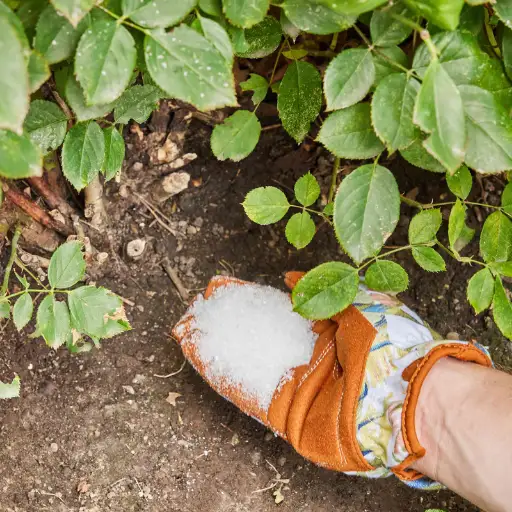
Sprinkling Epsom salt around plants can provide various benefits to your garden. Epsom salt, which is composed of magnesium sulfate, is often used by gardeners to enhance plant growth. Here are some key points to consider.
Benefits of Epsom Salt for Plants
Epsom salt offers several benefits when used in gardening. Some of the most notable include improved nutrient absorption and enhanced plant growth.
- Magnesium Source: Epsom salt is a rich source of magnesium, which is essential for photosynthesis and overall plant health.
- Improves Nutrient Uptake: It enhances the ability of plants to absorb other nutrients, particularly nitrogen and phosphorus.
- Stimulates Growth: Regular application can promote quicker growth rates and more robust plants.
How to Use Epsom Salt Around Plants
Using Epsom salt around your plants requires proper application techniques to maximize its effectiveness.
- Application Rate: Generally, a ratio of 1 to 2 tablespoons of Epsom salt per foot of plant height is recommended.
- Soil Preparation: Mix Epsom salt into the soil at planting time or sprinkle it on the soil surface for existing plants.
- Watering: Follow up with adequate watering to help the salt dissolve and reach the root systems effectively.
Best Plants for Epsom Salt Treatment
Certain types of plants benefit more significantly from Epsom salt due to their nutrient requirements and growth characteristics.
- Tomatoes: They thrive on the extra magnesium, which enhances fruit production.
- Peppers: Similar to tomatoes, peppers often show improvement in yield with magnesium.
- Roses: They benefit from the magnesium to promote lush foliage and vibrant blooms.
Potential Risks of Using Epsom Salt
While Epsom salt can be beneficial, overapplying it may lead to potential risks. It's essential to understand these risks before use.
- Overapplication: Excess magnesium can lead to nutrient imbalances, particularly concerning calcium and potassium.
- Salinity Issues: Too much salt can increase soil salinity, negatively affecting plant health.
- Soil pH Alteration: Continuous use may alter the soil’s pH, which can affect nutrient availability.
Alternatives to Epsom Salt
If you're hesitant to use Epsom salt, there are several alternatives to consider for boosting plant health and growth.
- Organic Compost: Adding well-rotted compost can improve soil structure and nutrient content.
- Bone Meal: This is an excellent source of phosphorus, supporting root development and flowering.
- Fish Emulsion: A liquid organic fertilizer that provides both nitrogen and trace minerals for vibrant plant growth.
Questions from Our Readers
What is Epsom salt and how does it benefit hydrangeas?
Epsom salt is composed of magnesium sulfate and is often used in gardening to enhance plant health. For hydrangeas, it helps improve flower color and promotes lush growth by providing essential magnesium, which is crucial for photosynthesis and overall plant vitality.
How do I apply Epsom salt to my hydrangeas?
To apply Epsom salt to your hydrangeas, dissolve about 1 tablespoon of it in a gallon of water and use it to water the plants. This method ensures that the magnesium reaches the roots effectively, supporting their growth and enhancing flower production.
See also:
How often should I use Epsom salt on hydrangeas?
It is generally recommended to use Epsom salt on hydrangeas once a month during the growing season. This regular application helps maintain adequate levels of magnesium, ensuring that the plants remain healthy and produce vibrant blooms.
Can Epsom salt change the color of hydrangea flowers?
Yes, Epsom salt can influence the color of hydrangea flowers, particularly in varieties that are affected by soil pH. Adding Epsom salt can brighten blue flowers and enhance their vibrancy by supplying magnesium, which promotes better nutrient absorption in the plant.

If you want to read more articles like What Does Epsom Salt Do for Hydrangeas? Unlocking the Benefits for Your Garden, we recommend you check out our Hydrangea category.
Leave a Reply
Related Articles