What is poisonous about hydrangeas? Discover the Risks and Symptoms of Hydrangea Toxicity.
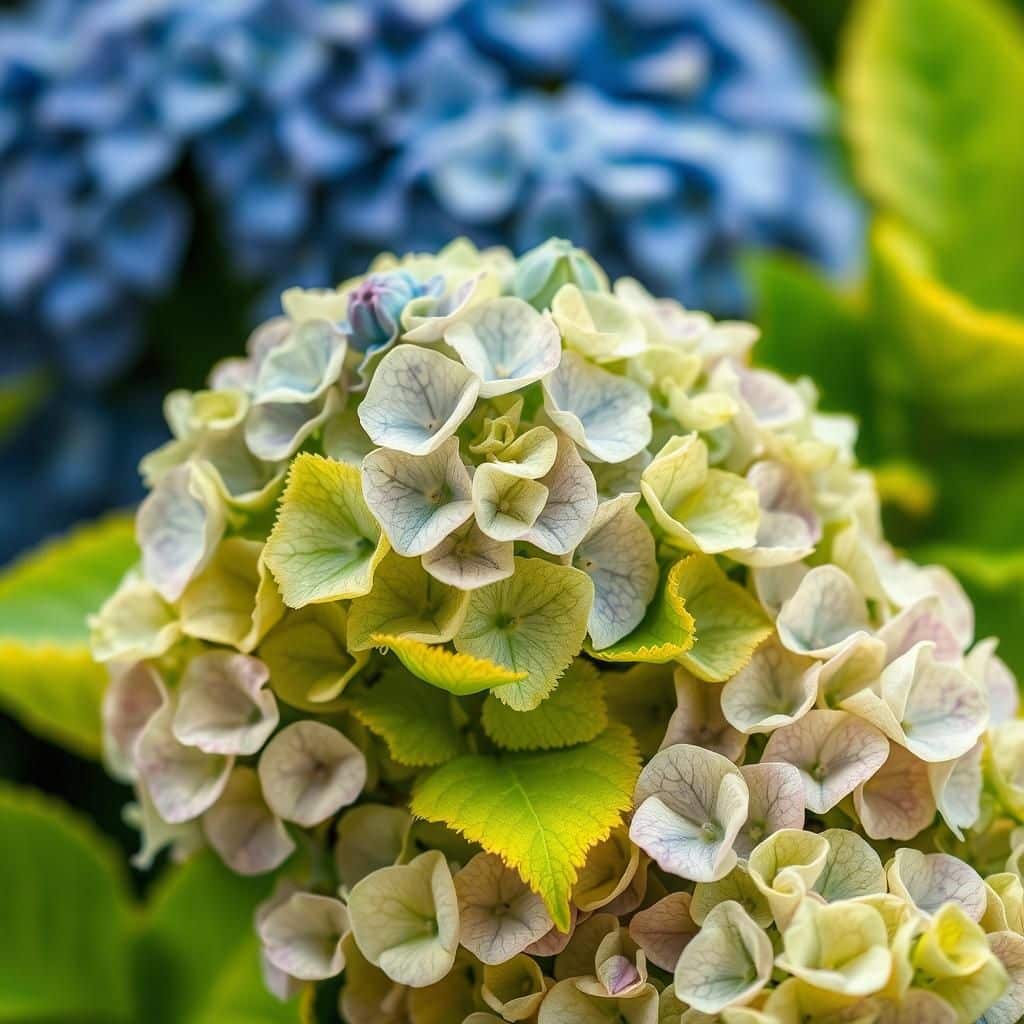
Hydrangeas are beloved garden plants, admired for their vibrant blooms and lush foliage. However, many people are unaware that these beautiful flowers can pose significant health risks if ingested. The toxicity of hydrangeas primarily stems from the presence of cyanogenic glycosides, compounds that can release cyanide when metabolized. Understanding the potential dangers associated with hydrangea consumption is crucial, especially for households with children and pets. In this article, we will explore the risks and symptoms of hydrangea toxicity, equipping readers with the knowledge to enjoy these stunning plants safely while being aware of their hidden dangers.
What Makes Hydrangeas Poisonous?
Hydrangeas contain natural compounds known as cyanogenic glycosides, which can release cyanide when metabolized. These compounds are primarily found in the leaves, flowers, and buds of the plant. When ingested in large quantities, they can be toxic to both humans and animals. Symptoms of toxicity may include nausea, vomiting, and in severe cases, respiratory failure. It is important to be aware of the potential hazards, especially around curious pets and children, and to educate others about the risks associated with hydrangea ingestion.
Cyanogenic Glycosides Explained
Cyanogenic glycosides are a category of natural toxins found in various plants, including hydrangeas. These compounds can break down into hydrogen cyanide, a highly toxic substance. When consumed, even in small amounts, they can cause serious health issues. This compound interferes with the body's ability to utilize oxygen, leading to potential respiratory failure or even death in extreme cases. Understanding these glycosides is crucial for grasping the toxicity of hydrangeas.
Symptoms of Hydrangea Poisoning
When someone ingests parts of a hydrangea plant, they may experience several symptoms due to the harmful effects of the toxins. Symptoms can include gastrointestinal distress such as nausea, vomiting, and diarrhea. In more severe cases, individuals might experience difficulty breathing, dizziness, and an altered mental state. Prompt medical attention is critical if symptoms arise, as timely intervention can mitigate serious health consequences.
Hydrangeas and Pets
Pets, particularly dogs and cats, can also be affected by the toxicity of hydrangeas. If they ingest parts of the plant, they may exhibit signs of severe abdominal pain, drooling, and lethargy. The level of toxicity can vary based on the amount consumed, but it is imperative for pet owners to monitor their pets around gardens and landscaped areas where hydrangeas are present. In case of ingestion, contacting a veterinarian immediately is essential for ensuring the safety and health of the animal.
See also:
Safe Handling Practices
To prevent accidents and potential poisoning, it is important to practice safe handling of hydrangeas. When gardening, wearing gloves can help avoid skin contact with the plant's toxic components. Additionally, it is wise to inform children about the dangers of eating plants and to keep them away from areas populated with hydrangeas. If using hydrangeas in arrangements, ensure they are placed out of reach from pets and young children to prevent any inadvertent ingestion.
Precautions for Gardeners
Gardeners should take specific precautions when cultivating hydrangeas. This includes being aware of the location of the plants and ensuring that they are not easily accessible to children or pets. Education on the toxic effects of hydrangeas should extend to family and visitors who may enter the garden. Proper disposal of any plant trimmings or dead plant parts can further mitigate risk, especially if there are pets or children in the vicinity.
| Plant Part | Toxicity Level |
|---|---|
| Leaves | High |
| Flowers | Moderate |
| Stems | Moderate |
| Roots | Low |
Understanding the Components of Hydrangea Toxicity
Hydrangeas contain cyanogenic glycosides, compounds that can be toxic when ingested, particularly to pets and humans. These substances can release cyanide upon digestion, leading to various symptoms that may range from mild to severe. The risk of poisoning increases with the amount consumed, and certain parts of the plant, especially the leaves and flowers, are more concentrated with these harmful compounds. It is crucial to be cautious around hydrangeas, especially with pets and children, who may be more prone to exploring and tasting lush greenery.
Common Symptoms of Hydrangea Poisoning
The symptoms of hydrangea poisoning can include nausea, vomiting, and diarrhea. In more severe cases, individuals may experience shortness of breath or a sense of dizziness due to reduced oxygen levels from cyanide exposure. Pets, particularly dogs and cats, may show signs such as lethargy, loss of appetite, or an unusual reaction when exposed to these plants. Prompt medical attention is vital for affected individuals to mitigate the potential effects of the toxin.
Part of the Plant That Are Toxic
While all parts of the hydrangea plant can potentially be harmful, the leaves and flowers contain the highest levels of cyanogenic glycosides. Ingesting these parts may lead to more pronounced symptoms compared to the stems and roots, which are generally less toxic. Despite this, it is advisable to avoid eating any part of the plant altogether regardless of the section, given that toxicity levels can vary by species and environmental factors.
See also:
Risk Factors for Hydrangea Toxicity
Certain risk factors can increase the likelihood of hydrangea toxicity. Children, due to their natural curiosity and tendency to explore unfamiliar objects, are at a higher risk of ingesting toxic parts of the plant. Furthermore, pets, particularly those that have a habit of chewing on plants, may also face significant danger from hydrangea exposure. The age, size, and overall health of the individual can also influence the severity of symptoms experienced.
Emergency Treatment for Hydrangea Poisoning
In the event of hydrangea poisoning, it is critical to seek emergency treatment immediately. Medical professionals may induce vomiting or administer activated charcoal to help absorb the toxins. In cases of severe poisoning, supportive treatments may involve oxygen therapy to address cyanide exposure. It is beneficial to have information about the specific plant consumed, as this can aid in the treatment process and determine the necessary steps for recovery.
Preventive Measures to Avoid Hydroangea Toxicity
To prevent hydrangea toxicity, it is essential to educate and inform family members about the potential risks associated with these plants. Keeping hydrangeas out of reach of pets and children is a practical step. Furthermore, maintaining a regularly monitored garden and promptly removing any fallen leaves or flowers can reduce the likelihood of accidental ingestion. Educating oneself about plant toxicity and opting for non-toxic alternatives in gardens can also be a significant preventive measure.
Questions from Our Readers
What part of hydrangeas is poisonous?
The most toxic parts of hydrangeas are the leaves, flowers, and buds. They contain a compound called cyanogenic glycosides, which can release cyanide when metabolized, making ingestion potentially dangerous.
What symptoms can occur from eating hydrangeas?
Ingesting hydrangeas can lead to a range of symptoms such as nausea, vomiting, stomach pain, and diarrhea. In severe cases, it can also cause respiratory distress and dizziness, which require immediate medical attention.
See also:
Are hydrangeas toxic to pets?
Yes, hydrangeas are considered toxic to pets, particularly dogs and cats. Ingestion can lead to vomiting, diarrhea, and in larger amounts, it may result in more serious health issues such as depression and lethargy.
How can I prevent poisoning from hydrangeas?
To prevent poisoning, it's important to keep hydrangeas out of reach of children and pets. Additionally, educating family members about the dangers of these plants can help avoid accidental ingestion.

If you want to read more articles like What is poisonous about hydrangeas? Discover the Risks and Symptoms of Hydrangea Toxicity., we recommend you check out our Hydrangea category.
Leave a Reply
Related Articles