What is the Lifespan of a Hydrangea? Discover Tips for a Thriving Plant

Hydrangeas are beloved for their stunning blooms and lush foliage, making them a popular choice for gardens and landscapes. Knowing the lifespan of these beautiful plants is essential for gardeners aiming to cultivate a thriving environment. While many factors influence how long a hydrangea will thrive, such as species, care, and environmental conditions, understanding their needs can significantly impact their longevity. In this article, we will explore the typical lifespan of hydrangeas and provide essential tips to ensure your plants remain vibrant and healthy for years to come. Discover how to nurture your hydrangeas and enjoy their beauty season after season.
What is the Lifespan of a Hydrangea?
Hydrangeas are known for their stunning blooms and can live for many years when properly cared for. Typically, the lifespan of a hydrangea varies depending on the species, growth conditions, and care provided. On average, hydrangeas can live between 10 to 50 years, with some varieties surviving even longer. Factors such as the soil quality, water availability, and exposure to light play a significant role in determining their longevity. Proper pruning and maintenance can significantly extend the lifespan of these beautiful flowering plants, making them a thriving addition to any garden.
Factors Influencing Hydrangea Lifespan
The lifespan of a hydrangea can be heavily influenced by numerous factors. Soil quality is vital; hydrangeas prefer moist, well-draining soil rich in organic matter. Adequate water is essential, as hydrangeas need consistent hydration, but overwatering can lead to root rot and disease. Additionally, exposure to the right amount of sunlight is crucial, as too much direct sunlight can scorch the leaves, while not enough can inhibit blooming. Finally, regular pruning and pest management can prevent diseases and promotes overall health, thus increasing their longevity.
Common Hydrangea Varieties and Their Lifespan
Different varieties of hydrangeas exhibit various lifespans based on their unique characteristics. For instance, Hydrangea macrophylla, known as the bigleaf hydrangea, typically lives between 10 to 20 years. In contrast, the Panicle hydrangea (Hydrangea paniculata) tends to be hardier, often surviving and thriving for 30 years or more, particularly in colder climates. The smooth hydrangea (Hydrangea aborescens), known for its white blooms, also has a lifespan of about 20 years. Choosing the right variety according to climatic conditions can enhance the chances of a longer lifespan.
Pruning Techniques for Longevity
Effective pruning is essential for extending the lifespan of hydrangeas. Different hydrangea types require different pruning schedules, with some, like the bigleaf variety, needing pruning right after the blooming season. The goal is to remove dead or damaged stems, which encourages new growth and bloom production for the following season. Moreover, thinning out overcrowded branches helps enhance air circulation, reducing the chances of disease. Proper technique not only promotes longevity but also maintains the aesthetic appeal of the plant.
Sign of Aging in Hydrangeas
As hydrangeas age, several signs indicate they may require special attention. Some common indicators include reduced flower production, smaller blooms, or stunted growth. Leaves may also appear yellowed or drooped, signaling potential stressors such as nutrient deficiencies or improper watering. If a hydrangea begins to display these symptoms, it may be time to reassess the care routine, including evaluating soil health, adjusting watering practices, and possibly relocating the plant for better light conditions.
How to Revive Aging Hydrangeas
When hydrangeas show signs of aging or decline, there are effective strategies to revive them. First, assess watering routines—ensuring the plant is not too dry or excessively moist can make a big difference. Adding a balanced fertilizer may help replenish nutrients, encouraging new growth and blooming. Additionally, pruning back any dead or unhealthy wood can stimulate rejuvenation. In some cases, transplanting the hydrangea to a more suitable location with adequate light and better soil conditions can provide the revitalization needed for a longer lifespan.
| Hydrangea Variety | Average Lifespan | Key Characteristics |
|---|---|---|
| Hydrangea macrophylla | 10-20 years | Bigleaf hydrangeas, large colorful blooms |
| Hydrangea paniculata | 30+ years | Panicle hydrangeas, cone-shaped flower clusters |
| Hydrangea arborescens | 20 years | Smooth hydrangeas, white blossoms |
| Hydrangea quercifolia | 20-30 years | Oakleaf hydrangeas, distinctive oak-like leaves |
| Hydrangea serrata | 20 years | Mountain hydrangeas, rich colors in cooler climates |
Do hydrangeas have a life expectancy?
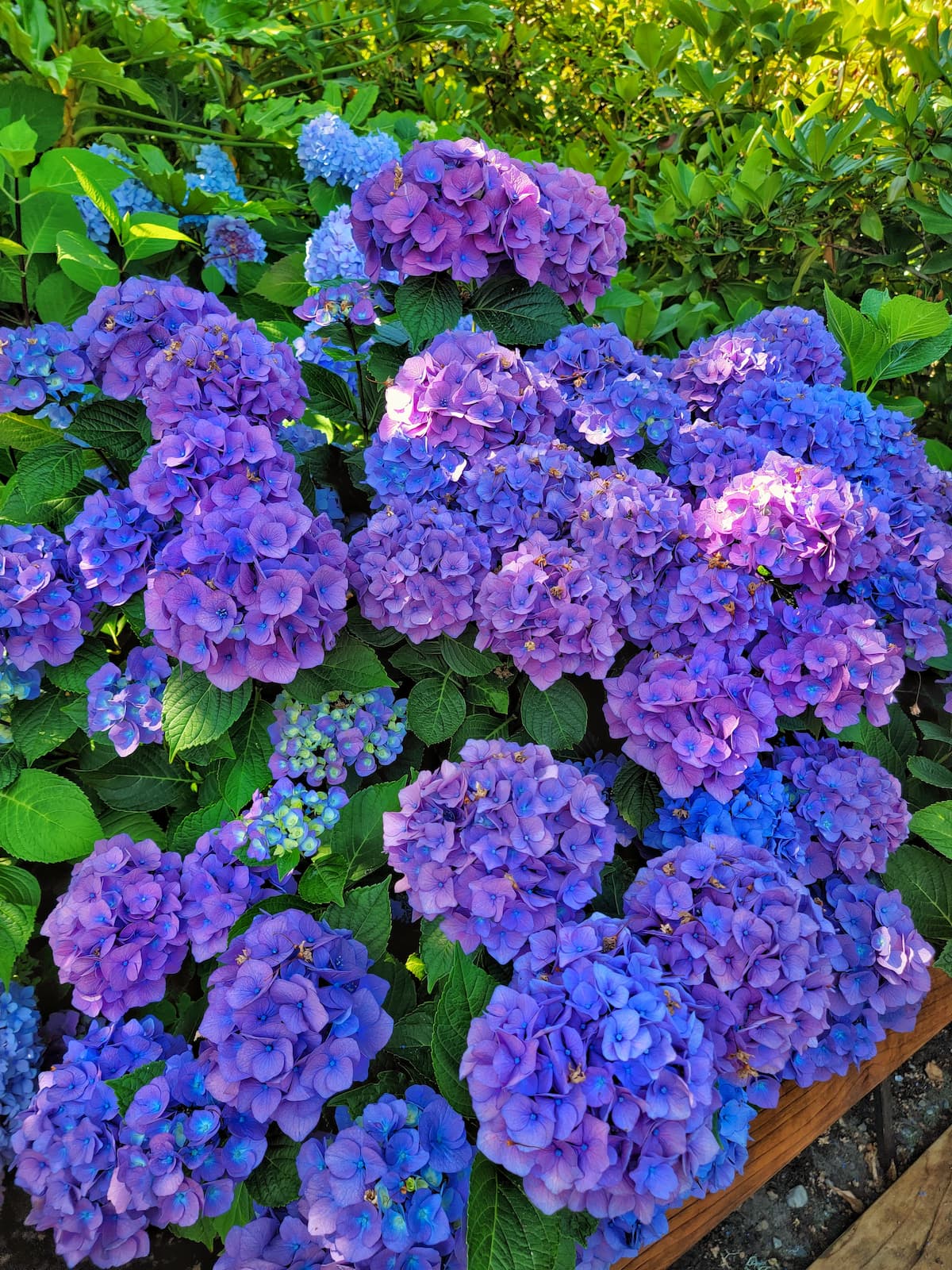

Hydrangeas, known for their stunning blooms, do indeed have a life expectancy. The average lifespan of a hydrangea plant ranges from 20 to 50 years, depending on various factors including the species, environmental conditions, and how well they are cared for. However, some species might live even longer if cultivated in favorable conditions.
Factors Affecting Life Expectancy
Several factors influence the lifespan of hydrangeas, which include:
- Species: Different species of hydrangeas have unique characteristics and lifespans, with some being more resilient than others.
- Growing Conditions: Optimal sunlight, soil type, and water availability significantly impact the health and longevity of the plant.
- Pest and Disease Management: Regular monitoring for pests and diseases can enhance the lifespan by preventing damage.
Common Types of Hydrangeas
Understanding the types of hydrangeas can give insights into their respective lifespans:
- Hydrangea macrophylla: Also known as bigleaf hydrangea, they are known for their vibrant flowers and can live around 20-30 years.
- Hydrangea paniculata: The panicled hydrangea is very resilient, often thriving for 30-50 years under good care.
- Hydrangea quercifolia: Oakleaf hydrangea is another robust variety that can last up to 50 years when properly maintained.
Care Tips to Extend Life
Regular care is essential to prolonging the life of hydrangeas:
- Pruning: Proper pruning encourages healthy growth and stunning blooms, which can extend the plant's life.
- Watering: Consistent watering, especially during dry spells, is crucial to prevent stress and promote longevity.
- Soil Management: Using well-draining, nutrient-rich soil can help sustain a healthy plant for years.
Signs of Decline
Being aware of the signs of decline can help in taking action promptly:
- Wilting Leaves: If the leaves are wilting or turning brown, it may indicate stress or disease.
- Stunted Growth: Lack of new growth or reduced flowering could suggest the plant is struggling.
- Pests: The presence of pests, such as aphids or spider mites, can significantly shorten the lifespan if not addressed.
Rejuvenation Techniques
If a hydrangea shows signs of decline, several rejuvenation techniques can be employed:
- Cutting Back: Reducing the size of the plant can encourage new growth and improve overall health.
- Fertilizing: Applying a balanced fertilizer in the spring can provide the necessary nutrients to revive a struggling plant.
- Improving Drainage: Ensuring proper drainage can prevent root rot and other water-related issues, promoting longevity.
How long will hydrangeas last?

How long hydrangeas last can depend on various factors such as the type of hydrangea, the growing conditions, and whether the hydrangeas are cut flowers or in the garden. Typically, cut hydrangeas can last from one to three weeks when properly cared for, while hydrangeas growing in the garden can last for several months, depending on the climate and care they receive.
See also:
Types of Hydrangeas
Different types of hydrangeas have varying lifespans and blooming cycles. The most common types include:
- Hydrangea macrophylla: Known for their large blooms, these typically bloom from late spring to early summer and can last until fall.
- Hydrangea paniculata: Often more resilient and can produce flowers from mid-summer to early fall, lasting longer into the season.
- Hydrangea quercifolia: These oak-leaf hydrangeas bloom later in the season and can last until autumn, showcasing stunning fall foliage as well.
Growing Conditions
The longevity of hydrangeas in the garden is greatly influenced by growing conditions. Key factors include:
- Soil Quality: Well-drained, nutrient-rich soil supports healthier plants that can thrive longer.
- Sunlight: Most hydrangeas prefer partial shade, too much sun can wilt their blooms and shorten their lifespan.
- Watering: Consistent moisture is crucial, especially during dry spells; under-watering can lead to early wilting.
Care for Cut Hydrangeas
For cut hydrangeas, proper care can significantly extend their lifespan. Consider the following tips:
- Trim Stems: Cut stems at an angle and remove any leaves that might be submerged in water to prevent rot.
- Use Fresh Water: Change the water daily and add flower preservatives when possible to nourish the blooms.
- Keep Cool: Place the arrangement in a cool area, away from direct sunlight and heat sources to prolong freshness.
Seasonal Factors
Seasonal elements can affect hydrangeas both in the garden and as cut flowers. These factors include:
- Temperature: Hot weather may cause blooms to wilt quickly, while cooler temperatures can help maintain freshness.
- Rainfall: Adequate rainfall can enhance the growth of garden hydrangeas, while excessive rain can lead to disease.
- Frost: Late frosts in spring may damage young blooms, while early frost in fall can end the blooming season prematurely.
Pest and Disease Management
Pests and diseases can significantly shorten the life of hydrangeas. Effective management can include:
- Pest Control: Monitor for aphids, spider mites, and scale; organic options like neem oil can be effective.
- Disease Prevention: Keep plants healthy by ensuring good air circulation and avoiding overhead watering to minimize fungal diseases.
- Regular Inspection: Check for signs of stress or damage, and take action immediately to avoid further issues.
Questions from Our Readers
What is the average lifespan of a hydrangea plant?
The average lifespan of a hydrangea plant can range from 20 to 50 years, depending on factors such as the species, growing conditions, and care provided. Proper maintenance, including regular pruning and appropriate watering, can help extend the health and longevity of these plants.
How can I extend the lifespan of my hydrangeas?
To extend the lifespan of your hydrangeas, ensure they receive the right amount of sunlight, water regularly, and apply fertilizer during the growing season. Additionally, regular pruning and protecting them from extreme weather conditions will contribute to a longer life for your hydrangeas.
Do different types of hydrangeas have different lifespans?
Yes, different types of hydrangeas, such as Hydrangea macrophylla or Hydrangea paniculata, may have varying lifespans due to their specific characteristics and growing requirements. Generally, species that are more resilient and suited to local climates may have a longer lifespan.
See also:
What should I do if my hydrangea shows signs of decline?
If your hydrangea shows signs of decline, such as wilting leaves or poor blooming, it is essential to assess its growing conditions, including soil quality, water drainage, and sunlight exposure. Taking corrective measures, like improving soil drainage or adjusting watering routines, can help revitalize your hydrangea and extend its overall lifespan.

If you want to read more articles like What is the Lifespan of a Hydrangea? Discover Tips for a Thriving Plant, we recommend you check out our Hydrangea category.
Leave a Reply
Related Articles