How Tall Do Hydrangeas Grow? A Complete Guide to Hydrangea Heights and Care Tips
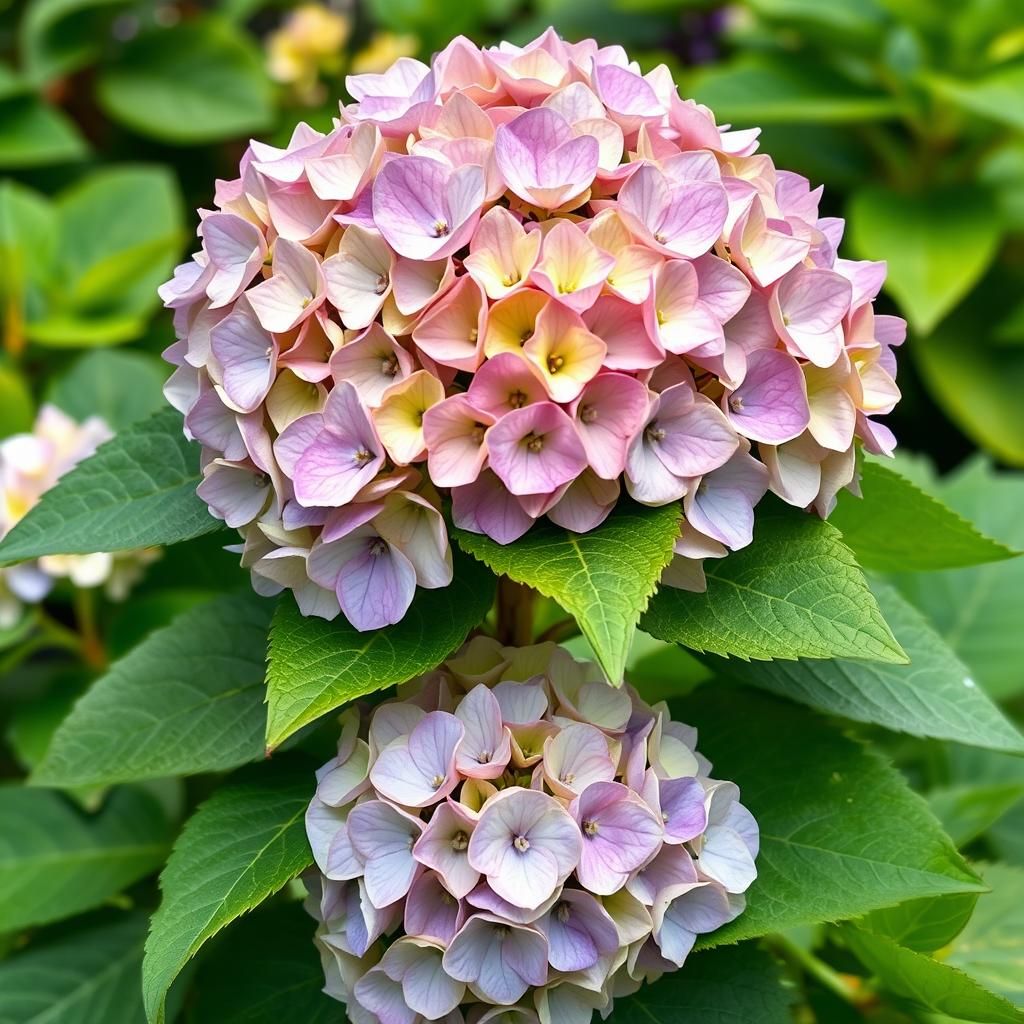
Hydrangeas are a beloved choice for gardeners, known for their vibrant blooms and lush foliage. However, understanding how tall these beautiful plants can grow is essential for choosing the right variety for your garden. This complete guide will explore the different heights of hydrangeas, from the compact types perfect for small spaces to the towering varieties that make a statement in larger landscapes. Alongside height insights, we will provide essential care tips to ensure your hydrangeas thrive regardless of their size. Whether you're a seasoned gardener or a beginner, this guide will help you cultivate stunning hydrangeas that enhance your outdoor space.
Understanding the Height of Hydrangeas
Hydrangeas are a diverse genus of flowering plants known for their stunning blooms and varying heights, which can range from as short as 1 to 3 feet for certain dwarf varieties to as tall as 6 to 10 feet for others, depending on the species and growing conditions. Some popular types, like the Hydrangea macrophylla, typically reach about 3 to 6 feet, while the Panicle hydrangea can grow taller, reaching heights of 8 to 10 feet or more. The growth rate is influenced by factors such as soil quality, sunlight exposure, and pruning practices, making it essential for gardeners to choose the right variety for their space and desired aesthetic.
Factors Influencing Hydrangea Height
The height of hydrangeas is influenced by several factors, including variety, soil health, light exposure, and climate conditions. Dwarf varieties are bred to remain smaller, making them ideal for smaller gardens or container planting. Conversely, species like the Panicle hydrangea thrive in full sun and can grow to impressive heights if provided with the right nutrients and water. Additionally, the local climate plays a significant role; warmer zones can promote more vigorous growth.
Common Varieties and Their Heights
Different hydrangea varieties exhibit a wide range of heights, catering to various gardening needs. For example, Hydrangea macrophylla typically grows between 3 and 6 feet, making it suitable for mid-sized gardens. In contrast, Hydrangea paniculata, known for its large flower clusters, can reach heights of up to 10 feet, providing a stunning vertical element in the landscape. Other varieties, such as the Oakleaf hydrangea, also contribute to the diverse height spectrum, usually growing up to 6 feet.
Optimal Growing Conditions for Height
To achieve the maximum height potential of your hydrangeas, it is essential to provide optimal growing conditions. This includes well-drained soil rich in organic matter, adequate sunlight, and regular watering to maintain hydration, especially during the growing season. Pruning at the right time, typically in late winter or early spring, can promote robust growth by removing old wood and allowing new growth to emerge, ultimately impacting the height of the plant.
See also:
Pruning and Hydrangea Height Management
Pruning is a crucial practice that directly affects the height and shape of hydrangeas. Depending on the species, timing, and technique of pruning can either encourage taller growth or maintain a more compact form. For instance, deadheading spent blooms and cutting back old wood can result in healthier plants that grow taller. Conversely, excessive pruning or cutting back can limit height, making it important for gardeners to understand the specific needs of their hydrangea variety.
Maintaining Hydrangeas for Ideal Height
Maintenance is vital to achieve and maintain the desired height of hydrangeas. Regular watering schedules, mulching to retain moisture, and fertilizing with a balanced fertilizer can greatly influence growth. Additionally, monitoring for pests and diseases, which can hinder growth, is essential. A well-cared-for hydrangea plant will likely flourish, reaching its intended height and contributing beauty to the garden.
| Variety | Average Height | Growth Conditions |
|---|---|---|
| Hydrangea macrophylla | 3-6 feet | Partial to full shade |
| Hydrangea paniculata | 8-10 feet | Full sun |
| Oakleaf hydrangea | 6 feet | Partial shade |
| Bigleaf hydrangea | 3-5 feet | Partial shade |
| Mountain hydrangea | 3-4 feet | Partial shade |
Understanding Different Hydrangea Varieties and Their Heights
Hydrangeas are a diverse genus of flowering plants that can vary significantly in height depending on the species and growing conditions. The most common types include Hydrangea macrophylla, which typically grows between 3 to 6 feet tall, and Hydrangea paniculata, known for its potential to reach heights of up to 8 feet or more. Understanding the specific characteristics of each species can help gardeners select the right type for their landscape and ensure proper care to maximize both their growth potential and overall health.
Factors Affecting the Height of Hydrangeas
The height of hydrangeas can be influenced by various factors such as soil quality, sunlight exposure, and watering practices. For instance, hydrangeas grown in nutrient-rich soil with adequate moisture often thrive and grow taller compared to those in poor or dry conditions. Additionally, the amount of sunlight they receive can determine their growth rate, as some varieties prefer partial shade while others flourish in full sun.
Choosing the Right Location for Hydrangeas
Selecting the ideal location for planting hydrangeas is crucial for achieving their maximum height. Most hydrangeas prefer a spot that offers morning sun and afternoon shade to prevent wilting. When planted in an area sheltered from strong winds and extreme heat, hydrangeas can establish deeper roots and grow more robustly. A well-drained site that allows for proper air circulation also contributes to their healthy growth.
See also:
Pruning Techniques to Manage Hydrangea Height
Proper pruning is essential for controlling the height of hydrangeas and promoting robust flowering. Different varieties require distinct pruning methods; for example, Hydrangea macrophylla should be pruned in late summer to avoid cutting off next year's blooms, while Hydrangea paniculata can be pruned back in late winter or early spring to encourage new growth. Adhering to the appropriate technique not only manages height but also enhances overall plant health.
Benefits of Container Gardening for Hydrangeas
Growing hydrangeas in containers offers several advantages, including greater control over their growth conditions and height. Containers can be positioned to receive optimal sunlight and can be filled with high-quality soil that promotes better drainage and nutrition. This method allows gardeners to manage the size of the plant, making it easier to maintain desired dimensions and keep them from growing too tall.
Identifying and Managing Diseases That Affect Growth
Hydrangeas, like many plants, can be susceptible to various diseases that can hinder their growth potential. Conditions such as powdery mildew or root rot can lead to stunted development or even plant loss if not managed effectively. Regular monitoring for signs of disease and implementing appropriate treatment methods, like improving air circulation or using fungicides, is vital for maintaining healthy, tall hydrangeas.
Questions from Our Readers
How tall do hydrangeas typically grow?
Typically, hydrangeas can grow anywhere from 3 to 10 feet tall, depending on the variety. Some smaller varieties, such as the panicle hydrangeas, may stay on the shorter side, while others, like the oakleaf hydrangeas, can reach greater heights.
What factors influence the height of hydrangeas?
The height of hydrangeas is influenced by several factors, including the specific species, soil quality, sun exposure, and watering conditions. Providing the right care and environment can promote robust growth, allowing them to reach their full potential height.
See also:
Can hydrangeas be pruned to control their height?
Yes, pruning hydrangeas can effectively control their height. By trimming them back during the appropriate season, you can manage their size and shape, ensuring they fit well into your garden space while still thriving.
Are there any hydrangea varieties that stay small?
Yes, there are several compact varieties of hydrangeas that maintain a smaller stature, typically reaching about 2 to 3 feet tall. Varieties such as Little Lime and Bobo are ideal for smaller gardens or containers, offering beautiful blooms without excessive height.

If you want to read more articles like How Tall Do Hydrangeas Grow? A Complete Guide to Hydrangea Heights and Care Tips, we recommend you check out our Hydrangea category.
Leave a Reply
Related Articles