What is the Best Fertilizer for Heucheras? Top Tips for Thriving Plants

Heucheras, also known as coral bells, are beloved for their stunning foliage and versatility in garden design. To ensure these perennial plants thrive, choosing the right fertilizer is crucial. With a plethora of options available, gardeners may find it challenging to identify the best nutrients for their heucheras. This article will explore the ideal fertilizers, their application methods, and top tips for promoting lush growth and vibrant colors in your heuchera plants. Whether you are a novice gardener or a seasoned pro, understanding the nutritional needs of heucheras will help you create a flourishing garden filled with these enchanting plants.
What is the Best Fertilizer for Heucheras?
When it comes to nourishing Heucheras, also known as coral bells, the best fertilizer is one that balances nutrient requirements without overwhelming these delicate plants. A slow-release fertilizer with an N-P-K ratio of around 10-10-10 is often recommended, as it provides a steady supply of essential nutrients over time. Additionally, incorporating organic matter such as compost can enhance soil structure and introduce beneficial microbes, promoting healthier root systems. It is advisable to apply fertilizer in early spring when the plants are beginning to grow actively, and follow the manufacturer's instructions to avoid potential damage from over-fertilization.
Understanding Heuchera Nutritional Needs
Heucheras thrive in well-drained soil with a balanced mix of nutrients. They require a combination of nitrogen, phosphorus, and potassium, which help support foliage development, root growth, and flowering. Regular soil testing can help you identify any deficiencies, allowing for targeted fertilization. A well-balanced fertilizer ensures that your Heucheras receive the necessary nutrition to maintain vibrant foliage and seasonal blooms.
Types of Fertilizers Suitable for Heucheras
There are mainly two types of fertilizers suited for Heucheras: organic and synthetic. Organic fertilizers, such as compost or well-rotted manure, release nutrients slowly and improve soil health over time. On the other hand, synthetic fertilizers can provide a quick nutrient boost but may require careful monitoring to prevent burning the plant. Both types have their advantages, and choosing between them often depends on personal gardening philosophy and the specific needs of the plant.
Application Methods for Heuchera Fertilizers
Proper application of fertilizer is crucial for the health of your Heucheras. A general guideline is to sprinkle the granular fertilizer around the base of the plant and gently work it into the top inches of the soil, being careful not to disturb the roots. For liquid fertilizers, it is best to dilute them as directed and apply them during the growing season, ideally after a rainfall or watering to help the nutrients soak into the soil quickly.
Timing for Fertilizing Heucheras
The timing of fertilizer application is essential for maximizing the benefits to Heucheras. It is generally best to fertilize in early spring before new growth emerges, as this timing ensures that plants have the necessary nutrients available for robust development. Some gardeners may choose to apply a second round of fertilizer in mid-summer if the plants appear to need a nutrient boost, but it's important not to over-fertilize, which could lead to root burn.
Potential Risks of Over-fertilizing Heucheras
Over-fertilizing Heucheras can result in a variety of problems, including root burn, which can severely damage the plant and hinder its growth. Symptoms of over-fertilization include yellowing of leaves, wilting, and a general decline in plant health. It's essential to follow product instructions carefully and observe your plants for signs of distress, adjusting feeding practices as necessary to ensure they remain healthy and vibrant.
| Fertilizer Type | N-P-K Ratio | Application Frequency |
|---|---|---|
| Organic | Varies | Once per season |
| Synthetic | 10-10-10 | Every 6-8 weeks |
Do I need to feed Heuchera?
:max_bytes(150000):strip_icc()/GettyImages-628140394-0ccd7fbe09284f378cf05b75e2ae724f.jpg)
To determine whether you need to feed Heuchera, it's essential to consider several factors including the type of soil, the growing conditions, and the overall health of the plant. Heuchera, commonly known as coral bells, typically prefers well-draining soil and can thrive in various conditions. While they are relatively low-maintenance plants, regular feeding can boost their growth and enhance foliage color. Here’s a detailed guide on whether you should feed your Heuchera plants.
Understanding Heuchera Nutritional Needs
Heuchera plants have specific nutritional requirements that can be met through fertilization. While these plants can survive in poor soil conditions, ensuring they receive adequate nutrients helps promote vibrant foliage and robust growth. Essential nutrients include nitrogen, phosphorus, and potassium, which support leaf development, flower production, and overall plant health.
- Nitrogen aids in lush green growth.
- Phosphorus supports root development and flowering.
- Potassium enhances overall plant resilience.
When to Feed Heuchera
The timing of fertilization is crucial for the health of your Heuchera. Generally, the best time to feed them is in the spring when they are actively growing. Depending on your location and climate, you may also consider a second feeding in mid-summer to encourage sustained growth.
- Feed in early spring when new growth appears.
- Consider a mid-summer boost during the growing season.
- Avoid feeding in fall or winter to prevent growth during dormancy.
Types of Fertilizers for Heuchera
Selecting the right fertilizer can significantly impact your Heuchera's health. Both organic and synthetic fertilizers can be beneficial, but organic options are generally preferred for their slow-release properties and environmental benefits.
- Organic options include compost and well-rotted manure.
- Slow-release fertilizers provide nutrients over an extended period.
- Liquid fertilizers can be applied during the growing season for a quick boost.
Signs of Nutrient Deficiency
Monitoring your Heuchera for signs of nutrient deficiency is key to ensuring its health. Common indicators include yellowing leaves, stunted growth, and poor flowering. Identifying these symptoms early can help you address the issue promptly.
See also:
- Yellow leaves may indicate a nitrogen deficiency.
- Poor growth can signal phosphorus or potassium shortages.
- Reduced flowering often suggests inadequate nutrients overall.
Best Practices for Feeding Heuchera
Implementing best practices for feeding your Heuchera can enhance their health and appearance. Proper fertilization technique ensures that nutrients are available when the plants need them.
- Always follow manufacturer instructions on fertilizer packaging.
- Water thoroughly before and after feeding to help nutrient absorption.
- Avoid over-fertilizing, which can harm the plant rather than help it.
Is Heuchera an acid-loving plant?
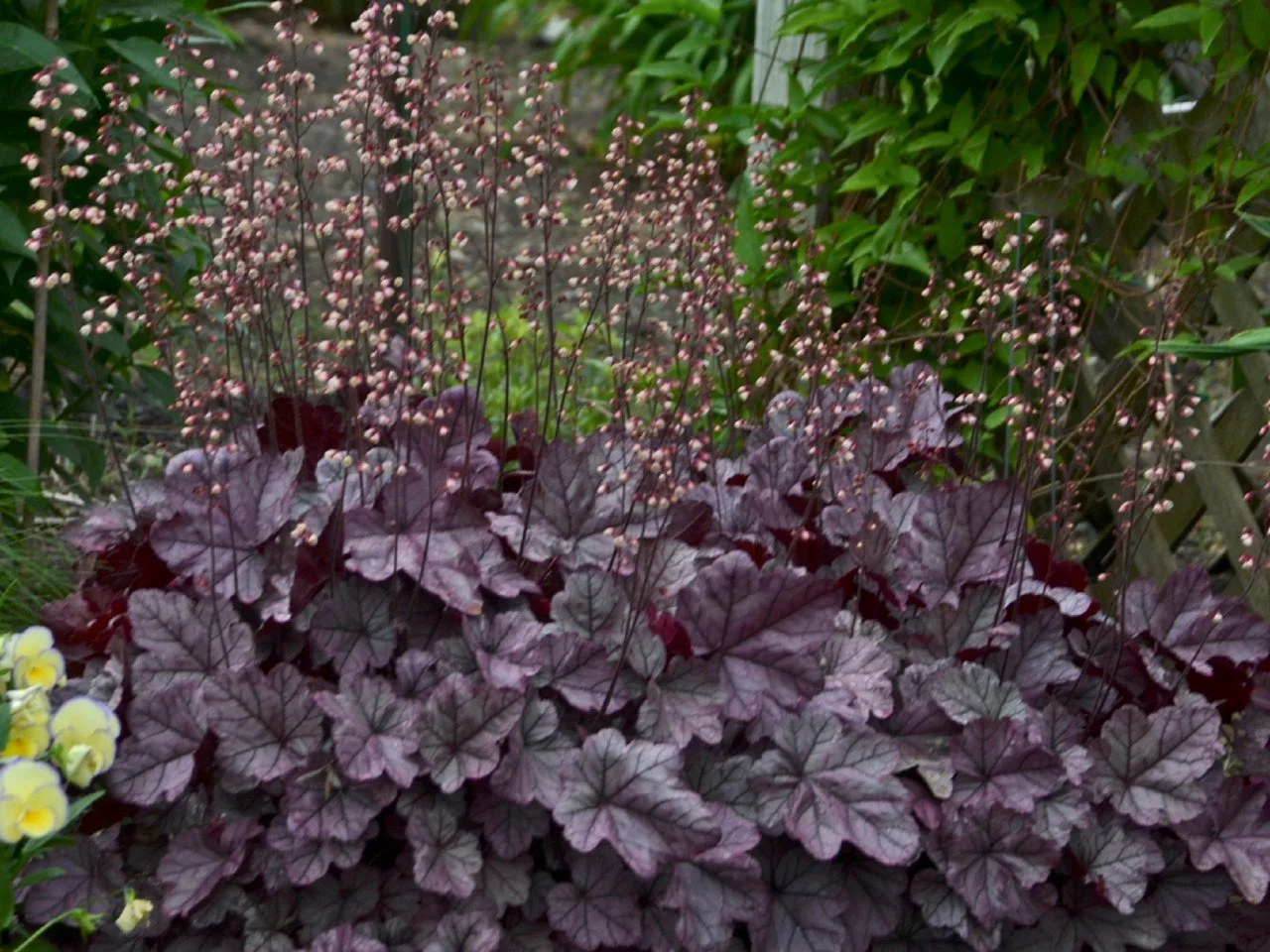
Heuchera, commonly known as coral bells, is not classified strictly as an acid-loving plant. While it can tolerate a variety of soil pH levels, it generally prefers slightly acidic to neutral soil conditions. The ideal pH range for Heuchera is typically between 6.0 and 7.0. This means it can thrive in soils that are not overtly acidic or alkaline, making it versatile for different gardening conditions.
Soil pH Preferences
Heuchera plants favor a soil pH that is somewhat acidic to neutral. Their adaptability allows them to grow in a variety of soil types, but they flourish best when the pH is neither too high (alkaline) nor too low (highly acidic).
- Optimal pH range is between 6.0 and 7.0.
- Can potentially tolerate pH levels between 5.5 and 8.0.
- Poor performance may occur in extreme pH conditions.
Soil Composition and Drainage
The composition of the soil plays a crucial role in the growth of Heuchera. These plants thrive in well-drained soils that can retain some moisture but do not become waterlogged.
- A mixture of loamy and sandy soil is ideal.
- Adding organic matter improves soil structure and pH.
- Good drainage prevents root rot and promotes healthy growth.
Fertilization and Soil Amendments
Proper fertilization and soil amendments can help maintain the preferred pH level for Heuchera. Using the right fertilizers can support the plant's nutrient needs while keeping the soil conditions suitable.
- Use balanced fertilizers that support a neutral pH.
- Incorporate organic fertilizers for a gentle nutrient release.
- Avoid excessive lime or sulfur, which can alter soil pH.
Environmental Factors Affecting Soil pH
Various environmental factors can influence the soil pH in which Heuchera is growing. Awareness of these factors helps maintain the ideal conditions for robust growth.
- Precipitation levels: Rain can naturally acidify soil.
- Soil type: Different soil textures can hold pH levels differently.
- Organic matter decomposition can alter pH over time.
Common Cultivation Practices
To grow Heuchera successfully, it is essential to follow certain cultivation practices that accommodate their preferences for soil pH and conditions.
- Test the soil pH before planting.
- Provide adequate spacing for air circulation.
- Monitor soil moisture levels regularly.
How to get Heuchera to bloom?
:strip_icc()/purple-palace-coralbells-heuchera-2af3c0c3-775561fbb7d440628cfd2aa9e14ab616.jpg)
Heuchera, commonly known as coral bells, are prized for their colorful foliage and delicate flowers. However, encouraging these plants to bloom successfully requires attention to several key factors. Here are important steps to help you get Heuchera to bloom.
Understanding Heuchera Plant Needs
Heuchera plants thrive in specific conditions that can significantly influence their blooming.
- Light Requirements: Heuchera usually prefers partial shade to full sun. However, too much sun can scorch their leaves. Aim for a balance.
- Soil Quality: Well-draining, rich soil provides the essential nutrients for growth. Amend your garden bed with organic matter.
- Watering: Regular watering is crucial, especially in dry spells. Ensure the soil remains moist but not soggy.
Fertilizing Heuchera
Proper fertilization can enhance your Heuchera’s blooming potential.
- Use a Balanced Fertilizer: Choose a slow-release fertilizer with equal parts nitrogen, phosphorus, and potassium (NPK 10-10-10).
- Timing: Apply fertilizer in early spring as the plant begins to emerge from dormancy.
- Frequency: Fertilize every 4-6 weeks during the growing season to support blooms.
Pruning and Deadheading
Regular maintenance through pruning can encourage Heuchera to produce more flowers.
See also:
- Remove Dead Leaves: Cut away any damaged or dead foliage to promote airflow and plant health.
- Deadheading: Once flowers fade, remove spent blooms to redirect energy towards new growth.
- Avoid Over-Pruning: Be cautious not to cut too much foliage, as leaves are crucial for photosynthesis.
Choosing the Right Varieties
Select Heuchera varieties known for their flowering potential.
- Variety Selection: Choose cultivars like 'Caramel' or 'Palace Purple' that are reputed for better blooms.
- Research Local Adaptation: Some varieties bloom more readily in specific climates or zones; consider local growers' recommendations.
- Cross-Pollination: Plant multiple varieties close together to enhance pollination and overall flowering.
Seasonal Considerations
Understanding seasonal changes can help in planning for blooms.
- Spring Care: Focus on watering and fertilizing as the plant awakens in spring. This sets the stage for blooming.
- Summer Maintenance: During the heat, ensure adequate moisture and shade, particularly in hot climates.
- Fall Preparation: As winter approaches, cut back dead foliage and add mulch to protect roots and maintain plant vigor for blooming next season.
Why are the leaves on my Heuchera turning brown?

The browning of leaves on your Heuchera can be attributed to several factors, which can often be related to environmental conditions, care practices, or specific pest and disease issues. Understanding these factors will help you identify and address the problem effectively.
Watering Issues
Improper watering is one of the most common reasons for browning leaves on Heuchera. Both overwatering and underwatering can lead to stress in the plant.
- Overwatering: This can result in root rot, which hampers the plant's ability to absorb nutrients.
- Underwatering: Inadequate water supply can cause the leaves to dry out and turn brown.
- Soil Drainage: Ensure that the soil has good drainage to prevent water from pooling around the roots.
Sunlight Exposure
Heuchera, also known as coral bells, thrives in partial shade. Excessive direct sunlight can cause the leaves to scorch and turn brown, especially during hot summer months.
- Partial Shade: Ideally, they should receive morning sun and afternoon shade to prevent heat stress.
- Leaf Scorch: Leaves exposed to too much direct sunlight may develop crispy edges and brown spots.
- Adjusting Position: Consider relocating your Heuchera to a more suitable spot if it's receiving too much sun.
Soil Quality and pH
The quality of soil and its pH can significantly affect the health of your Heuchera. A soil that is too acidic or alkaline may hinder nutrient availability.
- Nutrient Deficiency: Brown leaves can indicate a lack of essential nutrients such as nitrogen or iron.
- Soil pH: Heuchera prefers slightly acidic to neutral soil (pH 6.0 to 7.0).
- Testing Soil: Regularly check the soil pH and amend it as necessary to maintain optimal growing conditions.
Pests and Diseases
Various pests and diseases can also lead to the browning of Heuchera leaves. Identifying the issue is crucial for treatment.
- Aphids: These small pests suck sap from the leaves, often causing discoloration and deformities.
- Fungal Infections: Fungal issues such as powdery mildew can cause browning and deterioration of leaves.
- Regular Monitoring: Inspect your plants regularly for any signs of pests or fungal growth and treat them promptly.
Temperature and Environmental Stress
Extreme temperatures and environmental stress can also result in browning leaves on Heuchera.
- Heat Stress: Prolonged exposure to high temperatures can damage the leaves, causing them to brown.
- Frost Damage: Conversely, very low temperatures can also lead to leaf browning and loss of vitality.
- Environmental Adaptation: Adapt care practices according to seasonal temperature changes to help your Heuchera thrive.
Questions from Our Readers
What is the best fertilizer for heucheras?
The best fertilizer for heucheras is a balanced, slow-release fertilizer with equal ratios of nitrogen, phosphorus, and potassium, such as 10-10-10. This type of fertilizer provides the necessary nutrients slowly over time without overwhelming the plants, promoting healthy growth and vibrant foliage.
When should I fertilize my heucheras?
Heucheras should be fertilized in early spring as they begin to actively grow, and again in mid-summer if necessary. Applying fertilizer at the right times helps to ensure that the plants receive the appropriate nutrients during their peak growing periods for optimal health.
How often should I apply fertilizer to heucheras?
Generally, heucheras benefit from fertilization two to three times a year. It's important to follow the instructions on the fertilizer package, but many gardeners find that a spring application and a mid-summer boost work well to maintain strong and vibrant plants.
Can I use organic fertilizers on heucheras?
Yes, using organic fertilizers such as compost, well-rotted manure, or fish emulsion can be very effective for heucheras. These organic options improve the soil structure and provide a slow release of nutrients that contribute to the overall health and vitality of the plants.
See also:

If you want to read more articles like What is the Best Fertilizer for Heucheras? Top Tips for Thriving Plants, we recommend you check out our Fertilizer category.
Leave a Reply
Related Articles