Where Should I Put Marigolds in My Garden? Essential Tips for Optimal Placement

When it comes to creating a vibrant and thriving garden, marigolds are a fantastic choice. Not only do these cheerful flowers add a splash of color, but they also serve as natural pest repellents. However, the success of your marigold plants largely depends on their placement within your garden. Understanding the essential factors for optimal positioning can make all the difference in their growth and blooming potential. In this article, we’ll explore the best locations for marigolds, considering light exposure, companion planting, and soil conditions to ensure that these beautiful blossoms flourish in your garden.
Where Should I Put Marigolds in My Garden?
When planning your garden layout, it is crucial to consider the best locations for your marigolds to thrive. These vibrant flowers are not only aesthetically pleasing but also serve a practical purpose, as they can help deter pests and enhance soil health. Ideally, you should plant marigolds in full sun locations with well-drained soil. They can complement vegetable gardens, flower beds, or even be used as borders to define spaces within your garden. Be mindful of their height and spacing, as taller varieties may overshadow delicate plants, while shorter ones can fill gaps effectively. Additionally, grouping them together can create a stunning visual impact while maximizing their pest-repelling capabilities.
Sunlight Requirements
Marigolds flourish in full sun, which means they require at least six hours of sunlight daily. Choosing a spot in your garden that receives this amount of light will help your marigolds to grow strong and vibrant. If planted in partially shaded areas, marigolds may struggle and produce fewer flowers, which diminishes their overall effect in your landscape.
Soil Conditions
To promote healthy growth, marigolds prefer well-drained soil enriched with organic matter. Performing a soil test can help you determine the soil pH and nutrient levels, ensuring that it meets the optimal conditions for marigolds, which typically thrive in slightly acidic to neutral soils. Mixing compost with the existing soil can enhance drainage and provide the necessary nutrients for the plants.
Spacing and Arrangement
When planting marigolds, consider their variety to determine the appropriate spacing. Tall varieties, which can reach up to 3 feet, should be planted at least 12 inches apart to prevent overcrowding. In contrast, shorter varieties can be spaced closer together, around 6 to 8 inches apart. This arrangement not only helps with air circulation but also allows each plant to receive adequate nutrients and sunlight.
Companion Planting
Marigolds are excellent companions for many garden plants due to their ability to repel certain pests. They can be strategically placed near vegetables like tomatoes, peppers, and squash to help deter insects such as aphids and nematodes. When paired with these plants, marigolds contribute to a healthier garden ecosystem and can improve crop yields and quality.
Aesthetic Arrangement
In addition to their functional benefits, marigolds can enhance the visual appeal of your garden. Their rich colors—ranging from deep orange to bright yellow—can be used to create striking contrast against green foliage or in combination with other flowers. Experimenting with different planting patterns, such as clusters or borders, can add depth and interest to your garden design.
| Aspect | Recommendation |
|---|---|
| Sunlight | Full sun (6+ hours) |
| Soil Type | Well-drained, organic-rich soil |
| Spacing | 6-12 inches apart depending on variety |
| Companion Plants | Tomatoes, peppers, squash |
| Aesthetic Use | Clusters or borders for visual impact |
Where is the best place to plant marigolds in a garden?
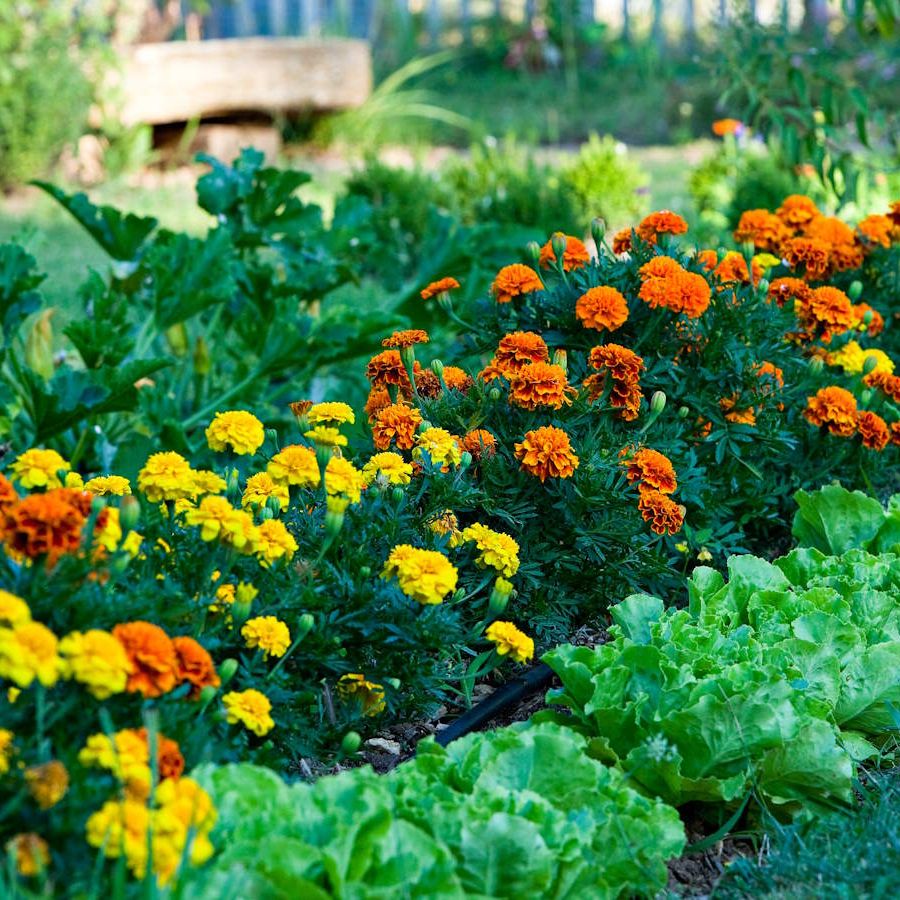

To determine the best place to plant marigolds in a garden, several factors should be considered to ensure optimal growth and blooming. Marigolds thrive in full sun and well-drained soil, making the selection of the right location crucial for their successful cultivation.
Optimal Sunlight Exposure
Marigolds require full sun for at least six hours a day. Sunlight exposure is critical for their growth and flowering. Choosing a location with adequate sunlight ensures vibrant blooms and healthy plants.
- Identify south-facing areas in your garden for maximum sun exposure.
- Avoid shaded spots created by trees or structures.
- Monitor sunlight patterns throughout the day to find the best location.
Soil Quality and Drainage
The type of soil plays a significant role in how well marigolds grow. They prefer sandy or loamy soils that are well-drained, as they are prone to root rot if the soil becomes waterlogged.
- Test the soil drainage; if it retains water, consider raised beds or improving drainage.
- Add organic matter like compost to enhance soil quality.
- Avoid planting marigolds in heavy clay soils without adequate amendments.
Spacing and Planting Arrangement
Proper spacing between marigold plants is essential for air circulation and growth. Crowded plants can lead to diseases, while too much space can waste garden space.
- Space marigolds about 8-12 inches apart for optimal growth.
- Group them in clusters for a visually striking effect.
- Consider companion planting with vegetables to maximize garden productivity.
Microclimates and Protection
Understanding microclimates in your garden can help determine the ideal planting location for marigolds. Areas that retain warmth or have protection from wind can enhance growth.
- Look for sheltered areas that provide warmth, such as near walls or fences.
- Avoid planting in spots where frost could pose a risk.
- Consider companion plants that can provide shade or protection as needed.
Watering and Maintenance Needs
Where marigolds are planted affects their watering and maintenance. They require moderate watering to thrive but dislike soggy conditions.
- Establish a routine for watering, ideally early in the morning.
- Utilize mulch around the base to retain moisture while preventing weeds.
- Regularly remove dead leaves and spent blooms to promote healthy growth.
How do you arrange marigolds in a garden?
:max_bytes(150000):strip_icc()/marigolds-in-garden-getty-0722-2000-699bc52085e5498d917cc51e399684aa.jpg)
To arrange marigolds in a garden effectively, one should take into account their growth habits, colors, and companion plants. Following a structured approach can enhance their visual appeal and promote their growth. Here are some key steps to consider:
See also:
Choosing the Right Location
Selecting the right location for your marigolds is crucial. These flowers thrive in full sunlight and well-drained soil. Ideally, they should receive between 6 to 8 hours of direct sunlight each day to promote vibrant blooms.
- Observe the sunlight patterns in your garden.
- Ensure the soil is well-drained to prevent root rot.
- Avoid shaded areas, as marigolds require full sun to flourish.
Designing the Layout
Creating a thoughtful design layout can help highlight the bright colors of marigolds. Consider grouping them in clusters or mixing them with other plants for a vibrant display.
- Arrange marigolds in groups of three or more for a more natural look.
- Use contrasting colors, such as orange and yellow, to create visual interest.
- Position taller marigold varieties at the back and shorter ones in the front.
Companion Planting
Incorporating companion planting can be beneficial. Marigolds are known for their pest-repellent qualities, making them ideal neighbors for many garden plants.
- Plant marigolds near vegetables like tomatoes and peppers to deter pests.
- Avoid planting them near plants like beans, which may compete for nutrients.
- Mix with herbs such as basil to create a harmonious garden ecosystem.
Seasonal Care
Understanding the seasonal care needed for marigolds ensures their growth and longevity. Regular maintenance will keep them healthy and blooming throughout the growing season.
- Water marigolds deeply, but infrequently, to promote strong root systems.
- Deadhead spent blooms to encourage new growth and prolonged flowering.
- Fertilize with a balanced fertilizer every few weeks during the growing season.
Using Marigolds for Borders and Edging
Marigolds make excellent borders and edging plants due to their dense foliage and bright flowers. Strategically placing them can define spaces in your garden.
- Plant marigolds along pathways to create a vibrant border.
- Use them to outline garden beds or vegetable plots.
- Consider alternating marigold colors for a striking visual effect.
Questions from Our Readers
Where should I place marigolds in my garden?
To ensure optimal growth, you should place marigolds in a location that receives full sunlight for at least six hours a day. They thrive in well-draining soil and can be positioned along the edges of garden beds or borders where they can benefit from good air circulation while also adding a pop of color.
Can marigolds be planted with other plants?
Yes, marigolds are known to be excellent companion plants. They can be planted alongside vegetables and herbs, as they can help deter pests and attract beneficial insects. Just make sure to consider the space requirements of both marigolds and neighboring plants to avoid overcrowding.
What is the best time to plant marigolds?
The best time to plant marigolds is after the last frost in spring, as they prefer warm soil. Aiming for mid-spring is ideal, allowing them to establish themselves and bloom throughout the summer months, providing vibrant colors to your garden.
See also:
How far apart should I plant marigolds?
When planting marigolds, it's recommended to space them about 8 to 12 inches apart. This distance allows for adequate airflow and prevents disease, while also providing enough room for their growth and the spread of their foliage.

If you want to read more articles like Where Should I Put Marigolds in My Garden? Essential Tips for Optimal Placement, we recommend you check out our Flowers category.
Leave a Reply
Related Articles