What's the Best Fertilizer for a Garden? Top Tips and Recommendations for Thriving Plants

Choosing the right fertilizer is crucial for cultivating a thriving garden. With numerous options available, it can be challenging to determine which fertilizer will best support your plants' growth. This article delves into the essentials of garden fertilization, offering expert tips and recommendations tailored to various plant types and soil conditions. Whether you’re an experienced gardener or a novice, understanding the nutrient requirements of your plants and how to effectively apply fertilizers will empower you to create a lush, vibrant garden. Discover the key factors to consider and the best products to foster healthy growth and abundant blooms.
Choosing the Best Fertilizer for Your Garden
The best fertilizer for a garden largely depends on the specific plants you're growing, the soil quality, and your gardening goals. Generally, a balanced fertilizer with equal parts of nitrogen, phosphorus, and potassium (N-P-K) is ideal for most gardens, as it promotes healthy growth and development. Organic options such as compost and manure enrich the soil naturally, improving its structure and nutrient content over time. Chemical fertilizers, while providing immediate nutrients, can cause soil degradation if used excessively. Therefore, testing your soil regularly and adjusting your fertilization approach accordingly will yield the best results for a vibrant and thriving garden.
Types of Fertilizers
There are two main types of fertilizers: organic and synthetic. Organic fertilizers are derived from natural sources like plants or animals, providing a slow release of nutrients and promoting soil health. In contrast, synthetic fertilizers are chemically manufactured and typically offer a quick nutrient boost, which can be beneficial in certain circumstances. Each type has its pros and cons, and the choice often hinges on personal gardening philosophy, the nature of the plants, and long-term soil health goals.
N-P-K Ratio Explained
The N-P-K ratio on fertilizer packaging indicates the proportions of nitrogen (N), phosphorus (P), and potassium (K). Nitrogen promotes leaf and stem growth, phosphorus aids in root development and flowering, while potassium strengthens plant resilience. For example, a 10-10-10 fertilizer has equal amounts of all three, making it a balanced choice for general use. Understanding these ratios helps gardeners choose the right fertilizer to meet their plants’ specific needs during different growth stages.
Timing of Fertilization
Applying fertilizer at the right time is crucial for maximizing plant health. Generally, the best time to fertilize is during the active growing season, which varies for different plants but usually falls in spring and early summer. Slow-release fertilizers can be applied at the beginning of this period, while quick-release options are best utilized when plants show signs of nutrient deficiency. Over-fertilizing can lead to nutrient runoff and environmental damage, making timing and moderation key components of effective fertilization.
Impact of Soil Testing
Conducting a soil test is fundamental in determining the nutrient content and pH level of your garden's soil. This information guides the selection of fertilizers and amendments necessary to address any deficiencies. A well-balanced soil contributes to optimal plant growth, as it reacts better to fertilizers and sustains gardens in the long run. Many extension services offer soil testing kits, making it accessible for gardeners seeking to enhance their soil quality effectively.
Environmental Considerations
Utilizing fertilizers sustainably is essential for protecting the environment. Overuse of chemical fertilizers can lead to water pollution through runoff, which harms aquatic ecosystems. Additionally, opting for organic fertilizers not only improves soil quality but also promotes biodiversity in the garden. Employing practices like composting and crop rotation can lessen the reliance on synthetic fertilizers, fostering a more sustainable gardening approach that benefits both plants and the surrounding ecosystem.
| Fertilizer Type | Advantages | Disadvantages |
|---|---|---|
| Organic | Improves soil health, slow nutrient release | May be less concentrated, slow to act |
| Synthetic | Quick nutrient delivery, precise ratios | Can degrade soil over time, risk of runoff |
What's the best fertilizer for a vegetable garden?
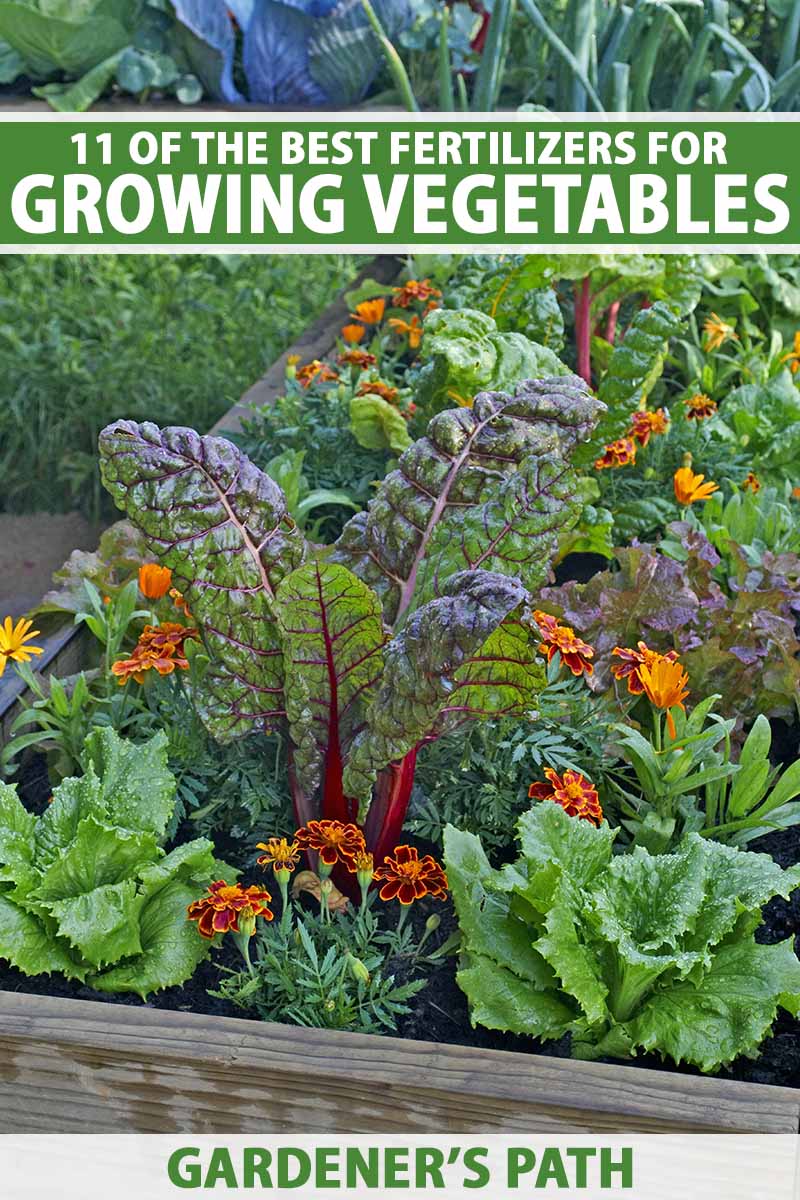
The best fertilizer for a vegetable garden largely depends on the specific needs of the plants you are growing, the soil quality, and the overall garden ecosystem. However, a well-rounded organic fertilizer can be an excellent choice as it provides a balanced supply of essential nutrients while improving soil health.
Types of Fertilizers
When selecting fertilizers for a vegetable garden, it's important to consider the different types available. They can be categorized mainly into three types:
See also:
- Organic Fertilizers: These include natural sources such as compost, manure, and bone meal. They improve soil structure and microbial activity.
- Chemical Fertilizers: Synthetic options that provide immediate nutrients like nitrogen, phosphorus, and potassium are quick-acting but may lead to soil degradation when overused.
- Slow-Release Fertilizers: These release nutrients gradually over time, which can help maintain a consistent supply of nutrients for plants.
Essential Nutrients
Vegetables require specific nutrients for optimal growth. The main nutrients needed are:
- Nitrogen (N): Vital for leaf growth and overall plant health, nitrogen helps in developing lush, green foliage.
- Phosphorus (P): Important for root development and flowering, phosphorus aids in energy transfer within plants.
- Potassium (K): Essential for overall plant function and stress resistance, potassium improves fruit quality and disease resistance.
How to Test Soil Nutrients
Before applying any fertilizer, it's crucial to assess the nutrient content of the soil. Testing can be done through:
- Soil Testing Kits: These kits can be bought at garden centers and give a general idea of nutrient levels.
- Professional Labs: Sending soil samples to a lab provides detailed insights into nutrient concentrations and pH levels.
- Visual Inspection: Observing plant health and growth patterns can also indicate nutrient deficiencies or excesses.
Application Methods
Applying fertilizer correctly is vital for maximizing its benefits. Some effective methods include:
- Broadcasting: Spreading fertilizers evenly over the soil surface is common but requires incorporation into the soil.
- Side-Dressing: Applying fertilizer alongside growing plants can help provide nutrients without disturbing established roots.
- Watering-In: Diluting fertilizers in water and applying them can ensure nutrients reach the root zone without causing burn.
Organic Amendments
In addition to traditional fertilizers, organic amendments can enhance soil fertility. Some beneficial options include:
- Compost: Rich in nutrients and microorganisms, compost improves soil structure and fertility.
- Green Manure: Cover crops that are tilled into the soil add organic matter and nutrients.
- Bone Meal: A good source of phosphorus, it promotes strong root development and flowering in vegetables.
What is the best fertiliser for a garden?
:strip_icc()/Fertilizing-plants-0440837aeee64749832645ba62572f95.jpg)
The best fertiliser for a garden depends on various factors, including the type of plants being grown, the soil quality, and whether the gardener prefers organic or synthetic options. Generally, a well-rounded fertiliser that provides a balance of essential nutrients—namely nitrogen, phosphorus, and potassium (N-P-K)—is recommended. Organic fertilisers, such as compost or well-rotted manure, are often preferred for their ability to improve soil health over time.
Understanding N-P-K Ratios
The N-P-K ratio is crucial in selecting the right fertiliser. It tells you the percentage of nitrogen, phosphorus, and potassium in a fertiliser.
- Nitrogen: Essential for leaf growth and the development of luscious foliage.
- Phosphorus: Important for root development and flower/fruit production.
- Potassium: Helps in overall plant function, improving disease resistance and water uptake.
Organic vs. Synthetic Fertilisers
The choice between organic and synthetic fertilisers is vital for garden health. Organic fertilisers enhance soil microbiomes and improve long-term fertility.
- Organic Fertilisers: Examples include compost, bone meal, and fish emulsion.
- Synthetic Fertilisers: Quick-release options might give immediate results but often leach from the soil.
- Bio-Fertilizers: These include beneficial microbes, enhancing nutrient availability to plants.
Soil Testing and Needs
Understanding the specific needs of your soil through testing can drastically affect your choice of fertiliser. Soil tests provide insights into nutrient deficiencies and pH levels.
- pH Level: Affects nutrient availability; many plants prefer pH levels between 6.0 and 7.0.
- Nutrient Deficiencies: A soil test will help identify whether you need more nitrogen, phosphorus, or potassium.
- Amending Soil: Based on test results, you may need to add organic matter to improve soil structure and nutrient retention.
Application Methods
How you apply fertiliser can impact its effectiveness greatly. Timing and method should be aligned with plant needs and growth cycles.
See also:
- Broadcasting: Spreading fertiliser evenly across the soil surface, best for lawns and large areas.
- Top-Dressing: Adding fertiliser on top of the soil; effective for established gardens.
- Liquid Feeding: Quickly delivers nutrients directly to plants; ideal for quick results.
Seasonal Considerations for Fertiliser Use
The timing of fertiliser application is as important as the type. Different seasons present unique opportunities for nutrient input.
- Spring Fertilisation: Ideal for promoting new growth as plants wake up from dormancy.
- Summer Feeding: Can help sustain growth during the peak growing season.
- Fall Fertilisation: Aids in root development and prepares plants for winter.
What are the top 3 fertilizers?

The top three fertilizers widely recognized for their effectiveness are Nitrogen-based fertilizers, Phosphorus-based fertilizers, and Potassium-based fertilizers. Each of these fertilizers plays a crucial role in plant growth and health, and they are commonly referred to as N-P-K fertilizers based on their primary nutrient content.
1. Nitrogen-based Fertilizers
Nitrogen is an essential nutrient for plants, primarily responsible for promoting leafy growth and overall vigor. Nitrogen-based fertilizers aid in the synthesis of proteins, enzymes, and chlorophyll, which are vital for plant metabolism. Common sources of nitrogen fertilizers include urea, ammonium nitrate, and ammonium sulfate.
- Urea: A popular nitrogen source, urea contains 46% nitrogen and is often used in agriculture.
- Ammonium Nitrate: This formulation provides both ammonium and nitrate, promoting quick absorption by plants.
- Calcium Nitrate: It supplies nitrogen along with calcium, aiding in cell wall strength and overall plant health.
2. Phosphorus-based Fertilizers
Phosphorus is crucial for root development, flowering, and fruiting in plants. Phosphorus-based fertilizers enhance energy transfer and photosynthesis, significantly improving the effectiveness of other nutrients. Common forms include monoammonium phosphate (MAP) and diammonium phosphate (DAP).
- Monoammonium Phosphate (MAP): Contains both nitrogen and phosphorus, perfect for early plant growth.
- Diammonium Phosphate (DAP): A highly concentrated source of phosphorus that aids in strong root systems.
- Bone Meal: A natural source of phosphorus that promotes healthy flowering and fruiting.
3. Potassium-based Fertilizers
Potassium is vital for water regulation, enzyme activation, and photosynthesis. Potassium-based fertilizers contribute to the overall sturdiness of plants and improve resistance to diseases. Common potassium sources include potassium chloride and potassium sulfate.
- Potassium Chloride: Often referred to as muriate of potash, it's one of the most commonly used potassium fertilizers.
- Potassium Sulfate: Supplies both potassium and sulfur, enhancing overall plant growth.
- Wood Ash: A natural, organic source of potassium, providing additional trace nutrients.
Questions from Our Readers
What type of fertilizer is best for vegetable gardens?
The best fertilizer for vegetable gardens is typically a balanced formula with equal parts of nitrogen, phosphorus, and potassium (N-P-K ratio of 10-10-10). This ensures healthy leaf growth, root development, and fruit production. Additionally, organic options like compost can enhance soil health and provide essential nutrients.
Should I use organic or synthetic fertilizers?
Choosing between organic or synthetic fertilizers depends on your gardening philosophy. Organic fertilizers improve soil health over time and are safer for the environment, while synthetic fertilizers provide quicker nutrient availability. Consider your garden’s needs and your commitment to sustainable practices when making this choice.
How often should I fertilize my garden?
The frequency of fertilization depends on the type of plants and the fertilizer used. Generally, it's recommended to fertilize every 4 to 6 weeks during the growing season for most vegetables. However, always follow the specific instructions on the fertilizer package to avoid over-fertilization, which can harm your plants.
Can I make my own fertilizer at home?
Yes, you can easily make your own homemade fertilizer using kitchen scraps and yard waste. Common ingredients include coffee grounds, egg shells, and banana peels, which add important nutrients like nitrogen, calcium, and potassium. This not only enriches your soil but also promotes sustainable gardening practices.
See also:

If you want to read more articles like What's the Best Fertilizer for a Garden? Top Tips and Recommendations for Thriving Plants, we recommend you check out our Fertilizer category.
Leave a Reply
Related Articles