Should I Spray My Garden with Fungicide? A Comprehensive Guide to Protecting Your Plants

Protecting your garden from fungal infections is crucial for maintaining healthy plants and ensuring a bountiful harvest. Many gardeners find themselves grappling with the question: Should I spray my garden with fungicide? This comprehensive guide aims to provide clarity on the use of fungicides, exploring their benefits, potential drawbacks, and best practices. Whether you are dealing with specific fungal threats or simply looking to bolster your garden's defenses, understanding the role of fungicides in plant care is essential. Join us as we delve into the factors you should consider before reaching for that spray bottle.
Should I Spray My Garden with Fungicide?
Deciding whether or not to spray your garden with fungicide can depend on various factors, including the type of plants you're growing, the current pest and disease situation, and the overall health of your garden. It's crucial to monitor for signs of fungal infections such as powdery mildew, black spot, or root rot, as early detection is key to effective management. Using a fungicide can be a proactive approach to prevent these issues, but it’s important to choose the right type of product, apply it at the correct time, and follow the application instructions carefully to ensure minimal impact on beneficial organisms and the environment.
Understanding Fungal Diseases
Fungal diseases can pose a significant threat to the health of your garden, affecting both ornamental and edible plants. These pathogens thrive in warm, moist conditions and can spread rapidly if not managed properly. Common symptoms include leaf spots, wilting, and unusual growths that can indicate an underlying fungal problem. By familiarizing yourself with the different types of fungal diseases, you will be better equipped to assess your garden and determine whether a fungicide application is warranted.
Signs That Indicate Fungicide Use
Certain signs in your garden can indicate a potential need for fungicide use. Look for discoloration on leaves, stunted growth, and a fuzzy or powdery appearance on plant surfaces, all of which may suggest a fungal infection. Additionally, if you notice mildew on plants or the appearance of mushrooms, you should consider taking action to protect your plants. Identifying these signs quickly can be important to prevent further spread of the disease.
Types of Fungicides Available
There are several types of fungicides available on the market, categorized mainly into chemical and organic options. Chemical fungicides are often more effective at controlling severe outbreaks but can have adverse effects on the environment if misused. On the other hand, organic fungicides typically use natural ingredients and are better for home gardeners looking to minimize chemicals in their gardens. Understanding the differences among various fungicides and their specific application methods can help you make an informed choice.
Proper Application Techniques
When applying fungicides, it is essential to follow the manufacturer's instructions carefully to achieve the best results. This includes using the right dosage, applying at the correct time of the day, usually during cooler hours to avoid evaporation, and ensuring even coverage on affected plants. Additionally, wearing protective gear such as gloves and masks can help safeguard your health during application. Proper technique can significantly enhance the effectiveness of the fungicide while ensuring the safety of both the gardener and the garden's ecosystem.
Environmental Considerations
The impact of fungicides on the environment should always be taken into account when considering their use in your garden. Many beneficial organisms, such as bees and earthworms, can be adversely affected by fungicides, leading to unintentional harm to the ecosystem. Additionally, over-reliance on chemical treatments can lead to resistance in fungal populations, making future outbreaks harder to control. Exploring more sustainable gardening practices, such as crop rotation and companion planting, can benefit both your plants and the surrounding environment.
| Fungal Disease | Symptoms | Recommended Treatment |
|---|---|---|
| Powdery Mildew | White powdery coating on leaves | Use a systemic fungicide or organic solution like neem oil |
| Black Spot | Dark spots on leaves, yellowing | Apply a fungicide specifically for leaf spot diseases |
| Root Rot | Wilting, stunted growth | Improve drainage and apply a soil fungicide |
| Leaf Blight | Browning leaves, dieback | Remove infected leaves and use a targeted fungicide |
| Rust | Orange or rust-colored spots | Use fungicides labeled for rust management |
When to apply fungicide to a garden?
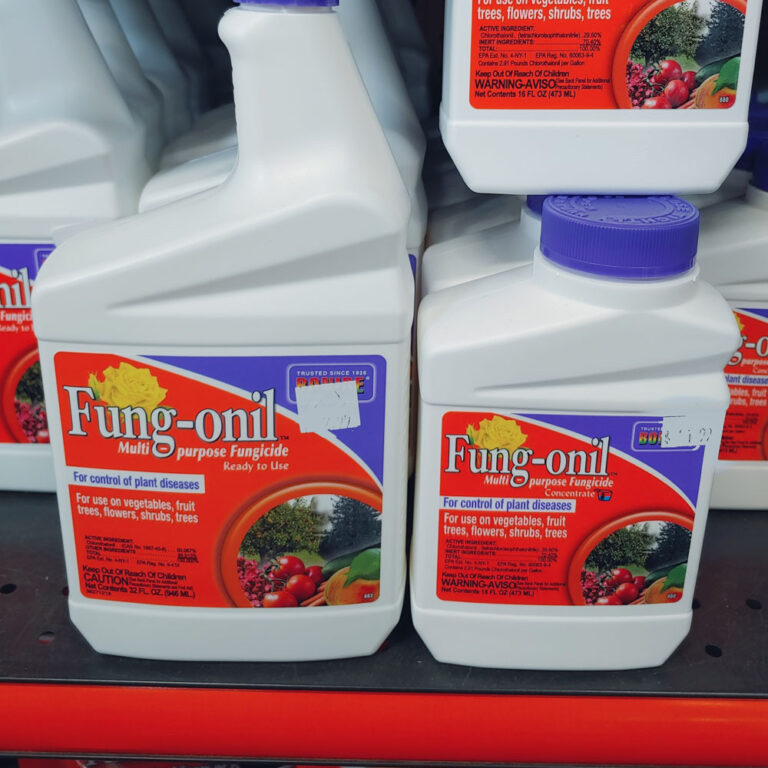
Applying fungicides to a garden is essential for managing fungal diseases that can harm plants and reduce their productivity. Proper timing is crucial for maximizing the effectiveness of fungicides, allowing gardeners to protect their plants from potential outbreaks. Here are several key considerations for when to apply fungicide:
Understanding Fungal Diseases
Fungal diseases can appear at any time during the growing season, depending on various factors such as moisture levels and temperature. Recognizing the symptoms of these diseases early can help in timely application of fungicides. Common fungal diseases include:
- Powdery mildew: A white powdery substance on leaves.
- Leaf spot: Dark lesions on leaves.
- Rust: Reddish or orange spots on leaves or stems.
Environmental Conditions
Fungi thrive in specific environmental conditions, particularly high humidity and warmth. Monitoring your garden's microclimate is essential to determine the right time for fungicide application. Key environmental conditions that may indicate the need for fungicide include:
- Consistently high humidity: This increases the risk of fungal infections.
- Warm temperatures: Fungi prefer temperatures above 60°F (15°C).
- Frequent rain or irrigation: Excess moisture can promote fungal growth.
Preventive Measures
Preventing fungal diseases is often more effective than treating them after they occur. Applying fungicides preventively can help shield plants during vulnerable stages. Consider the following preventive measures:
- Pre-flowering application: Apply fungicides when plants are in bud stage.
- Before high-risk periods: Treat the garden prior to seasonal changes that may favor fungal growth.
- Integrated pest management: Combine fungicides with other cultural practices to minimize disease risk.
Timing of Application
The timing of fungicide application is critical. It is often recommended to apply at specific intervals or during certain growth stages of the plants. Consider these timing strategies:
See also:
- At the first sign of disease: Early detection can facilitate immediate application.
- During high-risk periods: Apply when environmental conditions are conducive to fungal infections.
- After rain events: Reapply fungicides after heavy rain to maintain protection.
Post-Application Care
After applying fungicides, it is essential to follow proper care guidelines to ensure effectiveness and protect your plants. Proper post-application care can enhance the benefits of fungicides. Focus on the following:
- Avoid overhead watering: Minimize moisture on foliage post-application.
- Monitor UV exposure: Some fungicides require time to adhere before rain or UV exposure.
- Check for adverse reactions: Watch for any signs of toxicity or adverse effects on plants.
What is the disadvantage of fungicides?

Fungicides are widely used in agriculture and horticulture to control fungal diseases that can devastate crops and plants. However, they also come with several disadvantages that can impact both the environment and human health.
One significant disadvantage of fungicides is their potential to contribute to fungal resistance. When fungicides are used consistently over time, certain fungal strains may develop resistance, making these chemicals less effective. This can lead to a cycle of increased application rates or the need for more potent fungicides, which can have additional negative impacts.
Fungal Resistance Development
The repeated use of fungicides can lead to the emergence of resistant fungal populations. This is a significant problem for agriculture, as it can render standard treatments ineffective.
- Increased Application Rates: Farmers may have to use higher doses to achieve the same level of control.
- More Potent Chemicals: There is a risk of having to switch to stronger fungicides, which may have worse side effects.
- Economic Burden: The cost of managing resistant strains can lead to increased financial pressure on growers.
Environmental Impact
Fungicides can have detrimental effects on the environment, especially if they contaminate soil and water systems. Their residues can persist and accumulate, affecting non-target organisms.
- Soil Health: Fungicides can disrupt the natural microbial balance in the soil, harming beneficial organisms.
- Aquatic Ecosystems: Runoff can lead to contamination of water bodies, impacting fish and other aquatic life.
- Biodiversity Loss: The use of fungicides can lead to a decline in biodiversity, affecting pollinators and other essential species.
Impact on Non-Target Organisms
While targeting specific fungi, fungicides often affect non-target organisms, including beneficial fungi and insects. This can create more ecological imbalances.
- Beneficial Fungi: Many fungicides do not differentiate between harmful fungi and those that contribute to plant health.
- Pollinators: Chemicals may harm pollinators like bees, which are crucial for crop production.
- Predatory Insects: Natural pest controllers may be affected, leading to pest outbreaks.
Human Health Risks
The use of fungicides poses potential risks to human health, particularly for farmers and agricultural workers who may be directly exposed during application.
- Respiratory Issues: Inhalation of fungicide particles can cause breathing problems and long-term respiratory conditions.
- Dermal Exposure: Skin contact can lead to allergic reactions or skin irritations.
- Chronic Effects: Prolonged exposure has been linked to more serious health issues, including certain types of cancer.
Regulatory and Legal Challenges
The use of fungicides can lead to a variety of regulatory challenges that growers must navigate, as restrictions and guidelines change over time.
- Compliance Costs: Farmers may incur additional expenses to comply with local and national regulations.
- Market Limitations: Some markets may restrict the use of certain fungicides, affecting product acceptance.
- Liability Issues: Farmers may face legal action if fungicides are improperly used or if they cause environmental damage.
Should I remove fungus from my garden?

Removing fungus from your garden can be a necessary step, depending on the type and extent of the fungal growth. Fungi can be beneficial or harmful, and understanding their role in your garden is critical. Here are some factors to consider:
Understanding the Type of Fungus
Identifying the type of fungus in your garden is essential before deciding to remove it. Some fungi are beneficial, contributing to the health of soil and plants, while others can cause disease and damage.
- Beneficial fungi like mycorrhizae help plants absorb nutrients.
- Pathogenic fungi can lead to diseases such as powdery mildew or root rot.
- Decomposers break down organic matter, enriching the soil.
Signs of Harmful Fungal Infection
Recognizing the symptoms of harmful fungal infections can guide your actions in the garden. These signs may indicate that the fungus needs to be removed.
See also:
- Wilting plants despite adequate watering.
- Discoloration of leaves, such as yellowing or browning.
- Unusual growths, including mold or puffball formations.
Impact on Garden Health
Fungi can significantly influence the overall health of your garden. Understanding their role can help you decide whether removal is necessary.
- Fungi can compete for resources, affecting plant growth.
- Some fungi can cause nutrient depletion in the soil.
- Others can promote biodiversity, helping beneficial organisms thrive.
Methods of Removal
If you determine that the fungus should be removed, several methods can be employed to safely address the issue without harming your garden.
- Manual removal by pulling out infected plants or fungi.
- Using fungicides, ensuring they are safe for the environment.
- Improving air circulation and sunlight exposure to reduce moisture.
Preventive Measures
Taking steps to prevent fungal growth is often more effective than dealing with it after it appears. Implementing good garden practices can help you maintain a healthy environment.
- Rotate crops to break the fungal life cycle.
- Ensure proper drainage to prevent excess moisture.
- Incorporate organic matter to enhance soil health.
Can too much fungicide hurt plants?

Excessive use of fungicides can indeed have harmful effects on plants. While these chemicals are designed to combat fungal infections that can devastate crops and ornamental plants, overapplication can lead to several negative consequences. The most significant risks include plant toxicity, the development of resistance in fungal populations, and negative impacts on beneficial soil microorganisms.
Understanding Fungicide Mechanisms
Fungicides work by targeting specific biological processes in fungi, preventing them from growing or reproducing. However, the same mechanisms that inhibit fungal growth can also cause harm to plants. When used excessively, fungicides can disrupt normal physiological functions. This can lead to:
- Tissue Damage: High concentrations of fungicides may burn plant tissues, leading to leaf curl, discoloration, or even death.
- Metabolic Disruption: Overuse can impair the plant's ability to photosynthesize effectively, leading to stunted growth.
- Water Stress: Some fungicides can affect the plant's water retention abilities, causing wilting or increased susceptibility to drought.
Development of Resistance
Just as bacteria can become resistant to antibiotics, fungi can develop resistance to fungicides. When fungicides are used excessively or improperly, it creates a selection pressure that encourages resistant strains to thrive. Key points include:
- Reduced Efficacy: Resistant fungal strains make treatments less effective over time, leading to the need for even more potent and potentially harmful chemicals.
- Spread of Resistance: Resistant fungi can spread quickly, affecting not only the treated plants but also neighboring crops and ecosystems.
- Economic Impact: Increased resistance often results in higher costs for farmers, who may have to resort to more expensive or harmful alternatives.
Effects on Beneficial Microorganisms
Soil health is crucial for plant growth, and beneficial microorganisms play an essential role in nutrient availability and disease resistance. Excessive fungicide use can disrupt these beneficial populations:
- Soil Microbial Diversity: High levels of fungicides can kill off not only harmful fungi but also beneficial ones, reducing soil biodiversity.
- Nutrient Cycling: The death of beneficial microorganisms can disrupt nutrient cycling, leading to deficiencies that affect plant health.
- Pest Vulnerability: A weakened soil ecosystem can lead to increased susceptibility to pests and diseases, compounding the problem.
Potential Environmental Impact
The environmental ramifications of excessive fungicide application can be profound. Contamination of soil and water systems can occur, leading to:
- Water Quality Issues: Runoff from treated areas can contaminate local water sources, affecting wildlife and drinking water supplies.
- Harm to Non-Target Species: Beneficial insects and microbial life can also be harmed by fungicide residues, disrupting ecological balance.
- Long-Term Soil Health: Continued application can reduce the overall health and fertility of the soil, making it less productive over time.
Guidelines for Safe Fungicide Use
To mitigate the risks associated with fungicide use, following best practices is essential:
- Follow Application Rates: Always adhere to the recommended dosage and frequency on the product label to minimize harm.
- Rotate Fungicides: Use different classes of fungicides to reduce the risk of resistance development.
- Monitor Plant Health: Regularly check plants for signs of infection and avoid preventive treatments unless necessary.
Questions from Our Readers
Should I spray my garden with fungicide if I see mold?
Applying a fungicide can be beneficial if you notice mold or signs of fungal infections in your garden. However, it's essential to assess the severity of the issue and consider other organic options before resorting to chemicals. Proper identification of the problem will help determine the most effective course of action.
How often should I spray fungicide in my garden?
The frequency of spraying fungicide depends on several factors, including the type of plants you have and the environmental conditions. Generally, it's advisable to follow the instructions on the product label and apply it every 7 to 14 days for effective protection, but always monitor your plants for any changes.
What types of plants benefit from fungicide treatments?
Many plants, especially those that are prone to fungal diseases, can benefit from fungicide treatments. This includes common garden plants like vegetables, ornamentals, and flowers. It's important to choose a fungicide that is safe and effective for the specific type of plant you're treating to ensure optimal health and growth.
See also:
Are there any risks associated with using fungicides in my garden?
Yes, using fungicides can pose certain risks, including potential harm to beneficial insects and the environment if not applied correctly. It's crucial to follow safety guidelines, use protective gear, and apply the product in a way that minimizes exposure to non-target organisms to ensure a safe gardening experience.

If you want to read more articles like Should I Spray My Garden with Fungicide? A Comprehensive Guide to Protecting Your Plants, we recommend you check out our Garden category.
Leave a Reply
Related Articles