How to Get Rid of Fungal Disease in the Garden? Effective Tips and Solutions

Fungal diseases can wreak havoc on your garden, causing plants to wilt, discolor, and even die. Understanding how to effectively manage and eliminate these pathogens is crucial for any gardener looking to maintain a thriving ecosystem. In this article, we’ll explore practical tips and proven solutions to combat fungal infections, ensuring your garden remains healthy and vibrant. From preventative measures to treatment options, you’ll learn how to identify symptoms, apply organic remedies, and promote a conducive environment for plant growth. With these insights, you can safeguard your garden and enjoy bountiful harvests year after year.
Effective Strategies to Eliminate Fungal Diseases in Your Garden
To effectively get rid of fungal diseases in the garden, it is essential to adopt a combination of preventive measures, cultural practices, and chemical interventions when necessary. Start by ensuring proper air circulation around plants by spacing them adequately and selecting resistant species. Regularly remove infected debris and maintain proper watering schedules to avoid excess moisture that favors fungal growth. Consider applying organic fungicides like neem oil or sulfur, which can help control outbreaks without harming beneficial organisms. Most importantly, always monitor your plants for early signs of fungal infection, allowing for prompt action to mitigate the spread of disease.
Understanding Fungal Diseases
Fungal diseases are caused by a variety of fungi that thrive in warm and humid conditions. These pathogens can affect various parts of the plants, leading to issues like wilting, leaf spots, or even plant death if not managed properly. Familiarizing yourself with the symptoms of common fungal diseases, such as powdery mildew or downy mildew, is crucial. Identifying the specific type of fungus affecting your plants will guide you in selecting the appropriate control methods, making it easier to address the problem swiftly.
Preventive Measures to Combat Fungal Growth
Implementing preventive measures is one of the best ways to avoid fungal diseases in the garden. Start by improving drainage in your soil to reduce excess moisture, as fungi thrive in damp conditions. Additionally, ensure proper pruning to enhance air circulation and reduce humidity around plants. Rotating your crops and practicing sanitation—such as cleaning gardening tools and removing debris—can also prevent spores from overwintering in the soil. By maintaining overall garden health, you can significantly lower the risk of fungal infections from taking hold.
Using Organic Fungicides
When dealing with fungal diseases, many gardeners prefer using organic fungicides as a safe alternative to chemical treatments. Products containing neem oil, baking soda, or copper can help control fungal outbreaks effectively while being less harmful to the environment. To apply these treatments, follow the instructions on the label carefully, ensuring that you cover both the upper and lower surfaces of leaves. Regular applications may be necessary, particularly during periods of high humidity or after rain, to keep your plants protected and healthy.
Identifying Symptoms and Treatment Options
Identifying symptoms early is crucial for effective management of fungal diseases. Common signs include yellowing leaves, fungal spots, and mildew formation. Once you spot these symptoms, quickly assess the extent of the infection and choose your treatment options accordingly. For minor outbreaks, simply removing affected leaves may suffice, while more severe cases may require a combination of cultural practices and fungicidal sprays. Regular monitoring and swift action are vital components in maintaining the health of your plants and preventing spreading.
Essential Cultural Practices for Healthy Plants
Adopting cultural practices is vital in fostering a robust garden that can resist fungal diseases. This includes selecting disease-resistant varieties, proper spacing between plants, and managing soil health through organic amendments and mulching. Maintaining optimal nutrient levels, particularly nitrogen and potassium, can also bolster plant resilience. Watering techniques such as drip irrigation can limit moisture on foliage and minimize fungal risk. By implementing these practices consistently, gardeners can create an environment that is less conducive to fungal growth.
| Fungal Disease | Symptom | Treatment |
|---|---|---|
| Powdery Mildew | White, powdery spots on leaves | Neem oil or sulfur applications |
| Root Rot | Wilting and yellowing of leaves | Improve drainage; avoid overwatering |
| Leaf Spot | Dark spots on leaves | Remove infected leaves; apply organic fungicides |
| Downy Mildew | Yellow patches and white fuzz on leaves | Avoid overhead watering; use resistant varieties |
| Blight | Brown lesions on stems and leaves | Remove affected areas; copper fungicides |
Can a plant recover from a fungal infection?
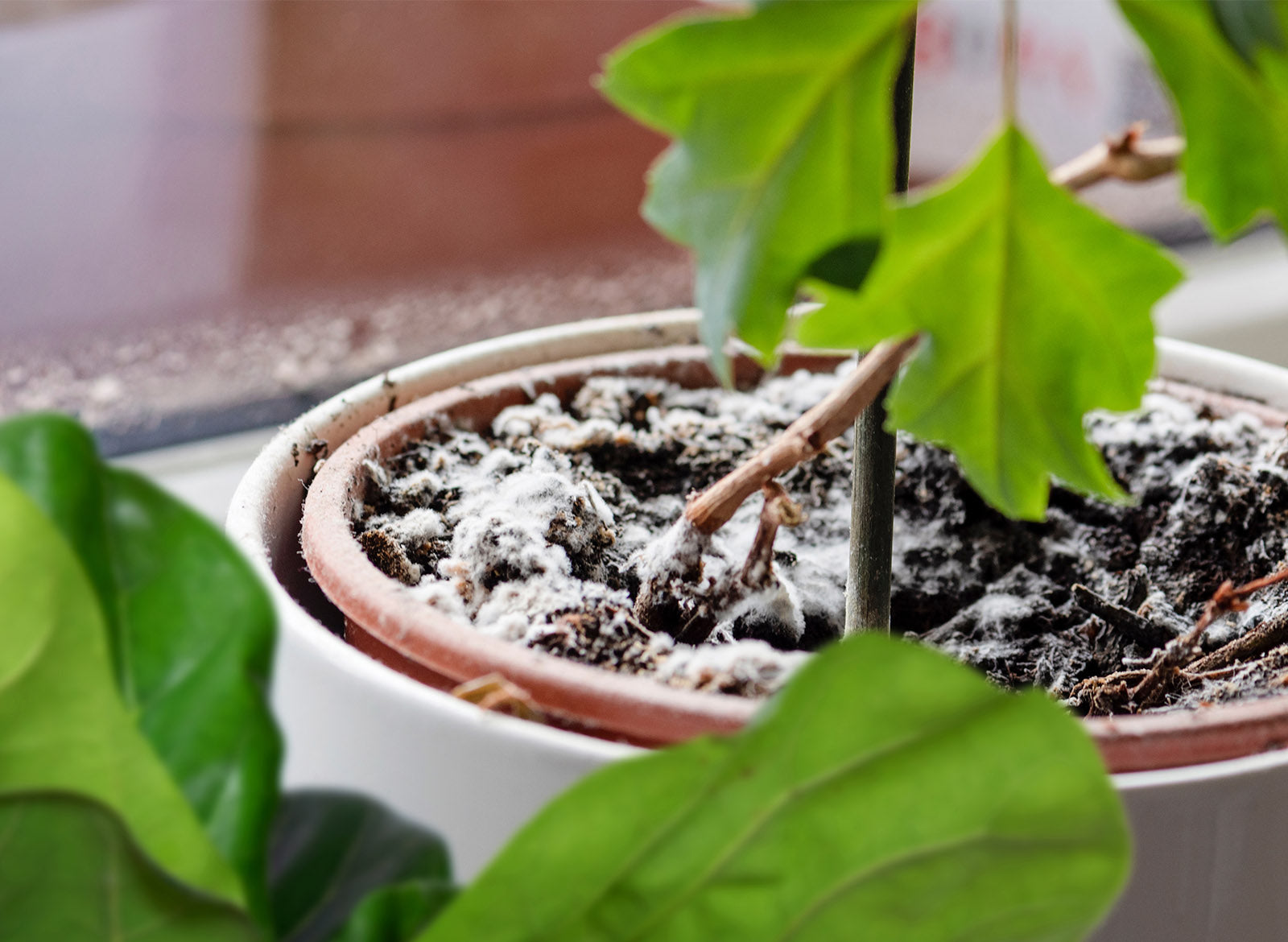
Yes, a plant can potentially recover from a fungal infection, but the likelihood of recovery depends on several factors, including the type of fungus, the extent of the infection, the plant species, and the overall health of the plant. In many cases, timely intervention can lead to a successful recovery.
Fungal infections can cause various symptoms, such as wilting, leaf spots, or mold growth, and they can affect the plant's ability to photosynthesize and take up nutrients. Implementing proper care practices and sometimes using antifungal treatments can support the plant's recovery. Additionally, a strong immune system and healthy growing conditions can significantly enhance a plant’s capacity to fight off infections.
Signs of Fungal Infection in Plants
Detecting a fungal infection early is crucial for a plant's recovery. Signs include:
See also:
- Discoloration: Yellowing or browning of leaves.
- Mold Growth: Appearance of white, gray, or black fuzzy patches on leaves or stems.
- Wilting: A noticeable droop in leaves or stems even with adequate watering.
Steps to Aid Plant Recovery
When dealing with a fungal infection, several remedial steps can be taken:
- Pruning: Remove infected leaves or stems to help prevent the spread of the fungus.
- Improving Airflow: Ensure proper spacing between plants to reduce humidity and promote ventilation.
- Watering Techniques: Water plants at the base rather than from above to minimize leaf wetness.
Common Antifungal Treatments
Various treatments can be employed to combat fungal infections:
- Fungicidal Sprays: Over-the-counter fungicides can be effective when applied according to instructions.
- Homemade Remedies: Solutions like baking soda, vinegar, or neem oil can help in treating mild infections.
- Biological Controls: Beneficial fungi or bacteria can outcompete harmful pathogens and promote healthier plant growth.
Preventive Measures for Fungal Infections
Implementing preventive strategies can greatly reduce the risk of infections:
- Soil Management: Use well-draining soil to prevent excess moisture that favors fungal growth.
- Crop Rotation: Change the planting location each season to disrupt fungal life cycles.
- Healthy Practices: Avoid overcrowding plants and maintain proper hygiene by cleaning tools.
Impact of Plant Type on Recovery
Different plants have varying abilities to recover based on their characteristics:
- Hardy Varieties: Some species, like certain succulents, can withstand fungal infections better than others.
- Young vs. Mature Plants: Younger plants may be more susceptible but can also bounce back quicker with proper care.
- Expanded Root Systems: Plants with robust root networks may recover faster by supporting their nutrient uptake.
Why is my garden full of fungus?
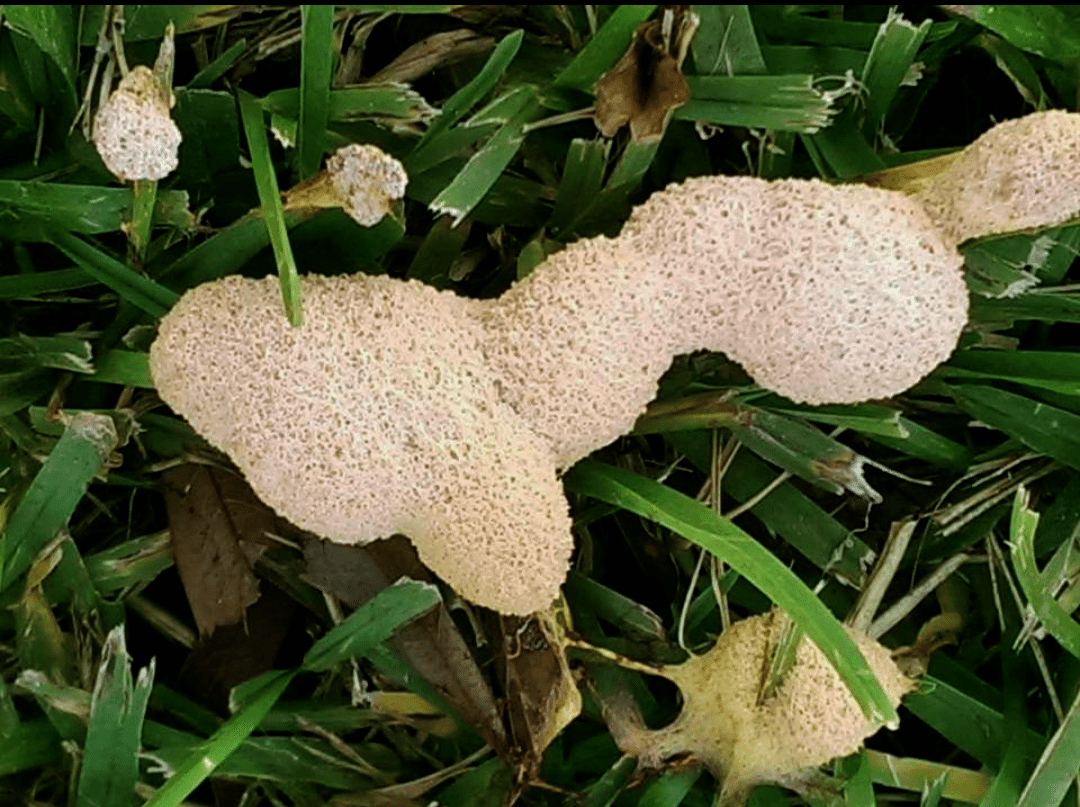
Fungal growth in your garden can be attributed to several factors that create an ideal environment for fungi to thrive. Understanding these factors can help you manage the situation effectively. Here are the key reasons why your garden may be full of fungus:
Excess Moisture
Fungi require moisture to grow, and excess water in your garden can create a perfect breeding ground for them. Prolonged periods of rain, overwatering, or poor drainage can all increase the humidity levels, allowing fungi to proliferate.
- Poor soil drainage can cause waterlogging, encouraging fungal spores to take root.
- Repeated heavy rainfall may inundate the soil, creating favorable conditions for various fungi.
- Overwatering during dry spells can exacerbate the issue, particularly in garden beds with dense foliage.
Poor Air Circulation
Inadequate airflow around plants can trap moisture and humidity, which fosters fungal growth. Gardens that are densely planted or shaded can suffer from this issue.
- Dense planting can prevent air from circulating effectively, keeping the environment moist.
- Shade from trees or other structures can limit sunlight, which helps to dry out the soil.
- Regular pruning of plants can help improve airflow and reduce the humidity in your garden.
Organic Matter Decomposition
The decomposition of organic matter, such as fallen leaves or decaying plants, can also lead to higher levels of fungi. While this process is natural and beneficial, excessive organic material can encourage fungal growth.
- Accumulation of decomposing plant debris provides a food source for fungi.
- Mulching can sometimes contribute to fungal growth if the material retains too much moisture.
- Regularly clearing away excess organic matter can help minimize fungal issues.
Soil pH Levels
The pH level of your soil can significantly impact the types of fungi that thrive in your garden. Most fungi prefer slightly acidic to neutral soils, and highly acidic or alkaline soils might encourage specific fungal species.
- Testing your soil pH can help determine if adjustments are needed to make the soil less conducive for fungal growth.
- Amending the soil with lime or sulfur can help adjust pH levels effectively.
- Maintaining balanced pH can support healthy plant growth and minimize fungal infestations.
Compacted Soil
Compaction of the soil can limit root growth and reduce water infiltration, leading to increased moisture retention, which further supports fungal development. Compacted areas are particularly susceptible to fungal problems.
See also:
- Foot traffic, heavy equipment, or poor construction practices can compact soil.
- Loosening the soil through aeration can help improve drainage and reduce fungal growth.
- Incorporating organic matter like compost can enhance soil structure and promote healthy conditions.
What is a homemade fungus killer for plants?

A homemade fungus killer for plants is a natural remedy used to combat fungal infections that can affect various plants. These organic solutions are typically easy to make from common household ingredients and are environmentally friendly alternatives to chemical fungicides. Homemade fungicide works by either directly killing the fungus or creating an environment that is less suitable for its growth.
Ingredients Commonly Used
Many homemade fungus killers are made with a few simple ingredients found in most kitchens. The effectiveness of these ingredients comes from their natural properties that target fungal spores.
- Baking Soda: It alters the pH of the plant's surface, making it less hospitable for fungi.
- Vinegar: Its acidic nature helps to kill fungal spores directly.
- Neem Oil: Contains compounds that disrupt the life cycle of fungi.
- Cornstarch: Can help absorb excess moisture where fungi thrive.
- Soap: Acts as a surfactant to help other ingredients stick to plant surfaces.
How to Prepare a Homemade Fungus Killer
Creating a homemade fungus killer is straightforward and requires minimal preparation. Typically, you'll combine a few active ingredients and water to create a mixture that can be sprayed onto the infected plants.
- Baking Soda Solution: Mix 1 tablespoon of baking soda with 1 gallon of water, and spray on affected areas.
- Vinegar Spray: Mix 1 part vinegar and 3 parts water, and apply to the leaves to discourage fungal growth.
- Neem Oil Treatment: Combine 2 tablespoons of neem oil with 1 gallon of water and a small amount of soap to emulsify, then spray on plants.
- Cornstarch Dust: Lightly dust cornstarch on the leaves to absorb moisture.
- Soap and Water Mix: Mix 1 tablespoon of liquid soap with 1 quart of water and spray to manage fungal outbreaks.
Application Techniques
The way a homemade fungus killer is applied significantly affects its effectiveness. Proper techniques ensure the solution reaches the fungal spores and remains effective for longer periods.
- Even Coverage: Ensure even coverage on all infected leaf surfaces for maximum effect.
- Timing: Apply early in the morning or late in the evening to avoid sunburn on the plants.
- Repeat Treatments: Regularly reapply every 5 to 7 days or after rainfall for continued protection.
- Test First: Always test a small area of the plant before full application to prevent any adverse reactions.
- Monitor Plants: Keep an eye on the plants after application to assess the treatment's success.
Benefits of Using Homemade Fungus Killers
Using homemade fungus killers provides several advantages over commercial products, particularly for those interested in organic gardening.
- Cost-Effective: Homemade solutions are usually much cheaper than store-bought fungicides.
- Safe for the Environment: Being made from natural ingredients, these solutions are less harmful to the ecosystem.
- Readily Available Ingredients: Most of the ingredients can be found in your kitchen or local grocery store.
- Less Chemical Exposure: Reduces exposure to potentially harmful chemicals, safer for pets and children.
- Customizable Recipes: Experiment with different ingredients based on the specific type of fungus or plant type.
When to Use Homemade Fungus Killers
Timing is crucial when it comes to applying homemade fungus killers. Understanding when to use them will enhance their effectiveness and keep your plants healthy.
- At First Signs: Apply at the first signs of fungal infection such as discoloration or spots.
- During Humid Conditions: Use preventively during rainy or humid weather when fungal outbreaks are more likely.
- For Maintenance: Regularly apply a diluted solution as a preventive measure to maintain plant health.
- Seasonally: Consider seasonal applications, especially during periods of high fungal risks.
- Post-Rain: Apply after heavy rain when plants have absorbed moisture that may encourage fungi.
Questions from Our Readers
What are the signs of fungal disease in the garden?
Signs of fungal disease can include yellowing leaves, wilting plants, and the presence of mold or fungus on leaves or stems. Additionally, you might notice dark spots or a powdery coating, which are typical indicators of fungal infections.
How can I prevent fungal diseases in my garden?
To prevent fungal diseases, ensure proper air circulation around your plants by spacing them appropriately and pruning when necessary. It's also essential to avoid overhead watering, as excess moisture can promote fungal growth. Applying fungicide regularly can also help in preventing these diseases.
What natural remedies can I use to treat fungal diseases?
Natural remedies such as a mixture of baking soda, water, and soap can be effective against many types of fungal diseases. Neem oil is another organic treatment that can help eliminate fungal spores while being safe for the plants and the environment.
When should I seek professional help for fungal diseases in the garden?
You should consider seeking professional help if the fungal disease is widespread or if home treatments are not yielding results. A gardening expert can provide a more accurate diagnosis and recommend specific treatments tailored to your garden's needs.
See also:

If you want to read more articles like How to Get Rid of Fungal Disease in the Garden? Effective Tips and Solutions, we recommend you check out our Garden category.
Leave a Reply
Related Articles