Ultimate Guide: How Do You Make Homemade Fungicide for Garden?

In the world of gardening, maintaining healthy plants can be a challenging endeavor, especially when fungal diseases threaten your lush greenery. Homemade fungicides offer an effective, eco-friendly alternative to commercial products, allowing gardeners to protect their plants while minimizing chemical exposure. This ultimate guide will walk you through the various methods and ingredients needed to create your own fungicide right at home. From simple kitchen staples to natural remedies, you'll discover how easy and cost-effective it can be to safeguard your garden against harmful fungal infections. Get ready to empower your gardening journey with these essential DIY solutions!
How to Create Homemade Fungicide for Your Garden
Making homemade fungicide for your garden is a simple and effective method to combat fungal diseases that may affect your plants. One popular recipe involves mixing 1 tablespoon of baking soda with 1 gallon of water and adding a few drops of liquid soap to help the solution adhere to the leaves. The sodium bicarbonate in the baking soda works to change the pH level on the plant's surface, discouraging the growth of fungi. It's recommended to spray this mixture on your plants in the early morning or late afternoon to avoid damaging them in the heat of the sun, ensuring you thoroughly cover the leaves, especially the undersides where spores often reside.
Ingredients Needed for Homemade Fungicide
To create an effective homemade fungicide, you will need a few key ingredients. The primary components include baking soda, which acts as the active fungicidal agent, water to dilute the solution, and a few drops of liquid soap or dishwashing detergent, which serve as an emulsifier to help the solution stick to plant surfaces. Some gardeners also recommend adding vegetable oil or vinegar for added antifungal properties, but these should be used sparingly as they can harm plant foliage if used in excess.
Preparing the Fungicide Solution
The preparation of the fungicide solution is straightforward. Begin by measuring out 1 tablespoon of baking soda and dissolve this in 1 gallon of water. After the baking soda has fully dissolved, add 2-3 drops of liquid soap to the mixture. Stir gently to combine the ingredients thoroughly, ensuring they are well mixed without creating excessive bubbles. Once prepared, the fungicide can be poured into a spray bottle or garden sprayer for easy application.
How to Apply the Fungicide
Application of the homemade fungicide should be done carefully to maximize its effectiveness. It is best to spray the solution on your plants during the early morning or late afternoon when temperatures are cooler. Aim to coat both the upper and lower surfaces of the leaves, as many fungal spores reside underneath. Make sure to spray until the leaves are damp but not dripping to avoid overwhelming your plants. Repeat the application every 7 to 14 days, especially after rain, to maintain effective protection.
Safety Precautions
While homemade fungicide is generally safe, it's important to take certain safety precautions. Before applying the solution broadly, test it on a small section of the plant and wait for 24 hours to ensure there are no adverse reactions. Additionally, avoid applying the fungicide during extremely hot or sunny conditions, as this can stress the plants. Always store the unused solution in a cool, dark place and label it clearly to prevent accidental misuse.
Additional Homemade Fungicide Options
In addition to baking soda, there are other homemade fungicides you can try. For instance, a mix of apple cider vinegar and water (1 part vinegar to 3 parts water) can be used as a fungal deterrent, while a solution made from garlic or neem oil has natural antifungal properties. Each of these alternatives can be used similarly to the baking soda solution, but it is vital to monitor your plants for any signs of stress or adverse reactions after application.
| Homemade Fungicide | Active Ingredient | Application Frequency |
|---|---|---|
| Baking Soda Solution | Baking Soda | Every 7-14 days |
| Apple Cider Vinegar Mix | Apple Cider Vinegar | Every 2 weeks |
| Garlic Solution | Garlic | Weekly |
| Neem Oil Spray | Neem Oil | Every 2 weeks or as needed |
What is the best homemade fungicide for plants?

The best homemade fungicide for plants typically involves simple ingredients that can be found around the house. One of the most effective recipes is a baking soda solution, which helps prevent and control fungal infections on various plants. This solution works by altering the pH on the leaf surface, making it less hospitable for fungal spores.
Benefits of Baking Soda Fungicide
Baking soda is widely regarded for its effectiveness in treating fungal diseases on plants. The main benefits include:
See also:
- Non-toxic: It is safe for pets and children.
- Easy to make: Requires few ingredients and minimal preparation.
- Cost-effective: Baking soda is inexpensive compared to commercial fungicides.
How to Prepare Baking Soda Fungicide
Preparing a baking soda fungicide is straightforward. Follow these steps for successful application:
- Mix Ingredients: Combine 1 tablespoon of baking soda, 1 teaspoon of liquid soap (like dish soap), and 1 gallon of water.
- Stir Well: Ensure that the baking soda is completely dissolved.
- Transfer to Spray Bottle: Use a spray bottle for easy application on affected plants.
Application Techniques
Effective application of the fungicide is crucial for optimal results. Consider the following techniques:
- Test on a Small Area: Always test the solution on a few leaves to ensure there are no adverse reactions.
- Spray Early or Late: Apply the solution in the early morning or late afternoon to avoid burning the plant.
- Reapplication: Use the fungicide every 7-14 days, or after rain, for continued protection.
Other Homemade Fungicide Options
In addition to baking soda, there are several other homemade fungicide options that can be equally effective:
- Garlic Spray: Blend garlic with water and strain to create a potent natural fungicide.
- Neem Oil: Extracted from the neem tree, it acts as a fungicide and insect repellent.
- Cinnamon Powder: Sprinkled on soil, it can prevent fungal growth and pests.
Precautions When Using Homemade Fungicides
While homemade fungicides can be beneficial, it's essential to take certain precautions to ensure their safety:
- Monitor Plant Reaction: Keep an eye on how your plants respond to the treatment.
- Avoid Overapplication: Excessive use can lead to other plant issues, such as leaf burn.
- Store Properly: Unused solutions should be labeled and kept out of reach of children and pets.
How to treat fungus in garden soil naturally?
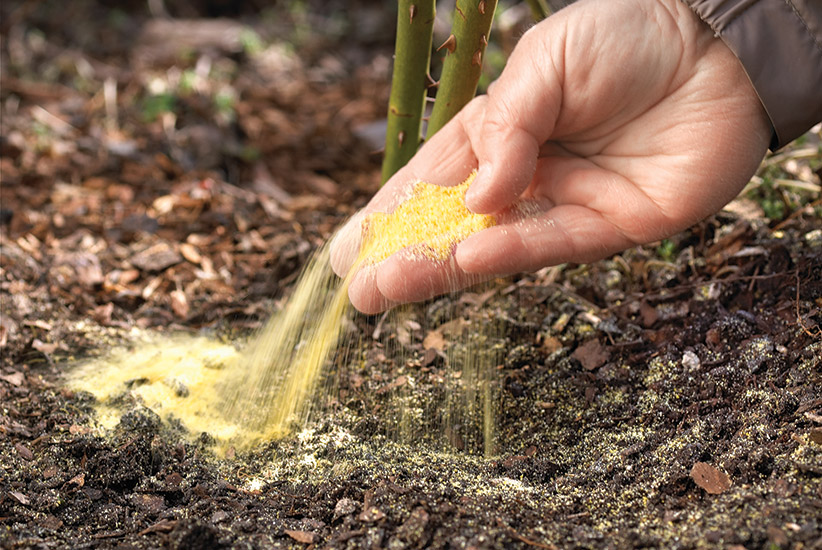
To treat fungus in garden soil naturally, it's important to employ a combination of methods that focus on improving soil health and preventing fungal diseases. Here are some effective strategies you can use:
Understanding Fungal Diseases
Fungal diseases can manifest in various ways, affecting plants by causing wilting, discoloration, and root rot. Recognizing the symptoms is crucial for effective treatment and prevention. Here are some common signs to look for:
- Leaf spots: Dark, sunken areas on leaves.
- Mold growth: Fuzzy or powdery patches on soil or plant surfaces.
- Root rot: Soft, mushy roots that may emit a foul odor.
Enhancing Soil Drainage
Improving soil drainage is vital in preventing fungal growth, as excess moisture encourages fungal development. You can enhance drainage through the following practices:
- Amend soil: Incorporate organic matter such as compost or well-rotted manure to improve soil structure.
- Raised beds: Create raised garden beds to allow excess rainwater to drain away from plant roots.
- Aeration: Use a garden fork or aerator to reduce soil compaction and promote better drainage.
Using Natural Fungicides
Natural fungicides can help in controlling fungal outbreaks in your garden. Here are some options:
- Neem oil: Extracted from the seeds of the neem tree, it disrupts the life cycle of fungi.
- Baking soda: A common household item that can be mixed with water to create a solution to spray on infected plants.
- Cinnamon: Acts as a natural fungicide when sprinkled on the soil or affected plants.
Promoting Healthy Plants
Healthy plants are less susceptible to diseases, including fungal infestations. To promote plant health, consider the following tips:
See also:
- Crop rotation: Rotating crops can disrupt the life cycle of pathogens and reduce the likelihood of infections.
- Watering practices: Water in the morning to allow moisture to evaporate during the day, reducing humidity around the plants.
- Proper spacing: Ensure adequate spacing between plants to improve air circulation and reduce moisture buildup.
Encouraging Beneficial Microorganisms
Beneficial microorganisms help suppress fungal pathogens and enhance nutrient availability in the soil. To encourage these allies:
- Composting: Add compost to cultivate beneficial bacteria and fungi that compete with pathogens.
- Mulching: Use organic mulch to retain moisture while slowly adding nutrients to the soil.
- Inoculating soil: Introduce beneficial fungi, such as mycorrhizae, to improve plant health and reduce fungal diseases.
Does baking soda work as a fungicide on plants?
:strip_icc()/Adding-Baking-Soda-to-Plants-in-Garden-1419286443-716191087dea4050a691a55157a69e2b.jpg)
Baking soda, or sodium bicarbonate, is often discussed as a potential natural fungicide for plants. Its effectiveness, however, can vary depending on several factors, including the type of fungal infection, the concentration used, and the specifics of the plant being treated. Here is a detailed exploration of its effectiveness as a fungicide.
How Does Baking Soda Work Against Fungi?
Baking soda operates primarily by altering the pH levels of the surface to which it is applied. This increase in alkalinity can create an unfavorable environment for many fungal pathogens. The mechanism can be summarized in a few key points:
- pH Alteration: Increases in alkalinity can hinder fungal growth.
- Prevention: By creating a less hospitable environment, it may help in preventing outbreaks of fungal diseases.
- Foliar Application: When applied to leaf surfaces, baking soda can disrupt fungal spores' ability to germinate and infect.
Types of Fungal Diseases Addressed
While baking soda is not a cure-all, it can be effective against certain types of fungal diseases. Its utility is best seen in:
- Powdery Mildew: Common on crops like cucumbers and grapes, this disease can be mitigated with baking soda applications.
- Black Spot: This issue is prevalent in roses and may be managed effectively by using baking soda.
- Other Fungal Infections: Many gardeners report success against various leaf spots and rusts.
Application Methods and Concentrations
The way baking soda is applied to plants can significantly influence its effectiveness. Consider the following application methods:
- Water Mixture: A common approach is mixing baking soda with water (1-2 teaspoons per quart of water) and spraying it directly on affected areas.
- Timing: Early morning or late afternoon applications avoid direct sunlight, which can enhance effectiveness.
- Frequency: Regular applications every 7-14 days can help maintain its protective effects.
Advantages of Using Baking Soda
Using baking soda as a fungicide presents several benefits to gardeners, particularly those seeking organic solutions:
- Safety: Baking soda is non-toxic to plants, humans, and beneficial insects when used correctly.
- Affordability: Its low cost makes it an attractive option for home gardeners.
- Environmental Impact: Baking soda is environmentally friendly, offering a natural alternative to chemical fungicides.
Limitations and Considerations
While baking soda has its advantages, there are limitations and factors to consider:
- Not a Cure-All: It may not be effective against all types of fungi and severe infections.
- Potential for Leaf Burn: High concentrations can lead to leaf burn if not adequately diluted.
- Resistance: Over-reliance on baking soda could lead to potential resistance in some fungal strains over time.
Questions from Our Readers
What ingredients do I need to make homemade fungicide?
To create an effective homemade fungicide, you typically need baking soda, water, and a few drops of liquid soap. These ingredients work together to disrupt the growth of fungi while being safe for your plants. Mixing 1 tablespoon of baking soda with 1 gallon of water and adding the soap can yield a good solution for treating plant diseases.
How do I apply homemade fungicide to my garden?
You can apply homemade fungicide using a spray bottle or a garden sprayer. Make sure to cover both the top and bottom of the leaves to ensure maximum effectiveness against fungal spores. It's best to apply the solution in the early morning or late afternoon to avoid direct sunlight, which can cause the mixture to evaporate too quickly.
See also:
How often should I use homemade fungicide?
It is generally recommended to apply homemade fungicide every 7 to 14 days, especially during periods of high humidity or wet weather when fungi are more likely to thrive. Regular application can help prevent the onset of fungal diseases and protect your plants' health over time.
Is homemade fungicide safe for all plants?
Most homemade fungicides are safe for a wide variety of plants, but it’s crucial to test the solution on a small area first. Some plants may react negatively to certain ingredients, especially if they are sensitive. Always observe your plants after the first application and adjust if necessary to ensure their health and vitality.

If you want to read more articles like Ultimate Guide: How Do You Make Homemade Fungicide for Garden?, we recommend you check out our Garden category.
Leave a Reply
Related Articles