Exploring Nature: Does Anything Eat Daylilies? Discover the Truth!

Daylilies, with their vibrant blooms and resilience, are a favorite among gardeners and nature enthusiasts alike. However, these stunning flowers often raise the question: are they susceptible to being eaten by wildlife? In this article, we delve into the fascinating world of daylilies, exploring whether anything actually consumes them. From common herbivores to unexpected pests, we will uncover the truth behind the interactions between daylilies and the creatures that may find them delectable. Join us as we navigate through the ecosystem to reveal the surprising dynamics of nature’s appetite for one of the garden's most adored plants.
What Animals are Known to Eat Daylilies?
Certain animals do indeed consume daylilies (Hemerocallis spp.), which are popular ornamental plants. Among the most notable culprits are deer, which may find the tender foliage particularly appealing during spring and summer. Additionally, some insects like aphids and caterpillars tend to feed on these plants, potentially leading to damage. While daylilies are generally considered to be resilient and less susceptible to herbivory compared to other garden plants, it’s essential for gardeners to be vigilant about potential pest infestations and the presence of larger herbivores that might be drawn to their lush blooms.
Common Herbivores of Daylilies
Various herbivores are known to consume daylilies, with deer ranking among the most frequent visitors to gardens with these plants. These animals are especially drawn to younger, softer leaves and buds, which are easier for them to chew. As daylilies thrive in numerous environments, they become a convenient food source for deer and can suffer severe damage if large numbers of these animals frequent the area. Gardeners looking to maintain their daylilies must consider protective measures to deter these hungry animals.
Impact of Insects on Daylilies
Apart from larger mammals, several insects also target daylilies for nourishment. Aphids, for example, can colonize the undersides of the leaves and suck the sap, potentially weakening the plant and causing leaves to curl or yellow. Caterpillars, particularly those that belong to moth species, may also munch on the foliage, which can lead to noticeable defoliation. Gardeners are advised to regularly inspect their daylilies for signs of insect activity to manage any potential infestations effectively.
Signs of Plant Damage Due to Herbivory
When daylilies are subjected to herbivory, several telltale signs can manifest. Gardeners should be alert for chewed leaves, missing flower buds, or general distress in the plant's health. Wilting or yellowing foliage can suggest damage from insects, while a noticeable absence of leaves or flowers might indicate browsing by larger animals like deer. Early detection of these symptoms is crucial for implementing effective control measures before the situation worsens.
Preventive Measures for Protecting Daylilies
To guard against herbivores, gardeners can employ various preventive techniques. For deer, installing fencing around garden areas can prove effective, while using repellents made from essential oils or predator scents may deter them from approaching the plants. Insect infestations may be managed with insecticidal soaps or natural predators like ladybugs that help keep populations of harmful insects in check. Regular monitoring and proactive steps can significantly enhance the resilience of daylilies against potential threats.
Natural Predators of Daylily Pests
Introducing natural predators into the garden ecosystem can be an excellent method to control pest populations that threaten daylilies. For example, ladybugs and lacewings are particularly effective at keeping aphid numbers low, while parasitic wasps can help manage caterpillar populations. By fostering a balanced environment that encourages these beneficial insects, gardeners can create a sustainable method of protection for their daylilies, reducing their reliance on chemical treatments.
| Animal/Pest | Type | Damage Caused |
|---|---|---|
| Deer | Mammal | Chewed foliage and buds |
| Aphids | Insect | Leaf curling and yellowing |
| Caterpillars | Insect | Defoliation |
| Ladybugs | Beneficial Insect | Controls aphid populations |
| Parasitic Wasps | Beneficial Insect | Controls caterpillar populations |
What is eating my day lilies?

Many factors can contribute to the damage of day lilies, causing concern among gardeners. Understanding what is eating your day lilies requires identifying possible pests and environmental influences. Here are some common culprits:
Common Pests Affecting Day Lilies
Day lilies are vulnerable to a variety of pests that can cause significant damage. Among the most frequent pests are:
- Slugs and Snails: These soft-bodied mollusks enjoy feeding on the tender leaves and flowers of day lilies, especially during wet conditions.
- Japanese Beetles: These pests are notorious for skeletonizing foliage, leaving behind damaged leaves that can hinder plant growth.
- Aphids: Small and often green, these insects can cluster on new growth and suck out the plant's vital fluids, leading to wilting and stunted growth.
Environmental Factors Contributing to Damage
Sometimes the issues with day lilies are not just due to pests. Environmental factors also play a crucial role:
- Overwatering: Excess moisture can lead to root rot and fungal diseases, making plants more susceptible to pests.
- Insufficient Sunlight: Day lilies thrive in full sun; poor lighting can weaken plants, inviting pests.
- Soil Poor Quality: Nutrient-deficient soil can stress plants, making them less resilient against pest invasions.
Signs of Pest Infestation
Identifying the signs of a pest problem early can save your day lilies:
- Chewed Leaves: Missing sections of foliage may indicate insect feeding.
- Sticky Residue: A shiny substance on leaves could signify aphids or scale insects, which secrete honeydew.
- Visible Pests: Spotting the actual pests on the plants can confirm your suspicions and help determine appropriate treatment.
Preventative Measures for Day Lilies
Preventing pest infestations is often simpler than dealing with established problems. Consider these approaches:
See also:
- Regular Inspection: Frequently check your plants for early signs of problems, allowing for quick intervention.
- Companion Planting: Introduce plants that repel pests or attract beneficial insects to help protect your day lilies.
- Proper Watering Techniques: Water efficiently to avoid excess moisture that can lead to root and foliage problems.
Pest Control Solutions
If your day lilies exhibit signs of pest damage, immediate control measures are critical:
- Insecticidal Soap: This method can effectively eliminate soft-bodied pests like aphids and spider mites.
- Neem Oil: Derived from the neem tree, this organic treatment disrupts pests’ life cycles without harmful effects on beneficial insects.
- Handpicking: Manually removing larger pests like slugs and beetles can be an effective control method.
What animal would eat daylilies?

Daylilies, known scientifically as Hemerocallis, are popular ornamental plants in many gardens. However, they can attract various herbivorous animals that find these plants appealing. Some of the most common animals that eat daylilies include:
- Deer: These animals are well-known for their appetite for a variety of garden plants, including daylilies. Their ability to reach foliage at different heights makes them a significant threat to these flowers.
- Rabbits: Known for their voracious eating habits, rabbits particularly enjoy tender young leaves and flowers of daylilies. They can quickly decimate new growth if they are present in the area.
- Groundhogs: Also called woodchucks, groundhogs are larger rodents that dig burrows and feed on a wide range of garden plants, including daylilies.
- Squirrels: While primarily known for their preference for nuts and seeds, squirrels can occasionally munch on daylily flowers and buds, especially when other food sources are scarce.
- Slugs and Snails: These mollusks are notorious for their damage to garden plants. They often feed on the tender leaves and petals of daylilies, especially in damp conditions.
Identifying Deer Damage on Daylilies
Deer feeding on daylilies can lead to distinctive signs of damage. The primary indicators include:
- Irregularly torn leaves: Leaves may appear jagged and chewed.
- Height of damage: Deer generally feed at a height between 3 to 5 feet.
- Tracks and droppings: Look for hoof prints and piles of deer droppings nearby.
Rabbit Feeding Habits
Rabbits are particularly destructive to daylilies due to their natural foraging behavior. Key aspects of rabbit feeding include:
- Preference for young growth: Rabbits tend to favor young, tender leaves and buds.
- Clean cuts: Unlike deer, rabbit bites leave clean, clipped edges.
- Signs of burrowing: Look for shallow burrows around garden areas, which may indicate rabbit habitation.
Groundhogs and Their Impact
Groundhogs can cause extensive damage to a garden, including daylilies. The following characteristics typify their feeding:
- Large bite marks: Groundhogs have strong teeth that leave large, crescent-shaped bite marks.
- Excavation areas: Their burrowing activities disturb plant roots.
- Presence in daylight: Unlike many other wildlife, groundhogs are often active during the day.
Squirrel Activity Around Daylilies
Squirrels might be occasional visitors to the daylily patch. Their feeding patterns include:
- Flower and bud consumption: Squirrels are known to target blooms for their soft texture.
- Climbing behavior: They can reach higher buds that are less accessible to other animals.
- Nuts as a distraction: Squirrels may prefer nuts, but will resort to flowers when other foods are limited.
Slugs and Snails as Garden Pests
Slugs and snails are sneaky pests that can wreak havoc on daylilies, particularly during wet seasons. Their activity is characterized by:
- Mucus trails: The slimy trails they leave behind are a clear sign of their presence.
- Irregular holes in leaves: These pests create holes in the leaves, leading to unsightly damage.
- Nighttime feeding: Slugs and snails are mostly nocturnal, making them harder to spot during the day.
Do rabbits or deer eat daylilies?

Rabbits and deer are both known to be herbivorous animals, and they have specific dietary preferences that can include a variety of garden plants. When it comes to daylilies, both rabbits and deer may consume them under certain circumstances, though their tendency to do so can vary based on several factors.
Rabbits and Their Eating Habits
Rabbits are notorious for nibbling on garden plants, and daylilies can attract them, especially when they are young and tender.
- Dietary Preferences: Rabbits typically prefer green foliage, young shoots, and tender flowers, making daylilies appealing when they're newly sprouted.
- Plant Availability: In areas where food sources are scarce, rabbits might turn to daylilies as an alternative food source.
- Seasonal Behavior: During spring and early summer, rabbits are more likely to feed on daylilies due to the availability of fresh growth.
Deer Feeding Patterns
Deer are also known to graze on a diverse range of plants, including daylilies. However, their interest can be influenced by other factors.
See also:
- Availability of Other Food Sources: If deer have abundant options, they may avoid daylilies. However, in times of scarcity, they are likely to nibble on them.
- Seasonal Variances: Deer are more likely to feed on daylilies in late spring and early summer when the plants are lush and green.
- Palatability: While some deer may consume daylilies, others might not favor them as much as other plants, such as leafy greens or shrubs.
Damage to Daylilies
Both rabbits and deer can cause significant damage to daylilies when they decide to feed on them.
- Leaf Removal: Rabbits may eat the leaves and flowers, leading to stunted growth and decreased flowering.
- Root Damage: If rabbits dig around the base of the plant, they can disturb the roots, further affecting the plant’s health.
- General Plant Stress: Grazing can weaken the plant, making it more susceptible to disease and pests.
Preventing Animal Grazing
For gardeners looking to protect their daylilies from rabbits and deer, there are several strategies that can be employed.
- Physical Barriers: Fencing can effectively keep both rabbits and deer at bay from sensitive garden areas.
- Repellents: Various commercial or homemade repellents can deter these animals from approaching daylilies.
- Choosing Resistant Varieties: Some daylily varieties may be less appealing to both rabbits and deer, making them better choices for gardens in affected areas.
The Role of Daylilies in Local Ecosystems
Daylilies can also play a role in the ecosystem, attracting various pollinators while providing food sources for animals, including rabbits and deer.
- Attraction to Pollinators: Daylilies are known for attracting bees and butterflies, contributing to local biodiversity.
- Providing Habitat: These plants can serve as cover for smaller garden animals, indirectly supporting the local wildlife.
- Food Chain Contribution: By playing a role in the food chain, daylilies can have an important place within the garden ecosystem.
How to permanently get rid of daylilies?
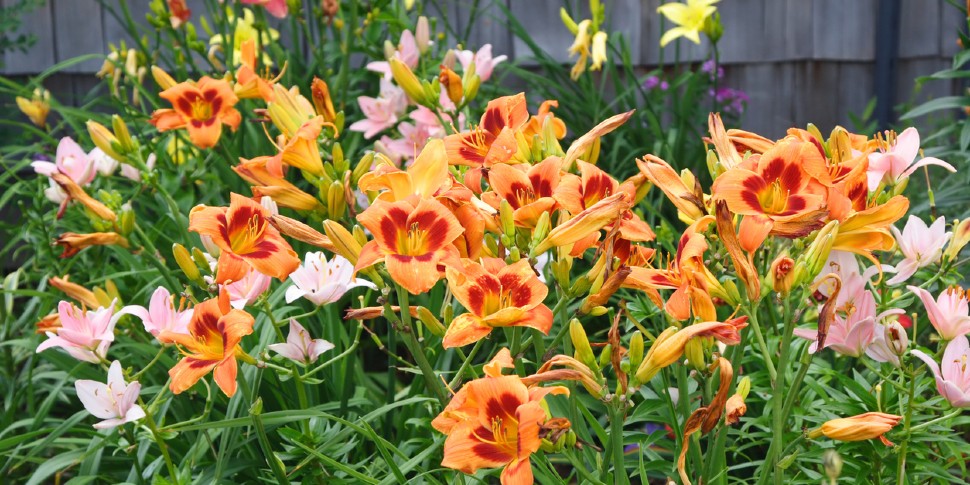
To permanently get rid of daylilies, it's essential to take a systematic approach, as these perennial plants can be quite resilient. Here’s a guide to help you eliminate them effectively.
Understanding Daylilies
Daylilies, belonging to the genus Hemerocallis, are known for their beautiful blooms and adaptability. However, their aggressive growth and spreading nature can make them problematic in gardens. Understanding their root structure and propagation methods will aid in devising an effective removal plan.
- Daylilies grow from tuberous roots, which allows them to spread rapidly.
- They can reproduce through seeds and vegetative propagation, further complicating removal efforts.
- Recognizing these attributes is crucial for achieving permanent elimination.
Methods of Removal
There are several strategies to remove daylilies, ranging from manual removal to chemical treatments. Each method has its benefits and drawbacks.
- Manual Removal: This involves digging out the entire plant and root system. Ensure that you remove all tuberous roots to prevent regrowth.
- Smothering: Covering the area with heavy mulch or cardboard can block sunlight, effectively killing the plants over time.
- Chemical Treatment: Using herbicides specifically designed for perennial plants can be effective. Follow all instructions to minimize impact on surrounding vegetation.
Timing for Removal
Timing is crucial when attempting to eliminate daylilies. The best time for removal can impact the success of your efforts.
- Fall Removal: Removing daylilies in the fall when the plants are entering dormancy can reduce the chances of regrowth.
- Spring Removal: Early spring removal can be effective before they start to bloom but may require follow-up treatments.
- Post-Flowering Removal: Removing them right after flowering can also prevent them from setting seeds.
Follow-Up Care
After removing daylilies, follow-up care is essential to ensure that they do not return. This can include ongoing maintenance measures.
- Monitor the Area: Regularly check for any new growth and remove any emerging plants immediately.
- Replanting Strategies: Consider planting competitive plants that can outcompete any remaining daylily roots.
- Soil Health: Improving soil health with organic matter can discourage daylily survival while promoting the growth of desired plants.
Alternative Plant Choices
If daylilies have been a problem in your garden, consider substituting them with alternative plants that serve a similar aesthetic purpose without the aggressive growth.
- Native Plants: Opt for native plants that provide similar blooms but without the invasive growth habit.
- Perenial Varieties: Look for other perennials that flourish in your climate and have less aggressive growth patterns.
- Ground Covers: Consider ground cover plants that can fill spaces without the invasive tendencies of daylilies.
Questions from Our Readers
What animals are known to eat daylilies?
Many animals are attracted to daylilies, including deer, rabbits, and certain types of insects. These animals may consume both the leaves and flowers of the plant, which can lead to significant damage in gardens.
Are daylilies toxic to pets?
Daylilies are generally considered non-toxic to pets such as dogs and cats. However, ingestion of large quantities can cause mild digestive upset, so it's recommended to keep an eye on pets near these plants.
How can I protect my daylilies from being eaten?
To protect your daylilies, you can use fencing or netting to deter larger animals like deer and rabbits. Additionally, applying repellents or planting companion plants that these animals dislike may also help to keep them away.
See also:
Do any insects damage daylilies?
Yes, several insects such as aphids, spider mites, and daylily beetles can damage daylilies by feeding on the leaves. Regular monitoring and the use of appropriate pest control methods can help minimize the impact of these pests on your plants.

If you want to read more articles like Exploring Nature: Does Anything Eat Daylilies? Discover the Truth!, we recommend you check out our Daylily category.
Leave a Reply
Related Articles