What are the worms in my daylilies? A Comprehensive Guide to Identification and Solutions

Daylilies are a beloved addition to many gardens, known for their vibrant blooms and resilience. However, the appearance of worms within these plants can be a cause for concern for gardeners. These pests can damage the foliage and affect the overall health of daylilies, leading to unsightly growth and diminished flowering. In this comprehensive guide, we will identify the common types of worms that may inhabit your daylilies and provide effective solutions for managing these unwelcome guests. Understanding these pests is crucial for maintaining the beauty and vitality of your garden.
What Are the Worms in My Daylilies?
The worms found in your daylilies can often be a source of concern for gardeners, as they may indicate a pest issue that could harm the plants. Commonly, these worms can be identified as the larvae of moths or beetles, such as the daylily borer or cutworms, which feed on the foliage and can severely hinder the plant's growth and flowering. Early identification and appropriate control measures, including cultural practices and organic treatments, are essential to mitigate the damage and promote the health of your daylilies.
Common Types of Worms in Daylilies
There are various types of worms that can infest daylilies, with the most prevalent being the daylily borer and cutworms. The daylily borer, a small yellowish moth, lays its eggs on the leaves, and once hatched, the larvae burrow into the plant, eating through the stems and leaves. Cutworms, on the other hand, are nocturnal insects that can chew through the base of young plants, leading to wilting or even death. Understanding these pests is crucial for effective control.
Signs of Infestation
Identifying the signs of a worm infestation in your daylilies is essential to taking timely action. Look for telltale signs like chewed leaves, with ragged edges or holes, and stunted growth. Additionally, if you notice the presence of larvae on the leaves or inside the stems, or if the plant tips are wilting, these are strong indicators that your daylilies are being affected by worms. Early detection can help minimize the impact on your plants.
Control Methods
Addressing a worm infestation in your daylilies requires a combination of strategies. Cultural practices, such as crop rotation and maintaining healthy soil, can help deter pests. Additionally, you can use organic pesticides containing Bacillus thuringiensis (Bt) that are effective against the larvae of worms. Handpicking the visible worms can also reduce their numbers significantly. Monitoring your plants regularly is key to preventing severe damage.
Prevention Strategies
Preventing worms in your daylilies is often more effective than treatment after an infestation occurs. Ensure your plants are strong and healthy by providing adequate nutrition and irrigation. Regularly removing debris and dead plant matter can minimize the breeding sites for pests. Utilizing companion planting with species that repel worms may also be beneficial, and maintaining proper spacing allows for adequate airflow, reducing the chance of pest problems.
The Life Cycle of Daylily Borers
Understanding the life cycle of the daylily borer can help you time your pest management strategies effectively. This pest typically goes through four stages: egg, larva, pupa, and adult. The adult moth lays eggs in late spring, and the larvae emerge shortly after, burrowing into the plant's stem to feed. After pupation, they emerge as moths to continue the cycle. Recognizing their timeline is vital for applying control measures at the right moments.
| Pest Type | Symptoms | Control Method |
|---|---|---|
| Daylily Borer | Chewed stems, wilting leaves | Handpicking, organic pesticides |
| Cutworms | Chewed plant bases, stunted growth | Cultural practices, barriers |
How do you get rid of daylilies bugs?
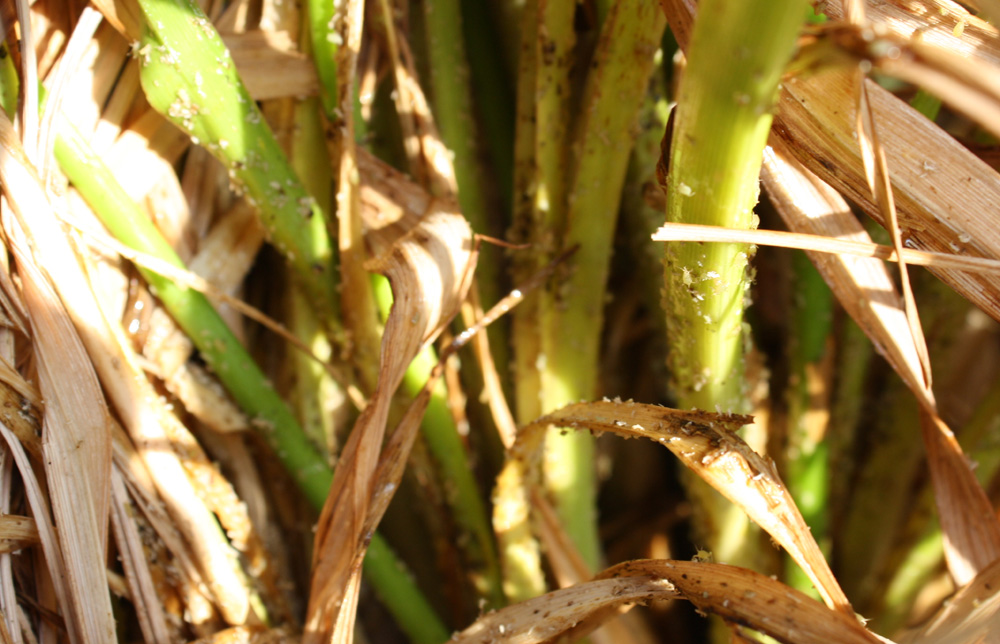
Identify Daylily Bugs
To effectively get rid of daylily bugs, it is crucial to first identify which pests are infesting your plants. Common culprits include the daylily leaf miner, aphids, and various types of beetles. By recognizing the specific bug, you can tailor your approach to eliminate them. Here are steps to help you identify these pests:
- Inspect the leaves for signs of damage or discoloration.
- Look for small insects or larvae on the foliage and flower buds.
- Note any visible eggs or webs, which can indicate an infestation.
Natural Remedies for Daylily Bugs
Implementing natural remedies can be an effective way to manage daylily bugs without resorting to harsh chemicals. These methods can be safer for both your plants and the surrounding environment. Here are some natural remedies you can apply:
See also:
- Spray a solution of water and dish soap to suffocate insects.
- Use neem oil, an organic pesticide, as a deterrent.
- Create a homemade trap using a vinegar solution to capture pests.
Chemical Treatments
If natural remedies do not provide sufficient control, consider chemical treatments. There are several commercially available insecticides that specifically target daylily bugs. Use these products following the manufacturer’s instructions to ensure safe and effective application:
- Select an insecticide that lists daylily bugs as a target pest.
- Apply the treatment in the early morning or late evening to avoid harming beneficial insects.
- Reapply as necessary according to the product’s guidelines for maximum effectiveness.
Regular Maintenance and Inspection
Maintaining a routine of regular maintenance and inspection can prevent the resurgence of daylily bugs. Keeping your garden healthy will minimize the likelihood of infestations. Here are important maintenance tips:
- Remove any debris or dead plant material that can harbor pests.
- Regularly inspect your daylilies for early signs of bug activity.
- Practice crop rotation with your daylilies to interrupt pest life cycles.
Encouraging Beneficial Insects
Another effective strategy is to promote the presence of beneficial insects that prey on pests. Attracting these natural predators can help keep daylily bug populations in check. Here’s how to attract beneficial insects:
- Plant nectar-rich flowers to lure in predatory insects like ladybugs.
- Avoid using broad-spectrum insecticides that can kill beneficial species.
- Provide habitats such as insect hotels or native plants to support these beneficial populations.
What does fungus look like on daylilies?

Fungus on daylilies can present in various forms, often identifiable by specific symptoms affecting the plant's appearance. Generally, fungal infections can result in spots, discoloration, and overall decline in the health of the leaves and flowers.
Common Fungal Symptoms
Fungal infections in daylilies typically manifest through several common symptoms, which may vary depending on the type of fungus.
- Leaf Spots: Small, dark spots often appear on the leaves, which may expand over time.
- Wilting: Infected daylilies may exhibit wilting, particularly if the roots are compromised.
- Discoloration: Leaves may turn yellow or brown, indicating stress or infection.
Types of Fungal Diseases
There are a few specific types of fungi known to affect daylilies, each causing distinct symptoms.
- Fusarium Blight: This fungus causes yellowing of leaves and can lead to browning at the leaf tips.
- Rust: Characterized by bright orange or rust-colored pustules on the undersides of leaves.
- Botrytis Blight: A gray mold that appears during cool, wet conditions, typically affecting flowers and leaves.
Impact on Daylily Health
Fungal infections can severely impact the overall health of daylilies, leading to various complications.
- Reduced Blooming: Fungi can hinder flowering, resulting in fewer or smaller blooms.
- Stunted Growth: Infected plants may not grow as vigorously as healthy ones.
- Dead Zones: Severe infections can cause significant leaf dieback, creating unattractive dead areas in the garden.
Environmental Conditions Favoring Fungal Growth
The likelihood of fungal infections increases under certain environmental conditions.
- High Humidity: Moist environments promote fungal spore development.
- Poor Air Circulation: Dense planting can trap moisture, facilitating fungal growth.
- Overwatering: Excess water in the soil can lead to root rot and promote fungal diseases.
Treatment and Prevention
Addressing and preventing fungal infections in daylilies requires a combination of practices.
See also:
- Proper Watering: Water plants at the base and avoid overhead watering to reduce leaf wetness.
- Fungicides: Appropriate fungicides can be applied to manage symptoms and control fungi.
- Sanitation: Remove and dispose of infected plant debris to minimize disease spread.
What are the white worms in my flowers?
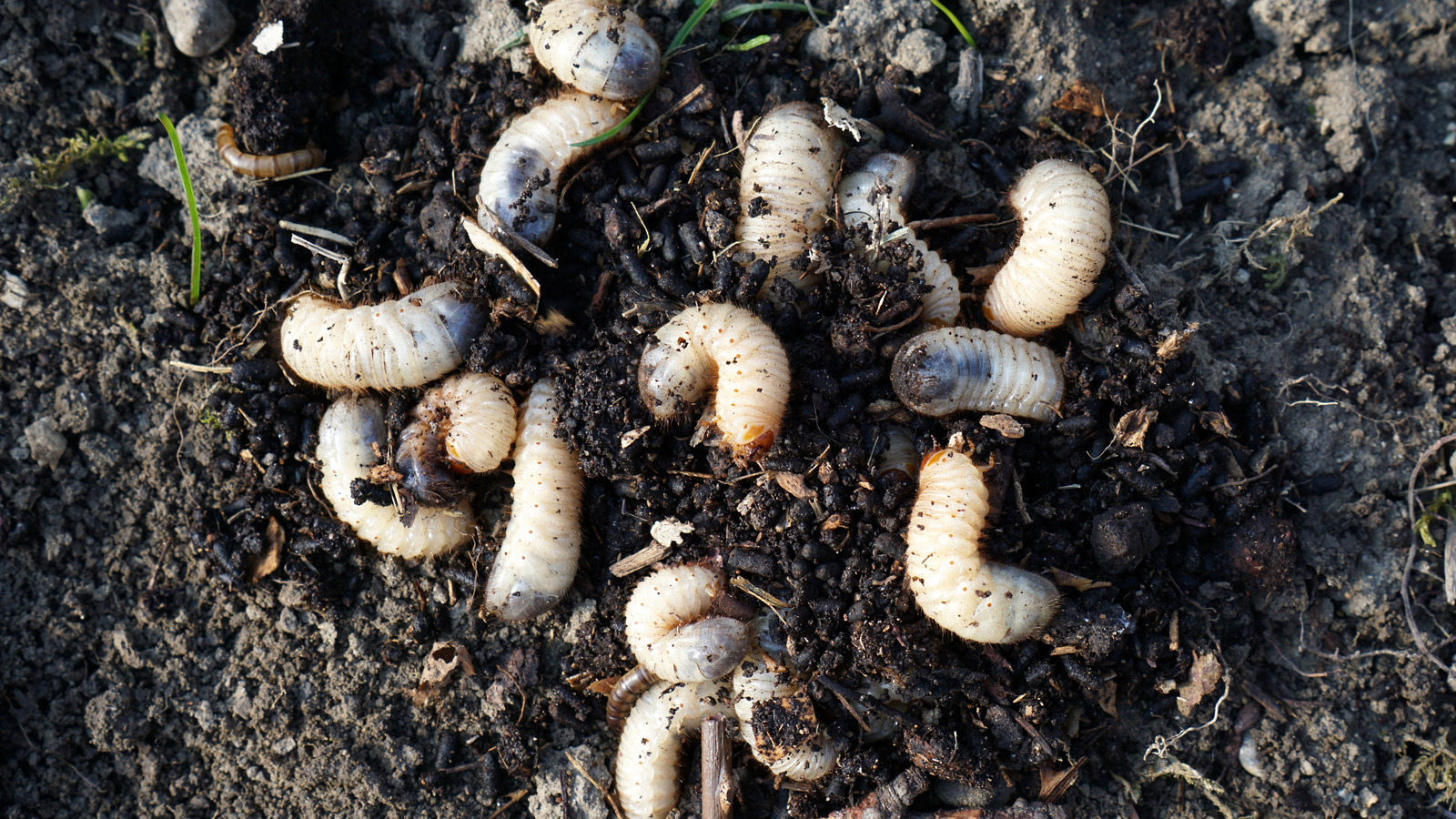
The presence of white worms in your flowers could be attributed to several factors, often highlighting a pest issue or a natural growth stage of certain insects. These larvae can be from different types of pests, such as caterpillars, maggots, or even certain types of beetles. Identifying the specific type of worm is crucial for an appropriate response. Here are some potential culprits:
1. Caterpillar Larvae: Many species of moths and butterflies lay eggs on plants. Once the eggs hatch, the caterpillars can be found feasting on the flower petals and leaves.
2. Larvae of Flies: Certain flies, particularly those in the family of houseflies or fruit flies, can also infest flowers, laying their eggs in the bloom.
3. Beetle Larvae: Some beetles produce larvae that might be whitish in color and can damage flowers as they feed.
Identifying the Pests
Identification is crucial in managing the problem. To effectively identify the white worms, consider the following:
- Observe the feeding habits on flowers.
- Look for adult insects nearby and match them with the larvae.
- Consult pest identification guides or local extension services for assistance.
Impact on Flowers
The presence of white worms can significantly impact the health of your plants. Here are the potential effects:
- Damage to flower petals leading to unsightly blooms.
- Weakening the overall health of the plant due to feeding.
- Increased vulnerability to diseases and other pests.
Control Methods
You can manage these pests effectively by using a variety of control methods. Consider the following approaches:
- Handpicking the worms off the plants if there are only a few.
- Applying insecticidal soap or neem oil for broader infestations.
- Encouraging beneficial insects that prey on these pests, like ladybugs.
Prevention Strategies
To prevent future infestations of white worms in flowers, implement these strategies:
- Regularly inspect your flowers for signs of pests.
- Remove debris around plants that can harbor eggs.
- Practice crop rotation and diversify your garden's plant species.
When to Seek Professional Help
In some cases, it may be necessary to consult a professional pest control service. Consider this option if:
- Infestations become too severe for you to manage.
- The type of worm is challenging to identify.
- Other plants in your garden show signs of damage.
Questions from Our Readers
What are the worms in my daylilies?
Worms that appear in daylilies can often be identified as larvae from various insects, such as cutworms or caterpillars. These pests can feed on the foliage and roots of the plants, causing damage and reducing their overall health.
How do I identify the type of worms in my daylilies?
To accurately identify the type of worms infesting your daylilies, examine the size, color, and feeding patterns of the worms, as different species exhibit unique characteristics. You can also compare your observations with online resources or consult a local gardening expert.
See also:
What damage can worms cause to daylilies?
Worms can cause significant damage to daylilies by chewing on leaves, which may result in stunted growth, discolored foliage, and even plant death if the infestation is severe. Healthy daylilies are often more resilient, but early intervention is crucial to prevent extensive damage.
How can I get rid of worms in my daylilies?
To effectively remove worms from your daylilies, consider using insecticidal soaps, organic pesticides, or introducing beneficial insects that prey on these pests. Regularly inspecting your plants and maintaining their health can also aid in preventing future infestations.
https://youtube.com/watch?v=64uUgeF6m10
If you want to read more articles like What are the worms in my daylilies? A Comprehensive Guide to Identification and Solutions, we recommend you check out our Daylily category.
Leave a Reply
Related Articles