How Far Apart Do You Plant Daylilies? A Complete Guide for Optimal Spacing

When it comes to planting daylilies, achieving the right spacing is crucial for their healthy growth and vibrant blooms. These perennials are beloved for their resilience and beauty, but optimal spacing can make all the difference in their overall performance. In this complete guide, we will explore the best practices for spacing daylilies, taking into account their mature size, growth habits, and the design of your garden. Whether you are a seasoned gardener or a beginner, understanding how far apart to plant daylilies will help ensure a stunning display in your landscape for years to come.
How Far Apart Should You Plant Daylilies?
When planting daylilies, it is generally recommended to space them about 18 to 24 inches apart, depending on the specific variety and your desired landscape aesthetics. This spacing allows each plant to have sufficient airflow, promotes optimal growth, and encourages healthy blooming, as well as reducing competition for nutrients and water. If you're planting larger varieties, consider placing them at the larger end of this range to ensure they have enough room to thrive and develop their full potential.
Why Proper Spacing is Important
Proper spacing is crucial for daylilies as it ensures that each plant receives adequate sunlight and airflow, which can help prevent diseases. When plants are too close together, they can shade one another, leading to poor growth and reduced flowering. Additionally, overcrowding can create a humid environment that is ideal for fungal infections, which can adversely affect the plants’ health.
Factors Influencing Planting Distance
Several factors can influence how far apart you should plant your daylilies, including the cultivar's size, growth habit, and the overall design of your garden. Large, sprawling varieties may require more space between plants compared to smaller, compact types. Furthermore, the local climate and soil conditions also play a role; areas with high humidity may benefit from more spacing to enhance airflow.
Recommended Spacing for Various Daylily Varieties
Different daylily varieties come in various sizes, and the recommended spacing may vary accordingly. For instance, tall varieties such as 'Stafford' or 'Parker's Attention' should be spaced closer to 24 inches apart, while shorter varieties like 'Little Business' can be placed about 12 to 18 inches apart. Understanding the specific needs of your chosen variety will help in achieving an attractive and healthy garden display.
How to Measure Distance When Planting
When planting daylilies, measuring the distance accurately is essential for proper spacing. You can use a measuring tape or a garden hoe to help maintain uniform distance. Start by marking the spots with stakes or small flags to visualize where each plant will go. It's ideal to plant in a straight line or in staggered rows to create a more natural appearance while ensuring that your spacing remains consistent.
Impact of Soil Quality on Plant Spacing
The quality of the soil can also influence how far apart you should plant daylilies. In nutrient-rich soil, the plants may thrive even when spaced closer together, while poorer soil may necessitate wider spacing to ensure that each plant has enough access to nutrients. Conducting a soil test prior to planting can provide insights into its quality, helping you make informed decisions on spacing.
| Daylily Variety | Recommended Spacing |
|---|---|
| Tall Varieties | 24 inches |
| Medium Varieties | 18 inches |
| Short Varieties | 12-18 inches |
Do daylilies like to be crowded?
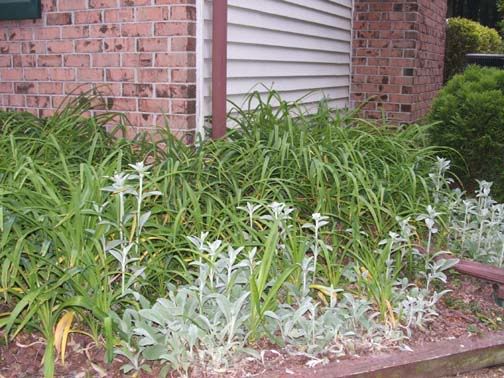
Daylilies, scientifically known as Hemerocallis, are perennials that exhibit incredible adaptability and resilience when it comes to growing conditions. However, the question of whether daylilies like to be crowded is essential for maintaining their overall health and productivity.
Daylilies do not necessarily thrive in crowded conditions. Although they can tolerate some degree of competition among neighboring plants, excessive crowding can lead to several adverse effects. These can include diminished blooming, competition for nutrients, and increased susceptibility to diseases. Proper spacing allows daylilies to develop their root systems effectively, access sufficient sunlight, and perform optimally.
Factors Affecting Daylily Growth
Daylilies are influenced by a variety of factors that can affect their growth when crowded. It is essential to understand these to optimize their cultivation.
- Soil Quality: Nutrient-rich soil allows daylilies to thrive, but crowding may limit each plant's access to essential nutrients.
- Water Availability: Plants in crowded areas may compete for water, leading to stress and reduced growth.
- Sunlight Exposure: Daylilies require adequate sunlight for photosynthesis; overcrowding can result in shading that inhibits their growth.
Signs of Crowded Daylilies
Recognizing when daylilies are overcrowded is vital for their care. Specific signs can indicate that the plants need more space.
- Reduced Blooming: A decrease in the number of flowers is one of the first signs that daylilies are crowded.
- Thin Foliage: When daylilies grow too close together, their leaves may appear spindly and unhealthy.
- Wilting or Yellowing Leaves: These symptoms can indicate stress from competition with other plants in a crowded space.
Optimal Spacing for Daylilies
To ensure that daylilies grow robustly, it's critical to consider their optimal spacing requirements when planting.
See also:
- General Spacing Guidelines: A recommended spacing of 18 to 24 inches is advisable for most daylily varieties.
- Consider Plant Size: Larger daylily varieties may require more space than smaller ones.
- Future Growth: Planting with enough space allows for expansion and prevents overcrowding as they multiply over the years.
Benefits of Proper Planting Density
Maintaining an appropriate distance between daylilies can yield numerous benefits, enhancing their overall health and performance.
- Improved Air Circulation: Sufficient spacing promotes better airflow, reducing the risk of fungal diseases.
- Enhanced Nutrient Access: Each plant can draw nutrients from the soil without heavy competition.
- Greater Aesthetic Appeal: Properly spaced daylilies offer a more attractive and visually pleasing garden appearance.
When to Divide Crowded Daylilies
Dividing crowded daylilies is an essential practice to rejuvenate their growth and maintain garden aesthetics.
- Timing: The best time to divide daylilies is typically in early spring or late summer after blooming.
- Method: Carefully dig up the root clumps and separate them, ensuring healthy segments have roots.
- Replanting: Make sure to space them adequately when replanting to avoid future crowding issues.
How close can daylilies be planted together?
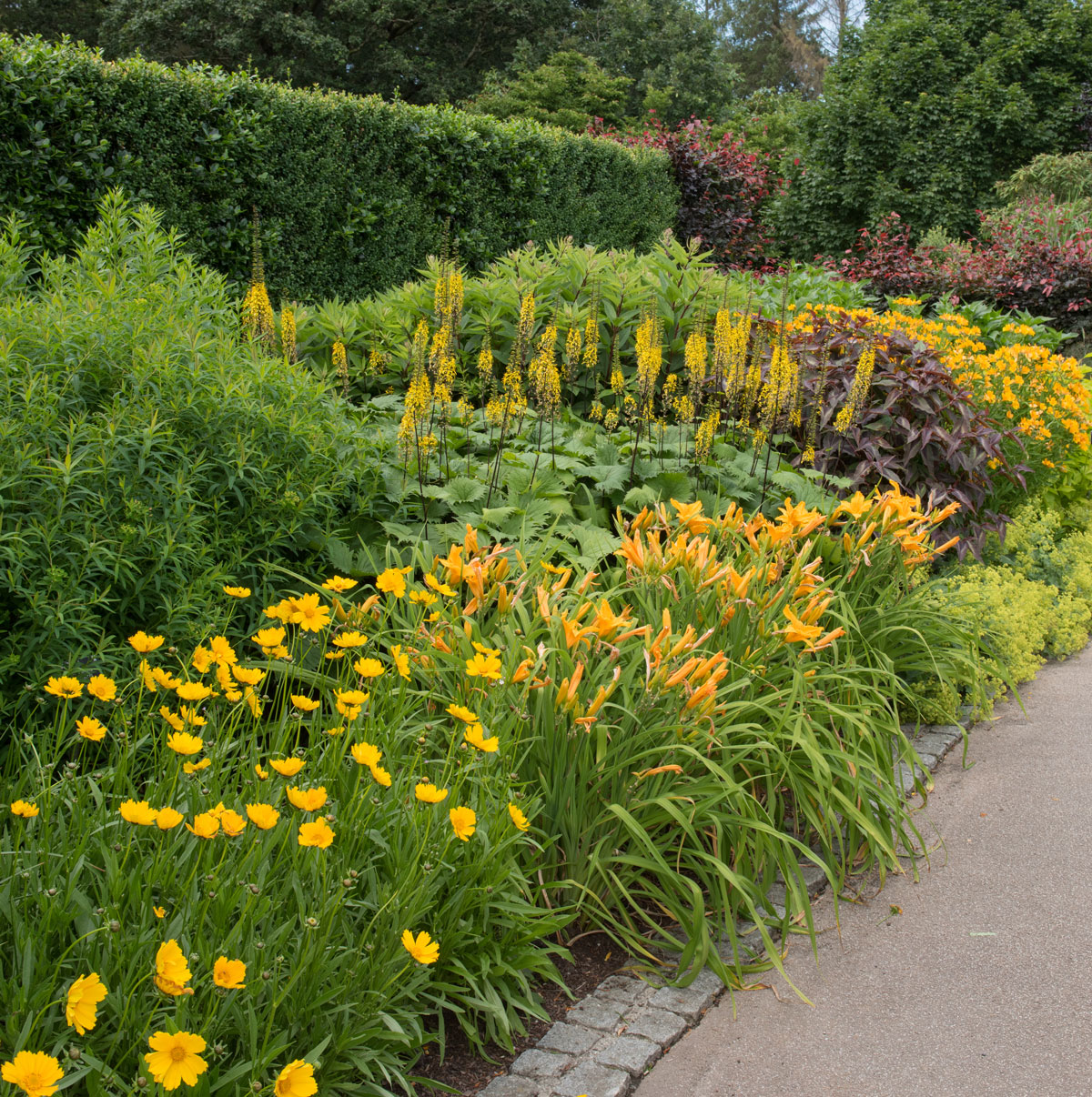
When planting daylilies, it's essential to consider their spacing for optimal growth and health. Generally, daylilies can be planted about 18 to 24 inches apart. This spacing allows sufficient room for their roots to expand and ensures good air circulation around the plants. Crowding daylilies can lead to increased competition for nutrients and water, and can also promote fungal diseases due to poor air movement.
Benefits of Proper Spacing
Proper spacing when planting daylilies brings several benefits that contribute to their overall health and aesthetics.
- Aeration: Adequate space helps prevent overcrowding, which allows better airflow and reduces the risk of disease.
- Nutrient Uptake: Each plant can access nutrients more effectively when not competing with its neighbors.
- Visual Appeal: Proper spacing enhances the beauty of your garden, allowing each daylily to showcase its blooms without being hidden.
Factors Influencing Planting Distance
Various factors can influence the distance at which daylilies should be planted. Consider the following:
- Variety of Daylilies: Different varieties may have varying growth habits; larger varieties might need more space than smaller ones.
- Soil Quality: Rich, well-draining soil can support closer planting than poorer soil types.
- Climate: Warmer climates may push plants to grow more vigorously, necessitating more space to prevent overcrowding.
Planting Techniques
Employing effective planting techniques can help maximize the health of your daylilies, regardless of spacing.
- Digging Appropriate Holes: Ensure holes are wide and deep enough to accommodate the root systems comfortably.
- Amending Soil: Adding compost or well-rotted manure can improve soil quality and support better plant growth.
- Watering Properly: After planting, provide adequate water to settle the soil and help establish the plants without making them waterlogged.
Signs of Overcrowding
Recognizing the signs of overcrowding is essential for maintaining healthy daylilies. Common symptoms include:
- Stunted Growth: Plants may not grow to their full potential due to lack of space and resources.
- Poor Flowering: An overcrowded bed often results in fewer blooms and smaller flowers.
- Increased Disease Incidence: Poor air circulation can lead to a higher likelihood of fungal and bacterial infections.
Maintenance After Planting
Post-planting maintenance is crucial to ensure the longevity and health of your daylilies. Consider these aspects:
- Regular Watering: Ensure daylilies receive consistent moisture, especially during dry spells.
- Fertilizing Annually: Use a balanced fertilizer to support growth, especially in the early spring.
- Dividing Every Few Years: To prevent overcrowding, divide daylilies every 3 to 5 years, replanting them at the recommended distance.
Where is the best place to plant daylilies?
The best place to plant daylilies is in an area that provides them with optimal growing conditions. Daylilies (Hemerocallis spp.) are resilient and adaptable plants, but they thrive best in specific environments. Here are several important factors to consider:
Sunlight Requirements
Daylilies flourish in areas with full sun to partial shade. It is ideal for them to receive at least 6 hours of direct sunlight each day.
- Full Sun: Daylilies will produce the most blooms when they receive full sun exposure.
- Partial Shade: While they can tolerate some shade, blooming may decrease significantly in heavily shaded areas.
- Site Selection: Choose an area that can maintain sunlight throughout different seasons.
Soil Conditions
The soil where daylilies are planted should be well-draining and rich in organic matter. They prefer slightly acidic to neutral soil pH levels around 6.0 to 6.8.
See also:
- Soil Texture: Loamy or sandy soils are ideal, as they offer good drainage and moisture retention.
- Amendments: Incorporate compost or well-rotted manure to improve soil fertility and structure.
- Soil Testing: Conduct a soil test to determine pH and nutrient levels before planting.
Space Considerations
When planting daylilies, proper spacing is crucial for their growth. They can become overcrowded if planted too close together.
- Spacing Guidelines: It’s recommended to space plants at least 18 to 24 inches apart to allow for their growth.
- Bed Design: Create planting beds that provide enough room for air circulation and light access.
- Companion Planting: Consider the arrangement of other plants to enhance daylily growth and appearance.
Protection from Wind and Pests
Choosing a location that offers some protection from strong winds and pests can significantly impact the success of your daylilies.
- Windbreaks: Planting daylilies near structures or taller plants can provide protection from harsh winds.
- Pest Management: Monitor for pests like aphids and slugs that may damage the foliage and blooms.
- Mulching: Use mulch to help suppress weeds and retain moisture, making plants less susceptible to pests.
Climate Considerations
Understanding the local climate is essential when selecting the best place for daylilies. They are hardy in various conditions.
- USDA Zones: Most daylily varieties thrive in USDA Hardiness Zones 3 to 9.
- Temperature Tolerance: They can withstand cold winters and hot summers, but extreme temperatures can affect growth.
- Watering Needs: Ensure proper watering practices to overcome dry spells, especially in warmer climates.
Do daylilies spread or multiply?
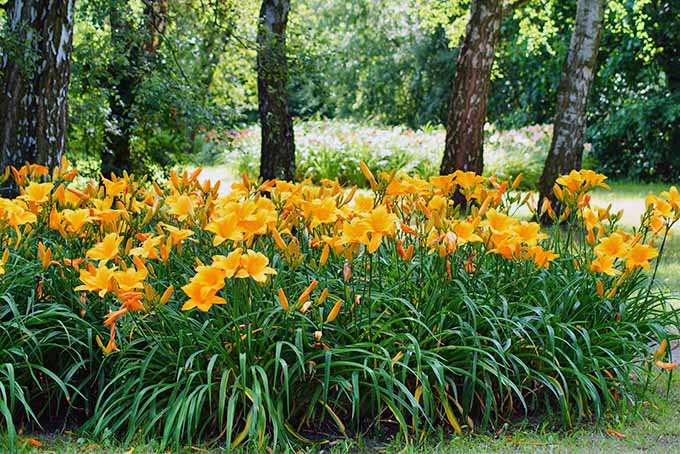
Daylilies, scientifically known as Hemerocallis, are well-known for their vibrant blooms and adaptability in various garden settings. They are a popular choice among gardeners not only for their beauty but also for their ability to multiply and spread over time. This characteristic makes them an excellent option for ground cover and naturalizing in landscapes.
There are primarily two ways in which daylilies can spread or multiply: through clumping and division, as well as by producing seed pods.
Methods of Multiplication
Daylilies multiply mainly through two methods:
- Clump Division: Over time, daylilies form dense clumps as new growth emerges from their roots.
- Seed Production: Daylilies can also produce seeds in pods after flowering, although this process is less common in cultivated varieties.
Clumping Behavior
Daylilies exhibit a natural tendency to form clumps as they grow. This clumping behavior can result in:
- Increased Density: As the plant matures, it generates more foliage and blooms, making the clump denser.
- Enhanced Appearance: Established clumps create a robust visual impact in gardens, enhancing overall beauty.
- Adaptation: Clumps adapt to their environment, spreading naturally if conditions are favorable.
Importance of Division
Dividing daylilies is crucial for maintaining their health and vigor. This process involves:
- Preventing Overcrowding: Regular division helps prevent the plants from becoming too crowded within their clump.
- Promoting Growth: Division encourages renewed growth and enhances blooming by giving roots more space.
- Extending Lifespan: A proper division process can extend the lifespan of daylilies in your garden.
Seed Viability
While daylilies can reproduce via seeds, this method is not as commonly utilized in gardening. Here are some points to consider:
- Pollination: Daylilies require pollination for their blooms to develop into seed pods, which can be facilitated by insects.
- Genetic Variability: Seed-grown daylilies may show variability in their characteristics compared to the parent plant.
- Time Consuming: Growing new plants from seeds takes longer than dividing established clumps.
Choosing the Right Method
To effectively manage daylilies in your garden, consider the following approaches:
- Assessing Growth Conditions: Examine the space available and the growth conditions before choosing multiplication methods.
- Personal Preference: Some gardeners prefer the ease of division, while others enjoy growing new plants from seeds.
- Timing: Plan the timing for division or seed planting carefully, typically done in early spring or fall.
Questions from Our Readers
How far apart should I plant daylilies?
Plant daylilies 12 to 18 inches apart to allow for proper growth and air circulation. This spacing helps prevent overcrowding and promotes healthier plants, ensuring that each daylily has enough room to flourish.
Can I plant daylilies closer than 12 inches?
While it is possible to plant daylilies closer than 12 inches, it is not recommended. Doing so can lead to crowding and competition for nutrients, which may result in stunted growth and fewer blooms.
See also:
What happens if I plant daylilies too far apart?
If daylilies are planted too far apart, they may not create the desired visual impact in your garden. Additionally, weeds can become a problem in the gaps, and the plants may take longer to establish a more substantial presence in the landscape.
Can I adjust the spacing for different daylily varieties?
Yes, spacing can vary based on the specific daylily variety. Some varieties may require more space due to their size, while others can thrive with less. Always check the growth habits and recommendations for the specific daylily you are planting.

If you want to read more articles like How Far Apart Do You Plant Daylilies? A Complete Guide for Optimal Spacing, we recommend you check out our Daylily category.
Leave a Reply
Related Articles