How to Keep Daylilies Blooming All Season? Essential Tips for a Vibrant Garden

Daylilies are a popular choice for garden enthusiasts, thanks to their vibrant blooms and low-maintenance nature. However, keeping these beautiful flowers blooming throughout the season requires some essential care tips and techniques. In this article, we will explore effective strategies to ensure your daylilies thrive and produce an abundance of stunning flowers. From proper planting techniques and soil requirements to watering schedules and fertilization, you'll discover everything you need to know to maintain a vibrant daylily display. Join us as we delve into the best practices for cultivating these resilient perennials and enhancing the beauty of your garden all summer long.
How to Keep Daylilies Blooming All Season
To keep your daylilies blooming throughout the entire season, it's essential to provide them with the right care and conditions. Start by ensuring they receive adequate sunlight, as daylilies flourish in full sun; aim for at least 6 hours of direct sunlight daily. Additionally, maintain consistent moisture by watering them regularly, particularly during dry spells, while avoiding waterlogging the soil. Regular fertilization with a balanced fertilizer can promote healthy growth and prolong blooming. It's also important to deadhead the spent flowers to encourage new bloom production. Finally, make sure to provide adequate spacing between plants to allow for good air circulation, reducing the risk of diseases that could hinder growth and flowering.
Choosing the Right Location
Choosing the right location for your daylilies is crucial for optimal blooming. They thrive in areas where they can access full sun, typically 6-8 hours of sunlight per day. Planting them in a spot protected from strong winds can also help, as it allows the blooms to last longer. Ensure that the soil drains well, as daylilies do not thrive in waterlogged ground. A slightly raised bed can enhance drainage and provide better growing conditions.
Watering Techniques
Proper watering techniques are vital for healthy daylilies. These plants prefer consistently moist soil but cannot tolerate standing water. It's recommended to water deeply, about 1 inch per week, especially during dry spells, allowing the soil to partially dry out between waterings. Using a soaker hose or drip irrigation system can be beneficial, as it delivers moisture directly to the roots without wetting the foliage, reducing the risk of diseases.
Fertilizing for Bloom Optimization
To promote abundant blooms, apply a balanced fertilizer specifically formulated for flowering plants. Fertilizing should be done in early spring when new growth begins, and again mid-season as the blooms start to fade. A product with a higher phosphorus content (the middle number in the N-P-K ratio) will encourage blooming. Always follow the manufacturer's recommendations for application rates and methods to avoid over-fertilization, which can harm your plants.
Deadheading for Continuous Blooms
Deadheading is the process of removing spent flowers, which encourages daylilies to produce more blooms. By cutting off the faded flowers at the base of the stalk, you are preventing the plant from expending energy on seed production and instead allowing it to focus on generating new flowers. This simple practice can significantly extend the blooming period and keep your garden looking vibrant.
Ensuring Air Circulation
To maintain healthy daylilies, it is essential to ensure adequate air circulation around the plants. Proper spacing allows for airflow, which helps to prevent fungal diseases and promotes overall plant health. A distance of 18 to 24 inches between each plant is ideal to ensure they have enough space to grow while minimizing overcrowding. This will not only support the vigor of the plant but will also contribute to better blooming performance.
| Tip | Details |
|---|---|
| Sunlight | Ensure 6-8 hours of direct sunlight daily. |
| Watering | Water deeply; about 1 inch per week. |
| Fertilizing | Use balanced fertilizer; apply in spring and mid-season. |
| Deadheading | Remove spent flowers to promote new blooms. |
| Spacing | Space plants 18-24 inches apart for good air circulation. |
How do you get reblooming daylilies to rebloom?
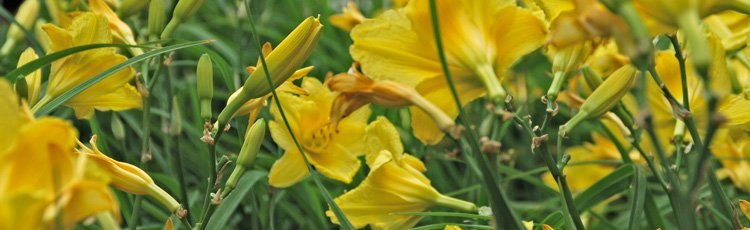

To encourage reblooming daylilies to produce more flowers, gardeners can adopt various practices that enhance their health and blooming capacity. Here are some effective ways to achieve this:
Understanding Reblooming Daylilies
Reblooming daylilies are hybrid varieties that have been cultivated to produce multiple blooms throughout the growing season. Understanding their growth cycle is essential for promoting reblooming. These plants generally flower during the summer and can rebloom if the conditions are optimal.
- Know the specific variety: Different reblooming daylilies may have varying blooming periods and care requirements.
- Monitor bloom cycles: Be aware of when the initial blooms occur to time care practices effectively.
- Study foliage development: The health of the leaves is crucial as they feed the plant and support reblooming.
Optimal Planting Conditions
Creating optimal planting conditions is vital for maximizing blooms. Daylilies thrive in well-drained soil and areas that receive adequate sunlight.
- Soil quality: Plant daylilies in fertile, well-draining soil enriched with organic matter.
- Sunlight: Ensure they receive at least 6 hours of direct sunlight daily for vigorous growth.
- Space: Provide adequate spacing between plants to prevent competition for nutrients and light.
Watering Techniques
Proper watering is crucial for encouraging reblooming. Daylilies require consistent moisture but are susceptible to rot if overwatered.
- Deep watering: Water deeply and less frequently to encourage root growth and stability.
- Avoid overhead watering: Water at the base to reduce the risk of fungal diseases.
- Check soil moisture: Ensure the soil is moist but not soggy, adjusting watering accordingly.
Fertilization Practices
Applying the right type of fertilizer can significantly boost the blooms of reblooming daylilies. Fertilization supports plant health and flowering.
- Type of fertilizer: Use a balanced fertilizer (such as 10-10-10) in early spring and after the first bloom cycle.
- Follow dosage instructions: Avoid over-fertilization which can lead to lush foliage at the cost of blooms.
- Organic options: Consider using compost or organic fertilizers to promote soil health over time.
Deadheading and Pruning
Regular deadheading and pruning can encourage daylilies to focus energy on producing new blooms rather than maintaining old flowers.
- Remove spent flowers: Trim off faded blooms to redirect energy towards new growth.
- Cut back foliage: In late fall, cut back yellowing leaves to improve air circulation and health.
- Manage overcrowding: Thin out crowded plants to promote better light penetration and airflow.
How do you keep lilies blooming all summer?

To keep lilies blooming all summer, it is essential to create the right growing conditions and provide ongoing care. Here are several key strategies:
See also:
Soil Preparation
To ensure that your lilies thrive, start with well-draining soil. Lilies prefer a slightly acidic to neutral pH level, ideally between 6.0 and 7.0. Here’s how to prepare the soil:
- Test the soil to determine its pH and nutrient levels.
- Amend the soil with compost or leaf mold to enhance its organic matter.
- Incorporate sand or perlite if your soil retains too much moisture.
Watering Techniques
Proper watering is crucial for keeping lilies healthy and blooming throughout the summer. Lilies require consistent moisture but dislike soggy conditions. Follow these tips:
- Water deeply and less frequently to encourage deep root growth.
- Water early in the morning to prevent evaporation and fungal diseases.
- Avoid wetting the foliage, as this can lead to rot and other issues.
Fertilization
To support continuous blooming, feeding your lilies is key. Here’s what you should consider for fertilization:
- Use a balanced fertilizer every 4-6 weeks during the growing season.
- Opt for slow-release fertilizers to provide nutrients over time.
- Apply fertilizer in early spring as new growth appears and again mid-summer.
Pest and Disease Management
Keeping lilies free from pests and diseases is important for maintaining their blooming potential. Here’s how to manage these threats:
- Inspect your plants regularly for signs of aphids, lily beetles, and snails.
- Remove affected leaves and dispose of them properly to prevent spreading.
- Use organic pesticides, if necessary, to control infestations.
Timing and Pruning
Finally, proper timing and pruning will enhance the blooms and lifetime of your lilies. Here are some guidelines:
- Remove spent flowers to prevent the plant from focusing energy on seed production.
- Prune foliage back in the fall, but wait until it turns yellow to allow nutrient absorption.
- Consider deadheading to encourage additional flowers and extend the blooming period.
Questions from Our Readers
How often should I water daylilies to keep them blooming?
To ensure daylilies stay blooming, you should water them regularly, especially during dry spells. They typically need about 1 inch of water per week, either from rain or supplemental irrigation. Consistent moisture helps support strong growth and abundant flowering, but be careful not to overwater as this can lead to rot.
What type of fertilizer is best for daylilies?
Using a balanced fertilizer or one with a slightly higher phosphorus content can promote better blooming in daylilies. A slow-release formula applied in early spring is ideal. This encourages robust root development and enhances flower production throughout the growing season.
Should I deadhead daylilies to encourage more blooms?
Yes, deadheading is recommended to encourage more blooms on daylilies. By removing spent flowers, you can prevent the plant from focusing energy on seed production, allowing it to direct resources towards producing additional flowers, thereby extending the blooming period.
See also:
What is the best time to divide daylilies for increased blooms?
The best time to divide daylilies is in early spring or after flowering has finished. Dividing them every 3 to 4 years not only helps manage their size but also rejuvenates the plants, leading to healthier growth and more plentiful blooms in the following season.

If you want to read more articles like How to Keep Daylilies Blooming All Season? Essential Tips for a Vibrant Garden, we recommend you check out our Daylily category.
Leave a Reply
Related Articles