How Do You Get Daylilies to Multiply? Essential Tips for a Thriving Garden

Daylilies are beloved in gardens for their vibrant colors and resilience, making them a favorite among gardeners. However, maximizing their aesthetic appeal involves understanding how to encourage their multiplication effectively. In this article, we will explore essential tips for promoting the growth of daylilies, covering optimal planting techniques, soil conditions, and maintenance practices. Whether you’re looking to create a lush flower bed or expand your collection, these strategies will ensure your daylilies thrive and flourish. Join us as we delve into the best methods to multiply these stunning perennials and transform your garden into a breathtaking display of color.
How to Encourage Daylilies to Multiply
To successfully get daylilies to multiply, the most effective method is through division. This process involves lifting the entire clump of established daylilies from the ground, usually during the early spring or late summer when the plants are actively growing. After gently separating the roots, each section should have at least a couple of crowns (the part of the plant where leaves and roots meet) to ensure healthy re-establishment. The divided plants should be replanted at the same depth they were previously growing and given adequate water and attention to encourage rapid establishment and growth, ultimately leading to more robust multiplication in the following years.
Understanding the Life Cycle of Daylilies
The life cycle of daylilies encompasses a dormancy period, followed by active growth in the spring and blooming in summer. Understanding this cycle is crucial as it directly influences the best time for division and propagation, ensuring that the plants are healthy and vigorous enough to handle the stress of being separated and replanted.
When to Divide Daylilies
The optimal time to divide daylilies is either in early spring just as the new growth begins, or in late summer after the blooms have faded. Dividing them during these periods allows the plants to recover quickly and establish themselves before the onset of dormancy in fall, enhancing the likelihood of successful multiplication.
Preparing Soil for Replanting Daylilies
For daylilies to thrive after being divided, they require well-drained, fertile soil. Before replanting, amend the soil with organic matter such as compost or well-rotted manure to improve drainage and nutrient levels. This preparation is essential for accommodating the newly divided plants, as healthy soil will promote robust growth and proliferation.
Watering and Care Post-Division
After dividing and replanting daylilies, providing proper watering is crucial for their survival and subsequent multiplication. Adequate watering should be maintained during the first few weeks until the plants establish roots in their new environment. A consistent moisture level, without waterlogging the soil, will ensure that the plants receive the hydration necessary for growth.
Pest and Disease Management
To foster the multiplication of daylilies, it is essential to monitor for pests and diseases that can impede their growth. Common issues include aphids, spider mites, and diseases like crown rot. Implementing a routine inspection and employing organic pesticides or cultural practices can help in maintaining healthy plants and thus facilitate their ability to multiply effectively.
| Aspect | Detail |
|---|---|
| Division Timing | Early spring or late summer |
| Soil Preparation | Well-drained, fertile, amend with organic matter |
| Watering | Consistent moisture without waterlogging |
| Pest Management | Routine inspection and organic controls |
How to make daylilies multiply?

To make daylilies multiply effectively, the most common method is through division. Daylilies are hardy perennials that thrive in various conditions, and they can be propagated easily by separating their clumps. Here is a detailed guide on how to do this:
Understanding When to Divide Daylilies
The best time to divide daylilies is during either spring or fall. This timing allows the plants to establish roots before the temperature extremes of summer or winter. Signs that your daylilies need division include:
See also:
- Decreased Blooming: Fewer flowers may indicate crowded roots.
- Overcrowding: If plants are too close together, they may compete for nutrients.
- Lack of Vigor: A healthy clump should appear vibrant and well-maintained.
Preparing to Divide Daylilies
Before starting the division process, ensure you have the right tools and plan. This preparation helps minimize stress on the plants:
- Gathering Tools: A sharp spade or garden fork, and gloves will be necessary.
- Selecting a Suitable Day: Choose a cloudy day or early morning to perform the division.
- Watering Beforehand: Water the plants a day before to make lifting easier.
How to Divide Daylilies
The actual division process is straightforward, but it requires care to ensure the health of the plants. Follow these steps:
- Digging Up the Clump: Use your spade to carefully dig around the daylily clump.
- Separating the Roots: Gently pull apart the roots with your hands or use a garden fork.
- Trimming and Replanting: Cut back any damaged roots and replant each division promptly.
Caring for Divided Daylilies
Post-division care is crucial for the survival and growth of the newly planted daylilies. Here are the best practices:
- Watering: Keep the soil consistently moist but not soggy for the first few weeks.
- Mulching: Apply a layer of mulch to retain moisture and suppress weeds.
- Fertilizing: Use a balanced fertilizer to encourage healthy growth during the growing season.
Encouraging Natural Spread
In addition to active division, daylilies can also spread naturally via seed production and offsets. Here’s how to promote this:
- Allowing Seed Pods: Let some flowers go to seed for natural propagation.
- Offset Growth: Monitor and provide space for offsets, which are new shoots emerging from the base.
- Minimizing Disturbance: Avoid excessive weeding around clumps to help them spread.
What time of year should you divide daylilies?
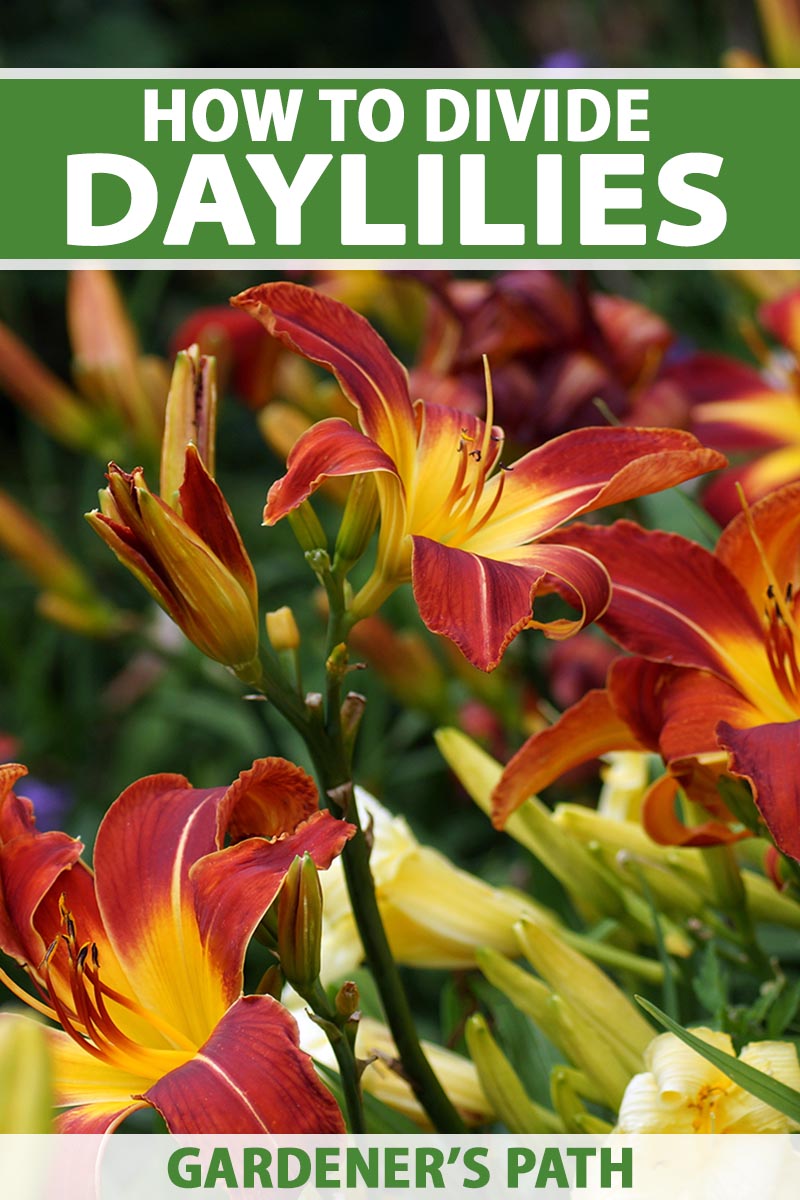
The best time of year to divide daylilies is in the late summer to early fall, specifically from late August to early September. During this period, the plants are typically done with their blooming cycle and still have enough time to establish themselves before the winter frost sets in. Dividing daylilies at this time allows the roots to become well-established in their new locations, leading to healthier and more vigorous growth the following spring.
Understanding the Daylily Growth Cycle
Daylilies, known for their resilience and adaptability, have a growth cycle that impacts when they should be divided. Understanding this cycle is crucial for optimal health and blooming:
- Summer Blooming: Daylilies usually bloom in late spring to summer, with flower production peaking in June and July.
- Late Season Activity: By late August, their blooming has typically ended, and energy from the plant can be reallocated towards root development.
- Winter Preparation: Dividing during this period gives the roots ample time to settle before the onset of cold weather, which is vital for the plant's survival.
Signs That Daylilies Need Dividing
Recognizing when daylilies need to be divided is essential to maintain their health and productivity. Some clear signs include:
- Overcrowding: If the daylilies are becoming crowded and blooming less, it may be time to divide them to give each plant more space.
- Decreased Flowering: A noticeable drop in the number of flowers can signal that the plant is becoming root-bound.
- Leaf Density: If the foliage is dense with fewer flowers, this can indicate a need for division to improve air circulation and sunlight penetration.
Steps for Dividing Daylilies
Following proper steps during division can ensure that daylilies thrive in their new spots. Here’s how to do it:
- Timing: Choose a clear day around late summer or early fall when the weather is cooler.
- Digging Up: Use a spade to carefully dig around the plant to minimize root damage, loosening the soil first.
- Divide: Cut the crown into sections with a sharp knife, ensuring each section has both roots and foliage.
Post-Division Care
After dividing daylilies, proper care is necessary to help them adjust. Consider the following:
See also:
- Replant Promptly: Replant the divisions immediately to prevent the roots from drying out.
- Watering: Water thoroughly after planting to ensure good soil contact and to help the roots settle in.
- Mulching: Apply a thin layer of mulch to retain moisture and protect the roots from temperature fluctuations.
Benefits of Dividing Daylilies Regularly
Regularly dividing daylilies can result in several benefits that enhance garden aesthetics and plant health:
- Healthier Growth: Dividing prevents overcrowding, allowing each plant to thrive and produce more blooms.
- Improved Airflow: Increased spacing improves airflow, reducing the risk of diseases and pests.
- Variety: Dividing allows gardeners to share plants with friends or replant in different areas, increasing garden diversity.
Can you grow a daylily from a cutting?

Growing a daylily from a cutting is not a typical method of propagation. Daylilies (Hemerocallis) are predominantly propagated through division of the root clumps. However, the possibility of growing them from cuttings does exist with certain techniques and considerations.
Understanding Daylily Cuttings
Daylily cuttings refer to sections of the plant that are taken and attempted to be rooted. Although traditional propagation methods involve dividing the plant, cuttings can sometimes succeed. Key elements to understand about daylily cuttings include:
- Type of Cutting: A cutting of a daylily should ideally include a part of the stem with leaves. Leaf cuttings alone are less likely to root.
- Timing: The best time to take cuttings is during the growing season, preferably in the spring or early summer when the plant is most vigorous.
- Moisture: Cuttings require consistent moisture but should not be overly saturated. A well-draining medium is critical.
Choosing the Right Technique
To improve the odds of success with daylily cuttings, employing proper techniques is essential. These methods can help stimulate root growth:
- Stem Cuttings: Take a healthy stem with at least two leaves, cutting it just below a node.
- Rooting Hormone: Using a rooting hormone can enhance the likelihood of root development from the cutting.
- Container and Medium: Place the cutting in a small pot with a well-draining mix, such as a combination of peat and perlite.
Care for Daylily Cuttings
Once the cuttings are prepared, appropriate care is vital for successful rooting. Consider these care tips:
- Humidity: Maintain humidity around the cuttings using a plastic bag or a humidity dome to keep moisture levels high.
- Light Exposure: Provide indirect sunlight to prevent scorching while still encouraging growth.
- Watering Schedule: Water lightly to keep the soil moist; too much water can lead to rot.
Transplanting Daylily Cuttings
After several weeks, the cuttings may develop roots. The next step is to transplant them carefully:
- Timing for Transplanting: Wait until the cutting has established a robust root system, usually about 4-6 weeks.
- Preparation of Bed: Select a garden bed with suitable soil, ensuring it has good drainage and ample sunlight.
- Planting Technique: Gently remove the cutting from its pot, handle it by its leaves to avoid damaging the roots, and plant it at the same depth it was in the pot.
Success Rate and Considerations
The success rate of growing daylilies from cuttings can vary due to several factors. Understanding these variables can help gardeners set realistic expectations:
- Genetic Variation: Plants propagated from cuttings may not exhibit the same traits as the parent plant.
- Stress Factors: Environmental stressors such as temperature fluctuations and pests can impact the rooting success.
- Alternative Methods: If cuttings fail, consider dividing existing clumps or acquiring additional plants from reputable nurseries.
Questions from Our Readers
How do you get daylilies to multiply?
Daylilies can multiply by division, which is typically done every three to four years. To do this, you should carefully dig up the entire clump of daylilies, separate the roots into smaller sections, and then replant them in prepared soil. This not only helps in multiplying the plants but also promotes better flowering.
When is the best time to divide daylilies?
The best time to divide daylilies is during the early spring or late summer when the plants are not in active bloom. Dividing at these times minimizes stress on the plant and allows for quicker establishment in the new location.
See also:
What conditions do daylilies need to thrive?
Daylilies thrive in full sun to partial shade, and require well-drained soil that is rich in organic matter. They are quite adaptable, but providing them with these conditions will ensure robust growth and prolific flower production.
How often should I water daylilies after planting?
After planting, daylilies should be watered regularly to keep the soil moist but not soggy. It is especially important to ensure consistent moisture during the first few weeks as they establish their root systems. Once established, daylilies are relatively drought-tolerant and require less frequent watering.

If you want to read more articles like How Do You Get Daylilies to Multiply? Essential Tips for a Thriving Garden, we recommend you check out our Daylily category.
Leave a Reply
Related Articles