What Do Overwatered Daylilies Look Like? Signs and Recovery Tips for Your Garden
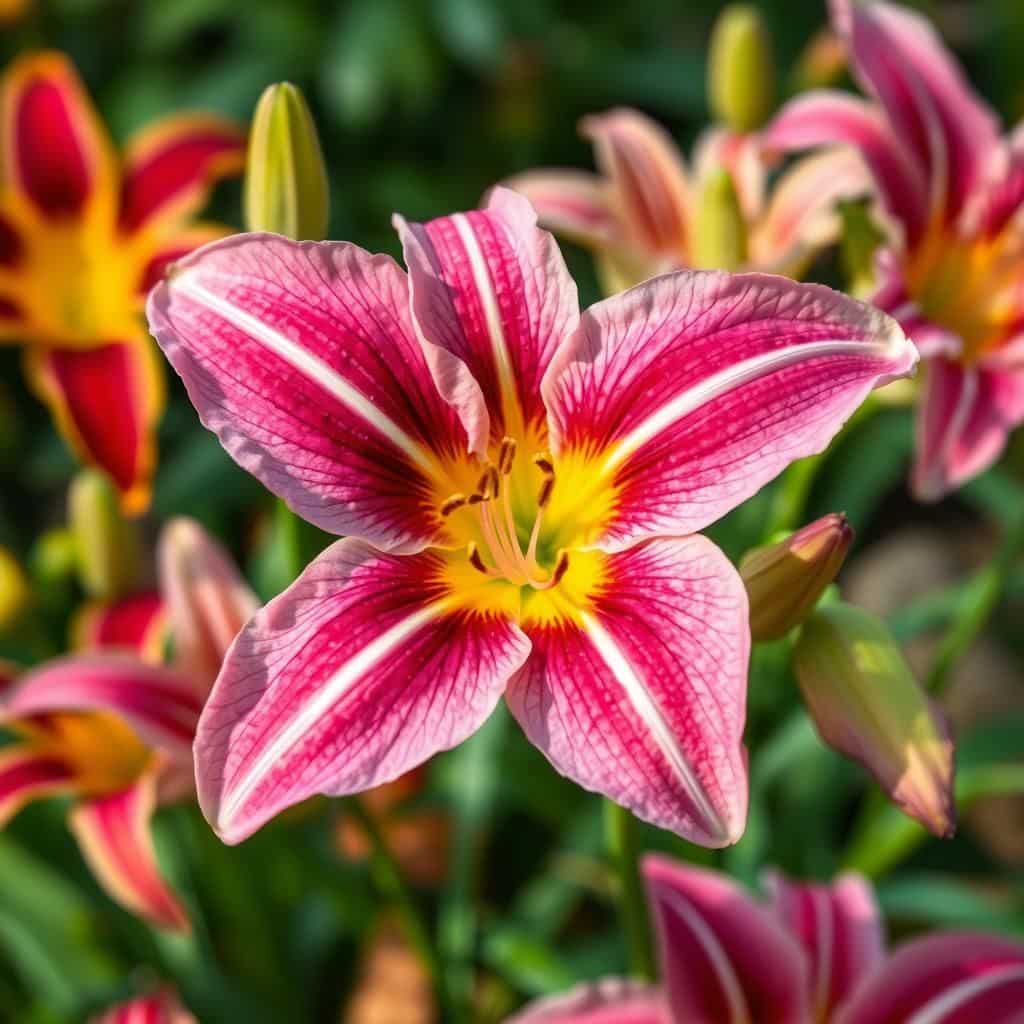
Overwatering can be detrimental to daylilies, causing a range of visual symptoms that signal distress in these beloved garden plants. Recognizing the signs of overwatered daylilies is crucial for any gardener looking to maintain a thriving landscape. From yellowing leaves to wilting blooms, understanding these indicators can help in diagnosing the problem early on. This article will explore the common signs of overwatered daylilies, offering practical tips for recovery and prevention. With the right knowledge and care, you can bring your daylilies back to health and ensure they continue to flourish in your garden.
What Are the Signs of Overwatered Daylilies?
Overwatered daylilies often exhibit a range of visual symptoms indicative of excess moisture. The most common signs include yellowing of the leaves, particularly at the tips, which can indicate root rot and poor nutrient uptake. The leaves may become soft or mushy, creating a wilted appearance despite abundant water. Additionally, you may observe stunted growth and a lack of blooming, as the roots struggle to thrive in saturated soil. In severe cases, dark brown or black spots may appear on the foliage, signaling fungal infections due to overly moist conditions.
Yellowing Leaves
One of the primary indicators of overwatered daylilies is the presence of yellowing leaves. This change in color often starts at the leaf tips and can propagate throughout the plant. The leaves lose their vibrant green hue due to stress on the roots, which struggle to absorb the essential nutrients they need. Instead of thriving, the plants' overall health declines, leading to a lack of vigor.
Soft or Mushy Leaves
When daylilies receive too much water, they may develop soft or mushy leaves. This happens as the plant's cells become saturated, leading to cellular breakdown. The leaves fail to stand firm and may droop or collapse entirely, making the plant look lifeless. This condition not only affects the plant's appearance but also compromises its ability to photosynthesize effectively.
Stunted Growth
Stunted growth is another characteristic of overwatered daylilies. When roots are constantly submerged in water, they may suffer from hypoxia, leading to inadequate oxygen levels. As a result, plants may grow smaller than usual, and new blooms may be delayed or absent altogether. This lack of growth indicates that the plant is struggling to adapt to its overly wet environment.
See also:
Dark Spots on Foliage
In some cases, daylilies may develop dark spots on their foliage, signifying potential issues with disease. Excessive moisture can foster the growth of fungal pathogens, leading to spots or lesions that could eventually kill the leaves. These dark areas typically signify decay and may warrant immediate intervention to prevent the spread of disease to other plants.
Root Rot
Root rot is a serious consequence of overwatering and often goes unnoticed until other symptoms appear. The roots will appear brown and mushy instead of healthy and white. If you gently remove the plant from the soil, you might find that the roots have lost their structure and are decomposing. This condition can ultimately lead to plant death if not corrected promptly, emphasizing the importance of proper watering practices.
| Symptoms | Implications |
|---|---|
| Yellowing Leaves | Indicates stress from poor nutrient absorption |
| Soft or Mushy Leaves | Indicates cellular breakdown due to saturation |
| Stunted Growth | Indicates root hypoxia and lack of oxygen |
| Dark Spots on Foliage | Indicates possible fungal infections |
| Root Rot | Indicates decay and ultimate plant decline |
Identifying Signs of Overwatered Daylilies
Overwatered daylilies typically exhibit several distressing signs that can help gardeners identify potential issues. Leaves may start to turn yellow and develop a mushy texture, while the plant overall may appear stunted or wilted, even though the soil is consistently moist. Additionally, you may notice root rot developing, characterized by a foul smell and darkened, slimy roots. If not addressed quickly, these symptoms can lead to the decline of your daylilies, making it critical to recognize and act on these indicators promptly.
Common Symptoms of Overwatering
Symptoms of overwatering in daylilies are primarily visual and can often be confused with nutrient deficiencies. The leaves may show signs of yellowing, which is a common indicator of excessive moisture, as well as curling or browning at the tips. In extreme cases, you might observe leaf drop or mold growth on the soil surface, suggesting that the plants are sitting in waterlogged conditions. Recognizing these symptoms early can help prevent further damage.
Understanding Soil Conditions
The right soil conditions play a crucial role in the health of your daylilies. Overwatering can lead to compacted soil, which hampers drainage and deprives the roots of essential oxygen. Soil that retains too much moisture will create an environment where harmful bacteria thrive, leading to root rot. Ensuring your soil has adequate drainage and aeration is vital for cultivating resilient daylilies.
See also:
Recovery Techniques for Overwatered Daylilies
If you suspect your daylilies are overwatered, implementing recovery techniques is essential for restoring their health. Start by carefully removing the plants from their current location to inspect the roots. Trim away any rotten or damaged roots before replanting in a well-draining soil mix. Adjust your watering habits to allow the soil to dry out between watering, ensuring the plants regain their health and strength over time.
Preventing Overwatering Issues
Preventing overwatering issues involves understanding the specific needs of daylilies. Utilize pots with drainage holes if you're planting in containers, and consider planting them in a raised bed or well-draining garden area. Monitoring the moisture levels of the soil regularly will aid in maintaining an optimal watering schedule, allowing you to keep your daylilies vibrant and healthy.
Signs of Root Damage from Overwatering
Root damage from overwatering is another critical aspect to monitor in daylilies. Affected roots will often appear black, soft, or mushy, indicating decay and insufficient oxygen supply. This can lead to further issues, including poor nutrient uptake and overall decline of the plant. Identifying root problems early and addressing them swiftly is vital to recuperate the plant's health.
Questions from Our Readers
What are the symptoms of overwatered daylilies?
Overwatered daylilies often exhibit yellowing leaves, which is one of the most common signs. The roots may become mushy due to excessive moisture, leading to root rot. Affected plants may also show stunted growth and a lack of blooming, as they struggle to uptake nutrients properly.
How can I tell if my daylilies are overwatered?
You can tell if your daylilies are overwatered by observing the soil moisture; if it is consistently soggy or feels overly damp, it may be too much water. Additionally, leaf discoloration, particularly yellow or brown tips, and the presence of mold or fungus on the soil surface can indicate excessive watering.
See also:
What should I do if my daylilies are overwatered?
If your daylilies are overwatered, the first step is to reduce watering immediately, allowing the soil to drain and dry out. You may also consider gently removing the plant from its pot to check the roots; if they are dark and soft, you should trim the damaged parts and repot in fresh, well-draining soil.
Can overwatering daylilies be reversed?
Yes, overwatering daylilies can be reversed if caught early. By adjusting the watering schedule and improving drainage conditions—such as amending the soil or using pots with drainage holes—you can help revive the plant. Ensuring they get adequate sunlight and are not overcrowded can also promote recovery.

If you want to read more articles like What Do Overwatered Daylilies Look Like? Signs and Recovery Tips for Your Garden, we recommend you check out our Daylily category.
Leave a Reply
Related Articles