Is Miracle-Gro Good for Daylilies? A Comprehensive Guide to Fertilizing Your Flowers

When it comes to maintaining vibrant and healthy daylilies, fertilization plays a crucial role. One popular option among gardeners is Miracle-Gro, a well-known brand that promises lush growth and blooming. But is Miracle-Gro truly beneficial for daylilies, or could it potentially cause harm? In this comprehensive guide, we'll explore the effectiveness of Miracle-Gro on daylilies, examining its nutrient composition, application methods, and potential drawbacks. Whether you're a seasoned gardener or a novice, understanding how to properly fertilize your daylilies will enhance your gardening experience and ensure your flowers thrive beautifully.
Is Miracle-Gro Beneficial for Daylilies?
Using Miracle-Gro for daylilies can be a great choice since these plants thrive when provided with the right nutrients to support their growth and blooming potential. Miracle-Gro is a water-soluble fertilizer that is rich in nitrogen, phosphorus, and potassium, which are essential for healthy plant development. When applied correctly, it can enhance the vibrant colors of the daylilies and promote abundant flowering throughout the growing season. However, it is crucial to follow the recommended dosing instructions carefully to avoid over-fertilization, which could harm the plants.
Nutrient Composition of Miracle-Gro
Miracle-Gro usually contains a balanced ratio of N-P-K (Nitrogen-Phosphorus-Potassium), often around 24-8-16 or similar. This nutrient composition is ideal for daylilies, as nitrogen promotes leafy growth, phosphorus supports root development and flowering, and potassium enhances overall plant health. Using a fertilizer like Miracle-Gro ensures that your daylilies receive the necessary macronutrients that can lead to healthier plants and more vibrant blooms.
When to Apply Miracle-Gro
The best time to apply Miracle-Gro to daylilies is during their active growing season, typically in spring and again mid-summer. This timing allows the plants to take full advantage of the nutrients at a point when they are actively growing and flowering. Apply it every 4-6 weeks for optimal results, but ensure to check the specific recommendations on the packaging for your version of Miracle-Gro.
Application Method
Miracle-Gro can be applied using two methods: as a liquid solution through watering or as a granular form scattered around the base of the plants. When using the liquid method, mix the recommended amount of fertilizer with water and distribute it evenly around the daylilies to provide an even uptake of nutrients. If using granules, ensure to water the area afterward to help dissolve the fertilizer and promote nutrient absorption into the soil.
Risks of Over-Fertilization
While Miracle-Gro can be beneficial, it is important to be cautious about over-fertilization. Using too much can lead to burnt roots, poor flower quality, and even inhibit blooming. Signs of over-fertilization include leaf tip burn and stunted growth. It's advisable to always start with a lesser amount and gradually increase as needed, monitoring the plants’ responses carefully.
Alternatives to Miracle-Gro
If you're looking for alternatives to Miracle-Gro, consider using organic fertilizers such as compost or well-rotted manure. These options can provide a slow release of nutrients without the risk of chemical buildup in the soil. Organic fertilizers improve soil structure and promote a healthy ecosystem, leading to robust daylilies that are well-suited for your garden.
| Factor | Miracle-Gro | Organic Options |
|---|---|---|
| Nutrient Release | Quick | Slow |
| Pest Resistance | Moderate | High |
| Soil Health | Low | High |
| Cost | Moderate | Variable |
| Ease of Use | High | Moderate |
What is the best fertilizer for daylilies?
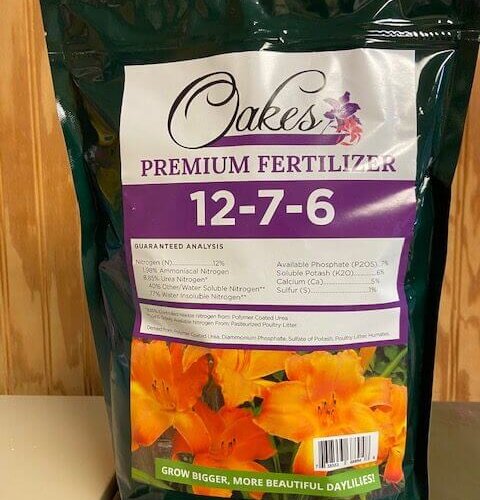
The best fertilizer for daylilies is typically a balanced, slow-release fertilizer that provides essential nutrients for their growth. Daylilies thrive in well-drained soil and require a nutrient mix that promotes healthy foliage and vibrant blooms. A fertilizer with an N-P-K (Nitrogen-Phosphorus-Potassium) ratio of 10-10-10 or 5-10-10 is usually recommended. This ratio ensures that daylilies receive adequate nitrogen for growth, phosphorus for blooming, and potassium for overall plant health.
Understanding N-P-K Ratios
The N-P-K ratio on fertilizer bags indicates the percentage of Nitrogen, Phosphorus, and Potassium. Each of these nutrients plays a critical role in plant health:
- Nitrogen: Essential for leafy growth and overall vitality.
- Phosphorus: Crucial for root development and flourishing blossoms.
- Potassium: Supports plant resilience and disease resistance.
Understanding these ratios helps in choosing the right fertilizer for optimal growth.
Organic vs. Synthetic Fertilizers
Both organic and synthetic fertilizers can be effective for daylilies. The choice depends on your gardening style:
See also:
- Organic Fertilizers: Derived from natural sources like compost or manure, they improve soil health over time.
- Synthetic Fertilizers: Offer quick nutrient release, providing immediate nutrition to plants.
- Chemical-Free Options: For those preferring eco-friendly solutions, organic fertilizers are more sustainable.
Each option has its pros and cons, and the best choice varies depending on your gardening goals.
Application Methods
How you apply fertilizer can significantly impact its effectiveness. Common methods include:
- Granular Application: Spreading dry fertilizer around the base of plants provides nutrients over time.
- Liquid Fertilizers: Mixing with water and applying directly to the soil allows for swift nutrient absorption.
- Fertigation: Incorporating fertilizers into the irrigation system for continuous feeding.
Choosing the appropriate method helps ensure that daylilies receive the nutrients they need.
When to Fertilize Daylilies
The timing of fertilization is essential for maximizing growth and blooms. Key moments include:
- Early Spring: Fertilizing at the start of the growing season promotes healthy foliage.
- After Blooming: An application after flowering helps support next season’s growth.
- Mid-Season Boost: A light application in mid-summer can enhance bloom quality.
Proper timing ensures that daylilies receive adequate nutrition throughout the growing season.
Signs of Nutrient Deficiency
Recognizing nutrient deficiency in daylilies is vital for effective fertilization. Key symptoms include:
- Yellow Leaves: Often a sign of nitrogen deficiency, indicating that leafy growth is impaired.
- Poor Flowering: A lack of blooms can suggest inadequate phosphorus levels.
- Weak Root Systems: Signs of potassium deficiency include poor overall plant vigor and resilience.
Identifying these signs allows for timely interventions to improve plant health.
How do you get daylilies to keep blooming?

To ensure that your daylilies keep blooming throughout the growing season, there are several key practices that can be followed. Daylilies, known for their vibrant flowers and hardiness, can produce continuous blooms when given the right conditions. Here are some essential tips to help you achieve a spectacular display of flowers.
Watering Regularly
Proper watering is crucial for maintaining healthy daylilies and promoting additional blooms. Daylilies prefer well-drained soil, but they also need a consistent moisture level.
- Water deeply and infrequently. This encourages deeper root growth.
- Avoid wetting the foliage to reduce the risk of fungal diseases.
- Monitor the soil moisture, especially during dry spells or hot weather.
Providing Adequate Sunlight
Daylilies thrive in full sunlight, requiring at least 6 hours of direct sunlight each day. Insufficient light can lead to fewer blooms and poorer plant health.
- Choose a location with ample sunlight for optimal growth.
- Avoid placing daylilies in shady areas, as this can stunt their blooming potential.
- If necessary, trim back nearby plants that may obstruct sunlight.
Fertilizing Appropriately
Regular fertilization can significantly impact the blooming of daylilies. Using the right nutrients helps in promoting growth and flower production.
See also:
- Apply a balanced fertilizer in early spring as new growth emerges.
- Use a slow-release fertilizer to nourish the plants gradually.
- Avoid over-fertilizing, as excessive nitrogen can lead to lush foliage and fewer flowers.
Deadheading Old Flowers
Removing spent blooms, known as deadheading, encourages daylilies to focus energy on producing new flowers instead of seed production.
- Pinch off or cut back the dead flowers immediately after they wilt.
- Regular deadheading will help maintain a tidy appearance and promote new blooms.
- It can also reduce the risk of disease by minimizing moisture on decaying flowers.
Dividing Daylilies
Dividing daylilies every few years can rejuvenate the plants, leading to healthier growth and enhanced blooming.
- Divide daylilies in the early spring or late summer when they are not actively blooming.
- Choose healthy clumps and separate them carefully, ensuring each division has several roots.
- Replant divisions promptly and provide adequate care to encourage new growth.
Do lilies like Miracle-Gro?
Do lilies appreciate the use of Miracle-Gro? The answer largely depends on the specific requirements of the lily varieties and how the fertilizer is applied. Miracle-Gro is a popular all-purpose fertilizer that promotes quick growth and vibrant blooms, which can be beneficial for many flowering plants, including lilies. However, proper usage is essential to ensure healthy growth and prevent potential issues.
Understanding Miracle-Gro
Miracle-Gro is a synthetic fertilizer designed to provide essential nutrients to plants, promoting rapid growth and flowering. Its primary ingredients typically include nitrogen (N), phosphorus (P), and potassium (K), which are crucial for plant development. The balanced nutrient ratio supports strong leaf growth, root development, and abundant blooms.
- Nitrogen aids in foliage growth.
- Phosphorus is essential for root establishment and flower production.
- Potassium helps improve overall plant health and resilience.
Benefits of Using Miracle-Gro for Lilies
Using Miracle-Gro can offer several advantages for lilies, especially if they are planted in nutrient-depleted soil. By supplying a concentrated dose of nutrients, it can help enhance flowering, increase vigor, and support overall health.
- Faster growth during the growing season.
- Improved flowering and longevity of blooms.
- Stronger plants that are more resistant to disease and pests.
How to Apply Miracle-Gro for Best Results
To achieve the best results when feeding lilies with Miracle-Gro, careful application is vital. It is recommended to apply the fertilizer according to the manufacturer's instructions and consider factors such as the plant's age, growth stage, and environmental conditions.
- Dilute the Miracle-Gro fertilizer in water as per the guidelines.
- Apply during the early morning or late afternoon to reduce burning risks.
- Refrain from over-fertilizing, as this can lead to nutrient burn or harm the plants.
Potential Drawbacks of Miracle-Gro for Lilies
While Miracle-Gro can encourage growth, it also comes with certain drawbacks that gardeners should consider. Over-reliance on synthetic fertilizers can lead to imbalances in soil health and may negatively affect the environment.
- Possible nutrient burnout if used excessively.
- Risk of altering the pH balance of the soil.
- Long-term use may harm beneficial microorganisms in the soil.
Alternatives to Miracle-Gro for Lilies
For those concerned about the drawbacks of synthetic fertilizers, there are various organic alternatives available that can provide the necessary nutrients for lilies without synthetic chemicals. These can promote not only healthy plants but also a thriving ecosystem in the garden.
- Compost enriches the soil with natural nutrients.
- Bone meal provides essential phosphorus for robust blooming.
- Liquid seaweed can offer trace minerals and promote root growth.
Questions from Our Readers
Is Miracle-Gro suitable for daylilies?
Yes, Miracle-Gro can be suitable for daylilies as it provides an immediate nutrient boost. Daylilies thrive in nutrient-rich soil, and using Miracle-Gro can enhance their growth and flowering potential. However, it’s important to follow the recommended dosage to avoid over-fertilization.
What type of Miracle-Gro should I use for daylilies?
For daylilies, a balanced fertilizer like Miracle-Gro All Purpose can be ideal. This type of fertilizer contains a mix of essential nutrients that support healthy foliage and vibrant blooms. Alternatively, you can opt for a flowering formula that promotes abundant flowering in your daylilies.
How often should I apply Miracle-Gro to daylilies?
You should apply Miracle-Gro to daylilies every 4-6 weeks during the growing season. Regular applications help maintain nutrient levels in the soil, which is crucial for optimal growth. Be cautious not to fertilize too frequently, as this can lead to nutrient burn.
See also:
Can Miracle-Gro harm daylilies?
While Miracle-Gro is generally safe for daylilies, over-fertilization can harm them. Signs of potential harm include yellowing leaves and stunted growth. It’s vital to adhere to the instructions on the product label to ensure the health of your daylilies.
If you want to read more articles like Is Miracle-Gro Good for Daylilies? A Comprehensive Guide to Fertilizing Your Flowers, we recommend you check out our Daylily category.
Leave a Reply
Related Articles