Will Dish Soap Get Rid of Aphids? Discover Effective Solutions for Your Garden

Aphids can be a persistent nuisance in any garden, feeding on your plants and potentially causing significant damage. Many gardeners often seek natural and effective solutions to combat these tiny pests without resorting to harsh chemicals. One popular home remedy that frequently comes up is dish soap. But does it really work? In this article, we will explore whether dish soap can effectively eliminate aphids and examine other proven methods to protect your plants. Discover the best practices for tackling aphid infestations and maintaining a thriving garden with these simple, eco-friendly solutions.
Can Dish Soap Effectively Eliminate Aphids?
Using dish soap can be an effective method for controlling aphids in your garden. When mixed with water, dish soap creates a solution that can suffocate these pests by breaking down their protective outer layer. The soap helps to disrupt the cell membranes of the insects, which leads to dehydration and, ultimately, death. However, it's essential to dilute the soap properly to avoid harming beneficial insects or the plants themselves. A typical mixture might include one to two tablespoons of dish soap per quart of water. It's advised to test the solution on a small area first and to apply during cooler parts of the day to minimize any potential leaf burn.
How Does Dish Soap Work on Aphids?
Dish soap works on aphids mainly by disrupting their outer skin, which is essential for their respiratory system. When applied, the soap penetrates and compromises the protective cuticle of the aphids, causing them to suffocate and lose moisture rapidly. This method is beneficial because it targets the pests without introducing harmful chemicals into the garden ecosystem. By smothering them, the soap effectively eliminates these pests without the need for synthetic pesticides.
What Type of Dish Soap Should Be Used?
It's important to choose a mild dish soap that does not contain additives such as degreasers, fragrances, or other harsh chemicals. Pure liquid soaps or those labeled as “biodegradable” are generally safe to use for pest control. Brands that are free of phosphates are preferred as they are less likely to harm the environment. Always read the ingredient labels carefully to ensure that the soap is suitable for plant applications.
How to Apply Dish Soap for Aphid Control?
To effectively apply dish soap on your plants, mix one to two tablespoons of the soap with a quart of water in a spray bottle. Shake well to ensure it is thoroughly mixed. Spray directly onto the affected areas of the plants, targeting both the upper and lower sides of leaves where aphids tend to congregate. It's advisable to do this during the early morning or late evening to prevent leaf burn from direct sunlight. Repeat the application every few days until the aphid population is under control.
Are There Any Risks Involved?
While dish soap is safer than many commercial insecticides, there are still some risks to consider. Overapplication or using a highly concentrated mix can lead to phytotoxicity, which may damage your plants. It's also crucial to avoid spraying on flowering plants, as it could impact beneficial insects like bees. Always perform a small patch test on a few leaves to check for any adverse reactions before fully treating the infested area.
Can Dish Soap Be Used with Other Remedies?
Dish soap can be combined with other natural remedies to enhance its effectiveness against aphids. For instance, you can add neem oil or garlic to the soap solution for added pest-repelling properties. However, it's essential to mix these ingredients carefully and test for any negative interactions to ensure they are safe for both plants and beneficial insects. Combining these methods can create a multi-faceted approach to controlling aphid infestations.
| Aspect | Detail |
|---|---|
| Effectiveness | Can suffocate and dehydrate aphids. |
| Soap Type | Mild, biodegradable options are best. |
| Application | Spray mixture on affected plants, preferably in cooler hours. |
| Risks | Possible phytotoxicity and impact on beneficial insects. |
| Combining Methods | Can enhance effectiveness with other natural ingredients. |
Can I kill aphids with dish soap?

Yes, you can kill aphids with dish soap. Dish soap works effectively as an insecticidal soap, primarily due to its ability to disrupt the pests' cell membranes, leading to dehydration and death. When using dish soap to control aphids, it is important to follow certain guidelines for the best results. Here's how to use dish soap against aphids, along with other relevant information.
How Does Dish Soap Work on Aphids?
Dish soap can kill aphids by disrupting their outer protective layer. This mechanism causes the aphids to lose moisture rapidly, ultimately leading to their demise. The soap acts as a suffocant, blocking their breathing pores (spiracles) and effectively immobilizing them.
See also:
- Cell Membrane Disruption: Dish soap destabilizes the oils in the aphid's protective coating.
- Dehydration: By breaking down barriers, it enhances moisture loss.
- Suffocation: The soap clogs their spiracles, leading to suffocation.
How to Prepare a Soap Solution?
To effectively kill aphids using dish soap, you can create a soap solution. The correct dilution rate is essential to avoid harming your plants while ensuring maximum efficacy against the pests.
- Choose the Right Soap: Use a mild dish soap without additives like scent or degreasers.
- Mixing Ratio: Combine 1-2 tablespoons of soap per gallon of water.
- Test the Solution: Apply a small amount to a few leaves to check for plant sensitivity before broad application.
Application Tips for Maximum Effectiveness
When applying the soap solution, there are several tips you can follow to enhance its effectiveness. Proper application can make a significant difference in controlling aphid populations.
- Target Infested Areas: Focus on stems and undersides of leaves where aphids typically congregate.
- Apply During Cooler Hours: Avoid applying in direct sunlight to prevent plant stress.
- Reapply Regularly: Repeat the application every 5-7 days until aphid populations are under control.
Safety Considerations When Using Dish Soap
While dish soap is a safer alternative to chemical insecticides, there are still safety considerations you must keep in mind to protect your plants and beneficial insects.
- Avoid Sensitive Plants: Some plants may be sensitive to soap; check compatibility.
- Monitor Beneficial Insects: Be cautious not to harm pollinators and natural aphid predators.
- Store Properly: Keep any leftover soap solution out of reach of children and pets.
Alternatives to Dish Soap for Aphid Control
If dish soap is not an option for you or if you're looking for more methods, there are alternative solutions to manage aphid infestations effectively.
- Neem Oil: A natural pesticide that disrupts hormonal processes in insects.
- Insecticidal Soap: Specifically formulated soaps are available which may be more effective.
- Natural Predators: Introduce ladybugs or lacewings that feed on aphids.
What is the fastest way to get rid of aphids?
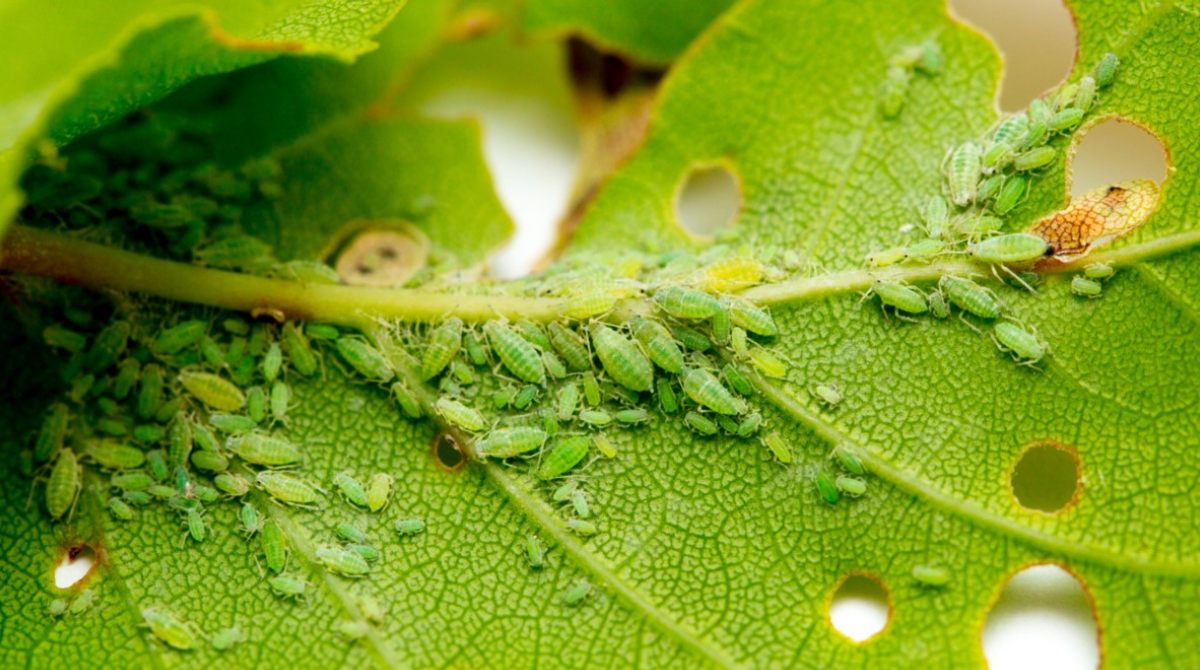
To quickly eliminate aphids, it's essential to utilize effective methods that can swiftly reduce their population. Here are several strategies that can help you achieve rapid results:
Identify the Infestation
Firstly, it's crucial to identify the infestation. Look for clusters of aphids on the undersides of leaves, especially on young shoots and buds. They can be green, black, or brown, and their presence can often be detected by the sticky residue they leave behind or by the presence of ants.
- Inspect your plants regularly.
- Look for sticky honeydew on leaves.
- Check for distorted or curled leaves.
Water Spray Method
One of the fastest ways to get rid of aphids is by using a strong water spray. This method physically dislodges aphids from the plants without the use of chemicals.
- Use a garden hose with a spray nozzle.
- Aim for the infested areas to ensure aphids are knocked off.
- Repeat every few days to keep them at bay.
Insecticidal Soap
Applying insecticidal soap is another effective and swift method to control aphids. This solution suffocates the insects and can be easily made or purchased.
- Mix soap with water (follow package instructions for dilution).
- Spray directly on the aphids, ensuring thorough coverage.
- Reapply every few days to catch any new aphids.
Natural Predators
Introducing natural predators like ladybugs and lacewings is an eco-friendly way to control aphid populations. These beneficial insects feed on aphids and can rapidly reduce their numbers.
See also:
- Release ladybugs in the garden during the evening.
- Provide a habitat with plants that attract beneficial insects.
- Avoid using pesticides that can harm these predators.
Homemade Remedies
Homemade remedies, such as a mixture of water and garlic or cayenne pepper, can also deter aphids effectively. These mixtures create an unpleasant environment for the aphids.
- Blend garlic and water, strain, and spray on affected plants.
- Mix water with cayenne pepper or dish soap and apply.
- Ensure to test on a small area first to prevent plant damage.
What is the best homemade aphid killer?
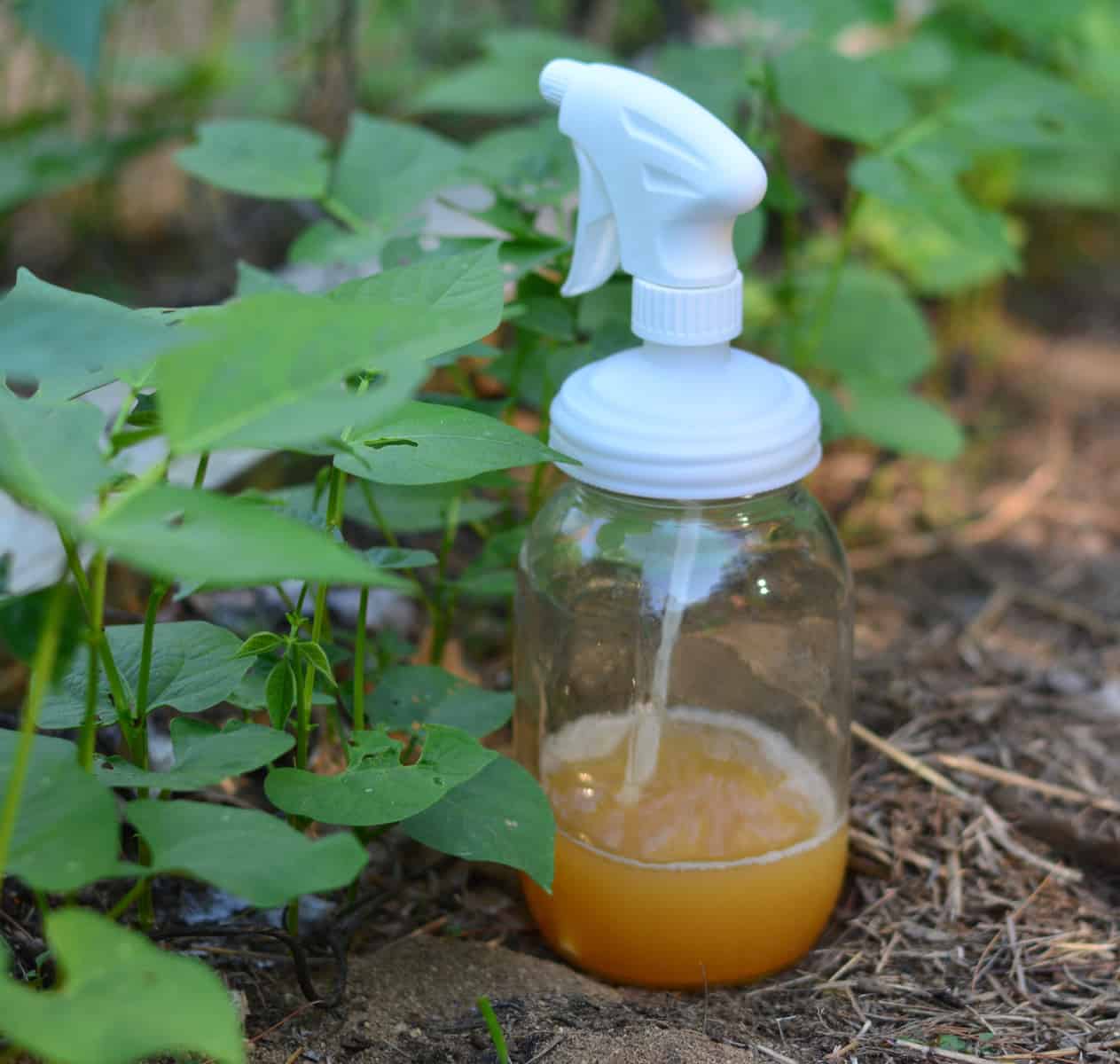
The best homemade aphid killer can be easily prepared using common household ingredients. Here’s a detailed recipe and several effective methods to combat these pests.
DIY Soap Spray
A soap spray is one of the simplest and most effective homemade solutions for killing aphids. The soap suffocates the insects by coating them and blocking their breathing pores.
- Ingredients: 1-2 tablespoons of liquid castile soap or any mild liquid soap, 1 quart of water.
- Preparation: Mix the soap with water in a spray bottle and shake gently to combine.
- Application: Spray directly on aphids, covering both the tops and bottoms of leaves. Repeat every few days until the aphid population is under control.
Neem Oil Solution
Neem oil is a natural pesticide that can effectively eliminate aphids by disrupting their life cycle. It's safe for plants and beneficial insects when used correctly.
- Ingredients: 2 tablespoons of neem oil, 1 quart of water, a few drops of mild dish soap.
- Preparation: Combine the neem oil, water, and dish soap in a spray bottle and shake well.
- Application: Spray the solution on infested plants every 7-14 days, ensuring thorough coverage to target both adult aphids and their eggs.
Garlic Spray
Garlic has natural insect-repelling properties that can deter aphids. The strong smell helps to keep these pests at bay.
- Ingredients: 1-2 heads of garlic, 1 quart of water, a few drops of liquid soap.
- Preparation: Crush the garlic and mix it with water. Let it sit overnight, then strain the liquid into a spray bottle, adding soap to help adhere.
- Application: Spray on the affected plants, focusing on the areas where aphids congregate. Reapply every few days until aphids are gone.
Cayenne Pepper Spray
Cayenne pepper is another natural deterrent for aphids. The spicy compounds can irritate them and discourage feeding.
- Ingredients: 1 tablespoon of cayenne pepper, 1 quart of water, a few drops of liquid soap.
- Preparation: Mix the cayenne pepper in water and let it steep for a few hours. Strain the mixture and add soap to enhance adherence to plants.
- Application: Spray the solution on infested plants, focusing on aphid hotspots. Repeat as necessary, especially after rainfall.
Insecticidal Soap with Essential Oils
In addition to basic soap sprays, incorporating essential oils can enhance effectiveness against aphids.
- Ingredients: 1 tablespoon of liquid soap, 2 cups of water, and 10 drops of essential oils (like rosemary or peppermint).
- Preparation: Combine all ingredients in a spray bottle and shake to mix.
- Application: Apply the mixture directly to the aphid-infested areas of the plant. Repeat every week or after rain to maintain effectiveness.
Questions from Our Readers
Will dish soap get rid of aphids?
Yes, dish soap can help eliminate aphids. When mixed with water and sprayed onto the affected plants, the soap works by suffocating the aphids and breaking down their protective outer coating, ultimately leading to their demise.
How should I use dish soap to combat aphids?
To use dish soap effectively, mix approximately 1-2 tablespoons of liquid dish soap in a gallon of water. Spray this mixture directly onto the aphids, ensuring to cover both the upper and lower sides of the leaves for optimal results.
See also:
Is dish soap safe for my plants?
Most liquid dish soaps are safe for plants when used correctly. However, it's important to test the solution on a small area of the plant first to ensure there are no adverse reactions, especially for sensitive species.
How often should I apply dish soap to control aphids?
Reapply the dish soap mixture every 5-7 days or until the aphid population is under control. Regular applications help to manage existing infestations and prevent new ones from forming.

If you want to read more articles like Will Dish Soap Get Rid of Aphids? Discover Effective Solutions for Your Garden, we recommend you check out our Insects category.
Leave a Reply
Related Articles