Does Spraying Water Remove Aphids? Explore the Effectiveness and Best Practices

Aphids are notorious pests that can wreak havoc on gardens and plants, sucking sap and weakening the structure of vegetation. One common method for managing these pesky insects is spraying water, a seemingly simple solution that many gardeners turn to. But does it really work? In this article, we will explore the effectiveness of using water sprays to eliminate aphids, examining the science behind their behavior and survivability. Additionally, we will share best practices for application, helping you determine whether this method is a viable option for keeping your plants healthy and pest-free.
Does Spraying Water Remove Aphids?
Spraying water can be an effective method for removing aphids from plants, especially when applied with a strong stream that helps dislodge these pests from foliage. Aphids are soft-bodied insects that feed on the sap of plants, weakening them and potentially spreading diseases. When water is sprayed on infested plants, the force can knock these insects off without the use of harsh chemicals, making it an environmentally friendly solution. However, for severe infestations, additional measures may be necessary to fully control aphid populations and ensure plant health.
Understanding Aphids and Their Behavior
Aphids are small, soft-bodied insects that can vary in color, commonly found in shades of green, black, or brown. They reproduce quickly, often giving birth to live young, which means a small colony can rapidly expand to a larger infestation. They often tend to gather on new growth, undersides of leaves, and flower buds where they feed on the plant's sap, leading to stunted growth and plant damage if left unchecked.
How Water Spray Affects Aphids
When water is sprayed directly onto aphids, it can dislodge them from the plant and wash them away. However, the effectiveness of this method may depend on the pressure and volume of water used. A gentle spray may not be sufficient to remove all aphids, while a strong stream can effectively clear many insects. The water spray also helps to remove sticky honeydew excreted by aphids, which can lead to sooty mold on leaves.
Frequency and Timing of Water Spraying
To maximize the effectiveness of water sprays against aphids, it is recommended to spray plants regularly, especially during peak infestation periods. Early morning or late afternoon is typically the best time to spray, as the sun is less intense, reducing water evaporation and ensuring that most of the water reaches the foliage. Repeated sprays may be necessary, as some aphids may cling on despite initial efforts to remove them.
Combining Water Spray with Other Methods
Using water spray in conjunction with other pest control methods can enhance overall efficacy. For example, integrating the spraying of water with insecticidal soaps or horticultural oils can result in a more comprehensive approach to aphid control. This combination not only helps to physically remove aphids but also targets their soft bodies, increasing the likelihood of eliminating both visible insects and eggs.
See also:
Environmental Considerations of Water Spraying
Water spraying is often seen as a safe and environmentally friendly method for pest control. It minimizes the use of chemical pesticides, which can have detrimental effects on beneficial insects and the surrounding ecosystem. Regularly spraying water can also help maintain humidity around plants, which may deter aphids and similar pests, promoting a healthier garden environment.
| Aphid Color | Common Plant Hosts | Signs of Infestation |
|---|---|---|
| Green | Roses | Curled Leaves |
| Black | Peas | Sticky Residue |
| Brown | Cabbage | Wilting |
What is the fastest way to get rid of aphids?
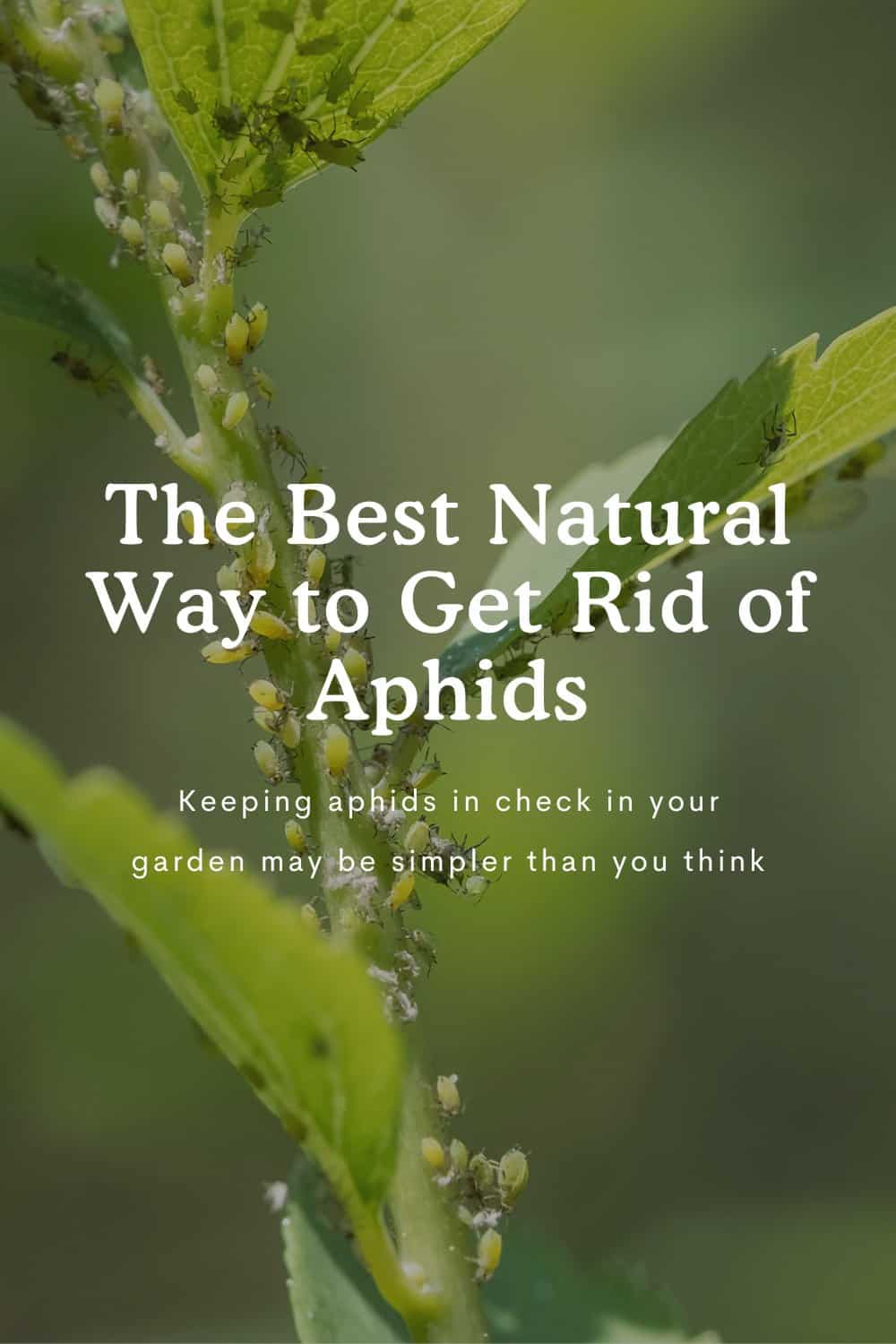
Aphids can be a troublesome pest for gardeners and farmers, but several methods can effectively eliminate them quickly. Here are some of the fastest ways to tackle aphid infestations:
1. Use Insecticidal Soap
Insecticidal soap is one of the most effective and fast-acting methods to get rid of aphids. It works by suffocating the aphids and disrupting their cell membranes, leading to their demise. To use insecticidal soap:
- Choose a commercially available insecticidal soap or make one by mixing pure soap with water.
- Spray the solution directly onto the aphids, covering both the tops and undersides of the leaves.
- Reapply every few days until the infestation is under control.
2. Implement Neem Oil
Neem oil is derived from the seeds of the neem tree and acts as a powerful organic pesticide. It disrupts the life cycle of aphids by preventing them from feeding and reproducing. Here’s how to use it effectively:
- Dilute neem oil according to the product instructions.
- Apply the solution using a spray bottle, ensuring you coat all affected areas of the plant.
- Reapply every 7 to 14 days to effectively manage aphid populations.
3. Attract Natural Predators
Encouraging natural predators of aphids, such as ladybugs and lacewings, can provide a long-term solution. These beneficial insects can help control aphid populations quickly. Steps include:
See also:
- Plant flowers like marigolds and dill to attract ladybugs.
- Release purchased ladybugs in your garden when you notice aphid activity.
- Provide a habitat by keeping some areas of the garden less tidy to support predator populations.
4. Use Water Spray
A strong stream of water can dislodge aphids from plants. This immediate method provides a quick solution to reduce their numbers. Steps for this method involve:
- Use a garden hose with a spray nozzle set to a high-pressure setting.
- Direct the stream towards the infested plants, focusing on the undersides of the leaves where aphids often hide.
- Repeat as necessary, especially after rain, as it may wash aphids back onto the plants.
5. Apply Diatomaceous Earth
Diatomaceous earth (DE) is a natural powder made from fossilized algae that can kill aphids upon contact by dehydrating them. To use DE effectively:
- Sprinkle a light layer of food-grade diatomaceous earth around affected plants.
- Ensure coverage on the leaves, stems, and surrounding soil.
- Reapply after rain or watering to maintain effectiveness.
Questions from Our Readers
Does spraying water effectively remove aphids?
Spraying water can be a helpful method to remove aphids from plants, especially if done with a strong stream. The force of the water can dislodge the aphids from leaves and stems, but it may not eliminate them completely. Regular spraying may be necessary to effectively manage an aphid infestation.
How often should I spray water to combat aphids?
It's recommended to spray water on affected plants at least once a week or more frequently if the infestation is severe. Consistency is key in managing aphids, as this helps to remove new colonies that may form after the initial spray.
Can water sprays harm my plants?
While spraying water is generally safe for most plants, excessive water can lead to overwatering and potentially harm the plant's roots. It's important to ensure that the soil drains well and that the leaves can dry out between sprays.
Are there other methods to remove aphids besides water?
Yes, there are several effective methods to remove aphids, including the use of insecticidal soap, neem oil, or introducing natural predators like ladybugs. Combining these methods with water sprays can enhance your control over aphid populations.
See also:

If you want to read more articles like Does Spraying Water Remove Aphids? Explore the Effectiveness and Best Practices, we recommend you check out our Insects category.
Leave a Reply
Related Articles