What is the Best Natural Insect Repellent for Tomatoes? Top Solutions for a Healthy Garden
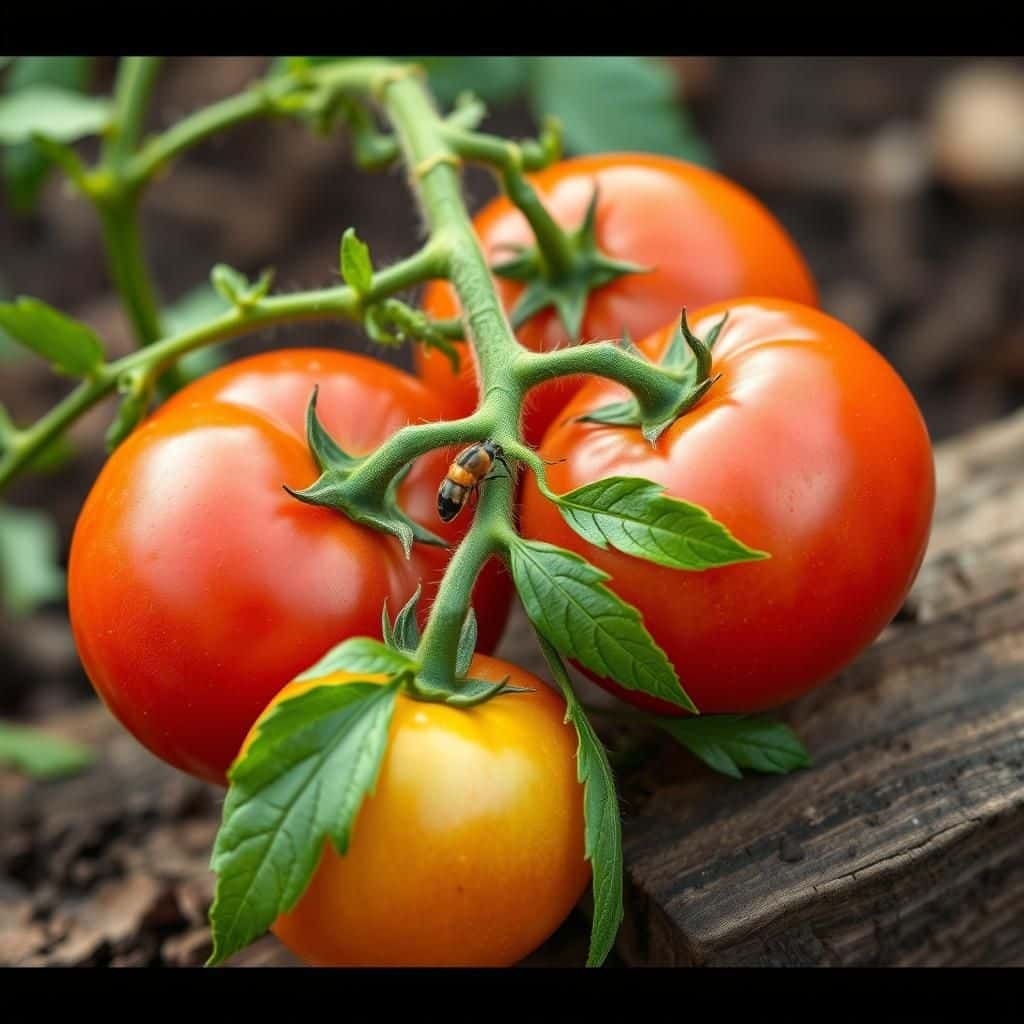
Growing tomatoes can be a rewarding experience, but keeping pests at bay is essential for a bountiful harvest. Many gardeners turn to chemical repellents, but these can often harm beneficial insects and the environment. Instead, a variety of natural insect repellents provide effective protection while promoting a healthier garden ecosystem. In this article, we will explore the best natural solutions to ward off pests that threaten your tomato plants. From essential oils to homemade sprays, discover how you can maintain a thriving garden naturally and sustainably. Say goodbye to harmful chemicals and hello to pest-free, delicious tomatoes!
What is the Best Natural Insect Repellent for Tomatoes?
When it comes to growing tomatoes, protecting your plants from pests is crucial, and using a natural insect repellent can be an effective solution. One of the best options is neem oil, which is derived from the seeds of the neem tree and works by disrupting the life cycle of insects, preventing them from feeding and reproducing. Additionally, neem oil is safe for beneficial insects when used correctly and can deter a wide range of pests, including aphids and spider mites. Other effective natural repellents include garlic spray and peppermint oil, which not only chase away pests but also have antifungal properties, promoting healthier plants. The best approach may involve a combination of these natural repellents tailored to specific pest issues.
Benefits of Using Natural Insect Repellents
Natural insect repellents offer several advantages over chemical alternatives. They are generally safer for the environment, reducing the risk of chemical runoff into waterways and the soil. Additionally, these products tend to have fewer adverse effects on beneficial insects, such as pollinators. Using natural repellents can also contribute to healthier soil and plants by avoiding harmful residues that can accumulate in the ecosystem. Moreover, many gardeners prefer natural methods due to their non-toxic nature, making them safer for children and pets who may come into contact with treated plants.
Common Natural Ingredients for Tomato Pest Control
Several natural ingredients are well-regarded for their pest-repelling properties when it comes to tomato plants. Neem oil stands out as a powerful option because of its effectiveness against a wide variety of insects. Garlic contains compounds that emit strong odors, deterring many common garden pests. Similarly, essential oils like peppermint and lavender are known for their insect-repelling scents. Cayenne pepper mixed with water can create a spicy barrier that discourages pests while being harmless to the plants. Each of these ingredients can be used in various combinations to enhance their effectiveness against specific threats.
How to Make Your Own Natural Insect Repellent for Tomatoes
Creating your own natural insect repellent for tomatoes can be a simple and rewarding process. A basic recipe involves mixing a few drops of neem oil with water and a few drops of liquid soap to help emulsify the oil. Alternatively, a garlic spray can be made by blending several cloves of garlic with water, straining the mixture, and then applying it to the plants. For a peppermint oil repellent, combine a few drops of the oil with water in a spray bottle. It's essential to test these mixtures on a small portion of the plant first to ensure there's no adverse reaction. Regular application, especially after rain, will enhance their effectiveness.
Timing and Frequency of Application
The timing and frequency of applying natural insect repellents can greatly influence their effectiveness. It's best to apply these repellents during the early morning or late afternoon to avoid direct sunlight, which can degrade the ingredients. Frequent applications are necessary, especially following rainfall, as natural ingredients can wash away more quickly than synthetic chemicals. A good schedule might involve spraying every 7-14 days, depending on pest pressure and weather conditions. Regular monitoring of your tomato plants for signs of insect activity can help determine if you need to adjust your application frequency.
Recognizing Pest Problems on Tomato Plants
Identifying pest problems early is key to effective management. Common signs of pest infestation on tomatoes include discolored leaves, wilting, or visible insects on the plants. Look for small holes in the leaves or sticky residue that may indicate the presence of aphids or whiteflies. Additionally, a yellowing of the foliage can suggest a more significant issue, potentially related to pest feeding. Monitoring plants regularly and being vigilant for any changes in their health will allow you to catch infestations early and implement natural insect repellents before significant damage occurs.
| Natural Repellent | Main Ingredient | Target Pests |
|---|---|---|
| Neem Oil | Neem Tree Extract | Aphids, Spider Mites, Whiteflies |
| Garlic Spray | Garlic | Searching Flies, Spider Mites |
| Peppermint Oil | Peppermint Extract | Aphids, Ants |
| Cayenne Pepper Spray | Cayenne Pepper | Various Insects |
What is the best natural bug repellent for tomatoes?

The best natural bug repellent for tomatoes can be a combination of various methods and ingredients that help in deterring pests while being safe for the plants, the environment, and consumers. Here are some effective natural bug repellents you can consider for protecting your tomato plants:
Essential Oils
Essential oils can be a powerful natural repellent against common tomato pests. Oils like peppermint, rosemary, and neem provide a strong scent that confuses and deters insects.
- Peppermint Oil: Known for its refreshing aroma, it effectively repels aphids and spider mites.
- Rosemary Oil: Acts against whiteflies and other soft-bodied insects.
- Neem Oil: A natural pesticide that disrupts the life cycle of insect pests.
Garlic Spray
Garlic spray is an excellent natural deterrent due to its pungent smell that many insects find unappealing. It can be made easily at home.
- Ingredients: Blend garlic cloves with water, strain, and dilute.
- Application: Spray directly on tomato plants, focusing on the undersides of leaves.
- Frequency: Apply every week or after rainfall for best results.
Soap Spray
A simple solution made from liquid soap can help control soft-bodied insects such as aphids, spider mites, and whiteflies.
- Components: Mix mild liquid soap with water at a ratio of about 1-2 tablespoons per quart.
- Method: Spray on affected areas of the plant, ensuring to cover both sides of leaves.
- Reapplication: Needed every few days until the pest issue is resolved.
Companion Planting
Planting certain herbs and flowers alongside tomatoes can act as a natural pest repellent. This method not only protects tomatoes but also promotes biodiversity.
- Basil: Known to repel thrips and mosquitoes.
- Marigolds: Emit a scent that deters nematodes and aphids.
- Nasturtiums: Attract aphids away from tomatoes, serving as a trap plant.
Homemade Chili Pepper Spray
Chili pepper spray is a spicy solution that can deter various pests due to its heat and strong flavor.
See also:
- Preparation: Blend hot peppers with water and let it steep for a few hours, then strain.
- Usage: Spray on tomato plants cautiously, as it may irritate the skin and eyes.
- Effectiveness: The spicy nature can effectively send pests away without harming the plants.
What is the best homemade insecticide for vegetable gardens?

The best homemade insecticide for vegetable gardens is often a mixture that utilizes natural ingredients, effectively targeting pests while being safe for plants and the environment. Here are a few effective recipes:
1. Soap and Water Solution: This simple blend disrupts the outer layer of soft-bodied insects.
- Mix 1-2 tablespoons of liquid castile soap or dish soap in 1 quart of water.
- Spray directly on affected plants, ensuring full coverage on the pests.
2. Garlic Insecticide: Garlic acts as a natural repellent for many pests.
- Blend 2-3 cloves of garlic with 2 cups of water, then strain.
- Add a few drops of dish soap and mix well before spraying.
3. Pepper Spray: Hot pepper can deter many herbivorous insects.
- Combine 2 tablespoons of crushed hot pepper with 1 quart of water.
- Allow to sit for a few hours, strain, and spray on plants.
4. Neem Oil: Derived from the seeds of the neem tree, it disrupts pest life cycles.
- Dilute 1-2 teaspoons of neem oil in 1 quart of water, along with a few drops of soap for emulsification.
- Apply as a foliar spray.
5. Diatomaceous Earth: This powder can be used to control crawling insects effectively.
- Dust on affected plants and soil; it works by damaging the exoskeletons of insects when they come into contact with it.
Homemade Soap-Based Insecticide
The soap-based insecticide is one of the most popular choices due to its effectiveness and ease of preparation. It targets soft-bodied insects like aphids and spider mites. When the soap solution is sprayed on the pests, it breaks down their outer protective layer, leading to dehydration and death.
- Use mild soap to prevent plant damage.
- Make sure to spray during cooler parts of the day to avoid leaf burn.
- Reapply every few days or after heavy rain.
Strength of Garlic in Pest Control
Garlic serves as a potent natural pesticide due to its strong scent and compounds that repel a variety of insects. The sulfur compounds present in garlic are particularly effective against aphids, caterpillars, and beetles. Its properties not only deter pests but also help to enhance the overall health of the plants.
- Garlic contains antibacterial and antifungal properties.
- It can act as a deterrent against larger pests such as deer.
- Consistent application increases the effectiveness of the treatment.
The Benefits of Hot Pepper Spray
Hot pepper spray is an effective deterrent for many garden pests, as the capsaicin found in peppers creates a burning sensation that wards off insects. This homemade insecticide can be especially useful for keeping away critters that munch on your vegetable crops.
- Hot pepper acts as a repellent without harming beneficial insects.
- Mixing with soap increases its stickiness to plant surfaces.
- Can be combined with garlic for a more potent solution.
Using Neem Oil Wisely
Neem oil, derived from the seeds of the neem tree, is a natural insecticide that targets a wide range of pests. It contains azadirachtin, which disrupts the growth and reproductive cycles of insects. It can be used as a preventive spray and is particularly effective during the early growing stages of plants.
- Neem oil is safe for pollinators when used correctly.
- Apply during cool evenings to enhance effectiveness.
- Multiple applications may be necessary for severe infestations.
Effectiveness of Diatomaceous Earth
Diatomaceous Earth (DE) works mechanically, not chemically, by damaging the exoskeletons of insects that come into contact with it. This leads to dehydration and ultimately death. It is important to use food-grade DE which is safe for use around pets and children.
- Apply to dry areas for best results, as moisture reduces effectiveness.
- Regular reapplication is necessary after rains or watering.
- Effective against a range of pests, especially crawling insects.
What is safe to put on a tomato plant to keep the spiders and bugs off of it but safe for pets?
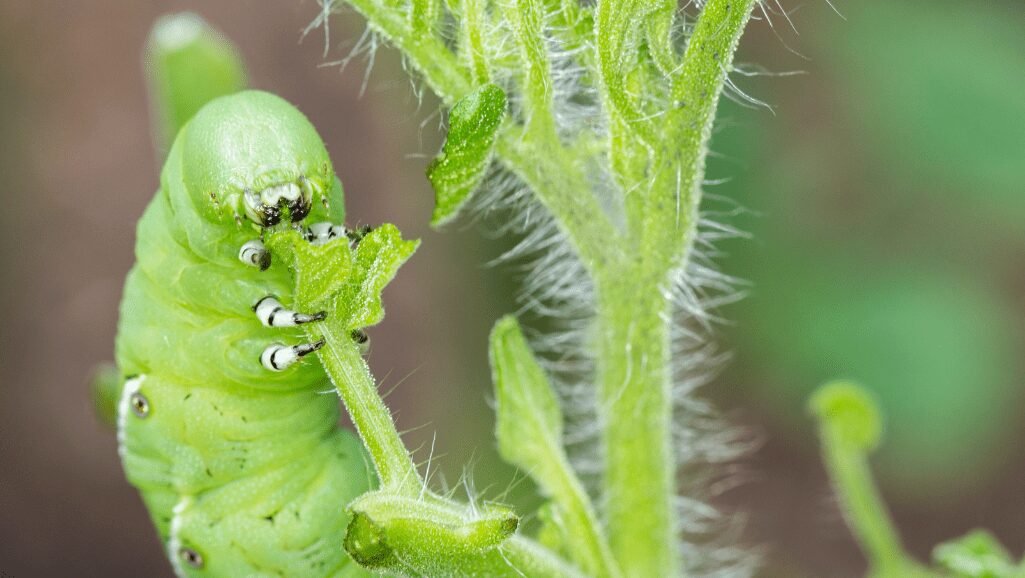
To keep spiders and bugs off your tomato plants while ensuring the safety of pets, there are several natural and pet-safe options you can consider. Here are some suggestions:
See also:
1. Neem Oil: This organic pesticide is derived from the seeds of the neem tree. It is effective against many pests and is safe for pets when used correctly. Mix it with water and a few drops of dish soap, then spray it on your tomato plants to deter insects.
2. Diatomaceous Earth (DE): This naturally occurring powder is made from the fossilized remains of tiny, aquatic organisms called diatoms. It can be sprinkled around your tomato plants to kill crawling insects by dehydrating them. DE is safe for pets, but avoid inhalation during application.
3. Essential Oils: Certain essential oils, like peppermint, rosemary, and lavender, can repel pests. Mix a few drops of essential oil with water and spray it on the plants. Make sure the essential oils are diluted, as concentrated forms can be harmful to pets.
4. Soap Sprays: A mixture of mild soap and water can help suffocate soft-bodied insects like aphids and spider mites. Use pet-safe liquid soap to create this solution and spray it on your tomato plants.
5. Companion Planting: Introducing certain plants that naturally repel pests can effectively protect your tomatoes. For example, planting marigolds or basil near your tomato plants can help keep unwanted bugs away and are non-toxic to pets.
Neem Oil as an Insect Repellent
Neem oil is a powerful natural insect repellent that can protect your tomato plants from various pests. It works by disrupting the growth and reproduction of insects, ultimately reducing their population. When using neem oil, make sure to:
- Dilute it properly according to the instructions on the product.
- Apply during the cooler parts of the day to minimize leaf burn.
- Reapply every few weeks or after rain for maximum effectiveness.
Diatomaceous Earth for Pest Control
Diatomaceous earth (DE) is an effective, non-toxic way to manage pests without harming pets. It works mechanically, damaging the exoskeletons of insects. When using DE, consider the following points:
- Sprinkle DE around the base of tomato plants rather than directly on the foliage.
- Reapply after watering or heavy rains, as it can wash away.
- Ensure you use food-grade diatomaceous earth for safety.
Essential Oils to Deter Bugs
Essential oils have been known to repel various pests while being safe for pets when used correctly. The aromatic compounds in these oils can keep bugs at bay. Here’s how to use essential oils effectively:
- Choose oils known for their repelling properties, like peppermint or rosemary.
- Mix with water to create a spray solution, using a ratio of about 1-2 teaspoons per spray bottle.
- Spray on plants in the morning or evening to prevent any leaf burn.
Homemade Soap Sprays
Soap sprays are an easy and effective method to control pests like aphids and spider mites on tomato plants. Here’s a simple way to create and use soap sprays:
- Mix 1-2 tablespoons of mild liquid soap in a quart of water.
- Test on a small part of the plant to ensure there’s no adverse reaction.
- Apply in the early morning or late afternoon to reduce the risk of leaf damage.
Benefits of Companion Planting
Companion planting leverages the natural defenses of certain plants to protect tomatoes from pests. Here’s how to implement companion planting effectively:
- Plant marigolds nearby to repel nematodes and aphids.
- Introduce basil, which can enhance the flavor of tomatoes and also repel pests.
- Research other complementary plants that may support your tomato plants while deterring unwanted insects.
Questions from Our Readers
What are the most effective natural insect repellents for tomatoes?
The most effective natural insect repellents for tomatoes include neem oil, garlic spray, and peppermint oil. These substances work by either repelling insects with their strong odors or disrupting their feeding habits. Using these repellents regularly can help protect your tomato plants from pests like aphids and whiteflies.
How do I make a homemade insect repellent for my tomato plants?
To make a homemade insect repellent for tomato plants, mix two tablespoons of neem oil with a quart of water, and add a few drops of dish soap to help the mixture adhere to the leaves. Spray this mixture on your plants, focusing on the undersides of leaves where pests often hide, and reapply every week or after rainfall.
Are natural insect repellents safe for edible plants?
Yes, most natural insect repellents are safe for edible plants like tomatoes when used correctly. For example, neem oil and garlic do not leave harmful residues and can deter pests without affecting the plants' safety for consumption, making them an excellent choice for organic gardening.
How often should I apply natural insect repellent to my tomatoes?
You should apply natural insect repellent to your tomatoes every 7 to 14 days, or after heavy rains, to maintain effective pest control. Regular application ensures that the protective barrier remains potent and deters potential insect infestations on your plants.
See also:

If you want to read more articles like What is the Best Natural Insect Repellent for Tomatoes? Top Solutions for a Healthy Garden, we recommend you check out our Insects category.
Leave a Reply
Related Articles