Effective Strategies: How to Get Rid of Daylily Gall Midge?

Daylily gall midge, a tiny but destructive pest, poses a significant threat to the health and beauty of daylily plants. These minuscule insects lay their eggs in developing flower buds, leading to distorted growth and unsightly galls. Gardeners often find themselves frustrated as their once-thriving daylilies succumb to the damage caused by these pests. Fortunately, effective strategies exist for managing and eradicating daylily gall midge infestations. In this article, we will explore practical approaches to protect your daylilies, from preventive measures to targeted treatments, ensuring your garden flourishes despite the challenges posed by these invasive insects.
How to Effectively Eliminate Daylily Gall Midge
To successfully get rid of the daylily gall midge, it is crucial to adopt an integrated pest management strategy. Start by regularly monitoring your daylilies for signs of damage or the larvae, which can often appear in small galls on the flower buds. If detected, you can remove and destroy the infested buds to help curb the midge's population. Additionally, applying an insecticidal soap can be effective; just ensure it targets the specific life stages of the midge. It's also helpful to maintain overall plant health by providing adequate water and nutrients, as healthier plants can withstand pest pressure more effectively. Furthermore, consider using companion planting to attract beneficial insects that prey on the gall midge.
Identification of Daylily Gall Midge
Identifying the daylily gall midge is essential for effective control. These small, fly-like insects are typically less than 1/8 inch long and have a distinctive light yellow or tan color. They lay their eggs inside the flower buds of daylilies, causing the buds to swell into galls. When examining your plants, look for distorted or undeveloped buds, which indicate an infestation. Regular monitoring, especially in the growing season, can help detect their presence early on, allowing for timely intervention.
Monitoring and Inspection Techniques
To manage daylily gall midge populations effectively, develop consistent monitoring and inspection techniques. Inspect your daylilies for signs of infestation, focusing on flower buds during late spring and early summer when the midge is most active. Use a hand lens to closely examine the buds for the presence of galls, which often appear as swollen, deformed structures. Keeping a log of infestation levels and environmental conditions can also provide insights into the best times for treatment and when to expect high midge activity.
Physical and Cultural Control Methods
Implementing physical and cultural control methods can significantly reduce daylily gall midge populations. Start by removing and destroying infested buds to limit the midge's ability to reproduce. Additionally, maintaining proper spacing between plants can improve air circulation, which helps prevent damp conditions that midge thrive in. Also, practicing crop rotation and avoiding planting susceptible varieties in the same area year after year will diminish the chances of reinfestation.
Biological Control Options
Consider introducing biological control options to manage the daylily gall midge naturally. Natural predators such as lacewings and certain parasitic wasps can help reduce midge populations without harming your plants. Additionally, planting specific companion plants that attract these beneficial insects can enhance the effectiveness of biological controls. Ensuring a diverse garden environment increases the chances of attracting these helpful predators, providing a more balanced ecosystem.
Chemical Control Solutions
When facing a severe infestation of daylily gall midge, chemical control solutions can be an option. Insecticides that contain neem oil or pyrethroids are commonly recommended for managing this pest effectively. Always read and follow the manufacturer’s guidelines to ensure safe application and effectiveness. Timing is critical; apply treatments during the midge's vulnerable stages, usually in late spring when they are actively feeding and reproducing. Remember to consider environmental impact and the safety of beneficial insects when choosing chemical control methods.
| Method | Description |
|---|---|
| Physical Control | Remove infested buds to limit reproduction. |
| Cultural Control | Maintain plant health and improve air circulation. |
| Biological Control | Introduce natural predators like lacewings. |
| Chemical Control | Use insecticides like neem oil or pyrethroids. |
How do you get rid of gall midges?
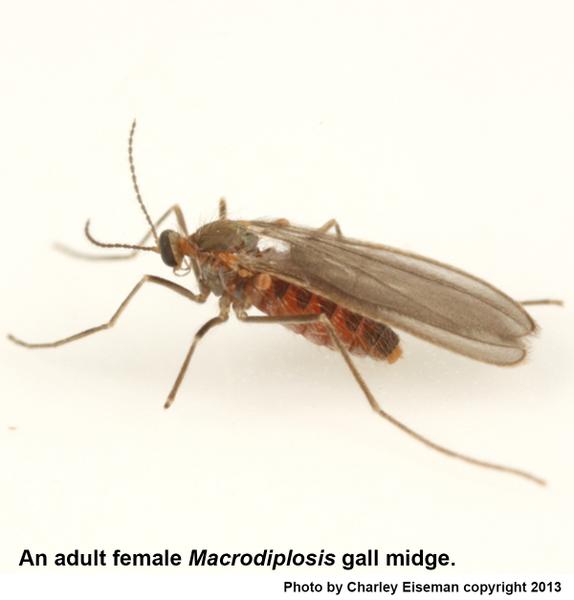
To effectively get rid of gall midges, it is essential to understand their life cycle and behavior. Gall midges are tiny flies that can cause significant damage to plants by laying eggs and creating galls or abnormal plant growths. Here are several methods to manage and eradicate them.
Identify Gall Midges
Identifying the specific type of gall midge is crucial for effective control. Look for signs of their presence on plants, such as:
- Galls: Swellings on leaves, stems, or flowers that indicate midge activity.
- Presence of larvae: Small, often translucent larvae can often be found inside the galls.
- Time of year: Gall midges are often more prevalent during certain seasons, making timing important for management.
Maintain Plant Health
Healthy plants are less susceptible to infestations. Promote plant health by:
- Regular watering: Ensure plants receive adequate hydration but avoid excessive moisture, which can attract pests.
- Proper fertilization: Use balanced fertilizers to strengthen plant growth and resilience.
- Pruning: Regularly remove dead or infested plant material to reduce midge populations.
Use Insecticidal Treatments
Insecticides can be effective in eliminating gall midges if applied correctly. Consider the following steps:
- Choose the right insecticide: Look for products specifically labeled for use against gall midges.
- Follow application guidelines: Apply insecticides in the early morning or late evening to minimize harm to beneficial insects.
- Repeat applications: Gall midges may require multiple treatments due to their rapid reproductive cycle.
Implement Biological Control
Using natural predators can help keep gall midges in check. Effective methods include:
See also:
- Introduce beneficial insects: Ladybugs and lacewings feed on larvae and can help reduce midge populations.
- Encourage biodiversity: Plant a variety of species to attract a wider range of natural predators.
- Use nematodes: Soil nematodes can effectively target larvae in the soil stage of their life cycle.
Employ Cultural Practices
Cultural practices can help limit gall midges’ lifecycle and their impact. Focus on:
- Crop rotation: Changing the types of plants grown each season can disrupt the midge lifecycle.
- Remove debris: Clean up plant debris and fallen leaves that may harbor pests and diseases.
- Host plant selection: Avoid planting overly susceptible species in your garden to minimize the risk of infestation.
How do I permanently get rid of daylilies?
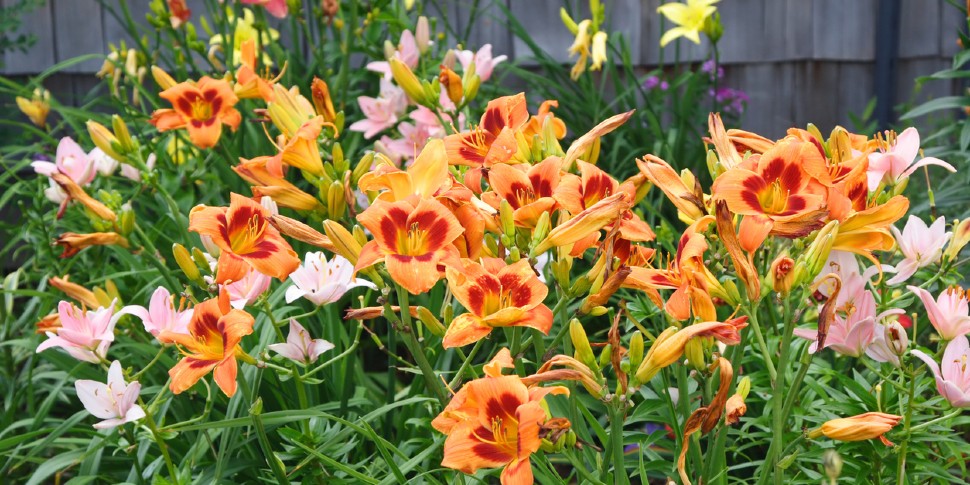
To permanently get rid of daylilies, it's essential to understand their growth patterns and persistence. Daylilies are resilient perennials that can spread quickly if not managed correctly. Here’s a detailed guide to help you eliminate them from your garden effectively.
Understanding Daylily Growth
Daylilies (Hemerocallis spp.) are known for their beautiful blooms and vigorous growth. However, they can become invasive if not controlled. Understanding their growth habits is critical for effective removal. Their roots spread horizontally, forming large clumps that can choke out other plants.
- Rhizome structure: Daylilies reproduce through underground rhizomes, which makes them persistent.
- Seed production: They can also produce seeds, contributing to their spread in gardens.
- Growth season: Daylilies grow vigorously in spring and early summer, making them easier to identify and target.
Manual Removal Techniques
One of the most effective ways to get rid of daylilies is through manual removal. This method requires diligence and can be time-consuming, but it’s eco-friendly and does not involve chemicals.
- Digging out the roots: Use a spade or digging fork to remove the entire plant, including the rhizomes.
- Post-removal care: After digging, ensure that no small root fragments are left behind to regrow.
- Dispose of properly: Place the removed daylilies in a compost bin where they cannot root again.
Chemical Control Options
If manual removal is impractical, chemical herbicides can be an effective alternative. When using herbicides, it's crucial to apply them correctly to minimize harm to surrounding plants.
- Selective herbicides: Use a broad-spectrum herbicide that targets perennials effective against daylilies.
- Timing of application: The best time to apply is in the fall when the plants are storing energy in their roots.
- Follow instructions: Always read and follow label instructions for safe and effective use.
Alternative Methods
There are several alternative methods to control daylilies that do not involve manual labor or chemicals. These methods can also be effective in managing stubborn infestations.
- Mulching: Apply a thick layer of mulch to smother the daylilies, cutting off their light supply.
- Regular mowing: Mow the foliage regularly to weaken the plants over time.
- Plant competition: Introduce more aggressive plants to compete with the daylilies, helping to out-compete them.
Long-term Management Strategies
After the initial removal of daylilies, implementing long-term management strategies is essential to prevent their return. These strategies focus on monitoring and maintaining your garden's ecosystem.
- Regular inspections: Routinely check for any signs of regrowth or new shoots.
- Garden diversification: Plant a variety of species to create a balanced ecosystem less conducive to daylily growth.
- Diligent weeding: Regularly remove weeds and unwanted plants to reduce competition for resources.
How do you get rid of daylilies bugs?
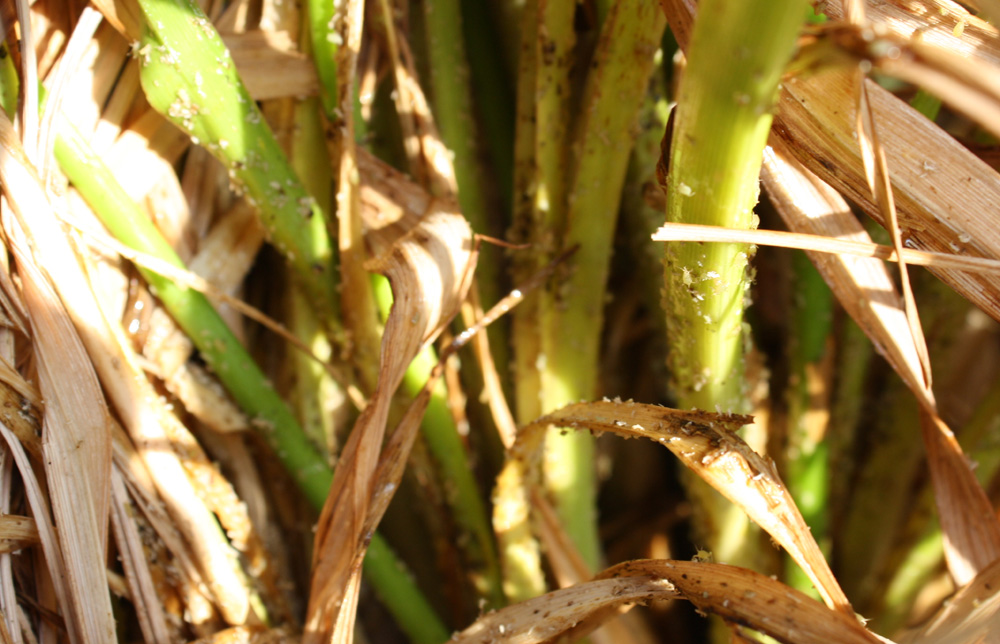
To effectively get rid of daylily bugs, it is essential to adopt a combination of cultural, mechanical, and chemical management practices. Daylily bugs, particularly those belonging to the family Hemiptera, such as Miskin's Lily Bug (Leptoglossus gonagra), can cause significant damage to these beautiful plants. Here are several strategies to manage and eliminate these pests:
Understanding Daylily Bugs
Daylily bugs primarily target daylilies and can often be identified by their distinctive appearance. They vary in color but frequently display a yellow or greenish hue with long, slender bodies. Understanding their lifecycle and behavior is key to controlling them. Adult bugs lay eggs on the leaves, which hatch into nymphs that feed on the plant sap, weakening the daylilies over time.
- Egg Stage: Eggs are laid in clusters on daylily foliage.
- Nymph Stage: Nymphs emerge and start feeding immediately.
- Adult Stage: Adults continue to feed and reproduce, perpetuating the cycle.
Manual Removal
One of the most effective methods for controlling daylily bugs is through manual removal. Regularly inspecting your plants allows you to physically remove these pests.
- Check the underside of leaves, where bugs often hide.
- Use gloves to pick off the bugs and dispose of them in soapy water to ensure they don't return.
- Regular monitoring will help catch infestations early.
Natural Predators
Encouraging natural predators in the garden can help maintain a balanced ecosystem where daylily bugs are kept in check. Several beneficial insects prey on these pests.
See also:
- Ladybugs are known to consume a vast number of aphids and other small pests.
- Parasitic wasps can target daylily bug eggs, reducing their numbers.
- Birds, such as blue jays and sparrows, will naturally help control bug populations.
Insecticidal Soaps
Using insecticidal soaps can be a safe and effective solution for managing daylily bugs without harming beneficial insects. These soaps work by suffocating the pests.
- Choose a product specifically formulated for garden use.
- Spray on affected plants, ensuring thorough coverage of the leaves and stems.
- Repeat applications may be necessary for continued effectiveness.
Cultural Practices
Implementing strong cultural practices enhances the overall health of daylilies, making them more resistant to bug infestations. Certain strategies can deter pests naturally.
- Ensure proper spacing and airflow around the plants to reduce humidity that attracts bugs.
- Practice crop rotation by planting daylilies in different areas each season.
- Maintain proper watering and fertilization to promote healthy plant growth.
How do you get rid of daylilies fungus?

To get rid of daylilies fungus, it is essential to identify the specific type of fungus affecting your plants and take appropriate measures to treat it. The most common fungal diseases that affect daylilies include Daylily Rust and Leaf Spot. Managing these diseases involves a combination of cultural practices, fungicides, and preventive measures.
Identification of Fungal Problems
Identifying the specific fungal infection affecting your daylilies is crucial for effective treatment. Common symptoms include discolored leaves, spots on foliage, or premature wilting.
- Inspect leaves for yellow or orange pustules which indicate Daylily Rust.
- Look for dark or water-soaked spots that signify Leaf Spot disease.
- Check the growth habits of the daylilies to determine if they are stunted or wilting prematurely.
Improving Air Circulation
Improving air circulation around your daylilies can significantly help in preventing the spread of fungal diseases. Crowded plants often experience higher humidity levels that promote fungal growth.
- Space the daylilies adequately when planting to allow airflow.
- Regularly prune any dead or overcrowded foliage.
- Consider planting in rows or clusters to enhance airflow.
Watering Practices
The way you water your daylilies plays a vital role in preventing fungal diseases. Keeping foliage wet for extended periods can promote fungi growth.
- Water at the base of the plants to keep leaves dry.
- Water early in the day to allow for drying before evening.
- Use a soaker hose or drip irrigation system to minimize water contact with foliage.
Application of Fungicides
If cultural practices fail to manage the fungus, applying fungicides may be necessary. Choose products labeled for use on daylilies to ensure safety.
- Use a systemic fungicide to treat existing infections, following the manufacturer's instructions.
- Apply a preventive fungicide during active growth periods to protect against future infestations.
- Rotate different types of fungicides to prevent fungi resistance.
Regular Maintenance and Monitoring
Regular maintenance and monitoring are critical in keeping daylilies healthy and free from fungus. Consistent care can prevent the onset of diseases.
- Inspect plants weekly for any signs of fungal infection.
- Remove any affected leaves promptly to minimize spread.
- Maintain a cleaning schedule for gardening tools to avoid transferring spores.
Questions from Our Readers
What are the signs of a daylily gall midge infestation?
To identify a daylily gall midge infestation, look for distorted buds that fail to open properly, often accompanied by swelling or galls on the flower stalks. These signs typically appear in the spring as the larvae feed on the developing buds, leading to noticeable damage to your daylilies.
How can I effectively control daylily gall midge populations?
Controlling daylily gall midge populations involves a combination of cultural practices and the use of insecticides. Regularly removing and disposing of infested plant material can help eliminate larvae, while applying systemic insecticides during the early stages of growth can prevent further damage to your plants.
Are there any natural remedies for dealing with daylily gall midge?
Yes, some natural remedies may help manage daylily gall midges, such as using neem oil or introducing beneficial insects like ladybugs. These methods work by either deterring the midges or enhancing the overall health of your daylilies, making them less susceptible to infestations.
When is the best time to address a daylily gall midge issue?
The best time to address a daylily gall midge issue is in early spring, just before the bud development stage starts. Early intervention is crucial, as addressing the problem at this stage can significantly reduce the likelihood of severe damage and ensure healthier blooms throughout the growing season.
https://youtube.com/watch?v=64uUgeF6m10

If you want to read more articles like Effective Strategies: How to Get Rid of Daylily Gall Midge?, we recommend you check out our Insects category.
Leave a Reply
Related Articles