What Plants Should You Not Mulch Around? Essential Tips for Your Garden

Mulching is a common gardening practice that offers numerous benefits, such as moisture retention and weed suppression. However, not all plants thrive when mulched. In fact, some can suffer adverse effects, including root rot or hindered growth. Understanding which plants should be kept free from mulch is vital for fostering a healthy garden environment. This article will explore the key plants that should not be mulched, offering essential tips to enhance their care and ensure they flourish. By making informed choices about mulching, you can create a vibrant and thriving garden ecosystem.
Which Plants Should You Avoid Mulching Around?
When considering mulching for your garden, it's essential to recognize that not all plants benefit from this practice. Certain species, such as perennials and bulbs, can be harmed by excessive mulch, which may retain too much moisture and suffocate their roots. Additionally, acid-loving plants like azaleas and rhododendrons can have their growth stunted if the mulch used is not suitable for their pH preferences. Similarly, plants that thrive in drier conditions, such as succulents and some native grasses, can struggle when surrounded by mulch that holds too much water. Understanding the specific needs of each plant type is crucial in ensuring a thriving garden ecosystem.
1. Perennials
Mulching around perennials can be detrimental, especially if the mulch layer is too thick. These plants require good drainage to prevent root rot, and a heavy mulch can trap moisture at the base of the plant. Additionally, some perennials emerge in spring and benefit from warmth at the soil surface, which can be inhibited by a thick mulch layer that keeps the soil too cool.
2. Bulbs
When it comes to bulbs, such as tulips or daffodils, mulch can inhibit their growth. A thick layer of mulch can obstruct the natural warm-up of soil in spring, delaying their emergence and flowering. Moreover, excessive moisture caused by mulch around bulbs can lead to rot and hamper their ability to thrive in the garden.
3. Acid-Loving Plants
Plants like azaleas and rhododendrons thrive in acidic soil conditions. Using mulch that is highly alkaline, such as shredded pine bark, can alter the soil pH unfavorably. Furthermore, a heavy mulch can prevent air circulation to the roots, which is detrimental for these types of acid-loving plants and can lead to their decline in health.
4. Drought-Tolerant Plants
Drought-tolerant plants such as certain succulents and cacti should not be mulched, as they prefer very well-draining conditions. Excessive mulch can retain too much moisture, creating an environment conducive to mold and rot. These plants are adapted to dry climates and benefit more from minimal interference in their natural growth conditions.
5. Small Annuals
Small annuals often find it challenging to grow well beneath layers of mulch. A thick layer can smother young plants, preventing them from establishing properly. Additionally, small annuals require sunlight and air circulation, both of which can be impeded by excessive mulch, stunting their growth and flowering potential.
| Plant Type | Mulch Impact | Reason |
|---|---|---|
| Perennials | Negative | Excess moisture and poor drainage |
| Bulbs | Negative | Obstructs growth and can cause rot |
| Acid-Loving Plants | Negative | Alters soil pH and limits air circulation |
| Drought-Tolerant Plants | Negative | Retains excessive moisture, leading to rot |
| Small Annuals | Negative | Smothers plants and prevents growth |
Where should you not put mulch?
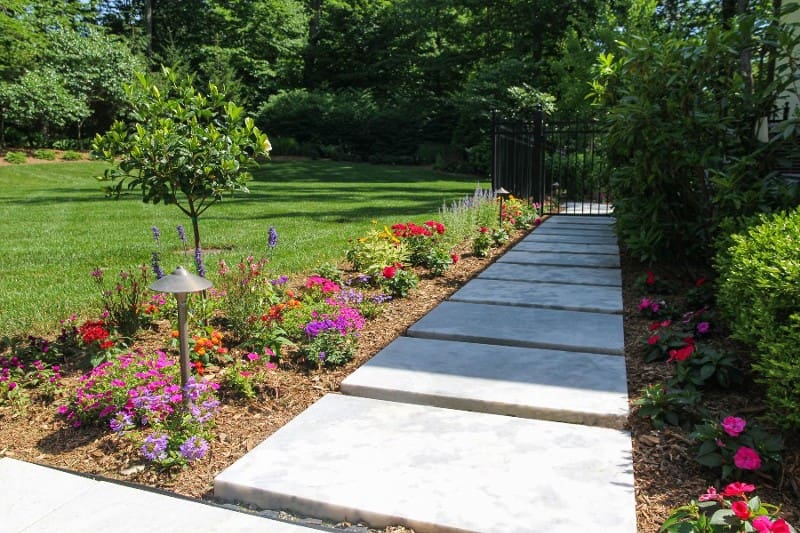
Mulch is an essential component of garden care, providing numerous benefits such as moisture retention, weed suppression, and improved soil health. However, there are specific areas in your landscape where applying mulch can do more harm than good. Here are the places where you should avoid putting mulch:
1. On Top of Plant Crowns
Applying mulch directly on top of the crowns of plants can lead to moisture retention around the base, promoting rot and disease. It's crucial to keep mulch away from the area where the stems shoot up from the soil.
See also:
- It can suffocate the plants.
- Makes them more prone to fungal issues.
- Prevents necessary air circulation.
2. Around Tree Wrapping
Placing mulch against the trunk of trees, especially when they are young, can create a moisture trap that fosters rot and pest infestation. It's essential to maintain a clear space around the trunk.
- Allows for healthy root development.
- Prevents gnawing by animals.
- Keeps the trunk dry and safe from disease.
3. In Established Flower Beds
While mulch is beneficial for flower beds, using it too heavily in established flower beds can smother existing plants and make it harder for new growth.
- Can disrupt the natural ecosystem.
- May prevent adequate nutrient uptake.
- Increases the risk of pests and diseases due to excess dampness.
4. Near Water Features
Applying mulch too close to ponds or fountains may lead to organic matter breaking down in water, which can cause algae blooms and other water quality issues.
- Creates potential contamination Issues.
- Impacts aquatic habitats.
- Cuts off critical drainage pathways.
5. In Areas with Heavy Foot Traffic
If mulch is placed in high-traffic areas, it can become compacted and lose its effectiveness. Furthermore, it may cause slips and falls.
- Destroys the mulch's insulative properties.
- Increases maintenance efforts as it needs frequent replenishment.
- Wears down quicker, leading to excess costs over time.
Is mulch bad for some plants?

Mulch can be beneficial for many plants, but it is important to recognize that it may not be suitable for all types. Certain plants can indeed suffer from the application of mulch due to various reasons such as moisture retention, root suffocation, or the effects of certain types of mulch materials. Understanding the specific needs of individual plants and the characteristics of different mulches is vital for successful gardening.
Potential Harm of Mulch to Plant Roots
Applying mulch too thickly can lead to root suffocation in some plants. When mulch is piled against the base of a plant, it can create a moisture barrier, preventing essential air from reaching the roots. This can cause the roots to rot or lead to fungal growth.
- Roots need oxygen for respiration.
- Excess moisture can promote diseases.
- Mulch should be spread evenly, leaving some space around the base of plants for air circulation.
Types of Mulch That May Be Detrimental
Certain types of mulch can have adverse effects on specific plants. For example, wood chips or bark mulch can deplete nitrogen in the soil as they break down, which can be harmful to nutrient-demanding plants. Additionally, some mulches may introduce pathogens that could harm delicate species.
- Organic mulches can rob soil of nitrogen.
- Inorganic mulches may not provide any nutrients.
- Choosing the right type of mulch based on plant needs is essential.
Impact of Mulch on Moisture Levels
While mulch is generally known for its ability to retain moisture, some plants, especially those that prefer drier conditions, may suffer from excessive moisture retention. Plants like succulents or certain cacti can be sensitive to prolonged wet conditions, leading to root rot.
- Understand the moisture needs of your plants.
- Monitor moisture levels regularly after applying mulch.
- Adjust mulch thickness based on the plant’s specific moisture preferences.
Effects on Soil Temperature
Mulch can influence soil temperature, which may not always align with the needs of specific plants. For example, some cool-season plants may be negatively affected by the heat retention properties of certain mulches during hotter months, potentially stressing the plant.
See also:
- Mulch can keep soil warmer in winter, which is good for some plants.
- In summer, it may overheat roots of heat-sensitive plants.
- Utilize reflective or light-colored mulch to minimize heat absorption.
Allergic Reactions and Chemical Sensitivities
Some plants can be sensitive to chemicals or allergens present in certain mulches. For instance, rubber mulch could leach chemicals into the soil that may affect plant health. Furthermore, some organic mulches may harbor mold spores that can trigger allergic reactions in sensitive individuals.
- Choose mulches that are free from chemicals if you're aware of plant sensitivities.
- Consult local guidelines about mulch materials to reduce allergic reactions.
- Test small areas before widespread application to gauge plant response.
What is a major downside to mulching?

One major downside to mulching is the potential for weed growth. While mulch is often used to suppress weeds, certain types of mulch can inadvertently create an ideal environment for weeds to thrive, particularly if they contain seeds or when mulch is applied too thinly.
Weed Seeds in Organic Mulches
Using organic mulches, such as straw or grass clippings, can lead to an increase in weed seed germination. These materials can contain seeds that then sprout and infest your garden.
- Straw often carries seeds from various weeds.
- Wood chips may host unwanted plants if not processed properly.
- Compost can introduce a variety of seeds if not heat-treated.
Pest Attraction
Mulching can inadvertently attract pests that may cause damage to plants. Certain types of mulch, particularly organic ones, can provide shelter and food for pests such as slugs, snails, and even certain species of rodents.
- Wood chips can hide snails and slugs that thrive in damp environments.
- Leaf mulch can harbor insects, including aphids.
- Organic mulch may invite rodents that dig through the gardens.
Nutrient Competition
While mulch ideally breaks down and enriches the soil, it can also lead to nutrient competition. As the organic material decomposes, it may compete with plants for essential nutrients.
- Carbon-rich mulches can temporarily tie up nitrogen in the soil.
- Decomposing materials may draw away nutrients that plants need.
- Excessive mulch can create physical barriers to root growth.
Moisture Retention Issues
While mulch helps retain moisture, too much mulch can create moisture retention issues that lead to root rot or other plant health problems.
- Thick layers may retain too much water and suffocate roots.
- Improper application can lead to over-saturation.
- Waterlogged conditions can encourage fungal diseases.
Time and Maintenance
Implementing mulching requires ongoing time and maintenance to ensure it remains effective.
- Regular replenishment may be needed to maintain proper coverage.
- Weed control must still be monitored, despite the mulch.
- Removal and replacement may be required periodically.
Questions from Our Readers
What plants should you avoid mulching around?
Plants that tend to dislike mulch include cacti, succulents, and certain tropical plants. These species generally require well-draining soil and an excess of mulch can lead to root rot and other moisture-related issues. Additionally, edible plants like strawberries may also suffer from fungal diseases if improperly mulched.
Why is mulching sometimes harmful for certain plants?
Mulching can be harmful due to the fact that it creates a moist environment that some plants cannot tolerate. Certain species, particularly those that thrive in dry climates, may find their roots overly saturated, leading to rot or disease. It's essential to consider the specific needs and growing conditions of each plant before applying mulch.
See also:
Can mulching affect the growth of vegetables?
Yes, mulching can significantly impact the growth of vegetables. While it helps to retain soil moisture and suppress weeds for many varieties, certain vegetable plants like tomatoes and potatoes may suffer if mulch retains too much moisture around their base, leading to blight and other diseases. Adjusting the type and amount of mulch is crucial.
How can you tell if your plants are not reacting well to mulch?
Signs that plants are not reacting well to mulch include yellowing leaves, stunted growth, and an increase in pests or diseases. If you notice that your plants appear to be struggling or if there’s a sudden change in their health after mulching, it may indicate that the mulching method needs adjusting or that mulch should be removed.

If you want to read more articles like What Plants Should You Not Mulch Around? Essential Tips for Your Garden, we recommend you check out our Mulch category.
Leave a Reply