Do Lilies Like Pine Mulch? Essential Guide to Optimal Garden Care

Lilies are a beloved choice for gardeners due to their striking beauty and variety. However, creating the ideal environment for these elegant flowers requires careful consideration of garden practices, including mulch selection. Pine mulch, with its natural acidity and moisture-retaining properties, can significantly impact the growth and health of lilies. This essential guide will explore the benefits and potential drawbacks of using pine mulch in your garden, helping you make informed decisions to ensure your lilies thrive. From soil chemistry to moisture levels, understanding these elements can enhance your gardening experience and lead to stunning results.
Do Lilies Benefit from Pine Mulch?
Lilies can indeed benefit from pine mulch as it helps retain moisture, suppress weeds, and maintain an ideal soil temperature. The acidic nature of pine mulch aligns well with the preferences of many lily varieties, particularly those that thrive in slightly acidic soils. However, it's essential to monitor the mulch thickness to prevent fungal diseases and ensure proper drainage. As long as the mulch is applied thoughtfully, incorporating pine mulch into the garden can create an optimal environment for healthy lily growth.
Benefits of Pine Mulch for Lilies
Pine mulch offers several advantages to lily plants, including improved moisture retention and enhanced soil structure. Its ability to break down slowly adds essential nutrients back into the soil over time, enriching the growing medium for the lilies. This organic material also provides a protective layer against extreme temperatures and helps to maintain the microclimate around the plants, fostering an environment conducive to growth.
Ideal Application Techniques
Applying pine mulch correctly is crucial for maximizing its benefits to lilies. A layer of about 2 to 3 inches is typically recommended, as this thickness strikes the right balance of moisture retention and aeration. It's essential to keep the mulch a few inches away from the base of the lilies to prevent rot and ensure air circulation around the stems. Regular checks should be made to refresh the mulch as it breaks down over time.
Potential Drawbacks of Pine Mulch
While pine mulch can be beneficial, there are potential drawbacks to consider. The acidic nature of pine needles may not suit all lily types, particularly those that prefer neutral to alkaline conditions. Additionally, if used excessively or without proper monitoring, pine mulch can lead to overly damp conditions, fostering fungal diseases. It's critical to assess the specific needs of the lily varieties in your garden before making extensive use of this mulch.
Comparing Pine Mulch with Other Mulch Types
When comparing pine mulch to other types, such as bark, straw, or grass clippings, each has unique benefits and drawbacks. Bark mulch, for instance, tends to break down slower than pine, providing longer-lasting coverage but may not offer the same acidity benefits. Straw can harbor pests and promote weed growth, while grass clippings might attract unwanted insects if not properly managed. In many cases, pine mulch emerges as a versatile option that balances these concerns effectively.
Tips for Maintaining Mulched Lilies
Maintaining lilies that have been mulched with pine involves regular observation and care. Ensuring proper drainage is vital; it prevents waterlogging that can lead to root rot. Additionally, replenishing the pine mulch annually will not only sustain aesthetic appeal but also contribute ongoing nutrients to the soil. Monitoring for pests and diseases is also important, as healthy, well-maintained lilies are resilient to environmental stress.
| Aspect | Pine Mulch | Other Mulch Types |
|---|---|---|
| Acidity | Slightly acidic | Varies |
| Moisture Retention | Good | Varies |
| Longevity | Moderate | Varies |
| Weed Suppression | Effective | Varies |
| Soil Nutrient Contribution | Yes | Varies |
What plants benefit from pine mulch?
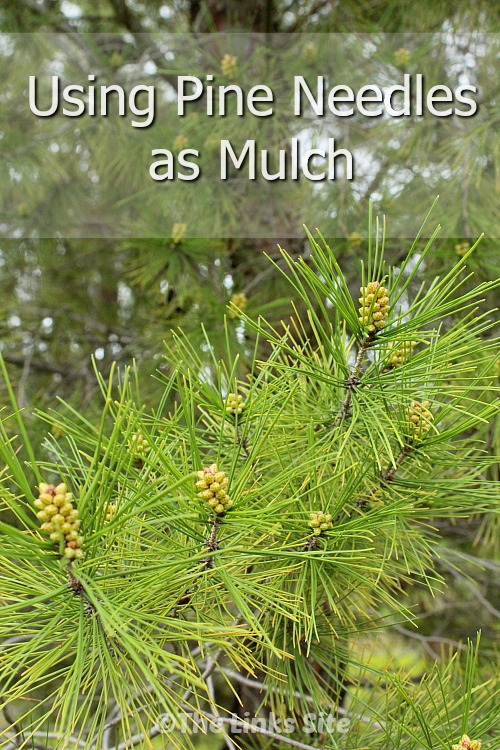
Pine mulch is widely recognized for its beneficial properties in gardening and landscaping. It is derived from the bark of pine trees, and it holds a myriad of advantages for various plants. The following sections highlight the types of plants that show significant benefits from pine mulch.
1. Acid-Loving Plants
Many acid-loving plants thrive in conditions enriched by pine mulch. The decomposition of pine bark results in an acidic environment, which is ideal for certain species.
- Azaleas: Known for their stunning blooms, azaleas flourish in acidic soils.
- Rhododendrons: These shrubs appreciate the nutrient-rich, slightly acidic conditions that pine mulch provides.
- Blueberries: They require acidic soil and significantly benefit from pine mulch's pH level.
2. Perennial Flowers
Perennial flowers can also see enhanced growth and vitality when planted with pine mulch. The mulch maintains consistent moisture, reduces weed competition, and gradually enriches the soil.
- Hostas: They thrive in the shade and appreciate the moisture-retaining properties of pine mulch.
- Daylilies: Known for their resilience, daylilies benefit from the moisture retention that pine mulch offers.
- Peonies: These plants enjoy adequate drainage and can benefit from the insulation of pine mulch in cooler months.
3. Vegetable Gardens
In vegetable gardening, pine mulch serves multiple purposes, including moisture retention, reduced soil erosion, and suppression of weeds. It allows roots to access crucial nutrients while stabilizing soil temperature.
- Tomatoes: They benefit from the consistent moisture and temperature regulation offered by pine mulch.
- Peppers: The mulch helps in keeping soil moisture, which is essential for pepper plants.
- Carrots: Carrots thrive with the weed suppression and moisture retention that pine mulch provides.
4. Trees and Shrubs
Young trees and shrubs benefit immensely from the application of pine mulch, as it protects the root systems and provides nutrients as it breaks down.
See also:
- Maple trees: They enjoy the protection from weeds and improved moisture retention that pine mulch offers.
- Oak trees: Young oaks develop stronger root systems with the insulation provided by pine mulch.
- Evergreens: They retain moisture better and can adjust to their acidic liking with derived nutrients from pine mulch.
5. Ground Covers
Ground covers benefit significantly from pine mulch, as it helps them spread and establish their root systems while also suppressing weeds.
- Pachysandra: This evergreen ground cover thrives in shaded areas and does well with pine mulch.
- Vinca: Vinca plants can spread out well with the moisture retention provided by pine mulch.
- Ajuga: This low-growing plant benefits from reduced weed competition when pine mulch is applied.
Do daylilies like pine mulch?
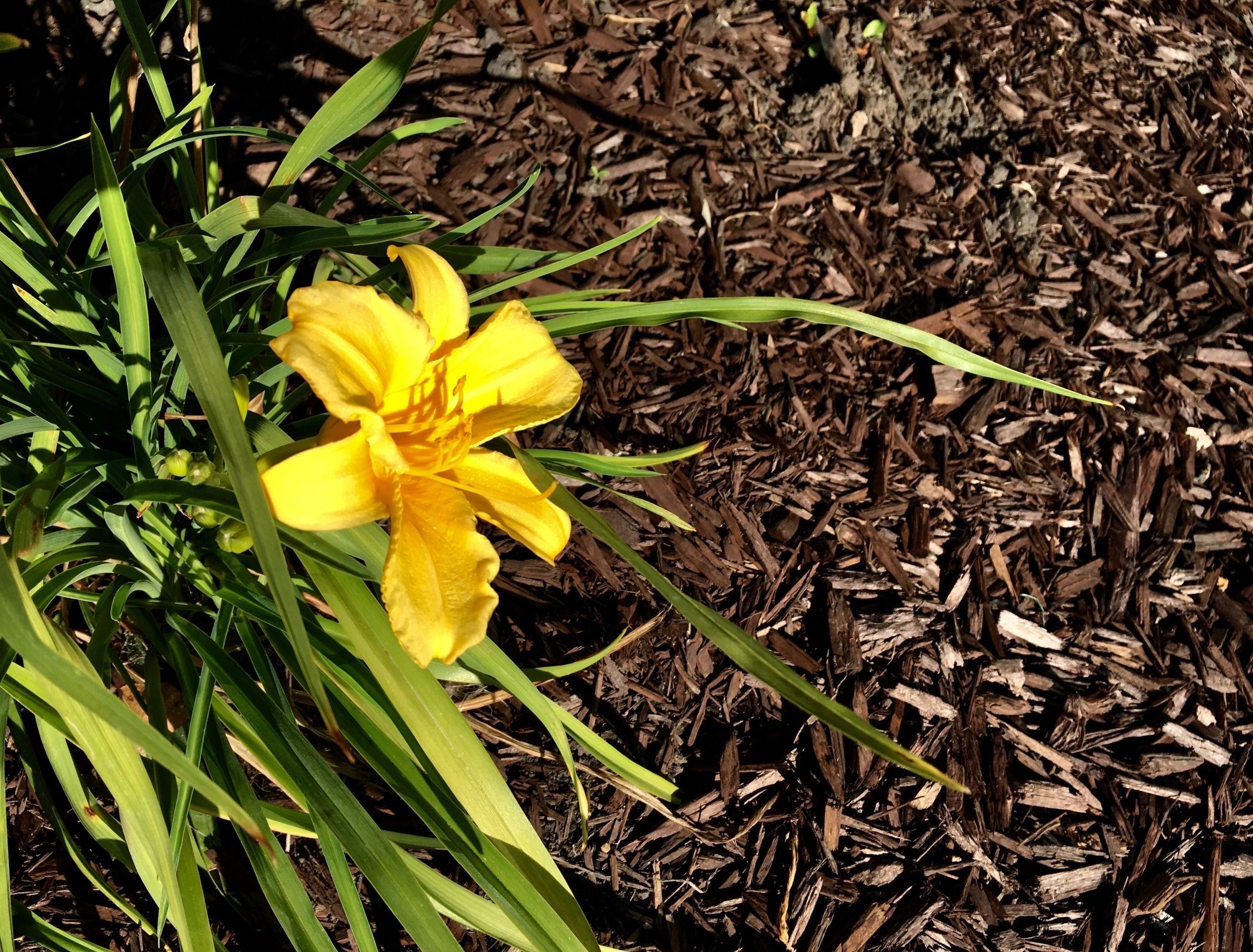
Daylilies, known scientifically as Hemerocallis, benefit from various types of mulch, including pine mulch. This organic material not only provides aesthetic value but also serves several practical purposes in garden management. When choosing mulch for daylilies, understanding the effects of pine mulch on their growth can aid in optimal plant health.
Benefits of Pine Mulch for Daylilies
Pine mulch offers a variety of benefits that can enhance the growth and health of daylilies.
- Moisture Retention: Pine mulch helps retain soil moisture by reducing evaporation, which is crucial for daylilies that require consistent water.
- Weed Suppression: A layer of pine mulch can effectively suppress weeds, reducing competition for nutrients and water.
- Soil Temperature Regulation: Pine mulch provides insulation for the soil, keeping it cooler in summer and warmer in winter, which is beneficial for root development.
Acidity of Pine Mulch
One of the notable characteristics of pine mulch is its slightly acidic nature, which can influence soil pH levels.
- Soil pH Impact: Pine mulch will gradually break down and release acids, which can lower soil pH, making it slightly more acidic.
- Adaptability of Daylilies: Daylilies generally adapt well to a range of pH levels, but they particularly thrive in neutral to slightly acidic soils.
- Testing Soil pH: It's advisable to test soil pH periodically if using pine mulch to ensure it remains within an optimal range for daylilies.
How to Apply Pine Mulch
Proper application of pine mulch can maximize its benefits for daylilies.
- Layer Thickness: Aim for a mulch layer of 2 to 3 inches to effectively suppress weeds and retain moisture without suffocating the plants.
- Distance from Stems: Keep the mulch away from the stems of the daylilies to prevent rot and encourage healthy airflow.
- Regular Maintenance: Monitor the mulch layer throughout the growing season, adding more as needed to maintain the desired thickness.
Pine Mulch vs. Other Mulch Types
Choosing the right mulch type can affect daylily growth and overall garden health.
- Comparative Benefits: Hickory, cedar, and hardwood mulches can provide different benefits, but pine mulch is particularly valued for its moisture-retaining qualities.
- Aesthetic Appeal: Pine mulch has a distinctive appearance that many gardeners prefer, providing a pleasing backdrop for the vibrant flowers.
- Cost and Availability: Pine mulch is often more affordable and readily available than some other types of mulch, making it a practical choice.
Potential Drawbacks of Pine Mulch
While pine mulch has numerous benefits, it also comes with some considerations.
- Rot and Decomposition: As pine mulch decomposes, it may need to be replenished more frequently compared to other, slower-decomposing materials.
- Allergic Reactions: Some gardeners might be sensitive to the dust that can be produced when spreading pine mulch.
- Pine Beetles: There is a risk of introducing pests like pine beetles, which may affect nearby plants.
Is pine mulch ok for flower beds?

Pine mulch can be an excellent choice for flower beds due to its unique characteristics and benefits. It offers a variety of advantages that can help improve the overall health and aesthetics of flowering plants.
Benefits of Pine Mulch
Pine mulch provides numerous benefits for flower beds, including:
- Moisture Retention: Pine mulch helps retain moisture in the soil, reducing the need for frequent watering.
- Weed Control: By covering the soil, it inhibits weed growth, allowing your flowers to compete more effectively for nutrients.
- Aesthetic Appeal: Its natural color and texture add a beautiful finish to flower beds, enhancing the garden's overall appearance.
Acidity Level of Pine Mulch
One of the distinctive features of pine mulch is its acidity. The impact of this acidity on flower beds can be significant, depending on the types of flowers planted.
- Soil pH Impact: Pine mulch tends to slightly acidify the soil over time, which can benefit plants that prefer acidic conditions, such as azaleas and rhododendrons.
- pH-sensitive Plants: It’s important to consider the pH preference of your flowers; some might thrive in altered conditions while others may suffer.
- Regular Testing: Regular soil testing is recommended to monitor pH levels and ensure that it remains suitable for your garden plants.
Longevity and Decomposition
Pine mulch is known for its long-lasting qualities, depending on usage and environmental conditions.
See also:
- Durability: It decomposes slower than other organic mulches, giving it an edge in terms of lifespan.
- Organic Matter Contribution: As it breaks down, it adds organic matter to the soil, which benefits soil structure.
- Maintenance Needs: Regularly replenishing the mulch is necessary, but its longer lifespan reduces the frequency of replacement compared to other mulch options.
Compatibility with Other Mulch Types
Pine mulch can be effectively combined with other types of mulch for enhanced benefits in flower beds.
- Layering Techniques: Combining pine mulch with bark or straw can create a more effective weed barrier while providing varying textures.
- Seasonal Changes: Mixing mulch types can improve insulation for roots during winter and prevent overheating in summer.
- Visual Appeal: Using different mulch types can add visual interest and depth to flower beds.
Potential Drawbacks of Pine Mulch
While there are many benefits to using pine mulch, it’s essential to consider potential drawbacks as well.
- Initial Cost: Pine mulch can be more expensive than other options, impacting initial gardening budgets.
- Fire Risk: Being flammable, it requires careful placement near hot areas or fire-prone regions.
- Stringency on Plant Types: It may not be suitable for all plant types, especially those that thrive in neutral to alkaline soils.
Can you put mulch around lilies?
Yes, you can put mulch around lilies. Mulching offers several benefits that can enhance the growth and health of lily plants. It helps to conserve moisture in the soil, suppress weeds, and regulate soil temperature. When applying mulch around lilies, it's essential to choose the right type of mulch and apply it correctly.
Benefits of Mulching Around Lilies
Mulching provides multiple benefits for lily plants:
- Moisture Retention: Mulch helps keep the soil moist by reducing evaporation. This is particularly important for lilies, which thrive in well-hydrated conditions.
- Weed Suppression: A layer of mulch can prevent weeds from germinating and competing for nutrients and space, allowing lilies to grow more freely.
- Soil Temperature Regulation: Mulch acts as an insulating layer, keeping the soil cooler in summer and warmer in winter, which can help establish healthy lily roots.
Types of Mulch Suitable for Lilies
There are various types of mulch that can be used around lilies:
- Organic Mulch: Materials like wood chips, bark, straw, or shredded leaves provide nutrients as they break down.
- Inorganic Mulch: Options such as pebbles or landscape fabric can help retain soil moisture but do not add nutrients over time.
- Compost: Using compost as mulch enriches the soil with nutrients, promoting strong growth for lilies.
How to Apply Mulch Around Lilies
Applying mulch correctly is key to its effectiveness:
- Clear the Area: Remove any weeds or debris from around the base of the lilies before applying mulch.
- Layer Thickness: Aim for a mulch layer of about 2 to 4 inches. Too thick of a layer can suffocate the plants, while too thin may not provide adequate benefits.
- Keep Away from Stems: Ensure that the mulch does not touch the actual lily stems, as this can lead to rot and other issues.
Best Time to Mulch Lilies
The timing of mulch application can influence its effectiveness:
- In Spring: Applying mulch in early spring helps to retain moisture as the weather warms up and plants begin to grow.
- After Planting: Newly planted lilies benefit from mulch immediately after planting to help establish their roots.
- Before Winter: Adding mulch before winter can protect the bulbs from freezing temperatures and help retain soil moisture.
Potential Drawbacks of Mulching
While mulching has many advantages, there are a few potential drawbacks to consider:
- Over-Mulching: Applying too much mulch can create a barrier that prevents water from reaching the soil, potentially harming the lilies.
- Decomposition: Organic mulches can break down over time and may require replenishment to maintain their benefits.
- Pest Attraction: Some types of mulch might attract pests or harbor diseases if not managed properly.
Questions from Our Readers
Do lilies thrive in pine mulch?
Yes, lilies can thrive in pine mulch, as it helps retain moisture and provides a protective barrier against weeds. The acidic properties of pine mulch may benefit some lily varieties, particularly those that prefer slightly acidic soil conditions.
Is pine mulch harmful to lilies?
No, pine mulch is generally not harmful to lilies. However, excessive use may lead to overly acidic soil, which could be detrimental to certain lily species that prefer neutral to alkaline conditions. It's important to monitor the pH level of the soil periodically.
How often should I replenish pine mulch around lilies?
It's advisable to replenish pine mulch every 1 to 2 years to maintain its effectiveness. This helps preserve its moisture-retaining properties and keeps the area around your lilies free from weeds.
Can pine mulch attract pests that harm lilies?
While pine mulch itself does not attract pests, it can provide a habitat for certain insects if it remains moist. It's important to keep the mulch dry and inspect your lilies regularly to prevent any pests from becoming a problem.
See also:

If you want to read more articles like Do Lilies Like Pine Mulch? Essential Guide to Optimal Garden Care, we recommend you check out our Mulch category.
Leave a Reply