Should You Put Mulch Around Hostas? Discover the Benefits and Best Practices

Mulching around hostas is a gardening practice that can significantly enhance the health and appearance of these popular shade-loving plants. As hostas thrive in moist, nutrient-rich environments, the right mulch can help retain soil moisture, suppress weeds, and improve soil quality. However, not all mulching techniques are created equal, and understanding the benefits and best practices can make a substantial difference in the success of your hosta garden. In this article, we will explore the advantages of mulching hostas, the types of mulch to consider, and essential tips for applying it effectively.
Should You Put Mulch Around Hostas?
Mulching around hostas can be highly beneficial for their growth and overall health. Applying a layer of mulch helps to retain moisture in the soil, which is crucial since hostas thrive in consistently damp conditions. It also acts as a barrier against weeds, reducing competition for nutrients and light. Furthermore, mulch can provide a more stable microclimate, protecting roots from extreme temperatures and promoting healthier plant development. Additionally, as organic mulch decomposes, it adds valuable nutrients to the soil, enhancing the hostas' nutrient uptake.
Benefits of Mulching Hostas
Mulching hostas offers numerous benefits that contribute to their growth and appearance. The practice helps in retaining soil moisture, which is vital for hostas that prefer evenly moist soil. It also suppresses weeds, minimizing competition for resources and ensuring that hostas receive adequate light and nutrients. Furthermore, mulch can help regulate soil temperature, keeping the roots cooler during hot weather and warmer during cold spells, thereby promoting healthier plants throughout the seasons.
Types of Mulch for Hostas
When selecting mulch for hostas, there are several options to consider. Organic materials such as wood chips, shredded bark, straw, or compost enrich the soil as they break down, providing essential nutrients over time. Additionally, these materials improve water retention, making them ideal for hostas. Inorganic mulches, such as gravel or stones, may also be used, although they do not contribute organic matter to the soil. It’s important to choose a mulch that complements your garden’s aesthetic while also meeting the requirements of the hostas.
How to Apply Mulch Around Hostas
To effectively apply mulch around hostas, begin by ensuring the soil is adequately moistened. Remove any weeds or debris from the area to prevent competition and diseases. Spread a layer of mulch, ideally about 2 to 3 inches thick, around the base of the hostas, keeping the mulch a few inches away from the plant stems to avoid rot. It’s essential to check the mulch periodically, adding more as needed and ensuring it remains loose to allow for air circulation and moisture retention.
Timing for Mulching Hostas
The best time to mulch hostas is in early spring, once the ground has thawed and before the plants emerge. This timing allows the mulch to suppress weeds and retain moisture as the hostas start to grow. It is also beneficial to refresh the mulch in the fall, helping to protect the roots during winter and prevent erosion. Care should be taken not to apply mulch too late in the season, as this can interfere with the plant's natural growth cycle.
Maintaining Mulch Around Hostas
Maintaining mulch around hostas is vital for its effectiveness. Regularly check the depth and consistency of the mulch layer, replenishing it as needed to retain its benefits. As the mulch decomposes over time, it is important to mix it into the soil to improve soil health and prevent compaction. Monitoring for any pests or diseases that may arise in the mulch layer is also essential, allowing for quick intervention to keep your hostas healthy.
| Benefit | Description |
|---|---|
| Soil Moisture Retention | Helps keep soil consistently damp for hostas. |
| Weed Suppression | Minimizes competition for resources. |
| Temperature Regulation | Keeps roots cooler in summer and warmer in winter. |
| Nutrient Addition | Organic mulch enriches soil as it decomposes. |
| Soil Aeration | Loose mulch allows air circulation around roots. |
Do hostas like mulch around them?

Yes, hostas do appreciate having mulch around them. Mulching provides several benefits that contribute positively to their growth and overall health. Hostas, being shade-loving plants, thrive best in environments that maintain consistent moisture and temperature. Applying mulch helps achieve these conditions.
Benefits of Mulching for Hostas
Mulching offers numerous benefits, including moisture retention, temperature regulation, and weed suppression. Here are some key advantages:
- Moisture Retention: Mulch helps keep the soil moist by reducing evaporation.
- Temperature Regulation: A layer of mulch can insulate the soil, keeping it cooler in summer and warmer in winter.
- Weed Suppression: Mulch acts as a barrier that prevents weed growth, which can compete with hostas for nutrients and water.
Best Types of Mulch for Hostas
Choosing the right type of mulch is crucial for the health of your hostas. Some of the best types include:
- Organic Mulch: Bark chips, shredded leaves, or straw can decompose and improve soil health over time.
- Wood Chips: These provide excellent moisture retention and help insulate the roots.
- Pine Needles: They are also effective and can create a slightly acidic environment that hostas enjoy.
How to Apply Mulch Around Hostas
Proper application of mulch around hostas is essential for maximizing its benefits. Follow these steps:
See also:
- Clean the Area: Remove any weeds or old mulch before applying a new layer.
- Choose the Right Depth: Apply mulch about 2 to 4 inches deep to prevent suffocating the hosta roots.
- Leave Space: Ensure there’s a small gap around the plant’s crown to prevent rot.
When to Mulch Hostas
Timing is important when it comes to mulching hostas. Here’s when you should apply mulch:
- In Early Spring: Mulching in spring helps retain moisture during the growing season.
- After Planting: New hostas benefit from immediate mulch application to reduce stress.
- Before Winter: Applying mulch in late fall can protect roots from freezing temperatures.
Common Mistakes When Mulching Hostas
Avoiding common pitfalls can ensure that mulching is beneficial. Here are errors to watch out for:
- UsingToo Much Mulch: Excess deep mulch can suffocate roots and lead to rot.
- Neglecting Soil Health: Failing to improve soil health by periodically adding organic matter can limit benefits.
- Ignoring Drainage: Poor drainage can lead to standing water, which hostas do not tolerate well.
What should I put around my hostas?
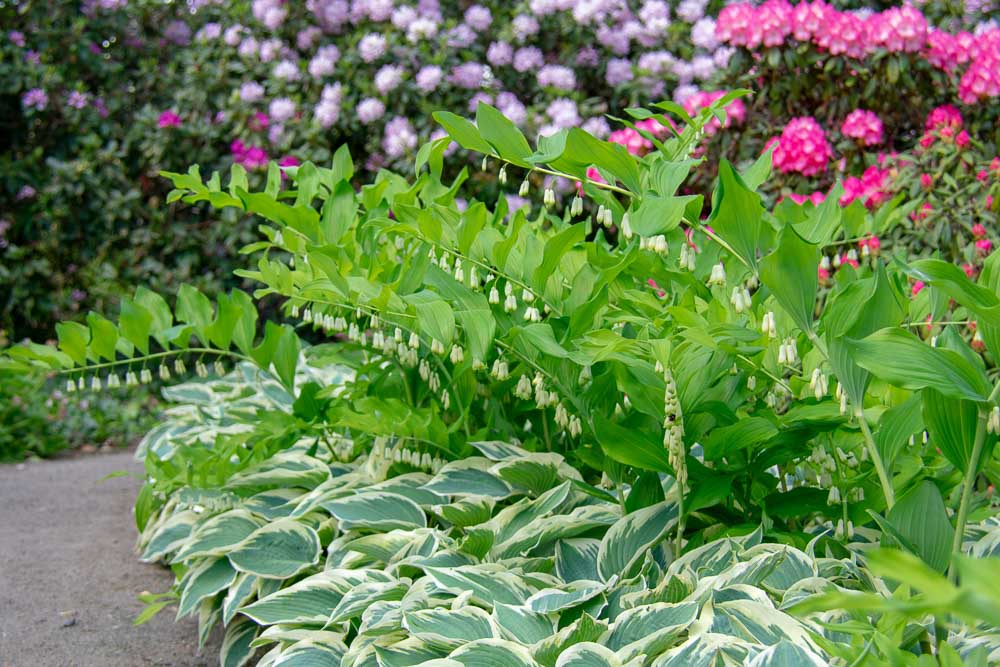
When considering what to put around your hostas, there are several options that can enhance their appearance and health. Here are some suggestions for ground covers, mulch, and decorative borders that can complement your hostas well.
Ground Covers
Using ground covers around your hostas can prevent weeds and maintain moisture in the soil. Some suitable options include:
- Pachysandra: A low-growing evergreen that thrives in shade.
- Ajuga: Known for its attractive foliage and blue flowers.
- Vinca minor: A hardy plant with trailing vines and purple blossoms.
Mulch Options
Applying mulch around your hostas can provide numerous benefits including moisture retention and temperature regulation. Here are some excellent choices:
- Bark mulch: Ideal for enriching soil as it decomposes.
- Straw: An organic option that breaks down quickly and adds nutrients.
- Shredded leaves: Readily available and a natural way to improve soil quality.
Decorative Borders
Installing decorative borders can enhance the aesthetic appeal of your hostas' location in the garden. Consider these materials:
- Stone edging: Adds a rustic look and prevents soil erosion.
- Wooden borders: Can be used to create a natural, warm feel in the landscape.
- Metal edging: Provides a sleek, modern appearance that is durable and easy to maintain.
Companion Plants
Choosing the right companion plants to place around your hostas can enhance their growth and visual interest. Suitable companions include:
- Ferns: Their delicate foliage contrasts beautifully with hostas.
- Astilbe: Adds color and blooms in similar conditions.
- Bleeding Heart: Offers unique flowers and thrives in shady areas.
Environmental Considerations
When deciding what to put around your hostas, it’s important to consider environmental factors that can impact their growth. Here's what to keep in mind:
- Sunlight: Hostas prefer partial to full shade, so choose plants that thrive in similar conditions.
- Soil type: Ensure the surrounding material is compatible with hosta’s preference for moist, well-draining soil.
- Watering needs: Select mulch and ground covers that help maintain consistent moisture without competing for nutrients.
What plants should you not mulch around?

Mulching is a beneficial practice in gardening that helps retain moisture, suppress weeds, and improve soil health. However, certain plants do not benefit from being mulched, as it can lead to various issues. Here are some plants that you should avoid placing mulch around:
1. Succulents: These plants thrive in well-drained soil and are sensitive to excess moisture. When mulched, especially with organic materials, the soil can retain too much moisture, leading to rot.
See also:
2. Cacti: Similar to succulents, cacti prefer dry conditions. Mulching around them can keep the soil damp and increase the risk of fungal infections and rot.
3. Crown Vetch: This is a ground cover plant that can be quite invasive. Mulching can encourage its spread by creating a covered environment that is ideal for growth.
4. Certain Herbaceous Perennials: Some, like peonies and certain types of lilies, may develop rot around the crown if mulched. Mulch can hold too much moisture against the plant’s base.
5. Woody Shrubs and Trees: For established woody plants, mulch can create a barrier that retains too much moisture at the root zone, leading to root rot and pest problems.
Succulents and Cacti
Succulents and cacti are specially adapted to arid climates, storing water in their leaves and stems. They require excellent drainage and do not need mulch, as it can lead to over-moistening.
- Both thrive in dry soil conditions.
- Mulching may lead to rot and fungal diseases.
- They benefit from exposure to air circulation.
Ground Covers
Certain ground covers like Crown Vetch can become invasive if mulched. The mulch can create an ideal environment that promotes their growth and expansion, which might negatively impact other plants in your garden.
- Facilitates crowding out of desirable plants.
- Invasiveness can lead to management issues.
- May require extra control measures to prevent spread.
Herbaceous Perennials
Some herbaceous perennials, such as peonies, do not respond well to mulch. The material can trap moisture around the crown, which can lead to crown rot and other diseases.
- Excessive moisture can cause crown damage.
- Proper airflow is essential for health.
- They often thrive in well-drained environments.
Woody Shrubs and Trees
Established woody shrubs and trees may not need mulch as much as younger plants. Mulch can hold moisture next to the roots, leading to root rot or inviting pests. It’s crucial to monitor the health of these plants if mulch is used.
- Heavy mulch can lead to root rot.
- Pests may thrive in overly moist conditions.
- Better to use mulch sparingly or strategically.
Plants Sensitive to Root Disturbance
Certain plants are sensitive to changes in their root environment. Applying mulch too thickly can disrupt their root system, leading to stress and poor growth.
- Thick mulch layers can suffocate roots.
- Some plants prefer unmulched soil for growth.
- Better airflow can enhance root health.
Questions from Our Readers
Should you put mulch around hostas?
Yes, it is beneficial to put mulch around hostas as it helps in retaining moisture, suppressing weeds, and regulating soil temperature. Mulch also provides a nice aesthetic to the garden and can improve the overall health of your hostas by preventing disease.
What type of mulch is best for hostas?
When choosing a mulch for hostas, organic options such as shredded bark, wood chips, or pine needles are ideal. These materials not only provide effective moisture retention but also decompose over time, enriching the soil with nutrients.
How thick should the mulch be around hostas?
For optimal results, it is recommended to apply a mulch layer of about 2 to 4 inches around hostas. This thickness is sufficient to keep weeds at bay and maintain soil moisture without suffocating the plants.
See also:
When is the best time to apply mulch around hostas?
The best time to apply mulch around hostas is in early spring as new growth begins to emerge. This timing allows you to protect the young plants from temperature fluctuations while also suppressing weeds before they start to grow.

If you want to read more articles like Should You Put Mulch Around Hostas? Discover the Benefits and Best Practices, we recommend you check out our Mulch category.
Leave a Reply