Should You Mulch Around Annuals? Discover the Benefits and Best Practices

Mulching around annuals is a gardening practice that often sparks debate among enthusiasts and professionals alike. While some swear by the benefits of mulch for aesthetics and plant health, others remain unconvinced of its necessity. This article delves into the advantages of mulching, including moisture retention, weed suppression, and temperature regulation, all of which can enhance the growth and vitality of your annuals. Additionally, we will explore best practices for applying mulch to ensure that your garden thrives. Whether you're a seasoned gardener or a novice, understanding the role of mulch can significantly impact your gardening success.
Should You Mulch Around Annuals?
Mulching around annuals is highly recommended as it provides numerous benefits that foster their growth and sustainability. Applying a layer of mulch helps to retain moisture in the soil, suppresses weed growth, and regulates soil temperature. Furthermore, as the mulch breaks down, it adds organic matter to the soil, improving its overall quality and enhancing nutrient availability for the plants. By choosing the right type of mulch, gardeners can create a more favorable environment for their annual plants to thrive.
Benefits of Mulching Annuals
One of the key benefits of mulching annuals is moisture retention. By covering the soil with a layer of mulch, water evaporates more slowly, allowing the plants to access consistent moisture throughout the growing season. This is particularly beneficial during hot, dry periods when water is scarce. Additionally, mulch helps to maintain a more even soil temperature, which can lead to better root development and overall plant health.
Types of Mulch for Annuals
When choosing mulch for annuals, gardeners have several options including organic materials like wood chips, straw, and grass clippings, as well as inorganic choices such as rubber or landscape fabric. Organic mulches not only suppress weeds but also provide essential nutrients as they decompose. On the other hand, inorganic mulches can offer lasting coverage and are often more effective at moisture retention without breaking down. The choice of mulch can depend on factors such as aesthetics, availability, and the specific needs of the annuals being grown.
How to Apply Mulch Around Annuals
To effectively apply mulch around annuals, it is crucial to first prepare the soil by removing weeds and debris. Once the area is clean, a layer of mulch should be spread evenly, typically about 2 to 4 inches thick, taking care not to pile it against the stems of the plants. This practice prevents moisture buildup that can lead to stem rot and other issues. Regularly check the mulch layer and replenish it as needed to maintain benefits throughout the growing season.
Timing for Mulching Annuals
The best time to apply mulch around annuals is either in the spring after the plants are established or in the fall as they are preparing for dormancy. Early spring mulching helps to conserve soil moisture and suppress weeds as annuals start to grow. Conversely, fall mulching can protect plant roots from colder temperatures while also enriching the soil as the mulch decomposes over time. Understanding local climate conditions can significantly influence the timing of your mulching.
Common Mistakes When Mulching Annuals
One common mistake gardeners make when mulching around annuals is using too much mulch, which can lead to problems such as suffocated roots and poor air circulation. Another error is failing to keep the mulch away from the plant's stems, increasing the risk of fungal diseases due to excessive moisture. Additionally, using non-organic materials in situations where organic mulch would be more beneficial can also hinder plant growth. Awareness of these pitfalls can ensure that the benefits of mulching are fully realized.
| Benefit | Description |
|---|---|
| Moisture Retention | Helps keep soil moisture consistent, reducing the need for frequent watering. |
| Weed Suppression | Prevents weed growth that competes with annuals for nutrients and water. |
| Soil Temperature Regulation | Maintains stable soil temperatures, favorable for root development. |
| Nutrient Addition | As organic mulch decomposes, it enriches the soil with nutrients. |
| Aesthetics | Offers a neat appearance to the garden while benefiting plant health. |
Should you put mulch around annuals?
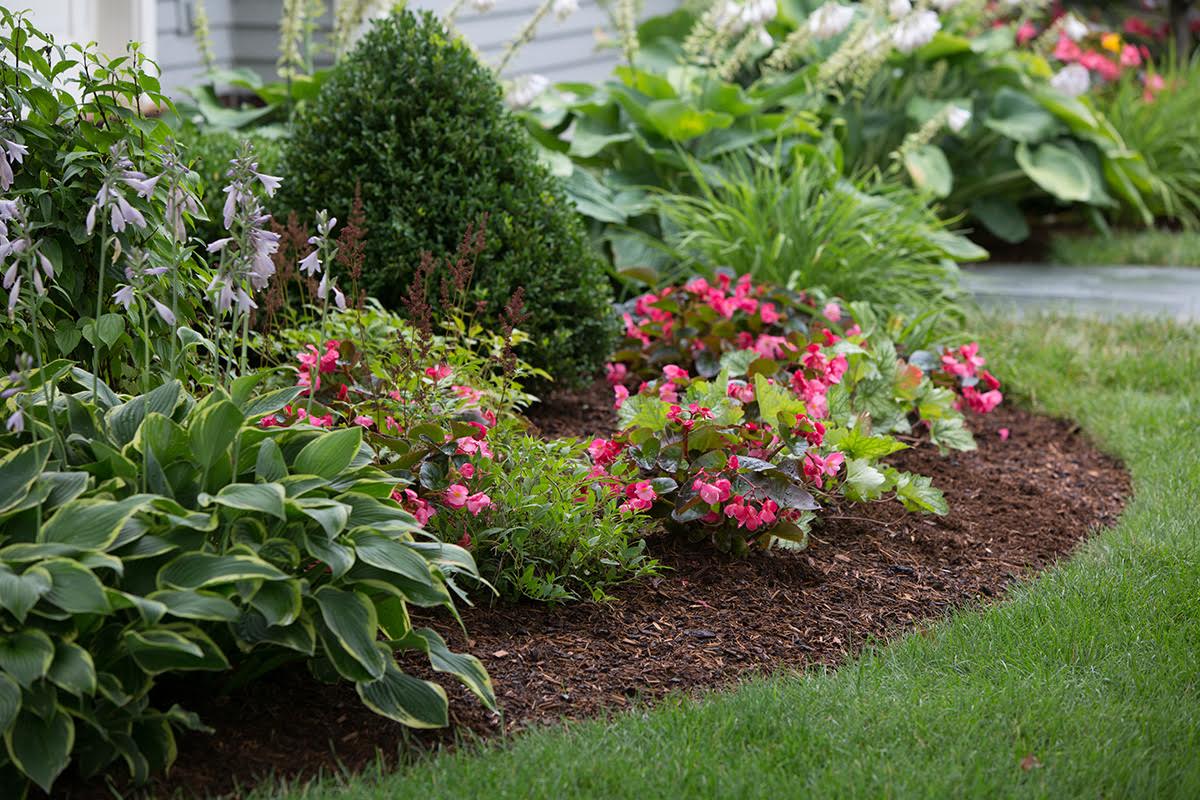
Mulching around annuals is a common gardening practice that offers several benefits. Applying mulch can significantly improve the health of your plants and the overall appearance of your garden bed. Here are some key benefits and considerations regarding the use of mulch around annuals:
Benefits of Mulching Annuals
Mulching near annual plants provides multiple advantages that enhance their growth and resilience. Some of the most notable benefits include:
See also:
- Soil Moisture Retention: Mulch helps to prevent evaporation, keeping the soil moisture levels stable, which is especially important during hot and dry periods.
- Weed Suppression: A layer of mulch can block sunlight from reaching weed seeds, significantly reducing weed growth and competition for nutrients.
- Temperature Regulation: Mulch acts as an insulator, helping to moderate the soil temperature, thus protecting roots from temperature extremes.
Types of Mulch Suitable for Annuals
Choosing the right type of mulch is crucial for maximizing the benefits. Various types of mulch can be used effectively with annuals, including:
- Organic Mulch: Materials such as bark chips, straw, and shredded leaves break down over time, improving soil structure and fertility.
- Inorganic Mulch: Gravel, stone, and landscape fabric do not decompose and can provide long-term coverage and weed suppression.
- Compost: While more of a soil amendment, a thin layer of compost can provide nutrients while also acting as a mulch.
How to Apply Mulch Around Annuals
Proper application of mulch is essential to ensure that it provides maximum benefits without harming the plants. Follow these steps for effective application:
- Clear the Area: Remove any weeds and debris from the soil surface before applying mulch.
- Spread Evenly: Apply a layer of mulch about 2-3 inches thick, avoiding direct contact with plant stems to prevent rot.
- Water the Area: After mulching, water the area to help settle the mulch and ensure moisture reaches the soil.
Potential Drawbacks of Mulching Annuals
While mulching has many benefits, there can be some drawbacks to consider. Recognizing these potential issues can help you make informed decisions:
- Over-Mulching: Too much mulch can suffocate roots and create excessively moist conditions conducive to root rot.
- Pest Attraction: Certain organic mulches can attract pests if they are not managed properly or if they decompose too quickly.
- Nutrient Depletion: As organic mulch decomposes, it can tie up nutrients temporarily, so it’s essential to monitor soil fertility.
When to Reapply Mulch for Annuals
Proper timing for reapplying mulch is key to maintaining its benefits throughout the growing season. Consider the following guidelines:
- End of Growing Season: Add or refresh mulch at the end of the growing season to protect plant roots during winter.
- After Heavy Rain: Check and replenish mulch after heavy rains, as it may wash away or decompose more quickly.
- Yearly Refresh: It’s typically a good practice to refresh mulch annually to maintain its effectiveness and appearance.
Where should you not put mulch?
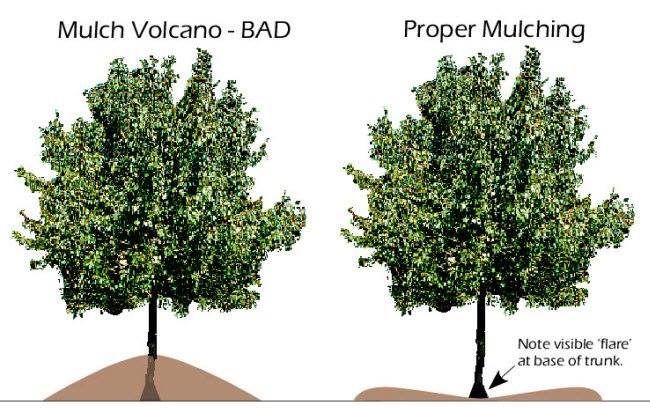
Mulch is an essential component in gardening and landscaping, but there are specific areas where it should not be applied. Improper placement can lead to various issues like pest infestations, root decay, and poor plant health. Here are key locations where mulch should be avoided.
1. Directly Against Tree Trunks
Placing mulch directly against the trunk of a tree can create a moist environment that fosters decay and encourages pests. This practice can also lead to the formation of moisture pockets, which can harm the tree's bark.
- It prevents airflow around the trunk.
- Increases the likelihood of fungal diseases.
- Interferes with nutrient absorption in the roots.
2. Along Sidewalks and Driveways
Using mulch beside sidewalks and driveways can result in soil erosion and can disturb the stability of hardscapes. The mulch can wash away during heavy rains, leading to an unkempt landscape.
- It can create uneven surfaces that are hazardous.
- Indirectly encourages weed growth as mulch breaks down.
- Requires more frequent maintenance and replacement.
3. Areas with Poor Drainage
In places where water accumulates, adding mulch can worsen drainage issues. It prevents the soil from drying out adequately, leading to root rot and other fungal problems.
- Encourages pests due to excessive moisture.
- Harbors pathogens that can affect plant health.
- Impedes the natural breakdown of organic matter.
4. Underneath Vegetables or Flowering Plants
While mulch is typically used in garden beds, placing it too thickly or directly on the bases of vegetables and flowering plants can restrict airflow and promote diseases.
See also:
- It can smother young plants or seedlings.
- Reduces the effectiveness of watering and fertilization.
- Offers a habitat for unwanted pests.
5. On Stagnant Patches of Soil
Applying mulch on stagnant or compacted soil can create a barrier that traps moisture and exacerbates compaction issues. This restricts the roots' ability to penetrate and absorb nutrients.
- It can inhibit the natural soil aeration process.
- Leads to root development issues for surrounding plants.
- Promotes a buildup of salts in the soil, harming plant health.
What is a major downside to mulching?
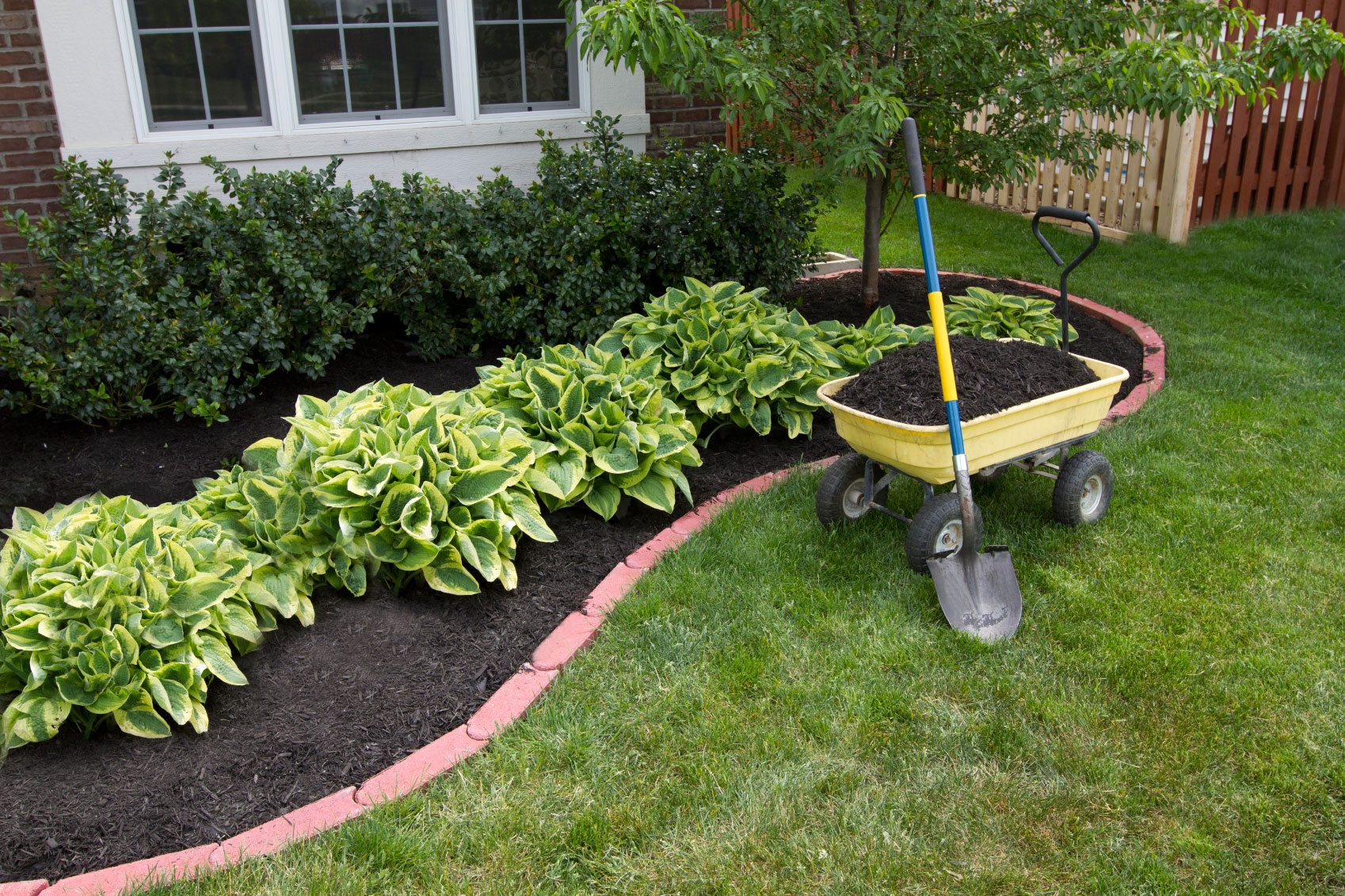
One major downside to mulching is that it can lead to nutrient depletion in the soil over time. While mulch serves to suppress weeds and retain moisture, it also breaks down and interacts with the soil, which can result in the leaching of essential nutrients. As mulch decomposes, it may temporarily provide some nutrients, but eventually, these nutrients are used up or washed away. This can lead to an insufficient supply of essential elements like nitrogen, potassium, and phosphorus for your plants.
Potential for Pest Infestation
Mulching can create an environment conducive to certain pests and diseases. Organic mulches, in particular, can attract insects like slugs and snails, which thrive in the moist conditions that mulches create. Additionally, if the mulch is not managed properly, it can harbor pathogens that lead to various plant diseases.
- Attracting pests: Soft, decaying mulch can welcome pests.
- Risk of diseases: Mulch can foster fungal diseases.
- Management challenges: Regular monitoring for pests is necessary.
Water Retention Issues
While mulch is often lauded for its ability to retain moisture in the soil, it can sometimes lead to excessive water retention. In regions where rainfall is frequent, too much mulch can trap water, causing the soil to become overly saturated. This can lead to root rot and other issues associated with poor drainage.
- Over-saturation: Too much moisture can damage roots.
- Drainage issues: Proper drainage is crucial for plant health.
- Temperature fluctuations: Excess moisture can lead to temperature instability.
Labor and Cost Considerations
Implementing mulching can require a significant amount of labor and may incur additional costs. The initial installation of mulch can be time-consuming and physically demanding. Furthermore, the need for ongoing maintenance—such as replacing decomposed mulch or applying new layers—can also contribute to overall labor costs.
- Initial setup: Labor-intensive to lay down the mulch.
- Maintenance: Regular upkeep required over time.
- Cost of materials: Organic mulch may be more expensive.
Incompatibility with Certain Plants
Not all plants benefit from mulching; certain species may be harmed by being covered with mulch. Sensitive plants may require specific types of soil conditions that can be altered by the application of mulch, such as changes in temperature, moisture levels, and nutrient availability.
- Temperature sensitivity: Some plants prefer warmer or cooler soils.
- Moisture requirements: Certain plants have unique water needs.
- Soil dynamics: Changes in pH or nutrient levels may harm sensitive plants.
Environmental Concerns
Certain types of mulch can have negative environmental impacts. For example, rubber mulches, while popular for their longevity, are made from recycled tires and can leach harmful chemicals into the soil. Additionally, sourcing organic mulch from unsustainable practices can contribute to deforestation or habitat destruction.
- Chemical leaching: Some mulches can release toxins.
- Deforestation: Unsustainable sourcing for organic mulch.
- Non-biodegradability: Rubber and synthetic mulches persist in the environment.
Questions from Our Readers
Should you mulch around annuals?
Yes, you should mulch around annuals. Mulching helps to retain moisture, suppress weeds, and maintain an even soil temperature, all of which contribute to the overall health of your plants.
What type of mulch is best for annuals?
A good choice for mulching around annuals includes organic materials like wood chips, straw, or shredded leaves. These types of mulch not only improve the soil as they decompose but also create a visually appealing garden.
See also:
How thick should the mulch be around annuals?
It is recommended to apply a layer of mulch that is 2 to 3 inches thick. This thickness provides adequate coverage to suppress weeds while allowing moisture and nutrients to reach the plants.
When is the best time to apply mulch around annuals?
The best time to apply mulch is in the spring after the soil has warmed up and before the heat of summer begins. This timing helps retain moisture during the growing season and reduces the risk of weed competition.

If you want to read more articles like Should You Mulch Around Annuals? Discover the Benefits and Best Practices, we recommend you check out our Mulch category.
Leave a Reply