What is the best way to apply fungicide? A Complete Guide for Effective Treatment

Fungicides play a crucial role in protecting plants from fungal diseases that can devastate gardens and crops. However, the effectiveness of these treatments heavily relies on proper application techniques. In this comprehensive guide, we will explore the best practices for applying fungicide, ensuring maximum efficacy while minimizing any potential harm to the environment. From understanding the different types of fungicides to determining the right timing and method of application, this article will equip you with the knowledge needed for effective disease management. By following these guidelines, you can safeguard your plants and promote healthier growth.
What is the Best Way to Apply Fungicide?
Applying fungicide effectively is crucial for maximizing its efficacy in preventing and controlling fungal diseases in plants. The best way to apply fungicide involves selecting an appropriate product based on the type of fungus and the affected plant. It's important to apply fungicide during periods of dry weather to avoid wash-off from rain or irrigation. Ensure that you cover the foliage thoroughly, including the undersides of leaves, as many fungal pathogens reside there. Using a sprayer can provide better coverage, while adhering to the manufacturer's instructions regarding dilution and frequency of application is essential for achieving optimal results.
Understanding Fungal Diseases
Fungal diseases can affect a wide variety of plants, leading to symptoms such as wilting, discoloration, and leaf drop. Understanding the specific fungal pathogens affecting your plants is essential for choosing the right fungicide. Common fungal diseases include powdery mildew, downy mildew, and rust. Observing early signs of these diseases can help in timely intervention and prevent extensive damage.
Choosing the Right Fungicide
Selecting the right fungicide depends on the target disease and the plant species involved. There are several classes of fungicides available, including preventive, curative, and protective. Preventive fungicides are effective before the appearance of disease, while curative fungicides are designed to treat existing infections. Always consult product labels to ensure that the fungicide is appropriate for the specific plant and fungi you are dealing with.
Application Techniques
Effective application techniques can greatly influence the performance of fungicides. A small handheld sprayer is advisable for small gardens, while larger areas might require a backpack sprayer or a tractor-mounted sprayer. Ensure even coverage by applying the fungicide in a systematic manner, overlapping your spray paths. Environmental factors such as wind and temperature can also affect application, so choose calm days for spraying.
Timing of Application
Timing plays a vital role in the success of fungicide application. The ideal time to apply fungicide is before symptoms appear (preventive application) or at the first sign of infection (curative application). Conditions that favor fungal growth, like high humidity and warm temperatures, often dictate when to spray. Regular monitoring of weather and the condition of your plants can help inform suitable application timing.
Safety and Environmental Considerations
Safety is paramount when applying fungicides. Always wear protective gear, such as gloves and masks, to minimize exposure. Ensure that you follow label directions regarding safety measures, disposal, and reentry intervals. Consider the potential impact on beneficial organisms and the surrounding environment; using targeted fungicides and applying them only when necessary can help minimize adverse effects.
| Key Factors | Considerations |
|---|---|
| Product Selection | Choose based on disease and plant type. |
| Application Method | Use sprayers for even coverage. |
| Timing | Apply before or at the first signs of disease. |
| Safety Measures | Wear protective gear and follow safety instructions. |
| Environmental Impact | Avoid harming beneficial organisms and follow local regulations. |
Do I need to water in after applying fungicide?
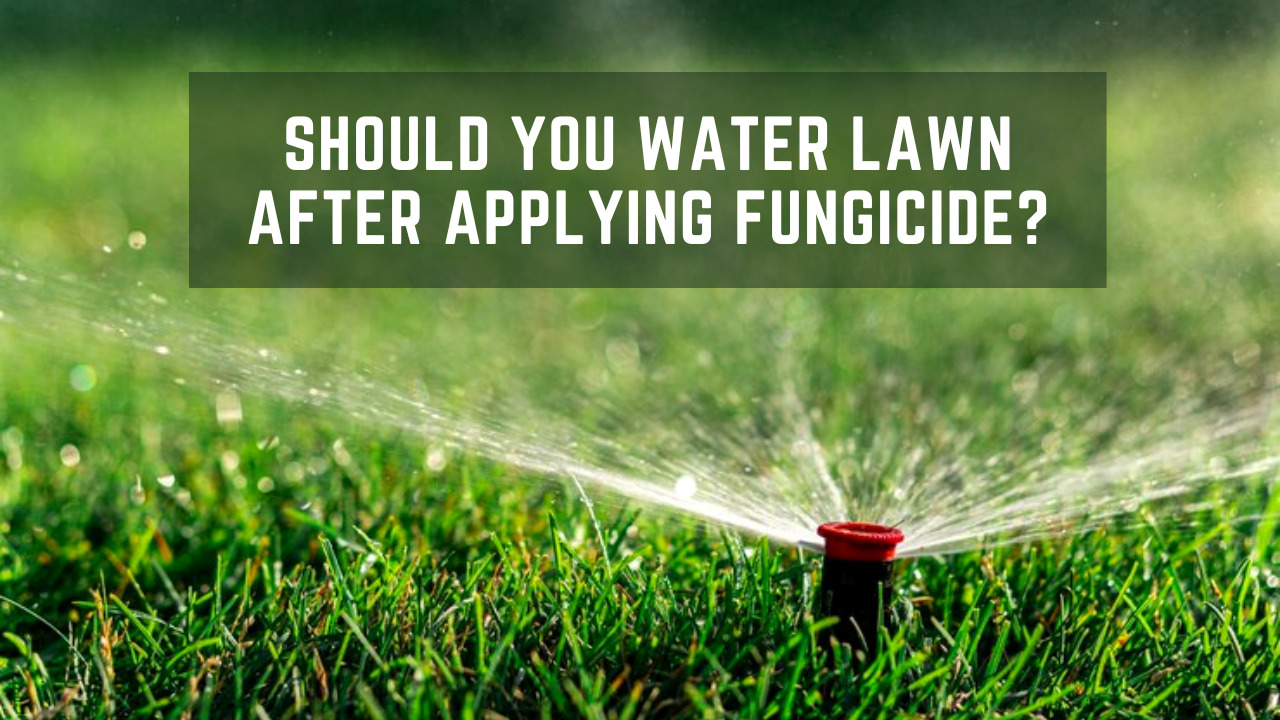

Applying fungicide effectively is crucial for managing plant diseases and maintaining the health of your garden or lawn. One common question gardeners have is whether they need to water in the fungicide after application.
Understanding Fungicide Activation
Fungicides are designed to target and eliminate fungal pathogens. Many fungicides require moisture for activation. It is essential to interpret the specific instructions of the product you are using to determine if watering in is necessary.
- Moisture Requirement: Some fungicides need to be activated by water, which helps them penetrate the plant tissues and reach the site of infection.
- Soil Absorption: Watering the area can help in better absorption of the fungicide into the soil, which might be beneficial for preventing future fungal issues.
- Rainfall Consideration: If rain is forecasted within a few hours of applying the fungicide, you might not need to water it in, as natural precipitation can help with activation.
Timing of Watering
If your specific fungicide requires watering in after application, timing is crucial. The right timing can enhance the effectiveness of the product.
- Immediate Watering: Watering immediately after application can help the product adhere to the plant and reach the roots more effectively.
- Wait Time: Some manufacturers recommend waiting a certain period before watering to allow the fungicide to dry on the foliage, maximizing its power against fungal pathogens.
- Schedule Appropriately: Consider your local climate when deciding to water; excess water can wash away the fungicide or dilute its concentration.
Types of Fungicides
There are various types of fungicides available, and their formulation can influence whether or not you should water them in.
- Contact Fungicides: These work on the surface and may need moisture immediately after application to be effective.
- SYSTEMIC Fungicides: These are absorbed by plants and often don't require watering, as they move internally.
- Granular vs Liquid: Granular fungicides may need to be watered in to help dissolve the granules and release the active ingredients.
Application Techniques
The method of applying fungicide can also determine whether you should water in after use.
- Foliar Application: When spraying on leaves, moisture may help enhance coverage and absorption if needed.
- Soil Drench: Applying directly to the soil might benefit from watering, depending on the product modal of action.
- Preventative vs Reactive: Different application techniques are ideal for preventive versus reactive use, influencing whether watering is advisable.
Impact on Plant Health
Understanding how watering can impact overall plant health post-fungicide application is crucial.
- Hydration Balance: Ensuring plants have adequate water after treatment helps maintain their health and resilience against diseases.
- Stress Reduction: Applying fungicides followed by appropriate watering can help reduce plant stress, especially during hot or dry conditions.
- Preventing Overwatering: Be cautious of overwatering, as this can lead to root rot and other issues that harm plant health.
Is it better to apply fungicide in the morning or evening?
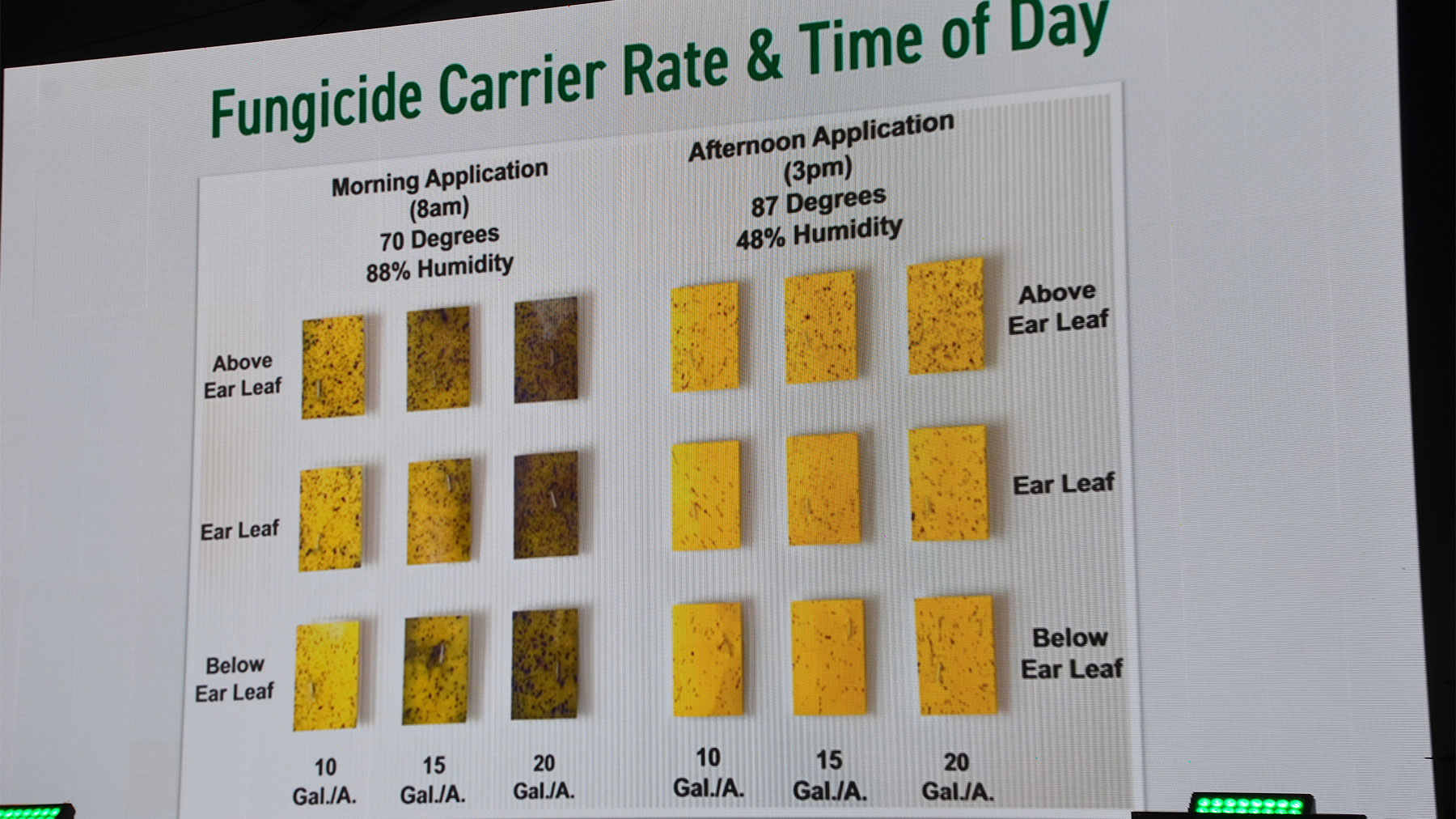
Applying fungicide can be a crucial aspect of managing plant health, especially in agricultural and gardening practices. The timing of application, whether in the morning or evening, can significantly impact the effectiveness of the fungicide.
See also:
Effect of Temperature on Fungicide Application
The temperature at the time of application plays a significant role in how well the fungicide works.
- Morning temperatures are typically cooler, which can help reduce evaporation rates.
- Cooler temperatures allow the fungicide to remain on the plant longer, ensuring better absorption.
- Evening temperatures may lead to higher humidity, but it can also invite dew, which might wash away the chemical.
Humidity Levels
Humidity is an important factor that affects the efficacy of fungicides.
- Morning applications can take advantage of lower humidity, allowing the product to dry quickly.
- Increased evening humidity can create an environment where the fungicide may not adhere as effectively to plant surfaces.
- Higher humidity levels can lead to a higher risk of fungal infections, potentially counteracting the benefits of the fungicide.
Sunlight Exposure
The presence and intensity of sunlight can impact the performance of fungicides.
- Morning sun can enhance the drying process, allowing for optimal adherence of the fungicide.
- In contrast, applying fungicide in the evening may expose it to less direct sun, delaying drying and effectiveness.
- Ultraviolet (UV) light from sunlight may break down certain chemical compounds in fungicides, making morning applications more favorable.
Wind Conditions
Wind can also influence the application of fungicides, affecting coverage and drift.
- Mornings often experience lighter winds, allowing for more precise application.
- In the evening, winds may pick up, potentially leading to uneven distribution of the fungicide.
- Control over wind can help to minimize waste and maximize coverage on the target area.
General Best Practices
Regardless of the time of application, following best practices is essential.
- Read the label for specific instructions on the fungicide being used.
- Avoid applying fungicide during extreme weather conditions, such as heavy rain or strong winds.
- Monitor plant conditions and fungal disease presence frequently to determine the best timing for application.
Questions from Our Readers
What is the best time to apply fungicide?
Applying fungicide is most effective when done at the early stages of disease development, ideally during the preventive period before symptoms appear. This timing allows the fungicide to create a protective barrier on plant surfaces, preventing fungi from taking hold and proliferating.
How should fungicide be applied for best results?
For optimal results, fungicide should be applied uniformly and thoroughly, ensuring coverage of all plant surfaces, including the undersides of leaves where fungi may reside. Using a sprayer or mister can help achieve even distribution and ensure that the fungicide penetrates into the plant tissue effectively.
Can fungicide be applied during rain or high humidity?
It is generally not advisable to apply fungicide during rainy or humid conditions, as the moisture can dilute the product and reduce its effectiveness. Ideally, you should wait for dry conditions to apply fungicide, allowing it to adhere properly to the plant surfaces and remain effective for a longer duration.
See also:
How often should fungicide be applied?
The frequency of fungicide application depends on the specific product used and the level of environmental stress on the plants. Typically, fungicides are applied every 7 to 14 days, but it's important to read the label instructions for the best guidance based on the product and plant health.
If you want to read more articles like What is the best way to apply fungicide? A Complete Guide for Effective Treatment, we recommend you check out our Garden category.
Leave a Reply
Related Articles