Ultimate Guide: How to Identify a Fungus in the Garden? Tips and Tricks for Gardeners

Fungi are an essential part of any garden ecosystem, playing a crucial role in nutrient cycling and soil health. However, not all fungi are beneficial; some can pose a risk to plants and overall garden vitality. Identifying different types of fungi in your garden can be challenging, but with the right knowledge and tools, gardeners can learn to discern harmful species from helpful ones. This ultimate guide will provide you with valuable tips and tricks to identify fungi effectively, helping you maintain a healthy and thriving garden. Whether you're a novice or seasoned gardener, understanding fungi is key to your garden's success.
Identifying Fungi in Your Garden
Identifying a fungus in your garden can be a rewarding yet challenging task. To start, look for distinctive features such as the color, shape, and size of the growths. Fungi can appear in various forms, from mushrooms to powdery molds; some may be beneficial while others can pose risks to your plants. Examining the environment where the fungus grows is crucial, as most fungi thrive in moist, shaded conditions. Pay close attention to any peculiar odors as they can provide clues about the type of fungus. When in doubt, consider consulting a local extension service or an expert in botany for careful identification.
Common Types of Fungi in Gardens
In gardens, fungi can be categorized into several common types including saprophytic fungi, which decompose organic matter, and parasitic fungi, which feed on living plants. Some prevalent examples include the button mushroom, often found in lawns, and the destructive powdery mildew, which can harm many types of plants. Understanding these categories can help gardeners identify their role in the ecosystem.
Visual Characteristics of Fungi
Fungi come in various forms with distinct visual characteristics. Key traits to observe include the cap shape, which can be conical, bell-shaped, or flat, and the gills underneath, which can be free or attached to the stem. The coloration, texture, and growth pattern also vary widely; for instance, some fungi might be smooth and shiny, while others are rough or fuzzy. Noticing these details is essential for proper identification.
Environmental Conditions Favoring Fungi
Many fungi flourish in specific environmental conditions. They typically prefer moist environments, such as areas with poor drainage or high humidity levels. Shady locations often support fungal growth since direct sunlight can inhibit their development. Overwatering plants can create a conducive environment for many fungi, as excess moisture promotes their growth. Awareness of these conditions can aid in prevention and identification efforts.
Smell and Texture Indicators
The smell of a fungus can serve as a significant indicator for identification. Some fungi emit potent odors that can range from sweet to foul, often resembling decaying matter or earthy scents. The texture of the fungus is another clue; it can be slimy, dry, or powdery. Observing these olfactory and tactile features can greatly enhance understanding and identification of the types of fungi present in your garden.
Resources for Identification
Numerous resources can assist in identifying fungi in the garden. Field guides specifically focused on local fungi species offer pictures and detailed descriptions. Online databases and mobile applications also provide tools for identification through image recognition and expert resources. Additionally, local gardening clubs and universities may have extension services that can help with identification and advice on dealing with various fungi.
| Characteristic | Description |
|---|---|
| Type | Saprophytic, Parasitic |
| Color | Varies widely |
| Growth pattern | Mushroom-like, Mold, etc. |
| Smell | Earthy, Sweet, Foul |
| Texture | Fuzzy, Smooth, Slimy |
How to identify fungus in soil?
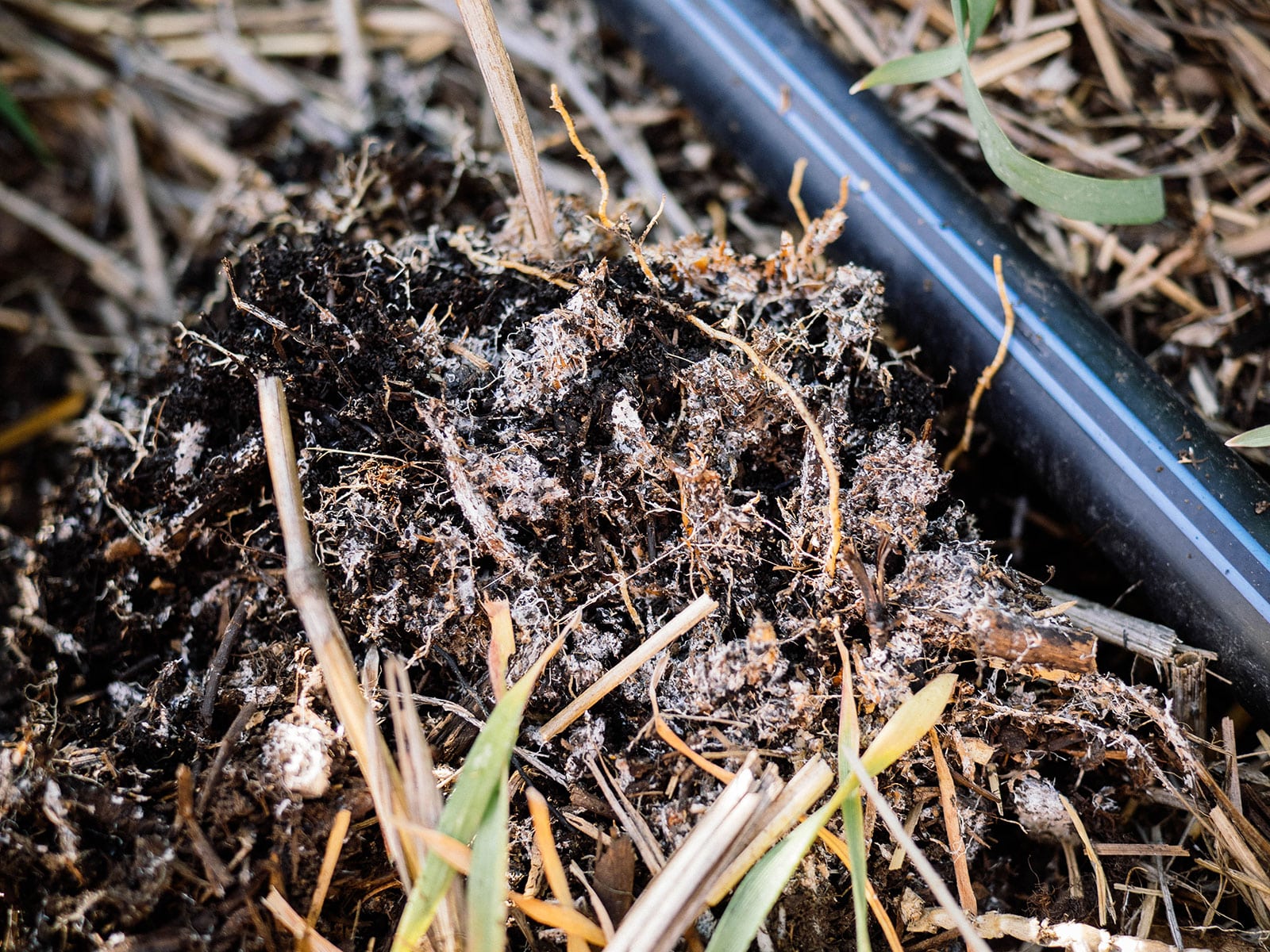
Identifying fungus in soil can be a crucial aspect of understanding soil health and fertility. Fungi play a significant role in nutrient cycling and plant health, yet some species can be harmful to plants and ecosystems. To effectively identify fungal presence, consider the following steps and signs.
Visual Inspection
A primary method for identifying fungi in soil is through visual inspection. Look for any physical signs of fungal presence.
See also:
- Color Changes: Observe any unusual colorations in the soil that may indicate fungal growth, such as green, blue, or white patches.
- Texture: Fungal mycelium can create a distinct texture. You may notice slimy or powdery surfaces.
- Fruit Bodies: Some fungi produce fruiting bodies, like mushrooms or puffballs, that are easily identifiable above the soil.
Smell
Fungi often emit a recognizable odor, which can be a critical indicator of their presence in the soil.
- Earthy Odors: Healthy fungi may produce a pleasant, earthy smell, indicating active decomposition.
- Foul Smells: A strong, unpleasant odor may suggest the presence of decay or pathogenic fungi.
- Variations by Type: Different fungi have distinct smells; for example, some mushrooms have a more pronounced scent than others.
Microscopic Examination
For a more accurate identification of fungi, a microscopic examination can be necessary. This involves collecting soil samples and viewing them under a microscope.
- Collect Samples: Take soil samples from various depths and locations to ensure a representative analysis.
- Prepare Slides: Use thin slices of soil mixed with water on a microscope slide to observe fungal structures.
- Identify Structures: Look for hyphae, spores, and other fungal features that can help in identification.
Soil Testing Kits
Using soil testing kits can provide a more straightforward method for identifying fungi and assessing soil health.
- Purchase a Kit: Select a kit designed for detecting soil fungi and their activity.
- Follow Instructions: Carefully follow the steps provided to collect soil samples and interpret results.
- Analyze Results: Compare test results with normative data to identify the types of fungi present and their impact.
Consulting Experts
If identification proves challenging, consider consulting experts in soil science or mycology.
- Find Mycologists: Reach out to local universities or agricultural extension services for experts.
- Provide Samples: Offer soil samples for analysis and expert opinion on fungi present.
- Gain Insight: Use their knowledge to understand the implications of identified fungi on your soil health.
How to identify fungus in plants?

Identifying fungus in plants is crucial for maintaining plant health and promoting proper growth. Fungi can cause a range of problems, including root rot, leaf spots, and even plant death. Understanding how to recognize fungal infections can help in taking timely action. Here are detailed steps and signs to identify fungus in plants.
Signs of Fungal Infections
Fungal infections often reveal themselves through various symptoms on the affected plants. Recognizing these signs is the first step in identification. Common signs include:
- Discoloration: Leaves may show yellowing, browning, or other color changes.
- Spots: Dark or light spots on leaves and stems can indicate fungal presence.
- Mold or Mildew: A fuzzy or powdery coating on leaves or soil is a clear sign of fungus.
Types of Fungal Diseases
Different types of fungi can affect plants, and knowing these types can help in identification. Here are some common fungal diseases:
- Powdery Mildew: Appears as white or gray powdery spots, usually on the upper leaf surfaces.
- Root Rot: Caused by fungi in the soil, characterized by blackened or mushy roots.
- Leaf Spot: Caused by various fungi, resulting in dark circular spots on the leaves.
Environmental Factors Favoring Fungus
Certain environmental conditions can promote fungal growth. Recognizing these factors can aid in both identification and prevention. Key factors include:
- Humidity: High humidity levels create an ideal environment for fungi to thrive.
- Temperature: Warm temperatures can accelerate fungal growth.
- Poor Air Circulation: Crowded plants or inadequate airflow can increase moisture, fostering fungal infections.
Visual Inspection Techniques
Conducting a thorough visual inspection of plants can help spot fungal issues early. Effective techniques include:
See also:
- Leaf Examination: Check both the upper and lower sides of leaves for any irregularities.
- Stalk and Stem Check: Examine stems for discoloration or unusual textures.
- Soil Observations: Inspect the soil for signs of mold or unusual texture.
Laboratory Analysis
In some cases, expert lab analysis may be necessary for accurate identification. This involves:
- Sample Collection: Take samples of affected plant parts or soil for examination.
- Culturing: Grow the fungus in a controlled environment to study its characteristics.
- Microscopic Examination: Use microscopes to identify fungal spores and structures.
How to identify the type of fungus?
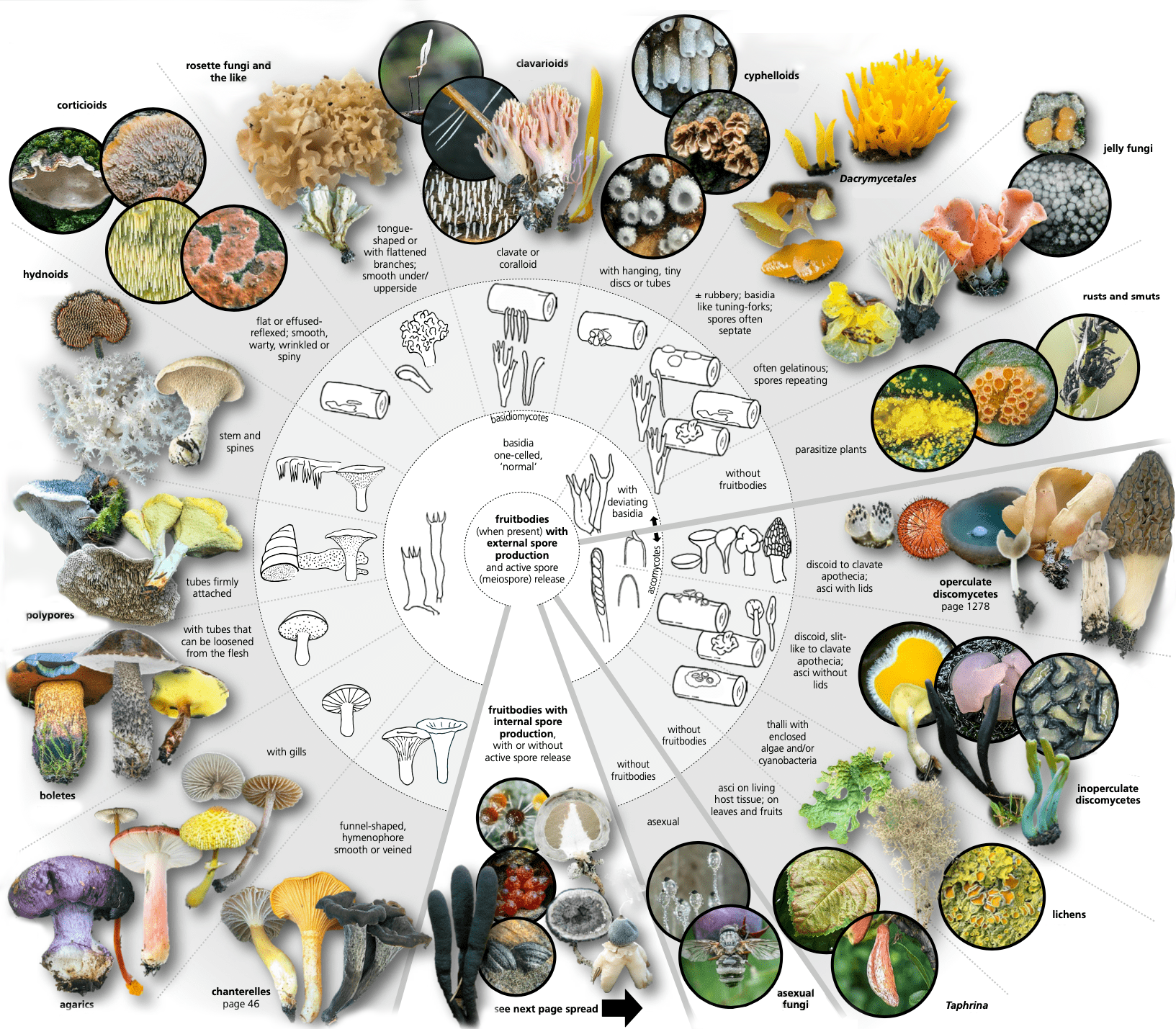
To identify the type of fungus, several methods and characteristics can be employed. A thorough examination of the morphological and physiological traits of the fungus, as well as consideration of the surrounding environment, is essential. Here’s a detailed guide on how to identify different types of fungi:
Characteristics of Fungi
Fungi can be identified based on various physical characteristics such as color, shape, and texture. These features often provide critical information that helps narrow down the type of fungus. Some key characteristics to observe include:
- Cap shape: Fungi can have various cap shapes, including conical, flat, or wavy.
- Color: The color of the cap, stem, and gills can vary widely and can be a significant identifier.
- Texture: The surface texture, whether smooth, scaly, or velvety, can indicate different fungal species.
Types of Fungi
Understanding the major types of fungi is crucial for identification. The primary categories include:
- Ascomycetes: Often recognized by their spore-producing structures called asci, these fungi include yeasts and molds.
- Basidiomycetes: Known for their club-like structure that produces spores, this group encompasses many mushrooms.
- Zygomycetes: Typically found in soil, these fungi are characterized by their formation of zygospores during reproduction.
Habitat and Environmental Factors
The habitat where the fungus is found plays a pivotal role in its identification. Different fungi thrive in distinct environments, including:
- Soil: Many fungi are soil-dwelling, often associated with organic matter or decaying plants.
- Wood: Some species specialize in decomposing wood, indicating their ecological roles.
- Leaf litter: Certain fungi flourish in leaf litter, which can provide clues to their identity.
Spore Print Method
The spore print method is a practical technique for identifying fungi. It involves:
- Collecting the fungi: Carefully harvest a mature mushroom and place it gills-down on a piece of paper.
- Timing: Leave it undisturbed for several hours to overnight to allow spores to fall.
- Analyzing the print: The resulting spore print can be examined for color and pattern, providing key information for identification.
Consulting Identification Guides
Utilizing field guides and online resources can significantly aid in fungal identification. These resources typically include:
- Images and descriptions: High-quality photos and detailed descriptions help compare observed fungi with known species.
- Distribution maps: Some guides feature maps indicating where certain fungi are found, offering geographical context.
- Characteristics checklist: Many guides include checklists to facilitate the identification process based on visible traits.
Questions from Our Readers
How can I distinguish between beneficial and harmful fungi in my garden?
To distinguish between beneficial and harmful fungi, observe their effects on plants and the soil. Beneficial fungi, like mycorrhizae, often help in nutrient absorption, while harmful fungi may cause disease symptoms such as wilting, discoloration, or rot. Look for patterns of growth and health in your garden to make a clearer assessment.
What are the common signs of fungal infections in plants?
Common signs of fungal infections include yellowing leaves, mold growth, and stunted growth. You might also notice spotting or mildew on the foliage, which can indicate a problematic fungal presence. Promptly identifying these signs can facilitate effective treatment and management.
See also:
How do I collect samples for identification of fungi?
To collect samples for fungi identification, use sterile tools to cut a piece of the fungus along with adjacent plant material, if applicable. Ensure you handle the samples carefully to avoid contamination, and place them in a sterile container. This method ensures better accuracy when seeking help for identification.
What resources can I use to identify fungi in my garden?
You can use several resources for identifying fungi, including field guides, online databases, and local extension services. Photographs of the fungi and affected plants can also be shared with online communities or mycology experts for assistance. Utilizing multiple resources increases the chances of accurate identification.

If you want to read more articles like Ultimate Guide: How to Identify a Fungus in the Garden? Tips and Tricks for Gardeners, we recommend you check out our Garden category.
Leave a Reply
Related Articles